Home Blog Page 926

The Douglas A-1 Skyraider: America’s Ultimate Attack Aircraft

0
Image Source: Bing Image. License: All Creative Commons

The Douglas A-1 Skyraider is an unusual example of a single strong attack plane that continued to be strong even after a long time had elapsed in the history of military aviation. Although it was manufactured at the end of World War II and arrived with the late 1940s group, the name of the Skyraider has gone on to gain more and more strength with the passage of years. Its history is not just about numbers or battle events; it is how this piston-powered fighter, affectionately referred to as the “Spad,” surpassed all expectations and left the flying traces and the hearts of those who piloted it still intact.

Image Source: Bing Image. License: All Creative Commons

The story of the Skyraider began when the U.S. Navy in World War II saw that their air groups on ships needed a new craft— a plane that could carry a lot of bombs but also move fast to match new fight plans. Ed Heinemann from Douglas Aircraft made the Skyraider with the strong Wright R-3350 Duplex-Cyclone engine, the same one used in the B-29 Superfortress. Even though its first flight was in March 1945, the war ended before it could fight. Still, the Navy went on, and the AD-1 Skyraider was made in 1946, mixing big bomb loads with the quick moves of fighter jets—a weird but strong blend.

Image Source: Bing Image. License: All Creative Commons

The Skyraider’s true claim to fame was its high payload and endurance. With fifteen hardpoints and the capability of delivering up to 8,000 pounds of rockets, guns, and bombs—more than a B-17 Flying Fortress—it was an airborne arsenal. Its 2,700-horsepower engine powered it to 322 mph and more than 1,300 miles, but more significant was its capacity to loiter near the battlefield for hours. Unlike the jets that needed to refuel continuously, the Skyraider could remain on station, providing continuous close air support. Pilots would sometimes characterize it as “surrounded by noise and vibration,” but it was also a machine that gained trust and respect.

Image Source: Bing Image. License: All Creative Commons

The Korean War was where the Skyraider tested itself. It arrived in 1950 and soon became an indispensable asset to the Navy and Marine Corps, excelling in close air support and ground attack. Low and slow flight capability proved well-suited to Korea’s hilly and mountainous landscape and the enemy’s hit-and-run strategies. But navigating the mighty Skyraider was not an easy task to accomplish—its size and power made carrier landings tricky, and many were lost to crashes or enemy fire. By the end of the war, 128 Skyraiders had been lost, a sobering reminder of the risks involved.

Image Source: Bing Image. License: All Creative Commons

Vietnam was the Skyraider’s defining chapter. Assigned to the 1st Air Commando Squadron starting in 1964, the plane was adapted for search and rescue missions and special operations along the Ho Chi Minh Trail. Its long loiter time and heavy firepower meant it could protect rescue helicopters and suppress enemy fire for extended periods. The name “Sandy” was made into a legend that stood for pilots who flew into the face of heavy enemy fire to bail out others. The A-1’s staying power and constant covering fire often meant the difference between life and death.

Image Source: Bing Image. License: All Creative Commons

The Skyraider’s ruggedness was the stuff of legend. There are countless tales of these aircraft coming back home with bullet holes all over the fuselage, wings missing, or canopies shot away, but still flying angrily. One good story involves Ensign John Higgins landing on the USS Antietam with a broken canopy and a five-inch fragment of shrapnel lodged in his headrest—a testament to the plane’s durability and the pilot’s ability.

Image Source: Bing Image. License: All Creative Commons

Although slower than jets, the Skyraider was not an easy target to hit. In Vietnam, propeller Spads even shot down enemy MiG-17 fighter aircraft, much to their surprise, and the courage of their pilots. In addition to attack missions, the Skyraider was also used for electronic warfare, early warning, reconnaissance, and psychological operations, demonstrating its astounding versatility.

Image Source: Bing Image. License: All Creative Commons

As jets evolved, the Skyraider slowly gave way to newer models such as the A-4 Skyhawk. Nevertheless, its fame did not wane. Numerous Skyraiders were transferred to the South Vietnamese Air Force, which operated them until the loss of Saigon. Other nations, including the UK, France, and Sweden, also operated the Skyraider, although in lesser quantities.

Image Source: Bing Image. License: All Creative Commons

What sustains the legend of the Skyraider? It’s not just nostalgia or fond recollections from its aviator, although those are deep. Even years after retirement, many pilots of the aircraft feel it’s the greatest close air support aircraft ever built. As old Marine Captain William C. Smith used to say, “Even after all these years, I believe the AD is still the best airplane ever made for close-in attackBetterer than anything flying today.”

Image Source: Bing Image. License: All Creative Commons

The history of the Skyraider is a tale of ruggedness, versatility, and sheer firepower. It held the line between generations, surviving many of its peers and cementing a place in the annals of military aviation history. Whether it is recalled as having made audacious rescue flights, its durability under fire, or its tremendous firepower, the Douglas A-1 Skyraider is, in many minds, the greatest attack aircraft ever constructed.

Rise and Fall of the B-58 Hustler: America’s Supersonic Bomber

0
Image Source: Bing Image. License: All Creative Commons

The Convair B-58 Hustler could be the most daring aircraft in the Cold War era, a carrier that not only outpaced enemy fighters but also climbed to great heights and bypassed everything the Soviets had thrown at it. Still, in the end, the saga of the Hustler is largely a tale of failing expectations and the bitter lessons of over-hastening, over-indulgence, and premature application of technology.

Image Source: Bing Image. License: All Creative Commons

The B-58 history dates back to the late 1940s, when the U.S. Air Force, buoyed by the success it had enjoyed in WWII, initiated what had been dubbed the Generalized Bomber Study (GEBO II). The plan was to construct a bomber that would outfly and outclimb any of the Soviet Union’s current fighters or missiles.

Image Source: Bing Image. License: All Creative Commons

It was, however, at the time more theory than practice, and even before it took to the skies, the potential price tag was already making eyebrows rise. Nevertheless, the Air Force pushed ahead, requesting proposals from the likes of America’s premier aerospace concerns. Convair, in 1952, won the deal with a streamlined, delta-wing plane that drew heavily upon post-war research, some of which had been “borrowed” from German research.

Image Source: Bing Image. License: All Creative Commons

The B-58 was built to impress from day one. With aggressively angled delta wings, a thin, extended fuselage, and four GE J79 engines hung beneath the wings, the aircraft resembled something out of a science fiction film. Those J79 engines were revolutionary, meant to produce power specifically at sustained supersonic velocities. Its airframe was equally sophisticated, constructed of honeycomb sandwich panels to accommodate the hot flight at Mach 2.

Image Source: Bing Image. License: All Creative Commons

Perhaps the Hustler’s most distinctive feature was the huge external pod carried under the fuselage. This pod contained additional fuel as well as a nuclear bomb, because the aircraft’s narrow body left little room for anything within. Later models even featured external hardpoints to hold more than one nuclear weapon.

Image Source: Bing Image. License: All Creative Commons

The inside was no less unusual. Rather than sitting together, the three-man crew—pilot, navigator/bombardier, and defensive systems operator—sat in a line, each with his own covered cockpit. Communication was so difficult that some crews allegedly used a string-and-pulley system to pass notes. Instead of standard ejection seats, each crewman had his escape capsule. These capsules were also tested on animals—chimpanzees and bears—to see if they were capable of withstanding ejection at supersonic speeds and even serving as flotation devices in case of necessity.

Image Source: Bing Image. License: All Creative Commons

The B-58 lived up to its performance promises as well. It set nineteen world speed and altitude records, such as a coast-to-coast run over the United States in less than five hours, and a Mach 2 dash from Tokyo to London. These accomplishments won the plane a variety of aviation awards and established it as the fastest bomber of its era. According to one aerospace historian, the J79 engine itself was a wonder, cutting-edge technology that broke records and set the standard for jet propulsion to come.

Image Source: Bing Image. License: All Creative Commons

That same cutting-edge design came at a cost—literally and financially. The B-58 was exorbitantly costly to produce and maintain. In comparison to the B-47 and B-52, the flight-hour cost per hour was astronomical. Better yet, the aircraft had a dismal safety record: over a quarter of all the B-58s were destroyed in accidents, and 36 personnel died in crashes attributed to structural and system failure. One researcher noted that of the 116 planes built, 26 were destroyed—somber figures for any aircraft, much less one armed with nuclear weapons.

Image Source: Bing Image. License: All Creative Commons

The next big step came when the USSR shot down the Lockheed U-2 with the S-75 (SA-2 Guideline) missile. When a U-2 spy plane at 70,000 feet got hit, the thought that speed and height could keep planes safe was fully shot down. The Air Force tried to move the Hustler to fly low to hide from radar, but the plane was not made to fly like that. It ran into air troubles, couldn’t go as far, and needed more fuel. The once-valued Hustler’s skill set now had big downsides.

Image Source: Bing Image. License: All Creative Commons

By 1970, only ten years after entereddry into service, the B-58 was withdrawn from service. It never delivered a single combat flight. Its responsibilities were transferred to the FB-111A, a more flexible aircraft more attuned to the changing exigencies of nuclear war. Now, there remain just eight B-58s on display in museums throughout the U.S., reminders of an era when speed and height were the measures of victory. As one aviation authority described it, the B-58’s achievements—particularly in shattering speed and altitude records—are still worth noting, even though the service life of the plane was short.

Image Source: Bing Image. License: All Creative Commons

The B-58’s legacy is a bittersweet one. It demonstrated what was technologically possible, but also the danger of rushing ahead without complete consideration for practical requirements and overall strategy. While its flight was brief, the Hustler left a lasting mark. It demonstrated the power of ambition to drive innovation, but also the speed with which that innovation can be overthrown as the strategic environment changes.

Big Horn Armory’s AR500: The Ultimate .500 Auto Max Firearm

0

First of all, it should be noted that when we talk about guns, in particular, those intended to stop a severe blow, the trend has been to increase their capabilities and reliability in the AR platform since its inception. The AR-10 and AR-15 have been the primary sources of firearms for both armies and civilians for a long time, providing them with great stability, versatility, and ease of use. However, as the needs change, so do many factors, for example, the requirement for something more powerful is increasing in the case of large-game killing, protection against large predators, and performing the tacit duties to be the most demanding ones. It is then that we meet the Big Horn Armory AR500, a firearm that, by firing the mighty .500 Auto Max cartridge, goes a long way to break the limits of an AR.

Image Source: Bing Image. License: All Creative Commons

The .500 Auto Max cartridge itself was the result of a relatively straightforward but ambitious concept: take the widely recognized .500 Smith & Wesson Magnum—a cartridge known for its potency—and redesign it as a rimless option that would be able to operate consistently in a semi-automatic rifle.

Image Source: Bing Image. License: All Creative Commons

Big Horn Armory ran with that idea. What they came up with is a massive-bore round firing bullets weighing between 275 and 700 grains, with most factory options between 350 and 600 grains. It’s a cartridge that introduces raw, hard-hitting power into the AR platform without sacrificing function or manageability.

Image Source: Bing Image. License: All Creative Commons

What’s more interesting about the .500 Auto Max is how versatile it is. This is more than simply a brute-force cartridge. It can deal with everything from hardcast projectiles for gamestopper work to hollow points for self-defense applications. Handloaders can tailor their configurations for any number of tasks—pest control out in the sticks, high-risk hunting, or even those tongue-in-cheek situations such as halting a runaway truck.

Image Source: Bing Image. License: All Creative Commons

Creating a rifle strong enough to withstand this amount of force wasn’t an easy feat. The AR500 is based on an AR-10 platform but with extensive modifications, such as the bolt face being expanded for the .520-inch rim and very carefully re-engineered extractor and ejector systems to ensure continued smooth cycling. The barrel options are 10-inch or 18-inch in length and are constructed of stainless steel with a 1:24 twist rate, also treated for extreme durability. Despite all that steel, the platform maintains the weight in check, under 10 pounds for most setups.

Image Source: Bing Image. License: All Creative Commons

For all of its muscle, the AR500 does not neglect comfort and use. It features a free-floating M-LOK handguard, ambidextrous controls, and a crisp match-grade trigger with a pull of about 3.5 pounds. Recoil is certainly there, but it’s managed due to a well-designed muzzle brake. Consider more along the lines of a 20-gauge shotgun than a shoulder-smashing behemoth. The magazine system is smart too—single-stack, modified AR-15 magazines that feed the large, straight-walled rounds reliably without a hitch.

Image Source: Bing Image. License: All Creative Commons

On the ballistic end, the figures are awe-inspiring. A 440-grain bullet can travel at about 1,650 feet per second with more than 2,600 foot-pounds of energy—about three times that you’d find in a .44 Magnum. Heavier bullets can take it even higher. Like a 350-grain +P+ Buffalo Bore load that goes to 2,300 feet per second and brings with it a devastating 4,100 foot-pounds of energy. That’s enough to handle nearly any threat—animal or otherwise—with complete authority.

Image Source: Bing Image. License: All Creative Commons

Accuracy isn’t an afterthought, either. Field testing indicates that with good optics, like a variable 1-8x scope, the AR500 can deliver tight 2-inch groups at 100 yards. Its flight remains relatively level out to 150 yards, and when it’s set in pistol mode with a 10-inch barrel and stabilizing brace, it’s small enough for in-vehicle carry or close-quarters applications. That makes it equally appealing to some military and security forces as it is to hunters and bushwhackers.

Image Source: Bing Image. License: All Creative Commons

The platform also incorporates adaptability. An adjustable gas block guarantees smooth cycling whether you’re firing supersonic or subsonic ammunition, and it gets along well with suppressors as well. That degree of tuning only adds to flexibility, allowing the AR500 a place in anything from breaching and anti-material application to survival applications deep within remote areas of wilderness.

Image Source: Bing Image. License: All Creative Commons

Taking the larger picture into account, the AR500 seems to be a logical evolution in the universe of AR platforms—a focused solution to particular problems. It doesn’t attempt to supplant 5.56 NATO or .308 Winchester for typical infantry duty, but instead establishes its niche for when maximum impact is required. It’s like how previous leaps in guns—such as from muskets to rifled barrels, or bolt-actions to semi-autos—brought additional aspects to what shooters and soldiers could do.

Image Source: Bing Image. License: All Creative Commons

Big Horn Armory, the group behind this tough gun, aims to do more than just break rules. They’ve moved to a bigger place in Cody, Wyoming, so they can make more guns, cut down wait times, and bring more jobs to the area. The company head, Greg Buchel, told Firearms News that moving means more machines, better work speed, and a stronger spot in the gun market.

Image Source: Bing Image. License: All Creative Commons

In a very real way, the AR500 embodies that spirit of innovation and expansion. It’s not merely an extremely potent gun—it’s a transformation of what the AR platform can achieve when pushed to its very limits. For those wanting unmatchable power in a readily familiar, user-friendly package, this may be the ultimate big-bore AR solution available.

Iran’s Russian Su-35s and the Future of Middle East Military Balance

0
Image Source: Bing Image. License: All Creative Commons

Up to now, Iran’s efforts to upgrade its armed forces have been limited by sanctions that have been imposed on the country for many years, preventing the country from acquiring new advanced military hardware. To keep their fighters going, Iranian fighter aircraft have been using outdated American and Russian aircraft, a handful of old-style Cold War-era airplanes.

Image Source: Bing Image. License: All Creative Commons

The latest sanctioning of the sale of Russian Su-35 fighter jets to Iran is a significant feature of Tehran’s military endeavors and realignment of the power balance in the region. With UN sanctions expiring in 2020, Iran was subsequently poised to seal conventional arms deals, and the Su-35s were at the forefront of its modernization plan.

Image Source: Bing Image. License: All Creative Commons

Iran-Russia strategic cooperation has grown more robust in the recent past. Russia, increasingly isolated from the Western markets because of its wars, turned to Iran for assistance and purchased hundreds of Iranian drones for export. Moscow, on its part, committed to exporting advanced platforms such as Su-35 fighter jets, Mi-28 attack helicopters, and Yak-130 trainers to Tehran. The transaction has alarmed the American and regional allies, who view the increased military cooperation as a destabilizing influence throughout the Middle East.

Image Source: Bing Image. License: All Creative Commons

The Su-35, with roll-out in 2014, is a generation-after-next air-superiority fighter with high avionics, thrust-vectoring engines, and variable weaponry payload. To Iran, whose military air presence is comprised largely of old F-4 Phantoms, F-5 Tigers, and MiG-29s, the Su-35 would be a quantum leap. Iranian authorities have also commented on the deterrent potential of these planes, speculating that they provide more room for the nation to protect its interests and advance its presence in the region.

Image Source: Bing Image. License: All Creative Commons

It is not an easy task to incorporate the Su-35 into the Iranian fleet of aircraft. Pilots and maintenance crews need to be trained on extremely advanced radar, electronic warfare, and weapons systems. Logistics and maintenance problems are also of major concern, as Iran’s current infrastructure will not be capable of hosting such highly developed aircraft. Integration with older aircraft will involve communications, data link, and command net enhancements, which will make operations planning more complex.

Image Source: Bing Image. License: All Creative Commons

The response in the region has been immediate. Israel, whose military continues to have the most sophisticated air force in the Middle East, views Su-35 purchases as an unmistakable provocation. Israeli officials had reportedly been pushing Moscow to reverse or postpone the sale out of concern about strengthening Tehran and its allies in Syria and Lebanon. Gulf Arab nations, already concerned about Iran’s missile and drone capacity, are reassessing their defense, some purchasing sophisticated weapons like the F-35 from the West.

Image Source: Bing Image. License: All Creative Commons

For the West, the sale is a demonstration of sanctions and arms embargoes’ ineffectiveness. While UN restrictions legally lapsed to enable Iran to buy conventional weapons, acquiring top-of-the-line fighters and other systems is stirring fears of regional security. The controversies have been defined on whether more preventive action is necessary to restrict the spread of cutting-edge military technology.

Image Source: Bing Image. License: All Creative Commons

Despite all the news centered around it, the near-term regional impact of Su-35s is not straightforward. Iran will be qualitatively enhanced in air weapons rather than quantitatively. With less than a couple of dozen planes anticipated for delivery, Israel’s arsenal, bolstered by fifty or so F-35s and hundreds of other cutting-edge aircraft, remains technologically well ahead. Su-35s will increase Iran’s defense and deterrence, but will not attack Israel or US forces in an open war.

Image Source: Bing Image. License: All Creative Commons

Politically, the agreement is a pragmatic compromise between Moscow and Tehran. Russia wants to counter Western influence in the area and secure the services of an experienced, proven ally, while Iran wants to update its military without getting too deeply involved in Russia’s geopolitical struggles. Both countries seem happy with a loose, transactional relationship, as opposed to a formal, full-fledged alliance, so that each may enjoy the freedom of action to act independently.

Image Source: Bing Image. License: All Creative Commons

Inthe the coming years, Iran-Russia defense ties can move closer to co-production abilities, further intensified drone and missile cooperation, and integration of cutting-edge systems. Issues persist—delivery speed, technical assistance, and potential political crisis likelihood.

Image Source: Bing Image. License: All Creative Commons

To local strategists, Russian Su-35s in Iran do not signify more than an arms sale—it signifies a harbinger of shifting alliances, shifting deterrence requirements, and a time of more uncertainty in regional security.

10 Women Who Revolutionized Action Entertainment

0
Image Source: Bing Image. License: All Creative Commons

Action films are always packed with loud and flashy stunts and thrilling fights, but these legendary women still hold a lot of secrets to reveal. No matter if they were battling with arms, using their brains against enemies, or just firmly holding on, these women are breaking the stereotypes of heroes. From sci-fi icons to the ones down on their luck, the list is 15 of the most incredible female characters who prove that action heroes can be of any shape and size and that every fight scene is a worthy experience when they are there.

Image Source: Bing Image. License: All Creative Commons

15. Alex Munday (Charlie’s Angels)

Lucy Liu’s Alex Munday is a triple threat: brains, brawn, and impeccable sense of fashion. In a show that teeters between camp and stereotype, Alex stands out as a truly fierce presence. She’s clever, witty, and quite capable of dealing with the mayhem—all without sacrificing her signature charm. A welcome moment of genuine Asian representation on early-2000s action, Alex proves you can be deadly serious and still enjoy yourself.

Image Source: Bing Image. License: All Creative Commons

14. Grace (Ready or Not)

Grace didn’t apply for this weddin’-night-from-hell, but she’s not going down without a fight. Samara Weaving delivers a killer turn (literally) as the new bride who becomes hunted by her new in-laws in a dark family tradition. With nothing more than grit, snap thinking, and a very tattered wedding dress, Grace evolves from traumatized newlywed to all-out survivor. No superpowers, no backup—just plain will to survive.

Image Source: Bing Image. License: All Creative Commons

13. Letty Ortiz (Fast & Furious Series)

Letty is more than part of the family—she’s the backbone. Whatever she’s doing, whether she’s speed-typing down city streets, fist-fighting in the middle of a heist, or rising from the dead (because naturally, she does), Michelle Rodriguez’s Letty is the franchise’s ride-or-die queen. Tough, loyal, and never backing down, she’s one of the only characters who can give Dom a fight and keep him in check.

Image Source: Bing Image. License: All Creative Commons

12. Motoko Kusanagi (Ghost in the Shell)

The Major is not only a cybernetic police officer—she’s a theological giant encased in high-tech battle armor. In Ghost in the Shell, Motoko Kusanagi is fighting on two fronts at all times: against enemies outside her body and against existential questions about who she is and why she exists. Serene under fire and perpetually one step ahead, she revolutionized female protagonists in anime and made a lasting impression on science fiction overall.

Image Source: Bing Image. License: All Creative Commons

11. Ilsa Faust (Mission: Impossible – Rogue Nation & Fallout)

Rebecca Ferguson’s Ilsa Faust is a gust of air into the global game of espionage. A rogue spy who plays Ethan Hunt step for step, she provides brains, brawn, and just enough enigma to pilfer every scene she appears in. Whether flipping off a motorcycle or keeping her agenda secret, Ilsa ensures this isn’t a boys’ club anymore.

Image Source: Bing Image. License: All Creative Commons

10. Leeloo (The Fifth Element)

Leeloo might be a being from on high, dispatched to rescue humanity, but it’s her vulnerability and wide-eyed innocence that make her so memorable. Milla Jovovich infuses equal doses of ferocity and innocence in this bright-haired, ethereal heroine. One instant she’s learning to love, the next she’s dispatching foes in acrobatic style. Leeloo teaches us that even the most powerful ones can have a soul. 

Image Source: Bing Image. License: All Creative Commons

9. Harley Quinn (DC Universe)

She’s unpredictable, colorful, and crazy—and that’s why we adore her. From Margot Robbie’s sly mannerisms to Kaley Cuoco’s zany histrionics, Harley Quinn is unpredictable every time, yet always irresistible. Half-anarchist, half-anti-hero, she’s created a niche for women to be messy, violent, funny, and themselves, while wielding a baseball bat.

Image Source: Bing Image. License: All Creative Commons

8. Éowyn (The Lord of the Rings: The Return of the King)

Éowyn does not simply shatter the stereotype—she destroys it. In a kingdom of kings, warriors, and destiny, she wields a sword and takes her rightful place among the soldiers. Her defeat of the Witch-king, combined with the legendary “I am no man” declaration, is one of fantasy film’s greatest victory sequences. But more than that, she acts out of loyalty, grief, and the desire to prove that she exists—and she most certainly does.

Image Source: Bing Image. License: All Creative Commons

7. Rita Vrataski (Edge of Tomorrow)

Nicknamed the “Angel of Verdun,” Rita is the no-nonsense warrior you’d want by your side in an alien war. Played by Emily Blunt, she trains and terrorizes Tom Cruise’s character with intensity and precision. With a mech suit and a sword taller than most people, Rita is pure discipline and rage in action—and she steals the spotlight in every battle.

Image Source: Bing Image. License: All Creative Commons

6. Jackie Brown (Jackie Brown)

Cool, calm, and always several steps ahead of everyone else, Pam Grier’s Jackie Brown is a slow-burning knockout. Brought into a vise of betrayal and crime schemes, she doesn’t freak—she strategizes. Grier’s performance exudes assurance and world-weary resolve, resetting the standards for being a woman in control in a crime thriller. Jackie doesn’t pursue the action—she dictates it.

Image Source: Bing Image. License: All Creative Commons

5. Trinity (The Matrix)

Trinity was flipping walls and bending bullets before most action heroines were even on paper. Carrie-Anne Moss infused quiet strength and steely focus into the character, making Trinity more than Neo’s love interest—she’s his partner. Her action scenes are poetry in motion, and her presence firmly established: the revolution isn’t just being led by men in trench coats.

Image Source: Bing Image. License: All Creative Commons

4. Black Widow (Marvel Cinematic Universe)

Scarlett Johansson’s Natasha Romanoff is human but takes on gods, aliens, and billionaires without flinching. A spy, fighter, and master of emotional restraint, Black Widow has been the Avengers’ glue from day one. Both scarred and carrying secrets, and still willing to fight for something greater than herself.

Image Source: Bing Image. License: All Creative Commons

3. Imperator Furiosa (Mad Max: Fury Road & Furiosa)

Furiosa not only survives the wasteland—she takes it back. Whether Charlize Theron is behind the wheel or Anya Taylor-Joy is trailblazing the prequel route. This battle-hardened warrior is a shining example of defiance in a world that has gone to hell. She’s fighting for freedom, redemption, and for the voiceless. Furiosa is more than another action hero—she’s a legend in the making.

Image Source: Bing Image. License: All Creative Commons

2. Sarah Connor (Terminator Series)

Sarah Connor began as the girl on the run, but she didn’t remain that way. Linda Hamilton’s evolution from waitress at a diner to tough-as-nails revolutionary rewrote the rules for what it meant to be an action woman. She’s tough, unapologetic, and committed to a cause to preserve the future.

Image Source: Bing Image. License: All Creative Commons

1. Ellen Ripley (Alien Franchise)

When it comes to women in action hero roles, Ellen Ripley remains at the top of the throne. Sigourney Weaver’s performance infused the genre with bursts of intensity, intelligence, and emotional depth. Ripley is not only tough—she’s smart, empathetic, and downright fearless. Whether confronting a xenomorph or corporate evil, Ripley fights with purpose. She did not merely survive the alien—she redefined the game.

Image Source: Bing Image. License: All Creative Commons

These women not only entered the action genre, but they also raised it to its highest level. Whether they’re driving along post-apocalyptic roads, battling through invaded spaceships, or conducting undercover operations, they remind us that power does not merely equate to fists and firepower—it’s about heart, determination, and standing their ground.

The Untold Stories of 10 Actors Fired From Major Films

0
Image Source: Bing Image. License: All Creative Commons

Hollywood is as dramatic off-screen as it is on, and sometimes the largest shake-ups occur behind the scenes. In the decades since, numerous actors have been dropped from big movies—either due to creative conflicts, back-office squabbles, or just not being right for the job. Some replacements were key to a film’s success, and others left audiences asking what could have been. Below are 10 of the most shocking actor get-go’s in Hollywood history.

Image Source: Bing Image. License: All Creative Commons

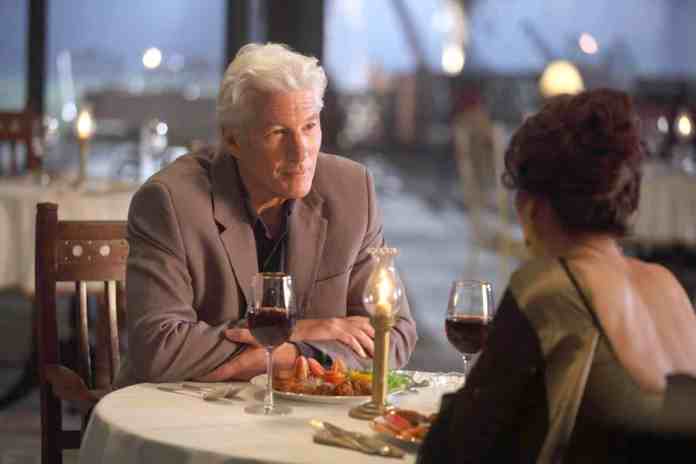
10. Richard Gere – The Lords of Flatbush

Richard Gere, before becoming a major leading man, was to have played The Lords of Flatbush. But animosity between him and Sylvester Stallone came to a head—literally, over a mustard-covered chicken—a fight ensued. The director sided with Stallone; Gere was let go, and Perry King filled the role. Decades later, the two actors still had ill feelings for one another, even having another falling out over Princess Diana.

Image Source: Bing Image. License: All Creative Commons

9. Harvey Keitel – Apocalypse Now

Harvey Keitel first got the part of Captain Willard, but Francis Ford Coppola determined he wasn’t suited to the demanding jungle environment. Coppola said Keitel had a hard time with the jungle, although Keitel, a veteran Marine, refuted the accusations. Martin Sheen filled in, and his foreboding performance—despite having a heart attack during production—became part of the film’s unhinged history.

Image Source: Bing Image. License: All Creative Commons

8. Dennis Hopper – The Truman Show

Dennis Hopper was cast to play Christof, the genius behind Truman’s reality, but he was fired after two days of work for botching lines. Hopper has since stated that producer Scott Rudin and director Peter Weir had told him he could be replaced if it did not work out. Ed Harris played the part and received an Oscar nomination.

Image Source: Bing Image. License: All Creative Commons

7. Eric Stoltz – Back to the Future

Eric Stoltz was originally cast as Marty McFly, but had a dramatic interpretation that conflicted with the film’s more lighthearted tone. Director Robert Zemeckis and screenwriter Bob Gale decided in secret to replace him. Michael J. Fox took over after weeks of shooting, bringing with him the perfect comedic spark instantly. Stoltz has said later that the experience liberated him as an artist, although his leaving caused Melora Hardin to be let go as Jennifer Parker because she was taller than Fox.

Image Source: Bing Image. License: All Creative Commons

6. Ryan Gosling – The Lovely Bones

Ryan Gosling felt his part should be more overweight, so he gained 60 pounds before production. Director Peter Jackson disagreed, and Gosling was let go just days before production started. Mark Wahlberg replaced him, and Gosling has since said he misunderstood the role—bragging that he ended up “fat and jobless.”

Image Source: Bing Image. License: All Creative Commons

5. Stuart Townsend – The Lord of the Rings

Following months of preparation, Stuart Townsend was set to play Aragorn, but Peter Jackson did not think he was youthful enough for the role. Only days from shooting, he was replaced by Viggo Mortensen, 14 years his senior. Mortensen was self-conscious about taking over from Townsend but went on to become the quintessential Aragorn.

Image Source: Bing Image. License: All Creative Commons

4. Megan Fox – Transformers: Dark of the Moon

Megan Fox appeared in the first two Transformers movies, but an interview in which she likened director Michael Bay to Hitler sealed her fate. Producer Steven Spielberg allegedly demanded that she be fired, and she was replaced by Rosie Huntington-Whiteley. Fox later described it as one of the lowest moments of her career, but acknowledged that it was an important learning experience.

Image Source: Bing Image. License: All Creative Commons

3. Julianne Moore – Can You Ever Forgive Me?

Julianne Moore was also set to play Lee Israel, but creative differences with director Nicole Holofcener resulted in her termination. Moore preferred to employ a fat suit and prosthetics, but Holofcener envisioned otherwise. The production was put on hold, only to be resumed later with Melissa McCarthy, whose performance received an Oscar nomination.

Image Source: Bing Image. License: All Creative Commons

2. Sylvester Stallone – Beverly Hills Cop

Sylvester Stallone was to play Axel Foley, but the producers saw that his gritty action persona didn’t suit the comic tone. In came Eddie Murphy, who made a star turn out of the role. Stallone recycled some of his abandoned ideas into Cobra, while Murphy’s Beverly Hills Cop was a box office hit.

Image Source: Bing Image. License: All Creative Commons

1. Kevin Spacey – All the Money in the World

Just weeks from the release of the film, Kevin Spacey was replaced in a scandal. Director Ridley Scott took the gutsy step to re-shoot all of Spacey’s scenes within a month, casting Christopher Plummer as J. Paul Getty. Not only did the movie hit its release date, but Plummer was nominated for an Oscar for the role, illuminating that sometimes last-minute re-shoots are for the best.

Image Source: Bing Image. License: All Creative Commons

From creative conflicts to scandals that shook Hollywood, these dismissals remind us that casting can make or break a film. Sometimes replacements gave classic performances that altered film history for eternity.

13 Horror Classics That Shaped Modern Horror

0
Image Source: Bing Image. License: All Creative Commons

Horror is not merely the jump fright and the creepy mask—horror is a mirror to our darkest terror, our cultural unease, and the things we don’t want to discuss in broad daylight. The genre has expanded, convoluted, and reimagined itself with each blockbuster. Some movies revolutionized with the twist of psychological depth, some just knew how to get under your skin. These are 13 horror movies that scared viewers, but also revolutionized the genre in their own unforgettably unique ways.

Image Source: Bing Image. License: All Creative Commons

13. Smile

Sometimes the most innocent things are the most jarring. Smile takes what could be described as a harmless expression and makes it horrific. The movie creeps up on its terror, relying on psychological terror and surreal imagery that has you on edge the entire time. It’s a reminder that sometimes the horror doesn’t need a monster—the right setting will do.

Image Source: Bing Image. License: All Creative Commons

12. Candyman

Combining folklore with biting social commentary, Candyman is far more than a supernatural tale. It draws on the horror of racial injustice and generational trauma, set in an urban myth that challenges you to call his name. The tragic but terrifying villain of the film lends it emotional depth, raising it beyond a fright-fest to a haunting allegory.

Image Source: Bing Image. License: All Creative Commons

11. The Woman in Black

Soaked in gothic atmosphere and melancholic camerawork, The Woman in Black brings back the vintage horror with its slow-building terror and unnerving quiet. Instead of gore, it excels at suspense, and in that, sometimes what you don’t notice is more terrifying than what you do.

Image Source: Bing Image. License: All Creative Commons

10. A Nightmare on Elm Street

Few bad guys are as legendary as Freddy Krueger. What did Nightmare do that was so iconic wasn’t simply its graphic kills or innovative dreamscapes—it was that you weren’t even safe sleeping. It completely redefined what a slasher had to be, combining surreal terror with a monster who was equal parts frightening and charismatic.

Image Source: Bing Image. License: All Creative Commons

9. Hereditary

This one doesn’t frighten you—it unseats you to the core. Hereditary is a film about grief, family, and the terrors inherited through bloodlines. With its slow-burning dread, jaw-dropping moments, and Toni Collette’s powerhouse performance, it instantly took its place as a contemporary horror classic.

Image Source: Bing Image. License: All Creative Commons

8. Talk to Me

New, brutal, and emotionally unvarnished, Talk to Me is the type of horror movie that stays with you. Taking advantage of its supernatural setting as a lens through which it examines grief and loneliness, its frights become intimate. In a field filled with haunted objects, this film’s cursed hand feels queerly terrifying.

Image Source: Bing Image. License: All Creative Commons

7. Sinister

Creepy home movies and a malevolent presence just beyond the frame—Sinister lives off creating tension. The gritty, analog look paired with an unsettling score gives one an atmosphere of impending doom that lingers. It’s evidence that found-footage cinema still has its scary credentials if executed correctly.

Image Source: Bing Image. License: All Creative Commons

6. The Blair Witch Project

When viral marketing didn’t exist, The Blair Witch Project made everyone question whether or not it was real. Its amateurish aesthetic and improvised acting made the horror seem real. It didn’t require expensive effects—just a forest, a camcorder, and the mind’s eye to frighten a generation.

Image Source: Bing Image. License: All Creative Commons

5. The Descent

Few horror movies convey claustrophobia better than The Descent. A team of women caving in an unmapped cave system finds they’re not alone—and the suspense never relents. It’s an ideal storm of small spaces, primal panic, and unadulterated survival horror that never gives you enough air.

Image Source: Bing Image. License: All Creative Commons

4. The Ring

A spooky videotape that kills you within seven days could be a gimmick, but The Ring made it atmospheric horror. With its faded colors, slow-burning pace, and that incessant final crawl out of the television set, it redefined the remake formula—and made phone calls scary again.

Image Source: Bing Image. License: All Creative Commons

3. The Conjuring

Not every haunted house film holds up, but The Conjuring does. And that’s mostly due to its deliberate pacing and grounded relationship of its leads, the Warrens. Instead of cheap jump scares, it loads up with tension and emotional stakes. The payoff? Straight-up dread.

Image Source: Bing Image. License: All Creative Commons

2. Alien: Romulus

The newest addition to the Alien franchise tones down the shiny CGI and goes back to practical effects and tight, dated horror sensibilities. Fede Álvarez’s direction injects a dirty, cramped feel back into the franchise, reminding us why Xenomorphs are still some of the scariest monsters in film. Love it or hate it, Romulus shows the franchise still has teeth.

Image Source: Bing Image. License: All Creative Commons

1. Barbarian

It’s difficult for a horror movie to catch you off guard—but Barbarian does. What starts as a basic Airbnb bad dream escalates into something wild, unpredictable, and downright disturbing. Its quick wit shift and social subtext make it as intelligent as it is frightening. This one shows that horror still has tricks up its sleeve.

Image Source: Bing Image. License: All Creative Commons

Bonus: The Exorcist

No list of horror is complete without The Exorcist. Years after its release, it remains one of the most intense and influential movies ever produced. It’s slow, realistic take on demonic possession established a blueprint that countless others have emulated—but few have equalled. Not only is it frightening—it’s serious filmmaking.

Image Source: Bing Image. License: All Creative Commons

These movies didn’t merely frighten viewers—they pushed the limits of what horror could be. From rewriting subgenres to impacting decades of copycats, each one staked a claim on horror lore. No matter if you enjoy slow-burning psychological terror or scream-a-minute bloodfests, these films are must-watches for anyone who loves the genre’s consistently brilliant evolution.

10 Short Miniseries You Can Finish in a Weekend

0
Image Source: Bing Image. License: All Creative Commons

Sometimes you’re in the mood to buckle down for a multi-year series with countless twists. Other times, you just want a story that sweeps you up, holds you hostage on the couch, and wraps everything up before Monday morning. That’s where miniseries and limited series come in—they give you all the emotional rushes, surprise twists, and cinematic wonder, without asking for season-long devotion. Whether you’re craving heart-pounding thrillers, offbeat comedies, or moving dramas, these picks are tailor-made for a weekend marathon. Here are 10 standout titles—from recent buzz-makers to modern classics—that are perfect to binge in just a couple of days.

Image Source: Bing Image. License: All Creative Commons

10. Guillermo del Toro’s Cabinet of Curiosities

Horror enthusiasts, feast your eyes. Guillermo del Toro assembles a team of great directors to share spooky, stand-alone stories that are anywhere from gothic ghost stories to queasy-making creature features. It’s as if The Twilight Zone stumbled into a bad dream and returned with stunning cinematography and improved monsters.

Image Source: Bing Image. License: All Creative Commons

9. From Scratch

If you’ve got tissues nearby, prepare to use them. Inspired by Tembi Locke’s memoir, Zoe Saldaña plays Amy, who falls in love with a Sicilian chef and builds a life across two continents—only to face devastating loss. It’s romantic, heartbreaking, and ultimately hopeful.

Image Source: Bing Image. License: All Creative Commons

8. The Fall of the House of Usher

Mike Flanagan brings Edgar Allan Poe’s dark stories to a stylish family horror epic. Bruce Greenwood plays a ruthless CEO whose successors start dying off one by one. Look for creepy poetry allusions, surprise laughs, and Flanagan’s defining scares.

Image Source: Bing Image. License: All Creative Commons

7. Boy Swallows Universe

This gritty crime drama is mixed with coming-of-age tender storytelling in this Australian series. Teen Eli Bell struggles to keep his dysfunctional family together—his mom recovering from addiction, his stepdad selling drugs, and his brother not having spoken in years. Amidst the drama and danger, the show exudes warmth and resilience.

Image Source: Bing Image. License: All Creative Commons

6. Bodies

One killing. Four detectives. Four different eras. In this original science fiction crime thriller, detectives through the ages are drawn into the same intriguing case. Amidst its genre-defying twists, conspiratorial sinister agendas, and creepy imagery, Bodies needs to be read in one sitting.

Image Source: Bing Image. License: All Creative Commons

5. BEEF

Steven Yeun and Ali Wong are electrifying in this incisive dark comedy about two strangers whose road rage encounter leads to obsession. What starts as small-town revenge escalates into a richly human exploration of anger, isolation, and connection—all with laugh-out-loud humor.

Image Source: Bing Image. License: All Creative Commons

4. Baby Reindeer

Richard Gadd’s unsettling, semi-autobiographical series probes obsession, trauma, and blurred lines. Playing himself, Gadd features as a comedian who becomes the victim of an obsessive stalker (Jessica Gunning in a tour-de-force performance). It’s messy, funny, uncomfortable, and unforgettable.

Image Source: Bing Image. License: All Creative Commons

3. Apple Cider Vinegar

Kaitlyn Dever plays Belle Gibson, a wellness influencer who misled the world into believing she’d conquered a terminal sickness using “natural” treatments—when reality was much grayer. This caustic satire explores the cult of internet celebrities and the repercussions when lies meet adoration.

Image Source: Bing Image. License: All Creative Commons

2. Anatomy of a Scandal

From David E. Kelley is a stylish legal thriller examining privilege, politics, and the messy landscape of consent. Rupert Friend stars as an accused politician, joined by Sienna Miller as his loyal wife and Naomi Scott as the accuser. It’s riveting and designed for post-binge watercooler discussions.

Image Source: Bing Image. License: All Creative Commons

1. Adolescence

This British drama does more than tell a tale—it encloses you within it. Across four episodes, which were each filmed in a single, unbroken take, we witness the aftermath of a 13-year-old boy’s suspected murder of a fellow student. Co-created with Stephen Graham, Adolescence is as much about unraveling the human wreckage left in the wake of the crime as it is about solving the crime itself. Tense, intimate, and unforgettable.

Image Source: Bing Image. License: All Creative Commons

So clear your Saturday, stock up on popcorn, and get ready to immerse yourselves in these amazing tales. They may only take a few hours—but they’ll linger long after the end credits.

5 Marvel Movies That Frustrated Even the Biggest Fans

0
Image Source: Bing Image. License: All Creative Commons

Marvel has given fans a truly memorable experience for many years – big events, jaw-dropping revelations, and characters we have grown to like as if they were our family. Nevertheless, they have not been a home run every time. Some of the Marvel movies, even the most devout fanatics, will concede that they were not quite good. A few of these flicks have become fans’ hardest to defend because of their weak stories, awkward pacing, or just over-the-top efforts, and that is why these are five movies of the Marvel universe that they could hardly watch once again, hoping they would get better.

Image Source: Bing Image. License: All Creative Commons

5. Ant-Man and the Wasp: Quantumania

Paul Rudd’s charm has kept the Ant-Man movies going for years, but this third entry felt too far off track. What began as a smart, down-to-earth heist tale abruptly descended into a multiverse mess. Visually, the movie was overpacked and strangely two-dimensional.

Image Source: Bing Image. License: All Creative Commons

The humor didn’t stick like it had previously, and the heart that made the first two films have their special zing was drowned in the quantum slush. The Kang introduction was meant to be a game-changer, but it played more like a narrative detour that did not lead anywhere significant. To a lot of fans, this one was more of a misstep than a must-watch.

Image Source: Bing Image. License: All Creative Commons

4. Captain America: Brave New World

Transferring the Captain America responsibility from Steve Rogers to Sam Wilson was bound to be difficult. Sadly, Brave New World trips over its own feet more often than it takes flight. Anthony Mackie is genuine in his portrayal, but the film itself is caught in the middle of being respectful of the past while also creating something new.

Image Source: Bing Image. License: All Creative Commons

Throw in some quirky casting decisions and special effects that never quite work, and it becomes somewhat of a puzzler. It wants to be deep and serious, but can’t quite keep it together. Though it had flashes of potential, they were frequently bogged down by a clumsy plot and an identity crisis.

Image Source: Bing Image. License: All Creative Commons

3. The Marvels

This one was set up for something big—a team of three heroes, intergalactic landscapes, and the opportunity to shake up the familiar formula. But rather than a new direction, The Marvels became a hodgepodge of ideas that never quite coalesced. Tonally, it jumped all over the place—from quirky sitcom-style gags to grim emotional beats—all within minutes of each other.

Image Source: Bing Image. License: All Creative Commons

The film just felt rushed, like it was trying to check every box without letting anything breathe. Still, Iman Vellani’s portrayal of Kamala Khan was a bright spot, bringing some much-needed heart and energy to the mix.

Image Source: Bing Image. License: All Creative Commons

2. Guardians of the Galaxy Vol. 3

It’s hard to have this one on the list, given how much the first movie won over fans with its humor, heart, and soundtrack. But by the third entry, all that sparkle was gone. Instead of the typical crazy fun, Vol. 3 went full-on tragedy, with Rocket’s dark past leading the way.

Image Source: Bing Image. License: All Creative Commons

It wasn’t that the film didn’t have depth—it was more like tonal whiplash that left fans pining for the colorful chaos and camaraderie the Guardians had built their brand on. As a finale, it didn’t exactly hit the emotional payoffs many were expecting, and the energy that made this crew so endearing was muffled.

Image Source: Bing Image. License: All Creative Commons

1. Iron Man 2

When the MCU was still getting its footing, Iron Man 2 was a much-hyped sequel that ultimately felt. Wrong. Even with a solid cast and Robert Downey Jr. still on fire, the film attempted to accomplish too much too soon. It added new characters, established future plotlines, and built out the world, but in doing so, it sacrificed the clear focus that made the first Iron Man work so well.

Image Source: Bing Image. License: All Creative Commons

The bad guy came across flat, the pacing dragged at times, and the entire movie stumbled to recapture the magic that began it all. It wasn’t a catastrophe, but certainly one of the weaker installments in the series.

Image Source: Bing Image. License: All Creative Commons

Despite these missteps, Marvel’s cinematic history is still something to admire. Every studio has its bad day and cannot always make a fan favorite. Yet as these five movies show us, even superheroes can’t escape the occasional misstep.

The 9 Best Adult Jokes Hidden in Children’s Shows

0
Image Source: Bing Image. License: All Creative Commons

Let’s be honest—cartoons and so-called “kids’ movies” have never really just been for kids. If you’ve ever rewatched an old favorite and suddenly laughed at something that completely flew over your head as a kid, you’ve stumbled onto one of animation’s oldest traditions: slipping in jokes meant for the grown-ups in the room. Sometimes it’s a sink, sometimes shockingly bold—but either way, you can’t “unsee” them once you’ve seen them. Here is a countdown of 9 of the most cheeky adult jokes masquerading as kids’ classics.

Image Source: Bing Image. License: All Creative Commons

9. Shrek – “Overcompensating Much?”

DreamWorks was on to something with Shrek. When our ogre hero lays eyes on Lord Farquaad’s intimidating castle and groans, “Do you think he’s compensating for something?” it’s one of those jokes that completely goes over children’s heads but earns an instant chuckle from adults. Shrek is full of multi-layered jokes like this, but this one stands out.

Image Source: Bing Image. License: All Creative Commons

8. Animaniacs – The Fingerprints Bit

Animaniacs was basically made for adults pretending to watch cartoons with kids. The most infamous prank? Yakko tells Dot to go get fingerprints. She brings back Prince, the musician. When Yakko describes, “No, fingerprints,” Dot responds, “I don’t think so.” Enter one of the best, perfectly incorrect double entendres ever to make it onto Saturday morning TV.

Image Source: Bing Image. License: All Creative Commons

7. SpongeBob SquarePants – “Don’t Drop the Soap”

SpongeBob is always riddled with witty one-liners, but the “don’t drop the soap” joke is a dirty wink. SpongeBob hands two soap bars to Gary and hurries to whisper, “Don’t drop them!” Harmless to kids, hilariously suggestive to everyone else.

Image Source: Bing Image. License: All Creative Commons

6. The Powerpuff Girls – Robin’s Big Reveal

When Bubbles informs their new friend Robin that they were “made by accident,” Robin simply smiles and says, “That’s alright. I was an accident, too.” Kids probably didn’t give it a second thought, but adults surely raised an eyebrow at Cartoon Network getting away with that one.

Image Source: Bing Image. License: All Creative Commons

5. Cow and Chicken – The Infamous Buffalo Gals

Cow and Chicken were used to test boundaries, but the “Buffalo Gals” biker gang episode broke all boundaries. Their action? “Munching carpet.” That’s right—that definition. The episode was swiftly pulled from rerun rotation, but not before it stunned many parents that it aired at all.

Image Source: Bing Image. License: All Creative Commons

4. Rugrats – Grandpa Lou’s Late-Night Viewing

Usually innocent, Rugrats still had its moments. The most memorable? Grandpa Lou rents some movies for the kids, then casually mentions he also got his personal favorite, “Lonely Space Vixens”—but that one’s “just for after you’re in bed.” The delivery made it crystal clear what he was talking about.

Image Source: Bing Image. License: All Creative Commons

3. Looney Tunes – Innuendo Central

Looney Tunes always seemed wholesome on reruns, but in the 1940s, ’50s, and ’60s, when these shorts were produced, they were not for children before movies. They were full of innuendo, dirty humor, and satire way above the kids’ heads. Nowadays, most of those jokes are cut from television, but the originals were not exactly wholesome.

Image Source: Bing Image. License: All Creative Commons

2. Ren & Stimpy – The Rubber Nipple Salesmen

Ren & Stimpy essentially built its popularity on bizarre, grown-up-friendly comedy. Exhibit: the “rubber nipple salesmen” episode, where Ren and Stimpy hawk bizarre products and a walrus character nervously begs, “Call the police.” The whole show is chock-full of cringe-making innuendo, no kid was ever going to wise up to—but adults definitely did.

Image Source: Bing Image. License: All Creative Commons

1. Hey, Arnold! – Helga’s Shrine Confession

Hey Arnold! Tended to balance humor with substance, but Helga’s crush on Arnold went to some surprisingly mature places. One time, she lies in hiding in her closet, composing odes to Arnold and blurting out the line, “Arnold, you make my girlhood tremble.” To children, it was just strange. To adults… let’s say it was unexpectedly daring for Nickelodeon.

Image Source: Bing Image. License: All Creative Commons

So the next time you go back and watch one of these “innocent” programs or films, listen closely. The writers were well aware that children weren’t the only viewers—and they sure did enjoy sneaking a few things under our radar.