Home Blog Page 820

10 Biggest Letdown Movie Sequels

0
Image Source: Bing Image. License: All Creative Commons

Sequels are really tricky. Now and then, they manage to do really well and give us a new episode with the same characters and stories we love. Nevertheless, most of the time, through their existence, they teach us that the same success really can’t be repeated. You are full of great expectations, the opening theme song sounds, and out of the doors you walk, feeling: maybe it would have been better just to watch the first one again. Below is a countdown of 10 movie sequels that made fans leave cinemas with a lot more groans than grins.

Image Source: Bing Image. License: All Creative Commons

10. Cars 2 – Pixar Hits a Speed Bump

Pixar barely misses, just like Cars 2 is a rare case. Instead of the cosy small town of Radiator Springs, we were shown a confusing spy thriller that just shoved Lightning McQueen to one side and overly used Mater’s dumb humor. The raucous action replaced the tender storytelling, and the audience didn’t get it.

Image Source: Bing Image. License: All Creative Commons

9. Shrek the Third – The Fairy Tale Fizzles

It should be said that the first two Shrek movies were parodies winking at the audience with a generous measure of sentiment. The third one, however? The franchise was no longer vibrant. Instead of witty humor, it relied on low-brow jokes of the time, and the plot lost its sting. While the film was still very profitable, fans could see that the magic was fading.

Image Source: Bing Image. License: All Creative Commons

8. The Matrix Revolutions – Lost in the Code

The Matrix was groundbreaking in sci-fi, but with Revolutions, the trilogy was going back to its flaws in full swing. Instead of having smart ideas and cool fights, the audience got a bunch of CGI overkill and a plot that left them more puzzled than satisfied. Neo deserved better.

Image Source: Bing Image. License: All Creative Commons

7. Indiana Jones and the Kingdom of the Crystal Skull – Nuke the Fridge

Nearly twenty years after The Last Crusade, Indy made a comeback, but only to wander through a lackluster alien tale, shoddy CGI, and the infamously fridged scene. The return that should have been spectacular turned instead into a laughingstock.

Image Source: Bing Image. License: All Creative Commons

6. Mortal Kombat: Annihilation – Game Over

The original Mortal Kombat is a cult classic. Its follow-up? A fiasco. Main characters were killed off without any story logic, recasting was done, and ridiculously bad effects made it so that their fate was sealed from the very start. So awful that it took the franchise years to be able to return to the big screen.

Image Source: Bing Image. License: All Creative Commons

5. Percy Jackson & The Olympians – A Lost Opportunity

The books had everything the films were jealous of: mythology, fighting, and super fans. The movies? Absolutely not. With their wild storylines, mediocre effects, and no input from the author Rick Riordan, the films simply disintegrated the original material’s core. So, the reading public was like a bank heist victim.

Image Source: Bing Image. License: All Creative Commons

4. The Godfather: Part III – The Odd One Out

The first two Godfather movies are mind-shatteringly perfect. The third? It is a good film on its own, but when put with its brothers, it is only a letdown. Slow pace and too much reliance on nostalgia made it the accursed of the Corleone family series.

Image Source: Bing Image. License: All Creative Commons

3. Star Wars: The Rise of Skywalker – A Chaotic Sendoff

The end of the Skywalker saga was supposed to be stunning. Instead, it looked like a struggle to plug the holes with fan service instead of proper storytelling. The idea of Palpatine coming back was to bring back the magic of the past, but what it actually did was to make the whole trilogy more glaringly lost.

Image Source: Bing Image. License: All Creative Commons

2. Batman & Robin – Bat-Nipples and Bad Puns

Before the superhero movies took the cinemas by storm, Batman & Robin was the one that almost drowned the whole genre. Costumes you could laugh at, a lot of ice jokes, and a mood that parodied its own origin piece really turned off fans. For a long time, it was the prototype of what not to do with a superhero film.
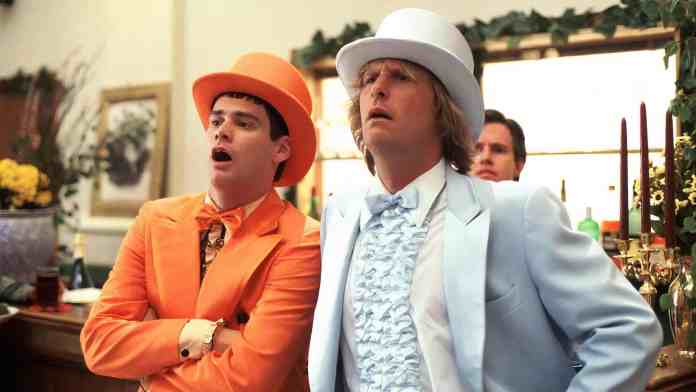
Image Source: Bing Image. License: All Creative Commons

1. Dumb and Dumber To – Comedy That Flopped

Fans waited for twenty years to get the sequel to the first one, and after all that, the joke was on them because they only received recycled humor and tired gags. Instead of cute stupidity from the first one, the second was a painful reminder that some comedies just don’t age well.

Image Source: Bing Image. License: All Creative Commons

Sequels like these are the proof in the pudding that not every storyline is worthy of continuation. Sometimes the finest method of preserving a classic is just to quit while you’re ahead and let it exist on its own.

10 Heartthrobs Who Turned Into Pop Culture’s Bad Boys

0
Image Source: Bing Image. License: All Creative Commons

Let’s be real: pop culture has never been immune to the appeal of the bad boy. From the leather-clad rebel with a scowl to the clean-cut teen heartthrob who suddenly traded innocence for a bad attitude, the allure of the antihero is just too much to resist. But which man really pulled off the image switch from heartthrob to rebel? Here’s a top ten countdown of ten men who turned their image upside down, occasionally to great success, and occasionally to utter anarchy.

Image Source: Bing Image. License: All Creative Commons

10. Mickey Rourke

Mickey Rourke was the quintessential leading man in the 80s, sensitive, handsome, and charismatic in Diner and 9½ Weeks. After leaving Hollywood to become a professional boxer, his appearance altered, and his career slowed. When he returned to acting, he adopted his new, rough-around-the-edges image. Casting in Sin City and The Wrestler cemented his status as a rough, unorthodox antihero.

Image Source: Bing Image. License: All Creative Commons

9. Nick Jonas

The youngest Jonas Brother evolved from a Disney sweetheart to a sultry solo sensation over the course of several years. From R&B-infused hits such as Chains and Jealous, shirtless centerfold spreads, and a brash new stage presence, Jonas dismantled the squeaky-clean boy band persona for something much bolder and edgier.

Image Source: Bing Image. License: All Creative Commons

8. Zac Efron

To Disney enthusiasts, Zac Efron is and forever will be Troy Bolton, the ideal all-American dreamboat. But post-High School Musical, he dived into raunchy comedies (Neighbors, Baywatch) and darker roles, most notably his unsettling portrayal of Ted Bundy. That combination of charm and experimentation showed he was not afraid to muddy his golden-boy persona.

Image Source: Bing Image. License: All Creative Commons

7. Penn Badgley

He was first Dan Humphrey, the nerdy outsider of Gossip Girl. Next was You, in which Badgley took the heartthrob type and turned it on its head with Joe Goldberg, a love interest who also happened to be a stalker and murderer. His portrayal blurred the boundaries and terror and turned him into a compellingly menacing icon.

Image Source: Bing Image. License: All Creative Commons

6. Shia LaBeouf

From goofy Disney child on Even Stevens to blockbuster leading man in Transformers, Shia had the wholesome career path down. But off-screen shenanigans, arrests, brawls, plagiarism charges, and experimental performance art made him Hollywood’s loose cannon. Love him or hate him, his talent and unpredictability made him a classic rebel icon.

Image Source: Bing Image. License: All Creative Commons

5. Johnny Depp

Depp’s breakout on 21 Jump Street turned him into a teenage heartthrob, but he despised the clean-cut persona. He embraced quirk instead, playing off-kilter roles like Edward Scissorhands and subsequently the swaggering Jack Sparrow. Couple that with his chain-smoking, scandals, and wild decisions, and Depp was the epitome of Hollywood’s bad boy wild card.

Image Source: Bing Image. License: All Creative Commons

4. Justin Timberlake

After being the sweet, curly-haired lead of NSYNC, Timberlake reinvented himself with his first solo album, Justified, a smooth R&B album that declared he was more than a boy band member. His messy breakup with Britney Spears and his fearless transition into more sensual material only cemented his flight away from bubblegum pop to mature, self-assured territory.

Image Source: Bing Image. License: All Creative Commons

3. Rob Lowe

In the ’80s, Rob Lowe was the Brat Pack’s pretty boy. But after the charm came scand, a notorious tape, and stories of hard-partying almost torpedoed his career. After rehab and a career makeover, he returned with The West Wing, showing that even bad boys have the ability to transform into mature, respected actors.

Image Source: Bing Image. License: All Creative Commons

2. Brad Pitt

Brad Pitt went from zero to heartthrob status overnight with his unforgettable turn in Thelma & Louise. But he fought against being just a pretty boy, opting for edgier, risk-taking roles like Seven and Fight Club. Behind the scenes, his troubled love affairs and bad-boy tendencies only fueled the legend of Pitt as Hollywood’s bad boy.

Image Source: Bing Image. License: All Creative Commons

1. Justin Bieber

He began as the cute, moppety-haired YouTube kid, but superstardom caught up with Bieber quickly and catastrophically. Run-ins with the law, public breakdowns, and a chaotic personal life redrew him. However, over the years, Bieber poured those demons into music, religion, and unflinching talk about mental illness, proving that even the craziest bad boy can change.

Image Source: Bing Image. License: All Creative Commons

The Bad Boy Today: Fading, But Never Gone

Here’s the shocker: the bad boy is not as ubiquitous in pop culture as he used to be. The brooding rebel is giving way to gentler, more affable archetypes, the so-called “golden retriever boys” and offbeat “rodent boyfriends” who disarm with sweetness rather than destruction. While the bad boy once provided us with unforgettable, complex characters, he also enabled a lot of poisonous behavior.

Image Source: Bing Image. License: All Creative Commons

Pop culture is shifting, with new, diverse voices shaping what it means to be desirable or aspirational. But no matter how tastes change, the bad boy remains a permanent fixture in our collective imagination, always lingering in the shadows, waiting for his next big comeback.

10 Controversial Movie Remakes: Masterpieces to Misfires

0
Image Source: Bing Image. License: All Creative Commons

Remakes are essentially a part of Hollywood’s DNA. Sometimes they’re inspired reimaginings that reinforce why we adored the original in the first place. Other times. Well, they make us question why anyone even bothered. From masterful reinventions to infamous flops, below are ten film remakes that ignited fiery discussions, polarized fans, and made one thing certain: people were buzzing about it.

Image Source: Bing Image. License: All Creative Commons

10. The Thing (1982)

Let’s begin with a high note. John Carpenter’s The Thing didn’t simply remake 1951’s The Thing from Another World; it destroyed it. With breath-taking practical effects by Rob Bottin, unrelenting paranoia, and a career-highlighting performance by Kurt Russell, this remake was a horror classic. Evidence that a reboot can outdo the original.

Image Source: Bing Image. License: All Creative Commons

9. Psycho (1998)

At the opposite end of the spectrum is Gus Van Sant’s Psycho. A shot-for-shot remake of the Hitchcock classic, it left people and critics alike bewildered. With nothing new to bring to the table beyond the inclusion of Vince Vaughn miscast as Norman Bates, most were scratching their heads, wondering, “What was the point?” 

Image Source: Bing Image. License: All Creative Commons

8. The Lion King (2019)

Disney’s “live-action” reimagining of The Lion King (actually, photorealistic CGI) polarized people. Some welcomed its sweeping visuals and discreet narrative changes that plugged holes in the outdated plot. Others were sad to see the characterful animation that made the original so enchanting disappear. Love it or loathe it, no one was left unmoved.

Image Source: Bing Image. License: All Creative Commons

7. Ghostbusters (2016)

Few remakes have caused more internet drama than the female Ghostbusters. Internet outrage was fierce, but many fans appreciated it. Kristin Wiig, Melissa McCarthy, Kate McKinnon, and heck, even Chris Hemsworth’s scene-stealing himbo shtick, made it entertaining for many. But ultimately, this reboot became more about the culture war surrounding it than the film itself.

Image Source: Bing Image. License: All Creative Commons

6. Cinderella (2015)

Not all Disney refreshes fall flat. Kenneth Branagh’s Cinderella added more emotional resonance and history to the fairy tale while still providing that classic ballroom scene in all its stunning beauty. If a remake enhances the soul of the original, it may be able to win over doubters, and this one did.

Image Source: Bing Image. License: All Creative Commons

5. Friday the 13th (2009)

Horror franchises are essentially immortal, and this slasher remake demonstrated that. The 2009 Friday the 13th doubled down on what fans appreciated: Jason Voorhees, machete kills, and buckets of blood. With tighter production and more intensified gore, it remade the cult classic with a shiny new coat of (very red) paint, delighting genre fans.

Image Source: Bing Image. License: All Creative Commons

4. The Karate Kid (2010)

Not all nostalgia reboots pack a punch. The 2010 remake of The Karate Kid replaced Ralph Macchio with Jaden Smith and Pat Morita with Jackie Chan, and although some enjoyed the updated location and Chan’s seriousness, others lacked the underdog spirit of the ’84 original. A remake that fell between respect and regret.

Image Source: Bing Image. License: All Creative Commons

3. The Invisible Man (2020)

This is how you reinvent a classic. Leigh Whannell’s The Invisible Man revamped the 1933 monster story as a frightening one about abuse, trauma, and control. Elisabeth Moss grounded the movie with a hard-hitting, affecting performance, demonstrating that reboots can indeed be relevant and seriously disturbing.

Image Source: Bing Image. License: All Creative Commons

2. Scarface (1983)

Surprised? Many people forget that Brian De Palma’s Scarface was a remake of a 1932 crime drama. But his neon-soaked, cocaine-fueled epic with Al Pacino redefined the gangster genre. It’s so iconic that the original is almost an afterthought. If remakes are judged by impact, this might be the gold standard.

Image Source: Bing Image. License: All Creative Commons

1. The Wicker Man (2006)

And finally, the myth of all awful remakes. Nicolas Cage’s The Wicker Man has become notorious for everything that it should not be rigid acting, strange creative decisions, and, of course, “Not the bees!” It’s so fantastically bad that it’s gained cult status. Occasionally, failure is what makes a remake unforgettable.

Image Source: Bing Image. License: All Creative Commons

At their best, remakes breathe new life into old stories. At their worst, they become memes, or worse, forgettable. But one thing’s for sure: Hollywood isn’t going to stop digging through its own archives anytime soon. And as long as they keep doing it, we’ll have endless debates, eye-rolls, and maybe even a few masterpieces to argue over.

Top 10 Nonbinary & Gender-Fluid Icons

0
Image Source: Bing Image. License: All Creative Commons

The pop culture limelight is finally broadening to mirror a reality individuals have long recognized: gender doesn’t fit into two boxes. Stadium tours to streaming sensations, nonbinary and gender-fluid icons are reimagining the narrative, breaking down stigmas, and empowering devotees worldwide to appear as they are. Here is a top 10 countdown of trendsetters remaking entertainment and fashion, validating that visibility most definitely changes everything.

Image Source: Bing Image. License: All Creative Commons

10. Ruby Rose

Ruby Rose has long been leading the way on gender-fluid representation in Hollywood. Familiar from Orange Is the New Black and for suiting up in Batwoman, Rose has been open about being gender-fluid since she was a child. They’ve shared about working around labels, sometimes being told they weren’t “lesbian enough,” while always demanding the liberty to exist beyond strict categories. Their combination of charm, candor, and fearless roles has made countless fans feel visible.

Image Source: Bing Image. License: All Creative Commons

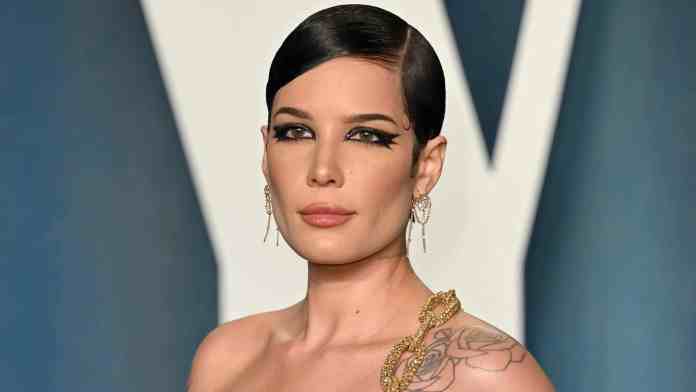
9. Halsey

Singer-songwriter Halsey is not only famous for genre-defying tunes, but he has also been vocal about using both they and she pronouns. As a new parent, Halsey explained that pregnancy intensified his knowledge of gender, making “they” particularly real. By talking openly about it, Halsey has made pronoun fluidity normal for millions of fans who might be questioning or considering their own identities.

Image Source: Bing Image. License: All Creative Commons

8. Liv Hewson

Australian actress Liv Hewson (Santa Clarita Diet, Yellowjackets) has been out as nonbinary in private for a long while, but when she came out publicly, she didn’t mince words. Hewson has pushed back on the way Hollywood recognizes talent, famously declining Emmy consideration because the gendered categories did not represent who they are. Their refusal to compromise has sparked a real conversation about how award shows and institutions can be altered.

Image Source: Bing Image. License: All Creative Commons

7. Janelle Monáe

Actress, singer, and fashion icon Janelle Monáe is an artistic powerhouse and a voice of liberation. Monáe has explained their identity in terms of being outside the binary, possessing all of the energies rather than being tied to one. Identifying as nonbinary publicly cemented their status as a leader in intersectional representation, particularly for Black and queer communities.

Image Source: Bing Image. License: All Creative Commons

6. Emma D’Arcy

As the lead of House of the Dragon, Emma D’Arcy has become a screen sweetheart and red carpet style provocateur. They’ve spoken about the initial pressures to embody femininity to get work, and how being themselves finally unlocked their success. Whether they’re ruling Westeros or appearing in fashion spreads, D’Arcy embodies a new kind of glamour, one that exists outside of gender.

Image Source: Bing Image. License: All Creative Commons

5. Sam Smith

In 2019, Grammy-winning artist Sam Smith came out to the world as nonbinary, describing the experience as one of utter clarity after listening to other human beings discuss similar experiences. Smith once declared, “I am not male or female. I think I float somewhere in between.” That candor has introduced nonbinary conversations to mainstream pop music, giving their artists and their fans a depth of identification.

Image Source: Bing Image. License: All Creative Commons

4. Emma Corrin

Emma Corrin’s performance as Princess Diana in The Crown was career-defining, but it also triggered a personal investigation. Corrin has since described how portraying the complexity of Diana helped them better understand their own nonbinary identity. Switching pronouns in public spaces and speaking calmly but firmly about gender fluidity, Corrin has become an understated but influential role model for viewers finding their own place on the spectrum. 

Image Source: Bing Image. License: All Creative Commons

3. Jonathan Van Ness

Jonathan Van Ness, that bubbly Queer Eye star, introduces nonbinary visibility directly into the living rooms of everyday existence. They have called their gender gender-nonconforming. Occasionally. More feminine, occasionally more masculine, but always unwaveringly them. In the midst of red carpet shenanigans, moving. Moments of advocacy and unshakeable self-confidence, Van Ness has demonstrated.

Image Source: Bing Image. License: All Creative Commons

2. Elliot Page

When Elliot Page came out as trans and nonbinary in 2020, it was a cultural landmark. Page has spoken of the deep relief that comes from being authentically present and the gratitude they feel toward the trans community for having pioneered the path. As a popular actor and outspoken advocate, Page has brought talks about trans and nonbinary representation into mainstream Hollywood in a manner never before witnessed.

Image Source: Bing Image. License: All Creative Commons

1. Bella Ramsey

At just 20 years of age, Bella Ramsey is now amongst the most recognized nonbinary performers in the world today, all due to their performances in The Last of Us. Ramsey has been honest about how their gender is non-binary and that it feels right for them to use “they.” By sharing their struggles and triumphs around pronouns, Ramsey has formed a staggering bond with fans who are living through similar things. Their visibility represents a generation move toward honesty.

Image Source: Bing Image. License: All Creative Commons

From soundtracks to screens, these celebrities are showing that gender is not a script but a playbook of possibilities. Their stories are more than news headlines; they’re maps to a more expressive, inclusive, and playful world where everyone gets to shine on their own terms.

Top 10 Milestones for Black Representation in Film

0
Image Source: Bing Image. License: All Creative Commons

Hollywood has always lived by storytelling, but Black representation’s story has never been simple. Decade after decade, Black actors, directors, and creators had to fight, protest, and pioneer to make room for themselves in an industry that tended to marginalize them. From the silent days to the blockbusters of today, these 10 milestones changed the game to create a world where Black lives are on screen told backwards, from present to past.

Image Source: Bing Image. License: All Creative Commons

10. A New Age – #OscarsSoWhite, Black Panther, and Beyond

In 2015, a hashtag shook the industry. #OscarsSoWhite was more than social media chatter; it confronted Hollywood with its own lack of diversity. The subsequent years saw a tide of Black innovation that turned things around. Jordan Peele’s Get Out revolutionized horror, Barry Jenkins’ Moonlight took home Best Picture, and Marvel’s Black Panther went global. Directors such as Ava DuVernay and Regina King also emerged with fearless, unapologetic visions. The industry has yet to do its work, but the 2010s pried open doors that seemed to be shut.

Image Source: Bing Image. License: All Creative Commons

9. Women Who Redefined the Spotlight

Barriers are one thing, breaking the rules is another. Viola Davis was the first African American actor to claim the prestigious “Triple Crown of Acting” (Oscar, Emmy, Tony). Halle Berry is still the lone Black woman to take home Best Actress at the Oscars. Whoopi Goldberg entered the exclusive EGOT club. And trailblazers such as Cicely Tyson, Angela Bassett, Dorothy Dandridge, and Oprah Winfrey made persistence pay off and empowered each other to achieve massive success. These women not only succeeded but broadened the very definition of success.

Image Source: Bing Image. License: All Creative Commons

8. The L.A. Rebellion and Julie Dash’s Bold Vision

By the 1970s, a cohort of young Black film pros trained at UCLA had had enough of Hollywood’s one-dimensional representations. Called the L.A. Rebellion, they produced movies that centered Black life with truth and craftsmanship. Julie Dash’s Daughters of the Dust (1991) became the first feature directed by an African American woman to be given national distribution. Merging Gullah culture with rich, surreal imagery, it served as a template for later indie directors—and even inspired Beyoncé’s Lemonade.

Image Source: Bing Image. License: All Creative Commons

7. Spike Lee Shakes Up the Industry

Few directors have transformed Hollywood as much as Spike Lee. His initial success, She’s Gotta Have It, paved the way, but movies such as Do the Right Thing, Malcolm X, and BlacKkKlansman solidified his status. Lee did not merely narrate stories—speak truth to power, he bellowed, using the megaphone of film to force America to confront race, justice, and itself. Stylish, provocative, and uncompromisingly original, his films showed that Black film could be both highly politicized and hugely profitable.

Image Source: Bing Image. License: All Creative Commons

6. The Blaxploitation and Black Hero Emergence

The 1970s saw the explosion of swagger with the Blaxploitation movement. Movies such as Melvin Van Peebles’ Sweet Sweetback’s Song and Gordon Parks’ Shaft exposed fans to Black protagonists who were powerful and unapologetic. Although the genre relied on stereotypes from time to time, it turned Hollywood’s tired tropes around and made an indelible mark on music, fashion, and popular culture.

Image Source: Bing Image. License: All Creative Commons

5. Sidney Poitier Breaks Hollywood’s Color Line

Dignified, magnetic, and boundlessly gifted Sidney Poitier was not only an actor but a beacon of possibility. In 1964, he was the first Black man to receive the Academy Award for Best Actor for Lilies of the Field. His performances in Guess Who’s Coming to Dinner and In the Heat of the Night prompted audiences to face racism directly. Poitier paved the way for generations of Black actors by demonstrating that a leading man could be Black as well as bankable.

Image Source: Bing Image. License: All Creative Commons

4. Hattie McDaniel’s Tainted First

In 1940, Hattie McDaniel became the first Black person to win an Academy Award, which she received for playing Mammy in Gone with the Wind. But the victory was painful with contradictions: McDaniel had to sit at a segregated table for the ceremony, and Hollywood kept her and her colleagues trapped in servant roles for decades. Nevertheless, her Oscar was a fissure in the industry’s glass ceiling, albeit a glacially slow path ahead.

Image Source: Bing Image. License: All Creative Commons

3. Oscar Micheaux and the Birth of Black Cinema

As Hollywood produced racist caricatures, Oscar Micheaux was penning his own script. In 1920, he produced Within Our Gates, today the oldest surviving feature by a Black director. His films tackled lynching, migration, and ambition, subjects that mainstream filmmaking wouldn’t dare. Micheaux didn’t just prove that Black stories belonged on the screen; he demonstrated they could prosper independent of the Hollywood system.

Image Source: Bing Image. License: All Creative Commons

2. Madame Sul-Te-Wan, a Trailblazer in Silence

In an era when there were few opportunities, Madame Sul-Te-Wan made room during the silent film period. She was the first Black performer to sign a Hollywood studio contract, acting in films spanning decades, even in D.W. Griffith’s notorious The Birth of a Nation. While roles were sparse, she established a career that extended far into the sound age, opening the way for generations of Black artists to follow.

Image Source: Bing Image. License: All Creative Commons

1. Resistance, Legacy, and What Comes Next

From demonstrations against The Birth of a Nation in 1915 to today’s calls for authentic representation, one thread that has consistently run through Black Hollywood is that of resistance. Each milestone has been won at the cost of struggle, sometimes muted, sometimes blatant, but always striving forward. Keeping that history alive is important because it’s not all about the past. It’s about the stories that are still waiting to be told, and the futures that are still waiting to be forged.

Image Source: Bing Image. License: All Creative Commons

Hollywood habitually markets itself as a dream factory. But these landmarks remind us that the dream was never given away easily; it was fought for. And because of those fights, today’s screen resembles the world outside the cinema. The tale is not complete, but it is one to watch.

Top 10 Inspiring Underdog Sports Films

0
Image Source: Bing Image. License: All Creative Commons

There’s something about an underdog sports film that resonates differently. Whether it’s a ragtag team of misfits, an athlete pursuing a dream against all odds, or a tale that shatters barriers on and off the field, these movies remind us why we cheer for the underdog. They show us that grit, determination, and heart can take you far, and sometimes, that’s what sets you apart. Here are 10 of the greatest underdog sports movies that still inspire us.

Image Source: Bing Image. License: All Creative Commons

10. Bend It Like Beckham

Soccer, friendship, and family intersect in this inspiring British classic. Jessa British Punjabi teenager with some serious talent, aspires to go pro, but her family wants her to pursue tradition rather than goals on the field. With her friend Jules, she breaks through cultural boundaries to fan her passion for the game. With its infectious energy, inspiring message, and classic early-2000s style, Bend It Like Beckham is all about women triumphing in every aspect of sports, family, and life.

Image Source: Bing Image. License: All Creative Commons

9. Hidden Figures

All underdog tales are not about athletics. Hidden Figures tells the story of three talented Black women, Katherine Johnson, Dorothy Vaughan, and Mary Jackson, whose mathematical abilities aided NASA’s successful launch of John Glenn into space. Fighting racism during the 1960s, they showed that brains, guts, and determination could conquer any obstacleTheirrs is a reminder that underdog triumphs take many shapes.

Image Source: Bing Image. License: All Creative Commons

8. Dodgeball: A True Underdog Story

Sometimes the greatest underdog stories are also the most hilarious. Dodgeball features the lovable outcasts of Average Joe’s Gym battling the soulless Globo Gym in a big-time tournament. Okay, it’s a parody full of slapstick humor, but underneath the guffaws is an underdog story about outsiders gaining their strength. Because at our core, we all want to see the Average Joes succeed in a big way.

Image Source: Bing Image. License: All Creative Commons

7. Love & Basketball

This one combines ambition and love with uncommon candor. Monica and Quincy are raised together, both dreaming basketball dreams and coping with love, disappointment, and the challenges of becoming adults. Gina Prince-Bythewood’s film is an equal balance of the sport and the heart, indicating that Monica won’t have to sacrifice either one. It’s a sports romance that remains fresh and revolutionary.

Image Source: Bing Image. License: All Creative Commons

6. Million Dollar Baby

Clint Eastwood’s intense drama is not your average boxing tale. Hilary Swank’s Maggie is a waitress with nothing but drive and a dream. Under the gruff tutelage of Frankie Dunn, she climbs the ranks before life hands her a heart-wrenching blow. Richer than a sports film, Million Dollar Baby is a journey of determination, love, and the ties that bind us.

Image Source: Bing Image. License: All Creative Commons

5. Remember the Titans

Based in 1971, Virginia, this is a true story about an integrated high school football team under the coaching of Coach Boone (Denzel Washington). It’s filled with sports-movie clichés, motivational speeches, heart-stopping games, and a suspenseful climax, but it’s really a movie about coming together and overcoming divisions. The Titans’ odyssey teaches us that sports can unite people in ways that transcend the score. 

Image Source: Bing Image. License: All Creative Commons

4. Hoosiers

The gold standard of basketball underdog movies, Hoosiers is a true story about a small-town Indiana squad that upends everyone by winning the state championship. Led by Gene Hackman as their blemished but fierce coach, the movie captures both the essence of the game and the pride of the town. You’ll be holding your breath during the last few minutes and then cheering.

Image Source: Bing Image. License: All Creative Commons

3. Miracle

The 1980 American hockey team’s victory over the Soviet superpower wasn’t merely a game; it was history. Miracle captures the grit, politics, and sheer improbability of that triumph. Kurt Russell as Coach Herb Brooks demonstrates what it takes to believe in the impossible. This movie is an inspiring reminder that sometimes miracles do come true.

Image Source: Bing Image. License: All Creative Commons

2. The Karate Kid

Few underdog stories are as ageless as Daniel LaRusso’s. New kid in town and mercilessly bullied, he gets help from an unlikely hero in Mr. Miyagi, who instructs him in discipline, respect, and self-defense, literally. With its iconic training montages and happy ending, The Karate Kid is a timeless classic that still inspires a new generation.

Image Source: Bing Image. License: All Creative Commons

1. Rocky

No roster of underdog sports films is possible without Rocky. Sylvester Stallone’s classic story of a working-class boxer who receives a shot at the heavyweight championship established the blueprint for all “rags-to-riches” sports narratives that followed. But deep down, it’s never about winning; it’s about showing you belong. With its memorable training montage and iconic soundtrack, Rocky is the greatest underdog anthem.

Image Source: Bing Image. License: All Creative Commons

At the heart of every great underdog sports movie is a simple truth: it’s not just about the win. It’s about resilience, hope, and the belief that even when the odds are stacked against you, anything is possible. That’s why these stories stick with us because deep down, we’re all rooting for the underdog.

Top 10 Actors Who Bounced Back

0
Image Source: Bing Image. License: All Creative Commons

If Hollywood’s got one favorite thing next to a blockbuster sequel, it’s a comeback story. Behind the glamour and the tabloids are painful struggles, rejection, rock bottoms, and times when quitting looked like the easy way out. But some of these stars persevered, battled back, and transformed missteps into iconic careers. Here are 10 of Hollywood’s greatest comeback stories.

Image Source: Bing Image. License: All Creative Commons

10. Hedy Lamarr – From Glamour to Groundbreaking

Billed “the most beautiful woman in the world,” Hedy Lamarr was more than a Hollywood movie star; she was a sheer genius inventor. Having escaped an abusive marriage in Austria, she reinvented herself in Hollywood while secretly co-inventing a frequency-hopping technology in World War II. The military dismissed it, but decades after its creation, her invention formed the basis of Wi-Fi, Bluetooth, and GPS. Lamarr’s real legacy wasn’t on screen; it’s in the devices we all use daily.

Image Source: Bing Image. License: All Creative Commons

9. Millie Bobby Brown – From Rejection to Breakout Star

Before Stranger Things, Millie Bobby Brown experienced rejection upon rejection, including an audition for Game of Thrones that came close to making her abandon acting altogether. Just as she was ready to leave, she was cast as Eleven, a role that catapulted her from relative unknown to international superstar. Sometimes, that final attempt at something makes all the difference.

Image Source: Bing Image. License: All Creative Commons

8. John Krasinski – From Quitting to Jim Halpert

Decades of rejection prepared John Krasinski to give up. He even phoned his mom, telling her he was quitting. She persuaded him to hold on for just a little longer, and three weeks later, he landed the role of Jim on The Office. That gig only kick-started his career; it made him one of TV’s favorite everymen.

Image Source: Bing Image. License: All Creative Commons

7. Laverne Cox – Breaking Down Barriers

Laverne Cox was broke, struggling, and thinking of quitting acting before Orange Is the New Black. But she kept at it, and when she landed the part of Sophia Burset, she became the first openly transgender actor nominated for a Primetime Emmy. Her journey wasn’t a personal resurrection; it was making history.

Image Source: Bing Image. License: All Creative Commons

6. Jon Hamm – Beating His Own Deadline

At 25, Jon Hamm set himself five years to “make it” in Hollywood or quit. He got by waiting tables and teaching until, on his 30th birthday, he played his first film role. Success didn’t happen overnight, but at 3,7 he became Don Draper in Mad Men, one of television’s most famous roles. Hamm’s tale attests to the fact that timing truly is everything.

Image Source: Bing Image. License: All Creative Commons

5. Melissa McCarthy – Making It Just in Time

Melissa McCarthy gave herself the same timeline: if she was not making a living as an actor by 30, she’d leave it all behind. With only a few days until her birthday, she landed Gilmore Girls. Playing Sookie not only provided her with consistent employment for seven years, but it also catapulted her to the comedy force she is today.

Image Source: Bing Image. License: All Creative Commons

4. Sylvester Stallone – From Rock Bottom to Rocky

Before Rocky, Stallone was homeless and penniless, even sleeping in a bus terminal. Refusing to quit, he went through rejection after rejection until finally obtaining a minor role in The Lords of Flatbush. Along came the script he wouldn’t sell unless he was allowed to play it Rocky. That risk made him an icon.

Image Source: Bing Image. License: All Creative Commons

3. Samuel L. Jackson – The Breakthrough After 40

Today, Samuel L. Jackson is one of Hollywood’s highest-grossing stars. But his big break didn’t arrive until his 40s. After years of small roles, his performance in Spike Lee’s Jungle Fever at 42, and later Pulp Fiction at 45, made him impossible to ignore. Proof that it’s never too late to make it big.

Image Source: Bing Image. License: All Creative Commons

2. Halle Berry – From Homeless Shelter to Hollywood Royalty

Long before winning her Oscar, Halle Berry slept in a homeless shelter while attempting to enter the business. She fought her way up through acting and modeling jobs, ultimately becoming the first African American woman to win an Oscar for Best Actress. Her tale is one of determination, perseverance, and unwavering faith in herself.

Image Source: Bing Image. License: All Creative Commons

1. Robert Downey Jr. – Iron Man’s Resurrection

Few comebacks are as dramatic as Robert Downey Jr.’s. Following decades of drug addiction, run-ins with the law, plus failed efforts at recovery, he was “uninsurable” in Hollywood. But thanks to grit and determination, he rebuilt his life, and in 2008, Marvel took a chance on him as Tony Stark. The rest is history. Downey’s comeback is more than a career resurgence; it’s a tale of redemption.

Image Source: Bing Image. License: All Creative Commons

Hollywood shines with stardom, but it’s the determination behind the glitz that makes these celebrities immortal. Each resurrection is evidence that no matter the odds against you, it’s possible to get up, rebuild, and reimagine your history.

Top 10 Onscreen Chemistry Moments

0
Image Source: Bing Image. License: All Creative Commons

Watching two actors really connect on screen is almost like seeing magic happen. That enchantment, that indeterminable charm, can turn a brilliant scene into something that stays with you forever, be it that it makes you laugh, cry, or melt. But what, in fact, causes that type of connection? Is it just a matter of chance, or is there some secret sauce behind those legendary pairs? Get comfortable (and perhaps some tissues), as we are listing down 10 of the most electric on-screen chemistry moments in film and TV and analyzing what makes them so powerful.

Image Source: Bing Image. License: All Creative Commons

10. Kerry Washington and Tony Goldwyn – Scandal

Olivia and Fitz passed “prohibited love.” Each time they appeared jointly on screen, an intense storm of craving and heartbreak was at hand, whereby their chemistry was so explosive that it almost gave off the tiniest spark. Needless to say, viewers were addicted to every twist of their messy, addictive love affair.

Image Source: Bing Image. License: All Creative Commons

9. Zooey Deschanel and Jake Johnson – New Girl

Jess and Nick are slow-burning and perfect. From sarcastic banter to those cute little moments, their chemistry was just plain natural. The spark was so strong at the beginning that the writers actually decided to keep them apart for a little while; otherwise, their dynamic would have completely ruled the show. That is real chemistry that cannot be faked.

Image Source: Bing Image. License: All Creative Commons

8. Simone Ashley and Jonathan Bailey – Bridgerton

Kate and Anthony gave us one of the hottest enemies-to-lovers tropes in recent memory. Every glare, every almost-kiss, every furtive glance was loaded with tension. Simone Ashley and Jonathan Bailey didn’t just act the trope; they embodied it as electricity. Regency-era romance has never been hotter.

Image Source: Bing Image. License: All Creative Commons

7. Daisy Edgar-Jones and Paul Mescal – Normal People

Some performances are so natural that it’s akin to watching real people fall in love. That’s what Marianne and Connell were, as played by Daisy Edgar-Jones and Paul Mescal. Their unbridled emotion and vulnerability made the relationship feel truly heartbreaking, and that is why their chemistry continues to be debated today.

Image Source: Bing Image. License: All Creative Commons

6. Ambika Mod and Leo Woodall – One Day

Emma and Dexter’s story of the last 60 years was all about timing, missed opportunities, and long-term friendship. Ambika Mod and Leo Woodall, with their portrayal, not only showed the journey of two characters from best friends to soulmates but also their unchanged, effortless, lived-in rapport. Their love was quiet but effective, like seeing love catching someone by surprise.

Image Source: Bing Image. License: All Creative Commons

5. Lauren Graham and Scott Patterson – Gilmore Girls

Seven seasons. Seven years of fans hoping for Lorelai and Luke to finally come to terms. Their exchange of sharp quips, mutual understanding, and undeniable chemistry were the trademarks of the best slow-burning couples in TV history. When they finally kissed, it wasn’t a mark of plot development but more like fate.

Image Source: Bing Image. License: All Creative Commons

4. Caitriona Balfe and Sam Heughan – Outlander

Claire and Jamie are not only among the greatest love stories on TV, they are a phenomenon. Right from their first shared scenes, Caitriona Balfe and Sam Heughan gave out an electrifying, immediate connection that stayed with them through every fight, every kiss, and every heartbreak. Even the fans have released their old original audition tape because of the cast’s chemistry, which is so real.

Image Source: Bing Image. License: All Creative Commons

3. Lana Condor and Noah Centineo – To All the Doors I’ve Loved Before

Teen rom-coms are typically lame and unrealistic, but Lara Jean and Peter were not just another couple. Lana Condor and Noah Centineo brought in the perfect mixture of sweetness, awkwardness, and butterflies of first love. They had a great chemistry that the whole “fake relationship turns real” became one of the most cliché yet the most completely believable and swoon-worthy ones.

Image Source: Bing Image. License: All Creative Commons

2. Tom Holland and Zendaya – Spider-Man

Peters and MJ are not the usual superhero pair, but Tom Holland and Zendaya made them lovable. Their witty banter, silent love, and natural grooving gave the Spider-Man movies a soul. Knowing about not only their friendship off-screen but also their love relationship just made things more romantic.

Image Source: Bing Image. License: All Creative Commons

1. Leonardo DiCaprio and Kate Winslet – Titanic

Jack and Rose are the benchmark for the best screen chemistry. What made it so extraordinary? They were not only colleagues but also good friends in real life, and that closeness gave their performances a touch of reality that is still perceived by the audience even years after the filming. Their love story still remains unforgettable, a clear sign that if actors manage to achieve a certain level of truth in their performances, the reward can be everlasting.

Image Source: Bing Image. License: All Creative Commons

The Secret Ingredient: How Chemistry Happens

So, what is the secret of their magic? It is not luck, as it is commonly assumed. The actors learn to have one by working together off-stage, doing trust-building activities, improvising, and simply by familiarizing each other’s moods. Directors have a major role in creating a very accommodating environment for the openness and also in the delivery of shy and genuine performers. The euphoria may sometimes occur in the actual world. One has a look at the real-life kinship between Kit Harington and Rose Leslie, who got married courtesy of the interactive feedback of their respective Game of Thrones characters.

Image Source: Bing Image. License: All Creative Commons

Beyond Romance: Why Chemistry is Important Everywhere

Chemistry is not limited to romances only. The most compelling screen rivalries, friendships, and family relationships all have the same intuitive chemistry in common. For instance, Zach Braff and Donald Faison’s pretentiousness of their brothers in Scrubs, or the Game of Thrones cast’s mutual tea, none of it would make sense if it weren’t for the foundation of true and fair interaction. At the end of the day, characters can go from being forgettable to genuinely memorable thanks to phenomenal chemistry. It happens not to be acting; it is a barely perceptible spark of which one cannot be completely sure. Such moments are pure storytelling magic when truly felt.

9 Shocking Adult Jokes in Disney Movies

0
Image Source: Bing Image. License: All Creative Commons

Disney movies are marketed as family-friendly fun; however, if you have ever watched your childhood favorites again as an adult, you know that some moments make you raise an eyebrow when viewed through grown-up eyes. A sly pun, a cheeky visual gag, or even an innuendo, Disney characters’ animators and writers have been doing it for years without getting caught. These are nine of the most shocking adult jokes that Disney managed to sneak past us kids, counting down from “smart nod” to “how did they ever get away with this?”

Image Source: Bing Image. License: All Creative Commons

9. Judy ‘Multiplying’ Joke – Zootopia

In the scene, which is, of course, the most important part of the story, Judy Hopps is trying to persuade Nick. She downplays herself as “just a dumb bunny,” but at the same time implies that her kind is “good at multiplying.” The math pun will most likely be caught by little children; however, adults will know exactly what she is getting at, rabbits’ reputation for. Multiplying in another sense.

Image Source: Bing Image. License: All Creative Commons

8. Mushu’ Peeping Powers – Mulan

Mushu is small; however, he always has a big mouth. He reached one point only to say that he can see through Mulan’s armor. Her quick reply? She protected her chest and slapped him. The dragon was never given X-ray vision, yet the adult humor can be seen quite clearly.

Image Source: Bing Image. License: All Creative Commons

7. The Hidden Brothel – Aladdin

During the chase of “One Jump Ahead,” Aladdin confuses a room for one of the ladies and an older one very disapproving lady. The shot implies a brothel, and the older woman is the madam of the place. In the meantime, the children are chuckling at the turmoil, whereas the grown-ups are quite sure what is happening.

Image Source: Bing Image. License: All Creative Commons

6. Kronk’s Tiny Tent – The Emperor’s New Groove

One of the places where Kronk excels is in the way he mistakenly utters double meanings. The contrast between Kronk, who has a tent that is so small that it covers only his groin, and Yzma, who has a beautiful tent, is made to show that the phrase “camping” is a pun, and from now on, you can not stop seeing it.

Image Source: Bing Image. License: All Creative Commons

5. Anna on Foot Size – Frozen

While Anna was indulging Hans, Kristoff was questioning her. He would like to know Hans’s shoe size, and Anna, with no hesitation, says, “Foot size doesn’t matter.” A line that is safe for children, however, adults notice the humorous reference to an old myth regarding feet and other measurements.

Image Source: Bing Image. License: All Creative Commons

4. Buzz Lightyear Gets Excited – Toy Story 2

 While Jessie shows off her death-defying tricks, Buzz’wings activate with a pop and a buzzing sound. It is an old cartoon method of depicting “arousal,” and kids might only laugh at the timing, but adults see it immediately.

Image Source: Bing Image. License: All Creative Commons

3. Yzma’s Skirt Surprise – The Emperor’s New Groove

Yzma, in a dramatic manner, lifted her skirt to reveal a “secret weapon.” At first, Kuzco and Pacha are horrified, but she lets them see that it is a dagger that is tied to her leg. The joke is on what the characters (and we) most likely think to find vs. what is actually shown.

Image Source: Bing Image. License: All Creative Commons

2. Hercules Drops an Oedipus Joke – Hercules

Disney didn’t make the Greek myths into a really family-friendly version, but they still referred to them cleverly. On a date, Hercules said, “Moreover, the Oedipus thing? Man, I thought I had problems.” Children only get the strange name; adults immediately catch the reference to the really dark story of Oedipus killing his dad and marrying his mom.

Image Source: Bing Image. License: All Creative Commons

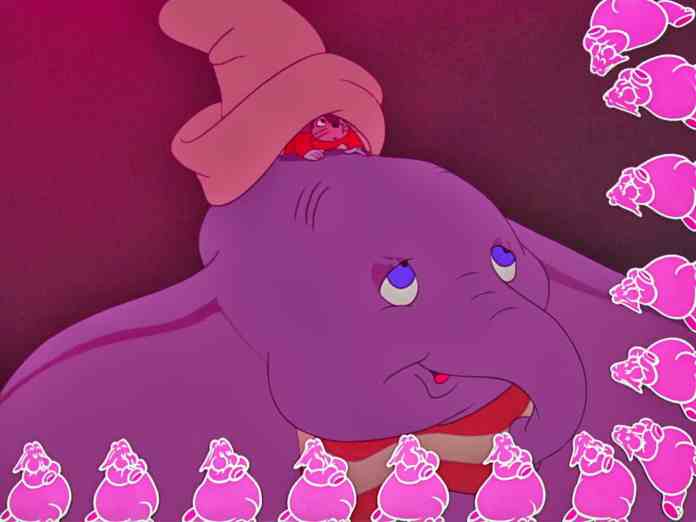
1. Dumbo’s Boozy Hallucinations – Dumbo

That odd “Pink Elephants on Parade” sequence? That wasn’t Disney being weird by any means. Dumbo and Timothy Mouse are quite plastered after having champagne, and their psychedelic visions are a nod to the euphemism “seeing pink elephants,” that nice way of saying tipsy hallucinations.

Image Source: Bing Image. License: All Creative Commons

Disney’s clean family entertainment might be the public face you recognize, but these behind-the-scenes gags are evidence that the artists always managed to sneak a bit of something into the productions for the grown-ups in the audience. Watch one of these again sometime, and watch your eyes and ears; you might just find a whole new depth of jokes you didn’t catch as a kid.

ATACMS in Action: Changing Ukraine’s Battlefield with Russia

0
Image Source: Bing Image. License: All Creative Commons

Long-range, precision-guided missiles of such nature give Kyiv the power to hit targets that are far away from the fighting. These missiles are not only capable of breaking through the areas under occupation, but also, for the very first time, they are reaching far inside Russia to hit the locations of the Russian military.

Image Source: Bing Image. License: All Creative Commons

The U.S. saying yes to hit Russian land was a big shift in plans. In many past fights, U.S. leaders did not pick this path. They were scared that these strikes could make things blow up into bigger risks.

Image Source: Bing Image. License: All Creative Commons

That equation changed after news emerged of North Korean soldiers fighting in conjunction with Russian forces in the Kursk province and amid increasing doubt regarding whether future American political power would continue to provide military support to Kyiv. As the BBC reported, the move was widely seen as aimed at bolstering Ukraine’s position before any potential shift in US policy.

Image Source: Bing Image. License: All Creative Commons

Ukraine did not delay in testing its new range. Its initial confirmed ATACMS attack within Russia struck a missile storage facility near Karachev in the Bryansk province—about 70 miles from the border. The explosion obliterated huge caches of artillery shells, anti-aircraft missiles, and other ordnance, with drones said to have assisted the mission. Russia said most of the missiles were shot down, but video evidence indicated the facility took serious damage.
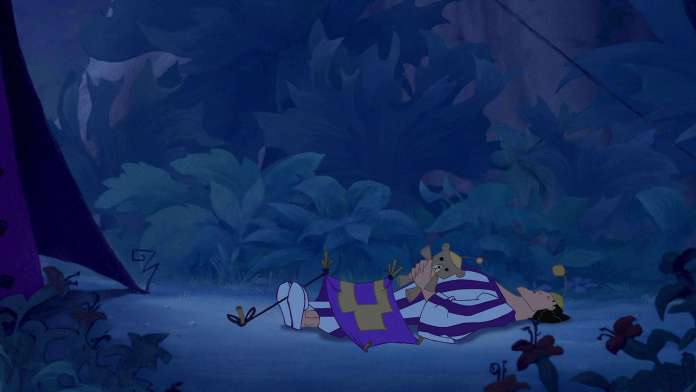
Image Source: Bing Image. License: All Creative Commons

The attacks didn’t end there. Ukrainian troops subsequently struck Russian military targets in the Kursk region, including a battalion of S-400 surface-to-air missiles around Lotarevka—Russia’s most sophisticated air defense system and its response to the U.S. Patriot.

Image Source: Bing Image. License: All Creative Commons

The Russian Defense Ministry acknowledged that two out of five incoming missiles penetrated the defenses, destroying a radar and causing casualties. Another attack was made on the Khalino air base, although Moscow played down the extent of the damage. For the Kremlin to publicly acknowledge any losses at all is unusual—and telling.

Image Source: Bing Image. License: All Creative Commons

In Crimea, ATACMS have been equally disconcerting. A minimum of ten were employed to strike S-300 and S-400 sites throughout the peninsula, destroying or knocking out systems and killing operators. Independent satellite imagery verified the damage, including at the strategically significant node of Dzhankoy. The strikes compelled Russia to relocate its air defenses further from the front line, making it more difficult to resupply them and leaving some less defended.

Image Source: Bing Image. License: All Creative Commons

Russia’s reply has been both verbal and artillery. On the ground, it has heightened missile and drone strikes against Ukrainian cities, targeting energy infrastructure—a campaign Amnesty International has dubbed a war crime for deliberately targeting civilian essentials.

Image Source: Bing Image. License: All Creative Commons

Politically, the Kremlin has cranked up its nuclear threats. Spokesman Dmitry Peskov cautioned that NATO-supplied missile attacks on Russian soil might qualify under Moscow’s new doctrine as nuclear retaliation targets, which now include attacks by non-nuclear nations supported by nuclear powers.

Image Source: Bing Image. License: All Creative Commons

Strategically, ATACMS have disrupted Russia’s feeling of security. With a range of 300 kilometers, they place once “safe” targets—airfields, command centers, supply depots—firmly within reach. This has caused Moscow to spread equipment, push aircraft further into its own country, and increase air defenses. For Ukraine, the payoff on the battlefield is obvious: interdicting logistics, weakening defenses, and boosting morale at a time when combat in the east is particularly fierce.

Image Source: Bing Image. License: All Creative Commons

Nevertheless, Western analysts warn against hyping the missiles’ effect too much. Ukraine’s ATACMS supply is limited, and Russia is already reshaping its tactics. The missiles will not determine the war by themselves, and U.S. political shifts can restrict future shipments.

Image Source: Bing Image. License: All Creative Commons

However, the use of these has changed the boundaries of the conflict. By showcasing the power of one shot long-range missile in tactical warfare, the United States military altered not only the strategy but also the whole risk assessment and the degree of chaos that could be expected from the already highly volatile war.

More related images you may be interested in:

Image Source: Bing Image. License: All Creative Commons