Home Blog Page 802

Ukraine vs. Russia: The Drone Warfare Shift

0
Image Source: Bing Image. License: All Creative Commons

What started as the Russia-Ukraine conflict has not only gone beyond initial battles but also become a landmark for the extensive use of unmanned systems in the 21st-century wars. Drones changed everything from the very beginning. The technology battle that has gone through the roof since both sides started to roll out their drones has shifted the war from aerial control to one of smart and cutting-edge warfare, where most of the fighting has been on the ground by unmanned vehicles. In this race for better weapons, Kyiv has managed to turn drones, which were meant for leisure, into war instruments and use them to strike the enemy’s vulnerable points.

Image Source: Bing Image. License: All Creative Commons

At the beginning, larger aerial vehicles such as the Turkish TB2 Bayraktar were used by Ukraine to oversee the target area and carry out accurate hits. The drones of that type were the weapon of choice for the initial stages.

Image Source: Bing Image. License: All Creative Commons

However, in case the enemy had upgraded its air defense and electronic warfare systems, the TB2s would become vulnerable and would be shot down easily. The reaction of the Ukrainian side was prompt – they decided to stop depending on some large drones and instead fill the battlefield with thousands of less expensive and smaller ones, which were frequently off-the-shelf models that had been modified for military use.

Image Source: Bing Image. License: All Creative Commons

Many of these uninhibited drones, whose funding came even from grassroots initiatives, were equipped with either makeshift explosives or with the cameras that could be used for live reconnaissance. The FPV (First-Person View) drones that were originally designed for racing and filming have been re-purposed to give Ukrainian operators the ability to accurately direct the drones right into the targets, and the cost of the munitions used is just a fraction of the conventional ones. On the other hand, domestic production soared with the number of local factories growing from five to more than eighty within one year.

Image Source: Bing Image. License: All Creative Commons

The consequence was nothing short of a bombshell. The airbases and energy installations of the Russian Federation were the objects of the deep strikes carried out by Ukraine in 2025. It is reported that a drone attack staged from forward positions has not only annihilated numerous aircraft on the ground but also damaged to the tune of billions of dollars the facilities targeted by the enemy. The strikes were not only a win in military terms for Ukraine, they also demonstrated the country’s ability to go beyond the limits of technology and to reach the opponent’s very core.

Image Source: Bing Image. License: All Creative Commons

The list of targets had extended beyond the army bases. In addition to refineries, supply depots and defense factories were also among the recipients of drone attacks. These activities hampered logistics, uncovered vulnerabilities, and contributed to the wearing down of the feeling of being safe in Russia. Besides, the psychological blow was as devastating as the physical one; however, instead of re-establishing trust in Moscow’s defensive capabilities, they doubt it when it comes to the protection of their own territories.

Image Source: Bing Image. License: All Creative Commons

While this is the case, Russia is not passive either and has carried out counterattacks by means of missile strikes and invested a lot in drone research. The number and intensity of long-range attacks on Ukrainian infrastructure have grown considerably during recent months. In addition, new factories have been set up to facilitate the increased production of drones by the thousands. Russia’s defense industry is in trouble, though, as it continues to be dependent heavily on foreign component supplies and makes use of less-than-perfect designs.

Image Source: Bing Image. License: All Creative Commons

The struggle between drones and air defense systems is what defines the conflict at the moment. Both sides are utilizing the same measures, i.e., missile interceptors, artillery, and jamming; however, the drone swarm, being small and agile, is almost impossible to halt. Besides, they are testing new methods like jamming, spoofing, and the use of directed energy that keep them fiercely engaged in the conflict of constant change and adjustment.

Image Source: Bing Image. License: All Creative Commons

In addition, the fact that drones are low in cost as compared to expensive missiles or anti-air systems is one of the most compelling reasons behind their being extremely disruptive, and militias are thus compelled to rethink their traditional strategies.

Image Source: Bing Image. License: All Creative Commons

The scope of the consequences is far beyond the war. The ability of Ukraine to raise funds from the public, quickly come up with an innovative solution, and deploy drones on a large scale exemplifies how technology can neutralize the adverse effects of manpower and equipment. It is revealed, through the conflict, that being victorious in tomorrow’s battlefields will rely on deploying drones, being flexible, nd seamless integration of unmanned systems into broader strategy.

Image Source: Bing Image. License: All Creative Commons

The bottom line is that technology keeps changing combat rules. What Ukraine has proven is that even if a maverick faces a stronger and heavily armed opponent, innovation can bring the scales down. Nlongerre, a theoretical possibility of the drone era, the war in which drone warfare is already playing a pivotal role has come to stay, and its sway will be felt on future wars for years to come.

B-21 Raider: Transforming the Future of Air Combat

0
Image Source: Bing Image. License: All Creative Commons

First of all, if the B-2 Spirit was in the past regarded as a mere glimpse of the future, the B-21 Raider is proving to be such a thing that even that would be considered an old-fashioned one. The new bomber from the Air Force is not doing what we have always expected, that is, it is not only replacing the old fleet but also surpassing the stealth limits, extending the range of striking capabilities, and increasing its survivability to new heights. In other words, the B-21 is not just another piece of hardware; it is the future of aerial warfare and a clear indication of the extreme measures that countries are taking – and still doing – to get an advantage in the skies.

Image Source: Bing Image. License: All Creative Commons

The arrival of the Raider marks the shift that has occurred from the ability to control contested airspace as the sole advantage to becoming a necessity to have. The B-21 was conceived at Northrop Grumman. Full production is still a distant stage for the B-21, but the expectations are sky-high already. The task is very clear: bring the B-2’s main features to a level that goes beyond.

Image Source: Bing Image. License: All Creative Commons

The way the B-2 did its stealth work was very different from any other aircraft and was a game-changer of its very own time. What the B-21 is now doing is going to redefine the rules in this new era of faster missiles, more intelligent detection systems, and ever more complex threats.

Image Source: Bing Image. License: All Creative Commons

One can recognize the Raider’s leap by drawing a parallel with its predecessor. The B-2 Spirit, which came into being in the early 90s, was an extraordinarily innovative flying wing that was at times nearly invisible to radar, could carry out both nuclear and conventional bombings, and if refueled in flight could last for more than 30 hours. It was the very apex of technology of its time.

Image Source: Bing Image. License: All Creative Commons

However, the B-2 was not without its problems. The airplane was priced at about $2 billion each; hence, the fleet was limited to only 21 of them. Though it was a very successful operation-wise, it still was a giant that, at the same time, was grappling with problems such as inefficiency, high maintenance costs, and even finances that were basically the theme behind its whole existence.

Image Source: Bing Image. License: All Creative Commons

The B-21 is built to directly deal with these problems. The use of stealth coatings, the innovative materials, and the aerodynamic refinements of the aircraft have led to it lowering its radar signature to a greater extent. Although some specific technical details are still classified, experts think the range of the aircraft, that is, 6,900 miles, is a benchmark that it can either meet or exceed. Moreover, the smaller size of the aircraft also allows it to be better protected and thus facilitate missions in the area with the most airplane traffic.

Image Source: Bing Image. License: All Creative Commons

The aircraft is designed primarily for flexibility. The B-21 uses a modular approach, thus it can have new sensors and weapons added to it with coming technological developments, be it hypersonic missiles or an electronic warfare system. It is more than just a bomber for today; it is a framework that has been designed to be updated for many years to follow.

Image Source: Bing Image. License: All Creative Commons

The aspect of cost has also been a subject of attention during the making of this aircraft. In case the B-2 was quite expensive and not very budget-friendly, the B-21’s costs are projected to be $700 million per aircraft, thus still quite pricey but more sustainable in the long run. According to the Air Force, the minimum number of aircraft to be purchased is 100, and the maximum can reach 145, with the total cost of the program being over $200 billion.

Image Source: Bing Image. License: All Creative Commons

The skeptics argue that it is very expensive, but the supporters argue that the B-21 has every characteristic that makes the most out of the money spent on it. Among them, the B-21 indicates the attainment of world domination, being accessible to the U.S. at any time, even in situations of well-protected targets. Moreover, the design characteristics of the aircraft are the result of decades of convergence among various programs led by DARPA, the Air Force Research Lab, and numerous others that have been involved in stealth and advanced materials research.

Image Source: Bing Image. License: All Creative Commons

The situation is really high-stakes. The enemies who try to escape the vigilance of the B-21 team are consistently communicating the positions where the activities of stealth aircraft might be. The team is, therefore, very careful about past vulnerabilities like the F-117 shootdown. The Raider is an instrument for the U.S. to convince itself that it can safely enter hostile airspace and accomplish its mission without any harm.

Image Source: Bing Image. License: All Creative Commons

If we look at the B-21 in a broader context, it is both a sort of extremely conservative choice and a step into the unknown, as expensive nonsense insurance that allows U.S. bombers to become less visible when they really have to be. It will, as always, be either a historical aviation milestone or a defense budget lesson; still, what is undeniable is the fact that the Raider has bolder ideas than any other in the design of stealth bombers put forward so far, and now the whole world is waiting to see if it will be able to keep its promise.

The Phantom II’s Lasting Legacy in Air Combat

0
Image Source: Bing Image. License: All Creative Commons

The F-4 Phantom II was not just one of the many fighters from the Cold War, but an aviation icon. Its side-by-side cockpit, strong double jet engines, and the shape that was recognizable by both aircraft carriers and airfields, the Phantom had become not only a symbol of the 1960s but also a time after the period. It was an amalgamation of brute force, versatility, and the desire to dominate the skies.

Image Source: Bing Image. License: All Creative Commons

McDonnell, at his best, was aiming to build an interceptor that would be able to defend the US Navy’s fleet against enemy air attacks; however, the thing that came out was something beyond all expectations. With two screaming General Electric J79 engines, the Phantom could top at Mach 2.2, which made it one of the fastest supersonic fighters of that time. Its very distinctive wing sweep, wedge-shaped nose, and angled tailplanes were not just for decoration, but were vital for permanence and handling at very high speeds.

Image Source: Bing Image. License: All Creative Commons

It was not going to be a contestant on any airplane beauty pageant; it was tough, dependable, and it had a certain hardened heroism which was a thing of the past with the pilots and ground crews.

Image Source: Bing Image. License: All Creative Commons

The Phantom was gradually penetrating the armed forces of the US and also the air forces of the American allies hither and yon. It turned out to be the mainstay in Vietnam, doing several sorties in the usually turbulent warfare theater. The first models did not have an internal cannon and were forced to rely only on missiles, which resulted in them suffering a lot from engagements at close range.

Image Source: Bing Image. License: All Creative Commons

Missile technology of the 1960s was imperfect in a variety of situations, particularly in cold or hot temperature conditions. Practically, Phantom pilots had to become adept at maximizing the top speed, climb rate, and payload of the aircraft, thereby converting the unpolished possible power into the principle of effectiveness. Follow-on F-4E editions solved the previously existing problems by fitting a gun interna, thus remarkably upgrading short-distance fighting abilities.

Image Source: Bing Image. License: All Creative Commons

The F-4 also spelled out necessary lessons in the art of adjustment to new surroundings. By and large, visual confirmation was an integral part of the confrontation, which made chances rare for going beyond engagement range.

Image Source: Bing Image. License: All Creative Commons

Pilots realized that the ground air interception AIM-7 Sparrow had a considerable dependence on exact instructions from the ground crew for its target tracing. Quite often, the lending of missiles with guns was considered both the safest and most effective combat tactic.

Image Source: Bing Image. License: All Creative Commons

Probably one of the Phantom’s boldest characteristics can be attributed to the F-4G “Wild Weasel” program. Especially these kinds of planes were engaged in conducting demolitions of enemy air defense forces, by interference with the electromagnetic industry and launching anti-radar missiles on the targeted defense to prepare for the attack of other aircraft.

Image Source: Bing Image. License: All Creative Commons

Wicked Weasel-s Phantom have been brave and skillful in the achievement of almost impossible missions throughout aerial conflict, from Vietnam’s war to Operation Desert Storm.

Image Source: Bing Image. License: All Creative Commons

Even though these dreamers are no longer in-line equipped norma for front-line duty, still the phantom’s quality of immortality remains forever. It shattered not only ceilings and records of speed and altitude but also stimulated the conception of various fighter-like designs such as the F-14 Tomcat and F-15 Eagle, and has never stopped being a school plane as well as a target drone that has been renewing the limits of its particular airframe.

Image Source: Bing Image. License: All Creative Commons

The F-4 Phantom II had been through a series of changes that alternated between being a combat fighter and a technological marvel. Its disappearance from today’s skies, therefore, the memory of the Phantom is kept alive by every modern jet fighter. So, by embodying the Phantom, the history of aviation was not only compiled but also made.

How Hovercraft Are Shaping Modern Military Operations

0
Image Source: Bing Image. License: All Creative Commons

Basically, over two decades, hovercraft have changed the method drastically by which armies and non-governmental organizations travel waterways. In a number of these air-cushion vessels, you can still find extreme levels of rapidity, flexibility, and maneuverability, which, even hypothetically, standard landing crafts are still very far away from, besides being able to have a glimpse of such features. Without a doubt, the most drastic example from the U.S. military is the Navy’s Landing Craft Air Cushion or LCAC. It has pretty much revolutionized ship-to-shore transfers of troops, vehicles, and materials.

Image Source: Bing Image. License: All Creative Commons

LCAC was initially developed in 1970 when the Navy was confronted with the problem that every day, landing craft could only gain access to extremely small parts of the world’s coastlines. As a result, one of the Navy’s starting points was to turn to groundbreaking air-cushion technology. Thus, the LCAC could reach more than 70 percent of the beaches or shores without sinking into water, mud, sand, or marshland, and therefore unlock for rapid deployment those areas that were not yet reached.

Image Source: Bing Image. License: All Creative Commons

These vehicles, which can travel at speeds of over 40 knots, can ship up to 75 tons—a weight enough for the delivery of an M1 Abrams tank, artillery pieces, or a whole truck convoy on the beach directly. Hence, it becomes possible for the Marines to extend their power to the shore in less time than usual and by using fewer resources, thus making the power projection more effective.

Image Source: Bing Image. License: All Creative Commons

The LCAC was operationalized completely in 1987 when all the units, 91, were built by 2001. They are installed in the well decks of certain amphibious ships, which, when flooded, release the craft directly into the sea. The crew of each hovercraft consists of five sailors, and they are equipped to undertake any sort of mission ranging from typical beach assaults to troop transport, evacuation, mine countermeasures, and special operations.

Image Source: Bing Image. License: All Creative Commons

In order to ensure that the fleet is always in the best condition, the Navy has lavished a lot of resources on the Service Life Extension Programs and has also started the production of the new generation Ship-to-Shore Connector, designed for the eventual replacement of the LCAC.

Image Source: Bing Image. License: All Creative Commons

LCACs have been operating on the edge of their limits in different situations, such as combat and humanitarian missions. Marines have made use of them for the swift relocation of missile systems, the setting up of expeditionary bases, and even to launch precision-guided munitions from offshore. In present-day naval operations, they act as a vital instrument due to their heavy load transportation capacity, as well as leaving the scene before an opponent may strike back.

Image Source: Bing Image. License: All Creative Commons

Now, in the case of natural calamities, hovercraft also comes in handy as they can penetrate terrain that is obstructed to other ships, hence aiding the delivery of food, water, medical supplies, and other necessary aids in times of crises. They have been used for the purpose of hurricane relief, evacuations, and the likes of other humanitarian emergencies, thus attesting that they can be relied upon in both the military and humanitarian fields.

Image Source: Bing Image. License: All Creative Commons

The impact of LCAC has also gone global. The concept of air-cushion vessels, similar to the U.S. in terms of payload, speed, and advanced navigation capabilities, has been the basis for the design of the allied forces’ models. The continuous mutual development mission is all about making these systems more efficient, increasing payload capacity, and attaining total reliability.

Image Source: Bing Image. License: All Creative Commons

One should not make the mistake of thinking that hovercrafts are only meant for huge amphibious assaults. The Special Forces are among the regular users of LCACs. They use them to get into a difficult-to-reach place, leave it quickly, and bring in supplies. On account of the fact that they can arrive at the areas that are not reachable by any other means within a matter of minutes, they become a force multiplier in tactical operations.

Image Source: Bing Image. License: All Creative Commons

Considering the bright future, hovercraft technology is likely to expand in discourses of advanced command-and-control capabilities, reduced noise and efficient propulsion systems, and the use of new materials for longer, faster, and challenging conditions’ operation. In other words, armed forces and humanitarian workers will increasingly use hovercraft if the level of the sea continues rising and if the need for access to amphibious areas keeps growing in the future.

Image Source: Bing Image. License: All Creative Commons

In the present day, when onshore action that is quick and precise can lead to either victory or defeat, hovercraft have come to be regarded as extremely useful. First off, the list of their marketable services is the beach landing, which extends to include the transportation of environmental equipment, disaster relief, and special operations. In short, the air-cushion vessels have shifted from being merely experimental innovations to having become strategic assets. Their time is now, and their usefulness increases with every single mission accomplished.

10 Wild Reality TV Moments of the 2000s

0
Image Source: Bing Image. License: All Creative Commons

Would you want to take a look back at the 2000s? It was a time when reality TV shows were not only fashionable but also the main thing culturally speaking. Having cable back then, one could say that you were imprisoned on MTV, VH1, or Fox. A place where these channels aired reality shows that were fantastic in one aspect or the other, shocking, addictive, and sometimes leading the viewer to ask why in the world they existed. The 2000s were a decade that taught us how to recognize fame, inflame our curiosity for entertainment, and even question our character. In the following, there is a list of the most outrageous reality TV moments and trends of the 2000s.

Image Source: Bing Image. License: All Creative Commons

10. Celebrity Rehab – Exploiting for Ratings Addiction and Pain

VH1’s Celebrity Rehab with Dr. Drew was a journey towards discomfort and, some might say, a breach of morality. The main idea was to unveil how the rehab is done, yet it was quite the opposite, as the cast seemed to be in the middle of a manipulation of their sufferings. Stars plagued by addiction were the subjects of around-the-clock filming, and their breakdowns were what the audience came for. Despite Dr. Drew’s insistence on the educative purpose, the show was heavily criticized for being exploitative. The death of some participants later on gave the show an even more evil aura than before. The program was at the very bottom of the dark side of reality television, and many audience members would have been left in shock rather than satisfaction.

Image Source: Bing Image. License: All Creative Commons

9. The Swan – Turning Extreme Makeovers into Public Amusement

If you had the idea that makeover programs are some kind of children’s games, The Swan would immediately change your mind. Participants had to undergo drastic changes – plastic surgeries, crash diets, cosmetic procedures, and after that, they were judged not only in a beauty contest but also in a pageant against each other. What was initially portrayed as empowerment turned out to be contestants’ physical torture, distress, and even some permanent side effects. From now on, this concept sounds so callous, and it is not surprising that this show is often listed as one of the most damaging reality shows in history.

Image Source: Bing Image. License: All Creative Commons

8. The Simple Life – Paris and Nicole Take Over

When Paris Hilton and Nicole Richie left their mansions and entered the real world, television viewers couldn’t turn away. The Simple Life turned mundane activities such as working at a fast-food restaurant or milking cows into sidesplitting spectacles because the two celebutantes were so out of their leagues. But aside from the chuckles, the show created the “famous for being famous” phenomenon. Paris Hilton became a fashion icon, Nicole Richie forged her own fame, and “that’s hot” was a national slogan. This show showed that you didn’t have to have acting skills or musical ability to dominate pop culture, you just had to have cameras taping.

Image Source: Bing Image. License: All Creative Commons

7. The Osbournes – Rock Royalty Gets Real

It was a trendsetter before reality TV shows featuring celebrity families were de rigueur. The Osbournes, led by the late Black Sabbath frontman Ozzy Osbourne, were the original celebrities-turned-reality TV stars. What might have been a gimmick turned out to be a surprisingly wholesome and sidesplitting look at the chaos of a rock star family life. Sharon, Jack, and Kelly Osbourne emerged as celebrities in their own right, and the show paved the way for the next generation of family-based reality dynasties.

Image Source: Bing Image. License: All Creative Commons

6. Laguna Beach & The Hills – Real Life as Soap Opera

MTV transformed the teen drama narrative by turning actual high schoolers and young adults into celebrities. The series Laguna Beach and its spinoff The Hills were indistinguishable from the way soap operas were traditionally shown, with love triangles, betrayals, and even famous themes (really, who doesn’t recall Hilary Duff’s “Come Clean”? The shows were milestones in millennial culture, delivering a mix of aspiration, identity, and drama that was the very fabric of a generation’s conception of relationships and image.

Image Source: Bing Image. License: All Creative Commons

5. Flavor of Love, Rock of Love, and the VH1 Dating Explosion

If you wanted chaos, VH1 was happy to deliver. Flavor of Love and Rock of Love brought the likes of Flavor Flav and Bret Michaels into the world of dating shows, along with the crazy contestants. The drama never stopped, the fights were larger than life, and the cringe was there for everyone to feel. Yet it worked—these shows became phenomena, and Tiffany “New York” Pollard was one of the most recognizable faces of reality television. They were the model for a kind of show that thrived by being exaggerated, messy, and not at all easy to ignore.

Image Source: Bing Image. License: All Creative Commons

4. Keeping Up with the Kardashians – Building an Empire

The entertainment that was at first became one of the most powerful shows of the 21st century. The reality show “Keeping Up with the Kardashians” turned the four sisters, Kim, Khloé, Kourtney, and the rest of the family into a brand worth billions. The series not only propelled the family to fame but also revamped beauty standards, pop culture, and social media. While the critics might still argue about its cultural value, none of them can deny its enduring presence.

Image Source: Bing Image. License: All Creative Commons

3. Punk’d, Room Raiders, and MTV’s Prank Era

The 2000s era was a time when prank shows had a lot of popularity. You can say that Room Raiders was snooping, but on TV, it allowed people to snoop around strangers’ bedrooms and judge them by how messy their rooms were. On the other hand, Punk’d, led by Ashton Kutcher, was just bringing all the celebrity pranks right into the living rooms of people all over the world. So, at the very least, some of these tricks probably wouldn’t be allowed today, but back then, they were guilty-pleasure TV—partly shocking, hilarious, and sometimes even cruel.

Image Source: Bing Image. License: All Creative Commons

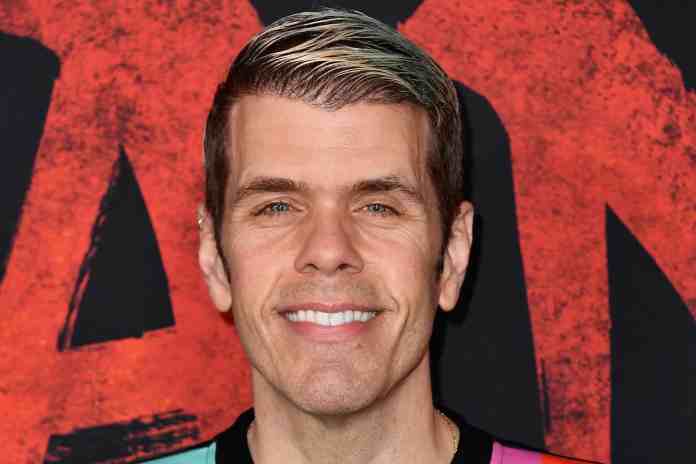
2. Perez Hilton, Paparazzi, and the Gossip Culture Boom

The creation of Reality TV did not occur in isolation – in fact, it spawned a whole gossip ecosystem. Blog stars like Perez Hilton thrived on mocking celebs with cartoons and nasty A-lister-like headlines, and paparazzi, of course, were there to shoot the starlets like Paris Hilton, Lindsay Lohan, and Britney Spears. Sites such as Perez Hilton.com and Defamer contributed to a 24/7 celebrity news cycle, where fame and scandal went hand in hand. It was a time that fed on melodrama but left profound footprints in several stars’ lives.

Image Source: Bing Image. License: All Creative Commons

1. The Lasting Impact of Reality TV

It is maybe more precise to say that reality TV from the 2000s was more than just entertainment—it had a major impact on the culture. Critics argue that it glamorized bad behavior, made people famous instantly, and caused society to become shallow and nasty. On the other hand, some argue that it helped bring conversations about race, addiction, and LGBTQ+ visibility into the mainstream. No matter what, it had an effect on television and culture that remained for a long time. The decline of MTV as a music channel, the rise of the Kardashian empire – all these and more are still impacted by the advent of 2000s reality TV.

Image Source: Bing Image. License: All Creative Commons

One can either love or hate it, but there is no denying the fact that the 2000s reality phenomenon gave us some unforgettable moments. And come on, you’ve got to admit it—a part of you would still be longing for the daily fire of Laguna Beach drama or watching celebs fidget during Punk’d.

10 Most Famous Celebrity Parents Who Had Kids After 50

0
Image Source: Bing Image. License: All Creative Commons

Hollywood prides itself on sequels, remakes, and shocking plot twists, but none of them can top the shock of a star choosing to start or reignite a family over 50. For some, it’s an initial taste of parenthood; for others, a new installment in an already massive family tree. Courtesy of advances in medicine, changing cultural norms, and a healthy dash of “why not? “, more stars are showing that parenthood has no end date. So grab some popcorn (and possibly a sippy cup) while we tick down 10 of the most newsworthy celebrity parents who loved baby life long after 50.

Image Source: Bing Image. License: All Creative Commons

10. Simon Cowell – Dad at 55

Known for his sharp tongue and brutally honest critiques on American Idol and The X Factor, Simon Cowell seemed like the last person you’d picture cradling a baby. Yet in 2014, at age 55, he and Lauren Silverman welcomed their son, Eric. Fatherhood mellowed the notoriously cranky mogul in ways fans never suspected wouldn’t admit it, but he’s said the experience has been life-altering, and he’s even joked about having a second child in his 60s. Who knew behind the scowl was a dad who turns into mush at bedtime stories?

Image Source: Bing Image. License: All Creative Commons

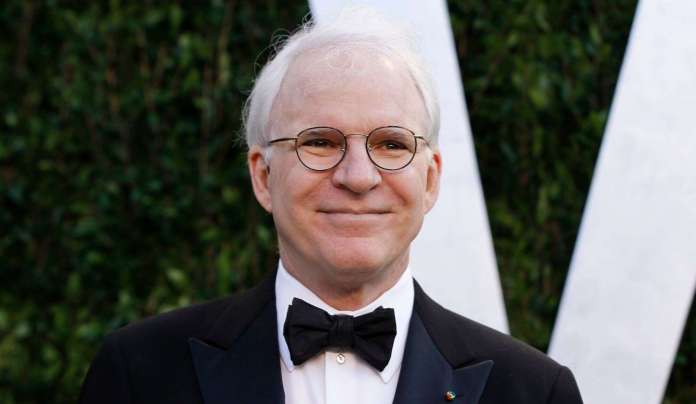
9. Steve Martin – Fatherhood at 67

Comedic legend Steve Martin took decades making fun of fatherhood on film, but in life, he waited until 67. Martin and his wife, Anne Stringfield, had their daughter Mary in 2012, and Martin has been outspoken about the pleasures of being an older father. While most new parents are balancing diapers and career development simultaneously, Martin points out that he prefers to be at a point in his life when he can take his time to enjoy every milestone. For him, this “Father of the Bride” moment came decades late but just in time.

Image Source: Bing Image. License: All Creative Commons

8. Brigitte Nielsen – Mother Again at 54

Model and actress Brigitte Nielsen shocked the world when she gave birth to her fifth child, a daughter named Frida, at 54. Nielsen publicly disclosed her experience with IVF, a treatment that allowed her to become pregnant later in life. She also explained how difficult it was, both physically and emotionally, to become pregnant at that age. But she’s just as forthcoming about the payoffs: the bliss of cradling her baby and enjoying motherhood once more. Nielsen’s tale is a testament to perseverance and a dash of science, making even the most daring aspirations a reality.

Image Source: Bing Image. License: All Creative Commons

7. George Clooney – Twins at 56

George Clooney was Hollywood’s most legendary bachelor for years, promising never to give up his freedom. Then Amal Clooney came along, and all changed. At age 56, Clooney welcomed twin babies, Ella and Alexander, as his proud father. Colleagues, friends, and fans alike were shocked—not only that Clooney became a father, but that he embraced fatherhood with such eagerness. From diaper changes to reading bedtime stories, the debonair actor and human rights activist found that fatherhood could be the toughest and most rewarding job he’s ever had.

Image Source: Bing Image. License: All Creative Commons

6. Janet Jackson – First Child at 50

Pop star Janet Jackson stunned fans in 2017 when she revealed she had given birth to son Eissa at age 50. Jackson spent decades breaking ground with her music and performances, but her foray into motherhood was newsworthy for a totally different reason. Due to advances in medicine, Jackson could give birth safely later in life, giving hope to thousands of women who believed that motherhood could be beyond their reach. For Jackson, being a mom was a dream realized only a bit later along the timeline.

Image Source: Bing Image. License: All Creative Commons

5. Robert De Niro – Father Again at 79

Robert De Niro has portrayed mobsters, pugilists, and working-class heroes, but fatherhood at age 79 may be his most daring role yet. In 2023, he and his girlfriend, Tiffany Chen, had a daughter, Gia Virginia Chen De Niro. His seventh child this leaves a whopping 51-year age difference between his oldest and youngest. Family reunions must be a doozy, with several generations in the house. Though critics might raise an eyebrow, De Niro looks completely devoted to fatherhood, showing age hasn’t curbed his motivation to care for.

Image Source: Bing Image. License: All Creative Commons

4. Naomi Campbell – Mother at 50

Supermodel Naomi Campbell spent decades dominating runways, but in 2021 stunned fans with news of her first baby at age 50. Campbell has revealed little, but she’s talked openly about just how meaningful motherhood has been. Her case is a sign of a shifting cultural tide: women opting for motherhood later in life, thanks to technologies such as surrogacy and IVF. Campbell’s choice demonstrates that reinvention doesn’t only happen on the catwalk—it’s life itself.

Image Source: Bing Image. License: All Creative Commons

3. Mick Jagger – Baby at 73

If there’s anyone who could embody the phrase “forever young,” it’s Mick Jagger. In 2016, at age 73, the Rolling Stones frontman welcomed his eighth child with girlfriend Melanie Hamrick. With a family tree that now includes eight kids, several grandchildren, and even a great-grandchild, Jagger proves that rock and roll doesn’t slow down; it just keeps expanding. Fatherhood, one supposes, is merely another job he’s happy to do, even while traveling to stadiums all over the world. 

Image Source: Bing Image. License: All Creative Commons

2. Diane Keaton – Adoption After 50

Unlike most on this list, Diane Keaton took a different route to motherhood. Following her 50th birthday, the Oscar-winning actress adopted two boys, Dexter and Duke. Keaton has spoken candidly of how her choice was both thoughtful and highly personal, stating that she wished to become a parent on her own terms. Her tale is a reminder that families exist in countless configurations, and that age is comparatively inconsequential to love, commitment, and presence.

Image Source: Bing Image. License: All Creative Commons

1. Al Pacino – Father at 83

Leading the list is none other than Al Pacino, who became a father once more at 83to his girlfriend, Noor Alfallah. The iconic actor’s youngest child came decades after his first, making global headlines. Pacino’s late-in-life fatherhood raised questions of age, biology, and duty—but it also highlighted a reality: in Hollywood, where reinvention is paramount, even domestic life can be full of surprises. So what’s driving this phenomenon of silver-haired pushers and baby rhymes at retirement? Improvements in fertility treatments such as IVF, egg donation, and surrogacy have enabled more individuals, particularly women, to have children later in life. For men, nature is somewhat more lenient, although the idea of caring for a toddler during the time it takes to get onto Medicare is its own spin.

Image Source: Bing Image. License: All Creative Commons

Nevertheless, these stars indicate that though there are added difficulties—health issues, energy levels, forward planning—there are also dividends, such as patience, wisdom, and being able to properly enjoy family life. In the end, parenthood is not about having it all together; it’s about love, grit, and being present. Whether it’s a firstborn at 50 or a seventh at 79, these stars show that family narratives can be rewritten at any time, and sometimes, the most unexpected pages are the best.

10 Black Women Who Changed TV Forever

0
Image Source: Bing Image. License: All Creative Commons

TV has always been a reflection of culture, but it did not necessarily reflect everyone. Black women, in their case, had to battle to find their places in a business that too frequently pushed them aside or caricatured them. And even with the challenges, they created spaces that were innovative, real, and extraordinarily powerful. From iconic actresses and innovative producers to media barons and even the strength of Black Twitter as a whole, these women didn’t just show up on television sets; they redefined what television looked like. Below is a countdown of ten of the most influential Black women to permanently leave their mark on the medium.

Image Source: Bing Image. License: All Creative Commons

10. Zendaya: Youngest Double Emmy Winner for Drama

Zendaya began as a Disney Channel sensation, but soon emerged as one of the most influential voices of her generation. She was just 24 years old when she became the youngest woman to ever win an Emmy for Outstanding Lead Actress in a Drama Series—and she didn’t stop there. She did it again, becoming the youngest to win twice in Emmy history. Her performance as Rue in Euphoria was raw, exposing, and heartbreakingly authentic, addressing addiction and trauma in a way that gave young Black women visibility on mainstream television, all too infrequently. Zendaya proved that even the most youthful voice can make history and bear the burden of representation with elegance and strength.

Image Source: Bing Image. License: All Creative Commons

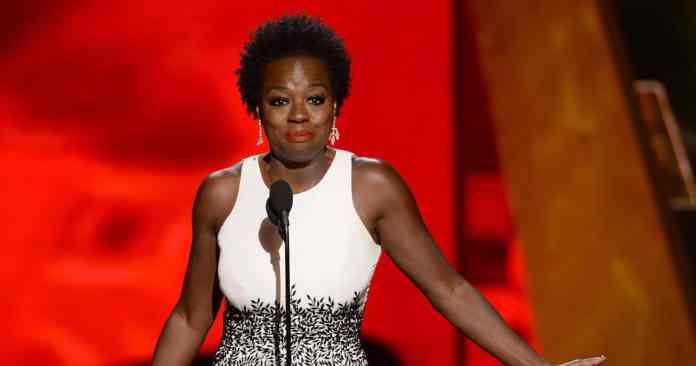
9. Viola Davis: First Black Woman to Win Lead Actress in a Drama Emmy

When Viola Davis took the stage to receive her Emmy in 2015 for How to Get Away with Murder, it wasn’t a victory—it was a reset. She was the first Black woman to ever win for Lead Actress in a Drama, shattering a decades-long barrier. Davis always auditions intentionally, playing multifaceted, messy women who aren’t stereotypes. One moment that stands out was when her character stepped over into an episode of Scandal, shared with Kerry Washington. Two Black women, both starring in top dramas, standing shoulder to shoulder in primetime, it was a moment of representation that television had long lacked.

Image Source: Bing Image. License: All Creative Commons

8. Cicely Tyson: Pioneering Drama

Years before “diversity” became a buzzword in Hollywood, Cicely Tyson was commanding respect on television. In the 1960s, she broke ground as the first Black woman to play the lead in a television drama with East Side/West Side, when Black women were limited to being maids or extras. Tyson would not play roles that insulted Black women, instead holding out for characters that were full of dignity and depth. She even appeared on TV with her natural hair, a radical and groundbreaking move that defied beauty standards. Cicely Tyson wasn’t acting; she was redefining what was possible on television.

Image Source: Bing Image. License: All Creative Commons

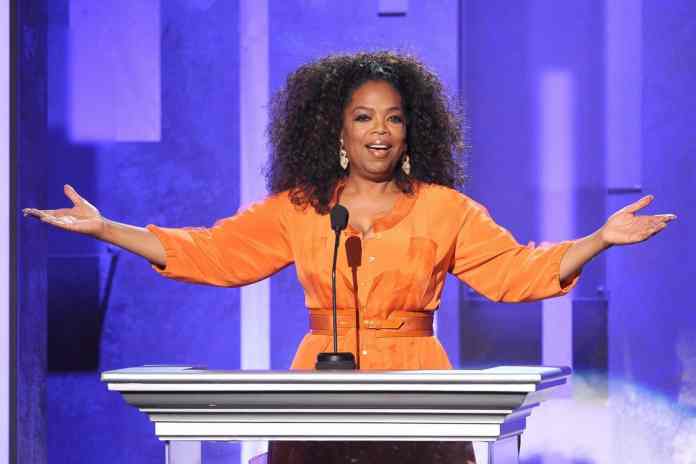
7. Oprah Winfrey: The Queen of Talk and Media Mogul

Oprah Winfrey’s biography is nothing short of remarkable. Emerging from a difficult childhood, she created an empire that began with The Oprah Winfrey Show, which she not only hosted but also owned and produced. That ownership positioned her as the first woman in history to own her own talk show, and subsequently, the world’s first Black billionaire. In addition to TV, Oprah produced her own network, launched careers, initiated book clubs, and impacted millions of viewers with her combination of empathy and drive. She transformed herself from more than just a talk show host into a cultural icon, teaching Black women that they could lead, build, and own their narratives on the global stage.

Image Source: Bing Image. License: All Creative Commons

6. Shonda Rhimes: The Architect of Multicultural TV

Shonda Rhimes did not simply develop TV shows; she constructed worlds. With Grey’s Anatomy, Scandal, and How to Get Away with Murder, she demonstrated that diverse storytelling wasn’t a niche market; it was primetime gold. Her shows regularly included strong Black women as leads, nuanced storylines, and casts representative of the actual world. But Rhimes didn’t just stop at the screen. She opened doors for countless Black actors, writers, and directors to succeed in an industry that had previously excluded them. In the process, she redefined network television into something richer, more diverse, and unmistakably hers.

Image Source: Bing Image. License: All Creative Commons

5. Issa Rae: Advocating True Black Stories

Issa Rae made awkwardness into art and into history. She started out with her YouTube series Awkward Black Girl and gradually expanded to HBO’s critically acclaimed Insecure. The series was a breakthrough not only because it had a Black woman in the lead, but because it portrayed the intricacies of Black friendships, dating lives, and work dilemmas with sensitivity and comedy. Rae has been vocal about the need for representation on and off screen, ensuring specifics such as natural hair, neighborhood lifestyles, and cultural markers were accurate. She even created a documentary, Seen and Heard: The History of Black Television, to highlight the challenges and achievements of Black creatives in the business.

Image Source: Bing Image. License: All Creative Commons

4. Lena Waithe: First Black Woman to Win an Emmy for Comedy Writing

Lena Waithe’s ascension has been nothing less than historic. She became history’s first Black woman to take home a Primetime Emmy for Outstanding Comedy Writing when her extremely personal Master of None episode “Thanksgiving” earned her the award. During her acceptance speech, she boldly accepted the victory on behalf of the LGBTQIA community, showing that her writing is based on both personal experience and universal appeal. Waithe followed up with The Chi, a show that presents richly nuanced portraits of Black life in Chicago. By placing genuine Black stories at the forefront, she’s rewritten the rules of who gets to tell them, and how.

Image Source: Bing Image. License: All Creative Commons

3. Shaun Robinson: Black Women Media Leadership Advocate

We know Shaun Robinson from her time on Access Hollywood, but her impact spreads far wider than red carpets. Robinson has made it a point to use her platform to advocate for greater representation of Black women in media and leadership. She’s also a staunch supporter of young girls, developing programs that bring them into careers in STEM and media professions. Robinson illustrates the idea that visibility is important not only for actors or producers, but also for leaders and decision-makers off-stage. Her work ensures that the future generation of Black women is able to dream and aim for positions both in front of and behind the camera.

Image Source: Bing Image. License: All Creative Commons

2. Black Twitter: The Digital Powerhouse for Representation and Resistance

Not an individual, Black Twitter merits its own place on this list. It’s become a cultural phenomenon that amplifies Black women’s voices, calls out misrepresentation, and recasts the way television is consumed and talked about. With hashtags, memes, and threads, Black women on Twitter have called out Hollywood and celebrated the shows that are doing it right. In so many ways, Black Twitter continues the “call and response” tradition, a cultural tradition from African American history, but modernized for the social media age. It’s evidence that representation isn’t just about who appears on screen, but also who drives the conversation about it.

Image Source: Bing Image. License: All Creative Commons

1. The Pioneers: Beverly Payne, Diahann Carroll, and More

Before Zendaya, before Shonda, before Oprah, some women took bold risks in entering the limelight. Beverly Payne was the first African-American woman to anchor the news in Detroit, opening the doors for other journalists such as Shaun Robinson. Diahann Carroll pioneered Julia, one of the first shows with a Black woman as the star, no maid uniforms, no clichés, just a contemporary woman raising her child and living her life. These pioneers demonstrated that Black women could anchor shows, command audiences, and pave the way for generations to come. Their strength enabled today’s stars to shine.

Image Source: Bing Image. License: All Creative Commons

Black women have always been at the center of television’s most significant changes, either by asking for better parts, building narratives behind the scenes, or redefining how audiences participate with media. From trailblazers Cicely Tyson and Diahann Carroll to current innovators Zendaya and Issa Rae, their work keeps us in mind that television isn’t entertainment—it’s history in motion. And because of these women, that history is richer, bolder, and more diverse than ever.

10 Iconic Movie Fashion Moments

0
Image Source: Bing Image. License: All Creative Commons

Not to mention, oftentimes the most memorable aspect of a movie is not the plot, the acting, or even the cinematography. No, sometimes it is the clothes. Fashion in film did not just have the ability to bring things into images, allowing you to comprehend more about the era, or even literally make some fashion trends real that still continue after decades. Whether it is a slinky evening dress that redefines glamour or a nerdy teen outfit that becomes the most sought-after Halloween costume for the following 20 years, these are the looks that have been the target of multiple references over the years in the realm of pop culture. So what really is the magic that makes a fashion moment an iconic one? It’s when one solitary glance that was on screen exceeds that and becomes a part of our collective memory. So, if you received a fabulous black dress or a bold plaid that you wish for people to remember, wait, because we are going to examine the 10 most iconic fashion moments in movie history individually, which is also a stylish means of expressing that each one is a milestone in the history of fashion.

Image Source: Bing Image. License: All Creative Commons

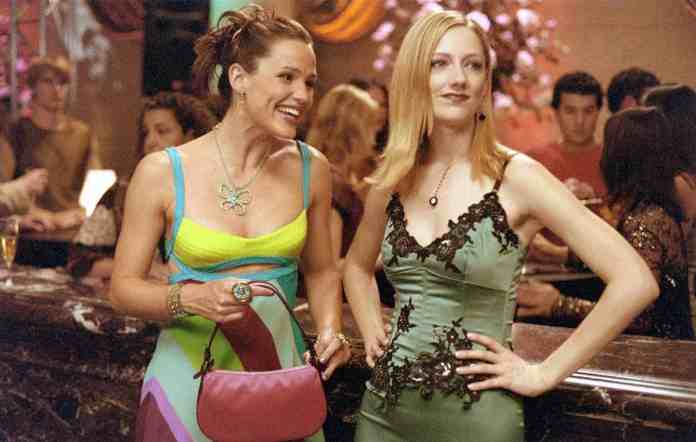
10. The Baby Doll Dress in 13 Going on 30

The rainbow-colored mini dress Jennifer Garner wore in 13 Going on 30 is what Y2K nostalgia would have been like if a human: the essence of happiness. The dress, in its baby doll shape, bright color, and happy vibe, was a metaphor for the metamorphosis of Jenna Rink from one minute ago teen to her 30-year-old self. The reason why this fashion is so populthatecause it is at the same time the most stylish and the most naive manner of demonstrating the meeting of the two worlds. Even 20 years later, this fashion is being copied by TikTok influencers and fashion bloggers, which is a distinct indication that some rom-com costumes never go out of style. It was not only an outfit; it was character development to the point of being adorable.

Image Source: Bing Image. License: All Creative Commons

9. The Ferocious Matching Plaid Outfit in Clueless

If you told anyone that you said “yellow plaids,” they would have Cher Horowitz dashing down the corridors of Bronson Alcott High like a breath of fresh air. The combination of a pleated skirt and a coordinating blazer, capped with a mini handbag and knee-high socks, screams short-term ’90s teen style. The beautiful part is that this costume not only created a character but an entire era as well. The look is being replicated again and again on fashion runways, street style, and, of course, Halloween costumes. Even now, style icons raid Cher’s wardrobe to assist with the rejuvenation of her preppy meets playful style. This is evidence that Clueless wasn’t merely a teen comedy but a style manual.

Image Source: Bing Image. License: All Creative Commons

8. The Skintight Latex Suit in Batman Returns

Catwoman, performed by Michelle Pfeiffer, was not only an actress—she was a phenomenon of the culture. The black latex catsuit that consists of multiple pieces is perhaps the most iconic costume in the entirety of film history. It’s frightening, and somehow assembled all at once, revealing Selina Kyle’s disoriented and shattered persona. With her smudged eyeliner, red lipstick, and whip-wielding, Pfeiffer reimagined the femme fatale for a new era. The costume remains brimming with inspiration for fashion, cosplay, and even catwalk shows, definitive proof that the strongest style statements can still be made in the darkness.

Image Source: Bing Image. License: All Creative Commons

7. The Little Black Dress in Breakfast at Tiffany’s

Perhaps the most glamorous and fabulous moment of fashion in a film is when Audrey Hepburn’s Givenchy evening dress as Holly Golightly is placed before our eyes. The little black one-shoulder dress, which had its pearls piled high, opera gloves, giant sunglasses, and that little tiara, transformed the “little black dress” into a timeless fashion staple that has been a mainstay in every woman’s closet since. It’s more the genius of the outfit itself that becomes this photo’s defining feature; however, it’s how it transformed a mundane morning scene of coffee and croissants into a visual shorthand for glamour. No hyperbole is sufficient to convey the reality that Hepburn and Givenchy collectively revolutionized fashion with one glance.

Image Source: Bing Image. License: All Creative Commons

6. The Barbiecore Pink Power Suit in Legally Blonde

Elle Woods did not stroll into Harvard Law—she danced in, with her quick wit, endless charm, and a closet full of unabashedly pink outfits. Her coordinated outfits, dresses, and accessories made pink strong when pink was still believed to be a shade for frivolously thinking people. Years ago, long before “Barbiecore” was an ‘gram aesthetic, Elle was demonstrating that you could be smart and chic simultaneously, a woman, and still your match’s fear. Reese Witherspoon’s performance, along with brilliant costume design that runs with bold hues and shine, made this style moment iconic. Currently, Elle’s closet is more of a manifesto than dressing up: wear whatever makes you happy and never compromise.

Image Source: Bing Image. License: All Creative Commons

5. Black Satin Dress in Gilda

The time Rita Hayworth, in Gilda, wearing Jean Louis’ strapless satin gown with opera gloves, walked into Hollywood history was no less spectacular. The dress itself was quintessential old-school glamorous, but it was Hayworth’s acting—teasing and thrilling—that made the entire production iconic. Do you know? This dress has been called upon periodically for fashion editorials, costume design, and even when it is replicated in modern-day movies, not to mention the years passed and decades, in fact. It is one of those moments that signifies the end of the traditional era of cinema, an era when style and plot were not separable, and with one debut, Hayworth redefined glamour on a global level.

Image Source: Bing Image. License: All Creative Commons

4. The Off-the-Shoulder Sweatshirt in Flashdance

Jennifer Beals took a torn-up sweatshirt and made it into a genuine style icon. Her off-the-shoulder, slouchy, and dancewear mixing in Flashdance was a scorching concept that propagated across the ’80s like wildfire, challenging women everywhere to grab it from their wardrobes and arm themselves with scissors. Now, what is so iconic is not glamour but access—desperately, everyday clothing could be transformed into stylish, cool, and edgy looks. If paired with leggings and leg-warmers, this would be a symbol of empowerment and change. This is a fact-checking point that some of the most memorable fashion moments do not come from gowns and diamonds, but occasionally, they come from a sweatshirt that revolutionized the casual wear game.

Image Source: Bing Image. License: All Creative Commons

3. The Sleek White Dress in Basic Instinct

The high-neck, sleeveless white dress that Sharon Stone had worn during Basic Instinct was no frills but still commanded attention. The dress, as seen during the iconic interrogation scene, appeared to blend elements of naivety and deadly confidence; therefore, the character had the most intriguing feature. With the minimalist starkness of the ensemble, Stone’s assertive presence was made clear to all, and a cultural moment was created that is still one of the most speculated and talked-about movie fashion moments. It is the epitome of costume design that, with not a single utterance, creates tension and adds characterization. 

Image Source: Bing Image. License: All Creative Commons

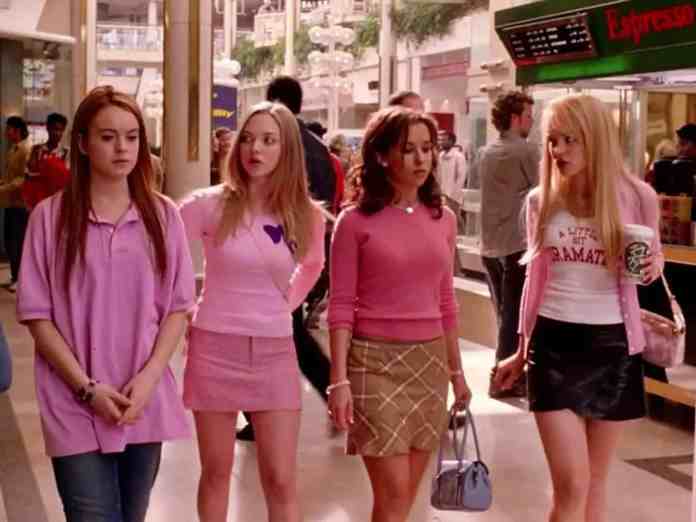
2. The Kitten Heels and Pink Mini-Skirt in Mean Girls (2004)

Regina George and her Plastics were the undisputed dictators of North Shore High, both with their iron fist and the rigidly enforced dress code. A universe of pink, mini-skirts, shiny hair, and those omnipresent “On Wednesdays, we wear pink” was well enough to establish the tone for the teen fashion of the 2000s. The original release of Mean Girls was so spectacular in capturing Y2K fashion that it remains clinging years after, and this can be attested by the sheer number of re-creations, memes, and nostalgic allusions. Although the 2024 remake was attempting to modernize the wardrobe, the initial bubblegum-pink heritage remains unmatched. Regina’s wardrobe didn’t merely impact films; it impacted the entire era.

Image Source: Bing Image. License: All Creative Commons

1. The Peek-a-Boo Hair and Satin Gown in This Gun for Hire

Veronica Lake’s peek-a-boo hairdo and satin dress in This Gun for Hire didn’t merely stir up Hollywood—they changed actual fashion trends. Her side-swept hair became the women’s hairstyle of choice during the 1940s, and her streamlined gowns defined femme fatale style in film noir. Lake’s style was both enigmatic and irresistible, capturing the fatal sensuality of the archetypal figure she popularized. Her style was still cited by designers and directors decades later, testifying that great cinematic fashion moments don’t pass with time—they reverberate across time.

Image Source: Bing Image. License: All Creative Commons

Fashion in movies has always been about something greater than a mere outfit. A well-chosen costume relates to a story, establishes a character, and in some cases inspires a cultural revolution that continues for years to come. From Cher’s green plaid ensemble to Holly Golightly’s black frock, these fashion statements have permeated our cultural consciousness, reminding us that fashion on film can be as powerful as any dialogue. Trends have their day and then their demise, but these images show us that when fashion and film cross over in exactly the right manner, what happens is nothing short of forever.

8 Actors Who Regret Offensive Roles

0
Image Source: Bing Image. License: All Creative Commons

Let’s be real: Hollywood casting has a sordid history, and not all roles are ageless. Some roles that once seemed like career-makers were aging ones—or inciting outrage immediately. Now, more actors are freely confessing when they’ve crossed a line in taking on a role through discriminatory stereotypes, whitewashing, or fatphobia.

Image Source: Bing Image. License: All Creative Commons

It’s great to hear stars apologize, claim their own mistakes, and critique the industry’s errors. Here are eight actors who have publicly spoken about regretting some of their most objectionable or problematic film roles.

Image Source: Bing Image. License: All Creative Commons

8. Emma Stone in Aloha

When Emma Stone starred as Allison Ng, a character who was labeled part Chinese, part Hawaiian, and part white in Aloha, the casting decision became an example of Hollywood whitewashing. Stone has since admitted the role was a mistake and says she learned a lot from the experience. At the Golden Globes, when Sandra Oh joked about her casting, Stone famously shouted, “I’m sorry! ” from the crowd. It was a moment of humility, but also a reminder of how deeply entrenched Hollywood’s whitewashing problem really is.

Image Source: Bing Image. License: All Creative Commons

7. Viola Davis in The Help

Viola Davis’s performance in The Help was stellar, receiving general acclaim when the film was released. But now, in retrospect, Davis has spoken about how she regretted it. She’s stated that the film made good intentions, but in the end did not put the Black maids’ voices at the forefront that it sought to represent. Rather, it overly relied on a white-savior story. As Davis said, “At the end of the day, it wasn’t the voices of the maids that were heard.” Her observation emphasizes how crucial the real point of view actually is in fiction.

Image Source: Bing Image. License: All Creative Commons

6. Gwyneth Paltrow in Shallow Hal

Gwyneth Paltrow wore a fat suit to portray the “love interest” in Shallow Hal, and the film depended on fat jokes as the primary punchline. Nowadays, Paltrow quite frankly refers to the experience as humiliating, explaining that she understood the issue the first time she ever wore the suit—because everyone on set treated her differently. She has since called the film a disaster, admitting the damage done in commodifying body size as a gimmick instead of accepting it as a part of someone’s humanity.

Image Source: Bing Image. License: All Creative Commons

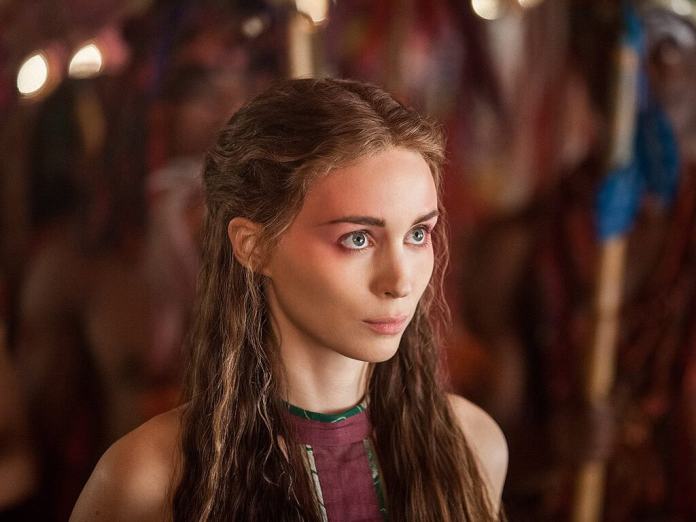
5. Rooney Mara in Pan

Rooney Mara’s casting as Tiger Lily in Pan elicited backlash immediately, and she went on to confess that the criticism was fair. The role of Tiger Lily had been written as Native American when she was cast as white. Mara has stated she regrets being on “the wrong side” of the whitewashing debate, going on to say that she never wants to make such an error again. It was an eye-opener to how strong representation or the absence of it is in determining audiences’ knowledge of culture.

Image Source: Bing Image. License: All Creative Commons

4. Eddie Redmayne in The Danish Girl

Eddie Redmayne was Oscar-nominated for playing Lili Elbe, the first known patient to receive gender confirmation surgery, in The Danish Girl. Though applauded then, Redmayne now wouldn’t reprise the role. He’s owned up to it being a blunder, with the reason that trans actors should be allowed to act trans characters and should have been allowed to audition. His remorse indicates just how far the debate over representation has moved within a few years.

Image Source: Bing Image. License: All Creative Commons

3. Hilary Swank in Boys Don’t Cry

Hilary Swank received an Oscar for playing Brandon Teena, a trans man who was killed in 1993. But in hindsight, she has admitted the role should have been played by a trans actor. Hollywood wasn’t offering trans actors the roles they merited at the time, and Swank has stated she hopes this has improved for the best. Her moment of reflection speaks to the amount of work that is still left to be done when it comes to casting authentically.

Image Source: Bing Image. License: All Creative Commons

2. Sarah Paulson on American Crime Story

Sarah Paulson faced backlash for donning a fat suit to portray Linda Tripp in American Crime Story: Impeachment. Paulson has since come forward and said she wishes she had not made the decision, recognizing both her privilege at being considered for the role and the greater damage of fatphobia in Hollywood. She’s talked at length about not going into it critically enough, and now regards it as one of her big learning experiences in how jobs are to be tackled with greater responsibility.

Image Source: Bing Image. License: All Creative Commons

1. Eiza González in Lola, érase una vez

During her teenage years, Eiza González applied blackface for an acting role in a Mexican telenovela. Years later, when pictures began trending again, she immediately made a public apology, admitting she was thoroughly ashamed and that she’d been bullied then. González conceded that she did not possess the voice or understanding at the time she has now, but she felt compelled to own up to it.

Image Source: Bing Image. License: All Creative Commons

It’s a painful reminder of how hurtful these decisions are, but also an example of somebody trying to take responsibility for past errors. Hollywood still has a long way to go, but these confessions are part of the shift toward more thoughtful, inclusive casting. It’s not easy to admit when you’ve been part of the problem, but by doing so, these actors are pushing the conversation forward. The hope? That the next generation of performers won’t have to look back on their careers with this kind of regret—because the industry will finally get it right the first time.

10 Infamous Narcissists in History & Pop Culture

0
Image Source: Bing Image. License: All Creative Commons

Let’s be honest—there’s something quirky about narcissists to which one can’t help being attracted. Is it because of their unshakable self-confidence, or maybe the chaos they leave behind, or maybe it’s just the absolute drama of watching someone who thinks the sun shines out of their rear end. From the monster-like despots to the glitz and glam of Hollywood, the attention of the public has always been the lifeline of the narcissists, whether we recognize them, hate them, or get mesmerized by them. These characters didn’t just cause a splash; they ingrained cultural impacts that still influence how we understand fame, power, and ego. So, gear up as we wander through 10 of the most notorious narcissists, both historical and fictional.

Image Source: Bing Image. License: All Creative Commons

10. Kim Jong-un – North Korea’s Cult of Personality

There are very few leaders who embody the character of a narcissist to such an extent as Kim Jong-un. His dictatorship is sustained by terror, lies, and blind loyalty, with every billboard and news report being created in a way to depict his greatness. To the people of North Korea, he isn’t a leader; he’s the axis point of the galaxy, by the very definition. The carefully planned pageantry, the elimination of opposition, and the demand for unending praises all serve to confirm one thing. Kim’s ego is not of a personal nature, but rather, it is institutional.

Image Source: Bing Image. License: All Creative Commons

9. Vladimir Putin – Power and Control Personified

Vladimir Putin employs power and image management as his political tactics. He usually projects an image of strength by being young, shirtless, riding a hor,se or making a public appearance while also looking for praise on the global and local stage. His opponents level the charges of distortion of reality and lack of compassion at him. Besides, he exhibits the typical traits of a narcissist. To him, Putin, ruling Russia, is not stewardship; it’s about setting up and maintaining an enduring legacy with him as the center of the spotlight.

Image Source: Bing Image. License: All Creative Commons

8. Donald Trump – The Spotlight President

Donald Trump has never been the type to retreat from the limelight, even before his presidency. The different stages of his life, including real estate, the entertainment industry, and the political world, have always been marked by a constant need for the spotlight. In his term, he not only kept his presence in the media but also went further with the use of controversies, loud declarations, and constant self-promotion. Whether you are a fan or not, it cannot be said that Trump is not one of the most successful in sustaining attention over his career, and that constant craving for the limelight is typical narcissistic behavior par excellence.

Image Source: Bing Image. License: All Creative Commons

7. Napoleon Bonaparte – A Man Besotted with Power

Napoleon was not content with merely being France’s leader; he aimed for Europe and, better still, the world. His grandiose ambitions, egotistical idea of being a god-like figure, and readiness to trample on others as long as he got what he wanted make him an excellent example of narcissistic personality disorder in history. In failure, the confidence of Napoleon never diminished; he saw himself as a myth, something that history has both challenged and confirmed to him simultaneously.

Image Source: Bing Image. License: All Creative Commons

6. Alexander the Great – Assuming That He Was God

Alexander didn’t fantasize about conquering the known world; he had no doubt he was meant to. Given his belief that he was connected to the gods, he approached the empire with merciless drive. His success was unprecedented, yet his concept of himself as greater than man established much of his leadership style. That combination of charisma, temerity, and ego guaranteed his name in history, even as his empire dissolved following his death.

Image Source: Bing Image. License: All Creative Commons

5. Adolf Hitler – The Most Negative Impact of Narcissism

Hitler’s belief in his superiority and being chosen by fate led the world through one of the darkest periods in history. He fashioned a personality cult that propagated mistrust and hatred, demanded absolute loyalty, and eschewed ever giving in to the least opposition. His ego was not only a personal matter; it was part of his policy, which had fatal consequences for millions of people. The life of Hitler is a very effective example of how tremendous disaster can be the result of an out-of-control ego and the insanity of grandeur.

Image Source: Bing Image. License: All Creative Commons

4. Steve Jobs – The Innovator with a Strong Personality

He revolutionized technology, fashion, and the way we interact with devices, but the way he managed was far from being charming. Hard, uncompromising, and at times harsh, Jobs was a man of vision who allowed very little opposition. His obsession with perfection brought Apple to achieve what others did not dare to dream of, but also made him a controversial character. His heritage is a paradox: brilliance coupled with a fixation, an ego-dictated desire to govern his own story.

Image Source: Bing Image. License: All Creative Commons

3. Elon Musk – The New Age Showman of Innovation

Elon Musk based his career on thinking big, very big. Colonizing Mars, revolutionizing transportation, and advancing AI, his goals seem almost boundless. But with the revolutionary ideas comes a sense of spectacle, Twitter rants, and publicity-grabbing antics that keep him at the forefront of discussion. His risk-taking and self-promotion are textbook narcissism, but most view them as the gasoline fueling his revolutionary genius. Musk is both a lightning rod and a visionary, and he wouldn’t have it otherwise.

Image Source: Bing Image. License: All Creative Commons

2. Madonna – Reinvention as her Superpower

For more than 40 years, Madonna has been the focus of media attention by constantly changing her image. No matter if she is bizzponing the audience, sparking controversy, or setting fashion trends for the world, she has mastered the skill of commanding the center of attention. Her blatant eagerness to be famous, coupled with her deftness in handling her public image, makes her an arch-narcissist, one of the longest-lasting pop icons at the same time. From the point of view of Madonna, self-obsession is just a way of life and a strategy in the ever-transforming domain of pop culture.

Image Source: Bing Image. License: All Creative Commons

1. Salvador Dalí – Narcissism as Performance Art

Dalí is the master when the topic comes to blending ego with art. He had to be outshone in surrealist paintings only by his peculiar personality, very long mustache, overplaying of gestures, and an inclination towards violence or shouting at people. Not content with claiming the spotlight for his art alone, Dalí aimed to show he was one with himself, quite the opposite of the forgettable human lump. His vanity drove itself so far as to the point where his existence differentiated very little from the art he did, a physical manifestation of the very thing. The performance of a lifetime was the absolute absurdity of it all.

Image Source: Bing Image. License: All Creative Commons

In the end, though, whether they are evil despots or adored members of the celebrity world, narcissists leave a mark that is not easily erased, which in turn is probably why they are a subject we are so drawn to: they are loud, unapologetic, a nd sometimes destructive but never unmemorable. And once in a while, even when we are totally over them, we still find ourselves watching.