Home Blog Page 789

Top 10 Oscars Red Carpet Styles

0
Image Source: Bing Image. License: All Creative Commons

Let’s be honest: the real thrill of Oscars night isn’t always who takes home the gold—it’s who shows up on the red carpet and delivers a fashion moment we’ll be talking about for years. The Oscars carpet has become a stage of its own, where elegance meets daring, and sometimes even controversy. Over the decades, celebrities have turned this runway into a space for risk-taking, reinvention, and cultural statements. From classic gowns to jaw-dropping style risks, these are ten red carpet ensembles that didn’t merely catch our attention—they redefined Hollywood glamour.

Image Source: Bing Image. License: All Creative Commons

10. Cameron Diaz in Ungaro Couture (2002)

Among a sea of ballgowns and sequins, Cameron Diaz took a decidedly different turn, and it paid off. At the 2002 Oscars, she glided down the carpet in a flowy Emanuel Ungaro Couture gown with a laid-back, bohemian twist. It wasn’t dripping with crystals or custom-fit, but that was the whole idea. Diaz demonstrated that personality and confidence can radiate more than trickery. This “relaxed glam” moment remains exemplary proof that comfort and fun can have a place on the red carpet, the largest in Hollywood.

Image Source: Bing Image. License: All Creative Commons

9. Céline Dion’s Backwards Dior Tuxedo (1999)

Only Céline Dion could successfully rock one of the most daring and bizarre red carpet options ever. She showed up in 1999 in a backwards-worn crisp white Christian Dior tuxedo with a tilted fedora. It was brazen, it was baffling, and it instantly became iconic. Polarizing when it debuted, Dion’s ensemble has matured into a cult classic, revered for its bold experimentation with gender-bending style. It wasn’t about belonging—it was about being different, and that’s precisely why it’s unforgettable.

Image Source: Bing Image. License: All Creative Commons

8. Lakeith Stanfield’s Saint Laurent Jumpsuit (2021)

When Lakeith Stanfield walked the carpet in 2021, it was as though it was a blast from the past to the 1970s—coolness factor included. His bespoke Saint Laurent jumpsuit by Anthony Vaccarello included dagger collars, billowy pant legs, and a cinched waist, epitomizing sheer disco attitude. What was even more striking was that the look had been adapted from a woman’s runway gown, dissolving the boundaries between male and female fashion. Stanfield’s appearance wasn’t merely fashionable—it was a look at what red carpet fashion might be like in the future: bold, fluid, and completely fearless.

Image Source: Bing Image. License: All Creative Commons

7. Ariana DeBose’s Valentino Hybrid Look (2022)

Hot on the heels of her Oscar victory for West Side Story, Ariana DeBose demonstrated that the red carpet can be as revolutionary as the award itself. She appeared in a custom Valentino piece that mixed sharply tailored tuxedo pants with a sweeping, dramatic cape, all in a bold red color. The look was both potent and glamorous, an ideal reflection of DeBose’s message of authenticity and inclusivity. It was glamour that honored both strength and femininity—and it made her one of the night’s most buzzed-about celebrities.

Image Source: Bing Image. License: All Creative Commons

6. Barbra Streisand’s Arnold Scaasi Jumpsuit (1969)

It was 1969, and Barbra Streisand didn’t simply accept her Oscar for Funny Girl—she set a red carpet precedent. Rather than a gown, she sported a shimmering, diaphanous Arnold Scaasi jumpsuit, featuring flared pants and a mischievous collar. When she wore it, the transparent fabric was a shock, but Streisand had such poise that the look became a style legend. Her daring selection paved the way for other stars to break the rules and demonstrated that bold risks might pay off in spectacular ways.

Image Source: Bing Image. License: All Creative Commons

5. Lupita Nyong’o’s Prada Gown (2014)

Few Oscar gowns have become as iconically immediate as Lupita Nyong’o’s ethereal blue Prada gown. Drifting onto the carpet in 2014, the hue alone—called “Nairobi blue” after her city of origin—spoke volumes. With its lacy folds and billowy shape, the dress resembled something out of a contemporary fairy tale. And when Nyong’o subsequently grasped her Oscar for 12 Years a Slave, the dress was forever cemented in awards-season lore as an exercise in unadulterated elegance and representation.

Image Source: Bing Image. License: All Creative Commons

4. Rihanna’s Alaïa Maternity Look (2023)

Rihanna has always defied the rules of fashion, and her 2023 Oscars look solidified that pregnancy only makes her style more fearless. Wearing a bespoke Alaïa jumpsuit with leather accents and a semi-sheer panel that accentuated her baby bump, she redefined maternity fashion on one of the globe’s most prominent stages. Rather than conceal, she flaunted—and the outcome was a bold testament to the fact that glamour exists in every shape. It was quintessentially Rihanna: unapologetic, fearless, and effortlessly cool.

Image Source: Bing Image. License: All Creative Commons

3. Björk’s Swan Dress (2001)

Perhaps the most infamous Oscars outfit of all time, Björk’s swan dress was part performance, part fashion experiment, and completely unforgettable. Designed by Marjan Pejoski, the feathery piece literally wrapped around her neck, complete with an egg-shaped purse. Critics at the time didn’t know what to make of it, but that was the point. The appearance has since then been a pop culture icon, parodied from sketch comedy to Halloween party attire. Love it or loathe it, you can’t help but be impressed.

Image Source: Bing Image. License: All Creative Commons

2. Halle Berry’s Elie Saab Gown (2002)

When Halle Berry hit the red carpet in her fleshed-out Elie Saab gown back in 2002, it was pure Hollywood magic. The gown’s elaborate embroidery and bold transparency made it one of the most stunning ensembles the Oscars had ever witnessed. But what really cemented its place as an icon was what occurred afterward: Berry became the first black woman to receive the Best Actress award. The dress and the groundbreaking moment became one, forging one of the most significant red carpet moments in history.

Image Source: Bing Image. License: All Creative Commons

1. Hattie McDaniel’s Turquoise Gown (1940)

Three decades before the Oscars were a worldwide fashion extravaganza, Hattie McDaniel arrived at the ceremony in a turquoise dress that was as meaningful as it was fashionable. She won the first Academy Award given to a Black woman that evening, for her performance in Gone with the Wind. But McDaniel had to receive her award at a segregated table, an agony that made her appearance all the more poignant. Her dress was not just a fashion icon but also a testament to her strength, opening the door for future generations.

Image Source: Bing Image. License: All Creative Commons

The red carpet at the Oscars has never been simply a procession of attractive gowns—it’s an art form of self-expression, a display of courage, and cultural revolution. By way of sophistication, rebellion, or simply stark peculiarity, these ensembles demonstrate that fashion can be as powerful as the movies they’re honoring. Ultimately, the path to Oscar glory is often prefaced by one moment of irrevocable style.

10 Celebrities You Didn’t Know Were Veterans

0
Image Source: Bing Image. License: All Creative Commons

When you hear the words Hollywood legends or comedy icons, you likely envision red carpets, box office smashes, or belly laughs from sitcoms. But before the fame, before the bright lights, some of these celebrities had on a uniform altogether different—the one of military service. From battlefield to big screen, their paths are as inspiring as are their careers, and in most instances, their military service helped shape them into the people they became. From World War II war heroes to today’s Marines, here are ten celebrities who showed their bravery long before they were household names.

Image Source: Bing Image. License: All Creative Commons

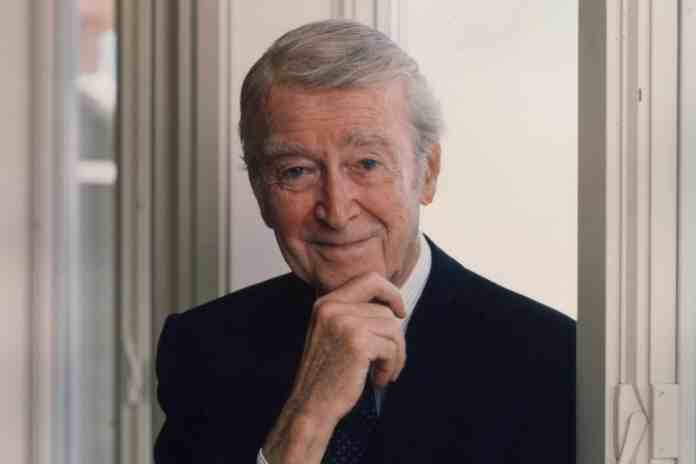
10. Jimmy Stewart

Loved for his sincere performances in such classics as It’s a Wonderful Life, Jimmy Stewart was not only Hollywood’s everyman—he was also an actual war hero. During World War II, Stewart swapped out film sets for combat missions as a bomber pilot. He didn’t merely fly; he flew with distinction, making hazardous runs across enemy lines and collecting many medals for valor. Stewart later became a Brigadier General in the Air Force Reserve, one of the few Hollywood stars whose off-screen credits were as heroic as his on-screen characters. 

Image Source: Bing Image. License: All Creative Commons

9. Mel Brooks

Before he was a comedy icon with movies such as Blazing Saddles and Young Frankenstein, Mel Brooks served in World War II. Brooks was drafted into the Army and worked for the combat engineers, where he disarmed landmines and assisted in constructing bridges in the face of fire. He went on to employ his quick mind to boost morale, even putting on spur-of-the-moment shows for fellow soldiers. That combination of toughness and wit would ultimately characterize his career, demonstrating to the world that laughter is as strong as bravery.

Image Source: Bing Image. License: All Creative Commons

8. Drew Carey

People know Drew Carey best as the smiling host of The Price Is Right or from The Drew Carey Show, but his roots are in the U.S. Marine Corps. Carey performed from 1980 until 1986, during which time he acquired discipline and tough-mindedness that would later translate into the world of comedy and television. He has spoken candidly about how much he admires military service, having at one point declared that we must always give our standing ovations to the men and women who serve with integrity. His time in uniform, while far from the bright lights of Hollywood, provided him with a basis of respect and determination that influenced his career.

Image Source: Bing Image. License: All Creative Commons

7. Tom Selleck

All that built-in mustache and easy-going good looks made Tom Selleck a television staple, but his early life was defined by his time in the military. From 1967 to 1973, Selleck was a member of the California Army National Guard. It wasn’t easy combining his military service with his nascent acting career, but it provided him with both grit and perspective. Later, as he became Navy SEAL Thomas Magnum on Magnum P.I., he carried authenticity born of experience. His time in the Guard was over, but its legacy continued in his Hollywood fame.

Image Source: Bing Image. License: All Creative Commons

6. Bob Barker

Before becoming a popular TV personality encouraging us to “spay and neuter your pets,” Bob Barker already bore another hat—that of a U.S. Navy aviator. When World War II came along, Barker learned to fly in the Pacific theatre. Although he joked in his autobiography that the war ended before he engaged in combat because the enemy surrendered at the prospect of his arrival, his eagerness to serve was no joke. The discipline and confidence that he acquired in the military enabled him to command game show stages for decades.

Image Source: Bing Image. License: All Creative Commons

5. Morgan Freeman

With one of the most iconic voices on the planet, Morgan Freeman is readily equated with sagacity, gravitas, and stoic authority. Prior to Hollywood falling for his talent, however, Freeman was a radar technician with the U.S. Air Force, where he enlisted in 1955. He initially wanted to be a fighter pilot, but eventually realized the cockpit was not for him. Nevertheless, his four years in uniform provided him with discipline and purpose, which later he attributed to enabling him to follow a career in acting. Freeman’s own career took off many years later, but the lessons of his Air Force experience never deserted him.

Image Source: Bing Image. License: All Creative Commons

4. Gene Hackman

Gene Hackman’s road to fame was not easy. Before he was an Academy Award-winning actor, Hackman joined the Marine Corps as a teenager. As a radio operator and broadcast reporter, he served in remote locations such as China, Japan, and Hawaii. His Marine experience not only exposed him to the world, but it also opened him up to communication and storytelling, to which he eventually added dramatic acting. After his stint, Hackman applied for the GI Bill to study television production and journalism—a stepping stone to the Hollywood stardom that would eventually make him a legend.

Image Source: Bing Image. License: All Creative Commons

3. James Earl Jones

The booming, authoritative voice of Darth Vader and Mufasa is owned by James Earl Jones—but before he influenced pop culture, he served his country. After graduating from ROTC, Jones was commissioned as a first lieutenant in the Army. He played an important role in creating a cold-weather training command in Colorado, training troops for the cold. His sense of duty and his leadership were evident way before he ever entered the spotlight. That same authority and presence that he exuded in uniform translated over to the stage and screen. 

Image Source: Bing Image. License: All Creative Commons

2. Rob Riggle

More people are familiar with Rob Riggle as the comedic relief on The Daily Show and in movies such as Step Brothers, but his work in uniform is also impressive. Riggle had spent over 20 years in the U.S. Marine Corps, deploying in countries such as Liberia, Kosovo, and Afghanistan. Even as he transitioned into comedy, he didn’t abandon his service. After retiring from service as a lieutenant colonel, Riggle continued to give back to veterans through philanthropy, many times pairing his passion for golf with his philanthropic efforts. For Riggle, serving and performing were never mutually exclusive—they were two ways of serving others.

Image Source: Bing Image. License: All Creative Commons

1. Adam Driver

Before becoming Kylo Ren in Star Wars, Adam Driver existed in a much different world as a Marine infantry mortarman. Inspired by the happenings of 9/11, Driver enlisted with a sense of duty. His Corps career was short-lived due to an injury during training, resulting in a medical discharge. Though disappointed, Driver turned that energy toward acting, later founding Arts in the Armed Forces, a nonprofit bringing theater to service members around the world. His story is a reminder that even when one path closes, another can lead to an even greater impact.

Image Source: Bing Image. License: All Creative Commons

These stars don’t forget that fame does not wash away sacrifices made before the limelight. Across World War II skies to Afghan deserts, their service molded their character before their names were known in Hollywood. Their tales confirm that some of the biggest heroes aren’t just in movies—they’re the same individuals who once wore the uniform with pride.

Top 10 Yellowstone Endings You Can’t Forget

0
Image Source: Bing Image. License: All Creative Commons

Yellowstone surely didn’t wrap up its farewell with a whisper – it went on to betray, break hearts, and surprise the legends, and these are the things that fans will be reliving again and again. The ending of the series with the final episode put a stop to the disorder that had a few moments of testing faith and large Montana-type drama, thus leaving a mixed feeling of end, shock, and new things. Some characters quietly moved on, some others went out in a blaze of fire, and on top of that, a few people who we didn’t anticipate dying there. The moments that marked the show’s goodbye were:

Image Source: Bing Image. License: All Creative Commons

10. Lloyd Pierce: The Last Cowboy Standing

Even though it wasn’t grand, Lloyd’s way of sharing his life was a milestone for the topic of determination and loyalty. Lloyd was always calm and collected, no matter the storms that enveloped the ranch. His departure wasn’t madoutrageously on—it was of a consistent, dignified, and well-earned sort. At that point, he was largely the cowboy ideal: a person characterized by hard work, faithfulness, and a big heart.

Image Source: Bing Image. License: All Creative Commons

9. Walker: The Survivor with a Guitar

The Walker story wasn’t about guns or revenge, but about survival. He is a composer and a musician who, unfortunately, managed to survive the family rage and contamination with his imagination and his colorful spirit. His death was gone, the next stop being the moment of his departure, an indication that there are times when the final echoes that remain to be heard in the midst of all the commotion are those of the singers who have found voice.

Image Source: Bing Image. License: All Creative Commons

8. Teeter and Colby: Love Against All Odds

It would have been impossible for anyone, even one of the craziest couples from Yellowstone, to become the characters with the most unexpected final affirmation of the show, right? The wild nature of Teeter and the suave charm of Colby made for an improbable duo, yet in the end, love was the one that triumphed over madness. Their love was given another chance in the final episode, as the loved one was the last to be recounted.

Image Source: Bing Image. License: All Creative Commons

7. Jimmy Hurdstorm: The Redemptive Arc

Jimmy’s change of character is among the most gratifying in the saga. He was a self-destructive man of the worst kind who, through the development of his story, turned out to be a cowboy that the 6666 Ranch people would admire. His story did not fail to remind us that alteration is not a thing that the world of Yellowstone is inclined to, but still, one can make it happen. Besides that, he was not among the dead in the last episode, but rather victorious.

Image Source: Bing Image. License: All Creative Commons

6. Monica and Tate Dutton: A Glimpse of Healing

With a difficult past, Monica definitely deserved the last scene with Tate and Kayce, which was unusual in the Dutton world, a moment of pure hope. The unmistakable sign that it was no longer a new day for their family was their choice to move on from the violence cycle. Their story was not a sad one, so it had a quiet and not a tragic ending after all the tragedy.

Image Source: Bing Image. License: All Creative Commons

5. Chief Thomas Rainwater: The Visionary

The end of Rainwater’s story was not just about getting the land back, but also about mending the relationships that had been broken. Since the estrangement by confrontation was gone, his pact with Kayce was a statement of respect and harmony that Road had long promised. Besides the fight for the land, Rainwater fought for the un, it, and in the end, he saw his dream come true.

Image Source: Bing Image. License: All Creative Commons

4. Jamie Dutton: The Inevitable Fall

The reason for Jamie’s downfall was present from the start, and his fall, when it came, was merciless. Years of practicing deception for the purposes of ambition, longing to be powerful, ultimately resulted in him falling, and his fate was left in the hands of Beth and Rip were both unforeseen and inevitable. He became a warning sign bordered by the writing—a man too ambitious, and he is ultimately destroyed by lies.

Image Source: Bing Image. License: All Creative Commons

3. John Dutton: The Legacy Lives On

Off-camera, John Dutton died; however, the effect of the things that he did during his lifespan was apparent in each scene. His values, sacrificial nature, and determination of purpose were the center of his children’s decisions even after his death. In a sense, he transitioned from one of the characters to the mythic heart of the series—the very point that myths are not finished at the hero’s final breath.

Image Source: Bing Image. License: All Creative Commons

2. Kayce Dutton: Breaking Free

Broadway Ranch was returned to the public, not long after the big reckoning moment had been visually indicated by him. The event, if it is not a mere point, would be the element that is holding the family line that has been contaminated by violence and avarice, closed forever, in other words, a symbol of the end of the family line. This emotional gesture would only be his first one, and it would sign not only the healing but also the dawn of his new legacy.

Image Source: Bing Image. License: All Creative Commons

1. Beth and Rip: A New Beginning

The moment when Beth and Rip left was a very characteristic one. When Beth settled her issues and got revenge for Jamie, the age of pain and revenge cycle had been terminated. At that very moment, they took the hardest decision they had ever made: the separation from the Dutton empire. They finally managed to obtain the tranquility and stability that they were deprived of for such a long time by purchasing one of the Duttons’ ranches. It was their last scene that shocked the viewers the most. To be honest, the farewell was the most opposite performance to what the viewers had seen throughout the series Yellowstone, an honorable and an aopeful one.

Image Source: Bing Image. License: All Creative Commons

The characters of the Yellowstone series are not the end depicted by the storyline framing. These last moments will always be remembered. The loss-to-healing epilogues, betrayal-to-reconciliation, and the rest were not the last of a saga alone: they were more than that and projected Yellowstone to TV history.

10 Queer and Feminist Anthems That Shaped Rock

0
Image Source: Bing Image. License: All Creative Commons

Let’s be real: rock and roll has never been about playing nice. It’s always fed on rebellion—about destroying rules, turning up the volume on voices that refuse to shut up, and creating space for the outsiders. And although history books are fond of highlighting leather-jacketed guys with guitars, the actual heartbeat of rock has always been queer, feminist, and unapologetically bold. Women, queer musicians, and Black trailblazers didn’t just play a part in rock—they made it. So, crank up the volume and get ready: here are 10 anthems and icons that confirm rock’s strongest heartbeats belong to those who shattered barriers while making music history.

Image Source: Bing Image. License: All Creative Commons

10. Billie Eilish – Lunch

Billie’s not only chart-topping—she’s proudly claiming her desires. Lunch fell like a lightning bolt, delivering lyrics regarding queer desire so raw and celebratory that the fans simply couldn’t shut up. It’s saucy, raw, and unashamedly sapphic. With this song, Billie gave women-loving-women everywhere the anthem they’ve been longing for, and made it impossible to overlook.

Image Source: Bing Image. License: All Creative Commons

9 . Boygenius – Not Strong Enough

What do you have when you put Julien Baker, Phoebe Bridgers, and Lucy Dacus together in a supergroup? A queer indie powerhouse. Not Strong Enough mingles anguished vulnerability with sweeping harmonies, providing the ideal soundtrack for road trips, breakups, and introspection. It’s indie rock at its most intimate—infused with the sort of queer insight that strikes straight to the core.

Image Source: Bing Image. License: All Creative Commons

8. Against Me! – True Trans Soul Rebel

When Laura Jane Grace declared herself trans, punk gained one of its strongest truth-tellers. True Trans Soul Rebel isn’t a song—it’s a battle cry. Brutal, defiant, and extremely personal, it became an anthem for trans children and punks around the world who needed affirmation that their voices belonged on stage as well.

Image Source: Bing Image. License: All Creative Commons

7. Tracy Chapman – Fast Car

Tracy Chapman’s ghostly Fast Car has always had themes of escape and yearning—but for queer fans, its power goes deeper. Chapman’s personal life, combined with her heart-tormented, gender-bending vocals, made the song a low-key queer classic about fantasizing about something more open, something more free. Even after decades, it still sounds like a promise moaned through the speakers.

Image Source: Bing Image. License: All Creative Commons

6. Bikini Kill – Rebel Girl

If you’ve ever screamed Rebel Girl in a hot, sweaty mass of people, you understand its naked intensity. Kathleen Hanna’s punk anthem of feminist power was both a love song to queers and a call to solidarity. With such lyrics as tasting revolution on a kiss, it’s both a punk manifesto and queer party. Riot grrrl was never a scene—it was a revolution, and this was its soundtrack.

Image Source: Bing Image. License: All Creative Commons

5. Indigo Girls – Closer to Fine

Well before Barbie brought it back to the mainstream, Closer to Fine was a lesbian sing-along anthem at campfires, road trips, and karaoke nights. The Indigo Girls’ harmonies created a safe, celebratory space in folk-rock for queer identity, and their music still resonates through communities founded on self-discovery and chosen family.

Image Source: Bing Image. License: All Creative Commons

4. Hayley Kiyoko ft. Kehlani – What I Need

They don’t nickname her “Lesbian Jesus” for nothing. Hayley Kiyoko’s collaboration with Kehlani is not just a bop—it’an an unapologetic affirmation of queer love in plain speech. The video, where the two share a kiss, was a seismic event when it comes to representation in mainstream pop. It’s visibility that rings loud and clear: love between women can take the main stage.

Image Source: Bing Image. License: All Creative Commons

3. Brandi Carlile – The Joke

With a voice that can move mountains, Brandi Carlile sang one of the most powerful queer anthems of the decade. The Joke is for all outsiders who’ve ever been dismissed or underestimated, a soaring reassurance that the world is larger than its judgy little mind. Carlile’s Grammy-winning ballad cemented her status as a queer icon of Americana and beyond.

Image Source: Bing Image. License: All Creative Commons

2. Sister Rosetta Tharpe – The Godmother of Rock

And before Elvis or Chuck Berry, there was Sister Rosetta Tharpe, who was blending gospel and electric guitar and creating what we today refer to as rock and roll. A queer Black woman of the 1930s and 40s, she tore up riffs with distortion that would make generations to follow green with envy. She is the basis upon which rock stands—and yet she remains criminally under-credited. Rock history simply doesn’t exist without her.

Image Source: Bing Image. License: All Creative Commons

1. Beyoncé – Ya Ya and Rock’s Reclamation

With Cowboy Carter, Beyoncé didn’t so much dabble in rock—she reappropriated it. On Ya Ya, she reaffirms that Black artists were the genesis of the genre, name-dropping Sister Rosetta Tharpe while incorporating nods to Elvis, The Beach Boys, and beyond. It’s not nostalgia—it’s reclamation. Beyoncé isn’t seeking approval; she’s updating the script, installing Black origins where they rightly belong: at the forefront of the story of rock.

Image Source: Bing Image. License: All Creative Commons

From Rosetta Tharpe’s guitar licks to Beyoncé’s unapologetic reclamation, these songs and artists prove that rock’s fiercest edge has always been queer, feminist, and radical. So whether you’re screaming Rebel Girl in a mosh pit, harmonizing Closer to Fine at a bonfire, or blasting Ya Ya on repeat, remember: the revolution didn’t just start with rock and roll—it is rock and roll.

10 Most Influential Vietnam War Movies

0
Image Source: Bing Image. License: All Creative Commons

No war has been as influential in America’s mass cultural arena and yet depicted in the most adverse light as the Vietnam conflict. The war led to the birth of anthems of fight, broadened the limits for TV show quality, and above all, gave us a slew of movies that changed our very perceptions of war, suffering, and the paradox of the return. The safest way to get a full grasp of the madness of the times is to watch the movies made at that time – the fear, the fury, the aftershocks. Here is a list of 10 Vietnam War films that weren’t just the war narrated—they changed our remembrance of it.

Image Source: Bing Image. License: All Creative Commons

10. Casualties of War (1989)

Brian De Palma’s intense drama almost solely dwells on the confusion of the moral aspects that soldiers in Vietnam had to face. The part played by Michael J. Fox is that of a young, untrained soldier who is torn between obeying his conscience and going along with his mates. In contrast, Sean Penn symbolizes the evil within that comes out during fights. The film, along with other dreadful deeds, portrays almost in a way that one can hardly endure how the deepest of scars are not necessarily those on the body – scarring emotionally can be the worst of all.

Image Source: Bing Image. License: All Creative Commons

9. Rescue Dawn (2006)

Werner Herzog tells the true story of Dieter Dengler, a Navy pilot who was shot down and held captive in the jungle. Christian Bale is the one who had to take the difficult path of becoming Dengler during this prolonged and tragic event, where the character is going to be a victim of torture, starvation, and an agonizing flight. The story, however, at the very last point, is not about survival – it is rather a drawing of endurance against grief.

Image Source: Bing Image. License: All Creative Commons

8. We Were Soldiers (2002)

Mostly it’s about the very first and most costly war between American and North Vietnamese troops that the film is telling. Mel Gibson as Lt. Col. Hal Moore is the one who informs you about the horror of the Ia Drang Valley. Although the film concentrates on the two aspects that are the action and the loss, it still manages to show the impossible tension between soldiers and their families back then. The movie is about bravery, and at the same time, it is about the pain of being at the front lines of a war that is different in nature.

Image Source: Bing Image. License: All Creative Commons

7. Hamburger Hill (1987)

No films, in my opinion, depict the waste of the Vietnam War as effectively as this one does. The insane battle for Hill 937 is scrawled on the movie as a grotesque, painstaking process. Meanwhile, the soldiers are shown killing and sacrificing for a piece of earth, which they will very soon leave far behind. It is a heartbreaking way to picture the war – a waste of life and materials – that was both the source of many deaths and the main cause of soldiers’ disillusionment.

Image Source: Bing Image. License: All Creative Commons

6. Born on the Fourth of July (1989)

Unlike his standard action-hero roles, Tom Cruise is brilliant, absolutely beautiful, and lingers in audiences’ minds as Ron Kovic in a very poignant, only-one-Tom-Cruise way. Kovic, a U.S. Marine wounded during the Vietnam War, undergoes a transformation from an enthusiastic patriot to a shouting, anti-war protester, and hence the film shows the price of war in a devastating way. It doesn’t present the veteran’s suffering physically and emotionally as an exaggeration of the story.

Image Source: Bing Image. License: All Creative Commons

5. Good Morning, Vietnam (1987)

Robin Williams was at his very best when he was allowed to be just himself and to do his most notable piece with much humor and warmth, which was the story of Adrian Cronauer, a military radio DJ who used satire as a mode of protest against the imposed silence. However, the laughing always has a sting, a satirical take on power, censorship, and the whole illogic of warfare. It is an act of proof that in some cases, a joke can be even deadlier than a bullet.

Image Source: Bing Image. License: All Creative Commons

4. Full Metal Jacket (1987)

Stanley Kubrick’s representation of Vietnam is basically just two unforgettable scenes: the harsh treatment in the Marine boot camp and the absurd terror of fighting in Hue. R. Lee Ermey’s drill sergeant quickly grew to be one of the most famous roles in cinema, and the film’s uncompromising portrayal of mental breakdown is very powerful. Numerous ex-Marines argue that the part of the movie where the training is depicted is the most authentic they have ever seen on screen.

Image Source: Bing Image. License: All Creative Commons

3. The Deer Hunter (1978)

The film not just covers the conflict itself but also shows the long-term effects it has on the characters’ lives. The story is about a circle of friends who were forever changed after being in the middle of the conflict in Vietnam, and the incredible performances are by Robert De Niro, Christopher Walken, and Meryl Streep. The extremely violent Russian roulette scenes that the film is famous for became widely well-known; however, the real impact of the film is still in its empathy and honesty in dealing with trauma and disillusionment.

Image Source: Bing Image. License: All Creative Commons

2. Apocalypse Now (1979)

Francis Ford Coppola’s experimental magnum opus literally went wild, adapting Joseph Conrad’s Heart of Darkness idea to the Vietnam War. What Brando, Sheen, and Duvall did with their acting skills was nothing short of three of the most talked-about and praised performances ever, is beyond a good war picture, and the descent into madness of the human psyche is what you get. Anyway, the whole thing was a cinematic nightmare experience due to the surreal imagery and the ever-present theme of decay.

Image Source: Bing Image. License: All Creative Commons

1. Platoon (1986)

 At the top of this list stands Oliver Stone’s semi-autobiographical masterpiece, with the first and strongest reason being the very method of creation. Having been in the army as an infantryman himself, Stone was able to draw on the experience of Platoon as the opposite of the myths; suddenly, Vietnam is depicted as it really was: filthy, scary, morally ambiguous, and deeply human. It thus, firstly, gave veterans a film made for them, and secondly, audiences, a raw and honest face of war. Won 4 Oscars right, including Best Picture; however, it remains the paramount film about the Vietnam War to this day.

Image Source: Bing Image. License: All Creative Commons

These 10 movies were not a mere depiction of Vietnam, but they were a different angle of the conversation about the war. Needless to say, these pictures were a platform for veterans to talk, a foil against the myths that were widely accepted, and an invitation for viewers to explore the dark and complicated territories of war. Until now, their traces are still there, constantly reminding us that not only was the Vietnam War, but it was also the time when America changed its opinion about itself.

15 LGBTQ+ Artists Who Changed Music Forever

0
Image Source: Bing Image. License: All Creative Commons

Let’s get real—music and pop culture would be totally different without the brassy LGBTQ+ pioneers who didn’t shy away from being themselves. These pioneers didn’t simply entertain; they broke the rules of the game. Years ago, being openly queer could destroy a career in an instant, but these legends fought through obstacles, inspired generations, and created a soundtrack for truth. Today, their legacies live on in rainbow-lit concerts, viral music videos, and the millions of fans who found themselves reflected in their songs. In this list, we’re counting down 15 of the most influential LGBTQ+ musicians who have truly left a mark—starting from number 15 and working our way up, because sometimes the grand finale deserves the spotlight.

Image Source: Bing Image. License: All Creative Commons

15. Barry Manilow

For most of his life, Barry Manilow kept his personal world private, fearing that coming out might distance him from the devoted fans who sang along to classics like “Mandy” and “Copacabana.” But in 2017, at the age of 73, he revealed publicly that he is gay and happily married to his longtime partner, Garry Kief. The revelation surprised some but won him even more affection from others, demonstrating that honesty wins out at any age. Manilow’s choice taught millions of people that it’s never too late to own your truth, and that love and song can survive even under decades of silence. He still performs today for people all over the world, offering both his craft and his honesty with pride. 

Image Source: Bing Image. License: All Creative Commons

14. MIKA

British-Lebanese pop sensation MIKA exploded onto the scene with catchy singles such as “Grace Kelly” and “Love Today.” His vibrant, unapologetic sound was an instant icon of individuality, years before he officially came out as gay in 2012. Ever since, MIKA has employed both his art and his voice to advocate on behalf of LGBTQ+ issues, weaving catchy hooks with affirming lyrics. What makes him unique is how unabashed his artistry is—his music is about celebrating love in every sense of the word, urging people to love themselves unapologetically. Beyond hit singles topping the charts, MIKA has become an international icon for visibility, encouraging queer youth to sing, dance, and exist without apology.

Image Source: Bing Image. License: All Creative Commons

13. Rufus Wainwright

Rufus Wainwright’s voice is immediately identifiable—rich, emotive, and commonly referred to as hauntingly beautiful. An openly gay man from the beginning of his professional life, Wainwright’s music is infused with poetic narrative, navigating love, heartbreak, and identity through a distinctly queer perspective. His ballads, albums, and operas embody an artistic courage that has brought him critical success in multiple genres. For numerous LGBTQ+ listeners, Wainwright’s honesty provided a space in music where vulnerability was able to exist with strength. He didn’t merely sing songs; he constructed an emotional world that still resonates with listeners seeking authenticity in a world that tends to demand queer voices fall silent. 

Image Source: Bing Image. License: All Creative Commons

12. Clay Aiken

When Clay Aiken initially won the limelight as the runner-up of American Idol’s second season, he became famous for his powerhouse voice and endearing stage presence. But it wasn’t until 2008 that Aiken publicly declared himself gay, a moment that was both personal and political in a nation still arguing over LGBTQ+ rights. Since then, Aiken has carved out a career not just in music but also on Broadway and as an advocate, proving that being true to oneself is compatible with mainstream success. His path is an inspiration to the bravery required to live openly before the cameras, and he is still a model of how remaining true to oneself can enhance, not detract from, a career in the entertainment industry.

Image Source: Bing Image. License: All Creative Commons

11. Adam Lambert

Few singers have as electrifying a voice as Adam Lambert. Following his shocking the world during his stint on American Idol, Lambert emerged in the public eye as one of the most bold and unapologetically gay artists of his era. Emerging in 2009, he redefined what it means for a mainstream pop-rock artist to be glamorous, powerful, and proud. Aside from his solo endeavors, Lambert’s partnership with Queen has secured his position within music history, paying respect to Freddie Mercury’s legacy while forging his own. Lambert has also emerged as a vocal supporter of LGBTQ+ visibility, taking advantage of his platform to campaign for increased acceptance. He’s evidence that authentic living can not only exist alongside fame but also intensify it.

Image Source: Bing Image. License: All Creative Commons

10. MNEK

MNEK may not always be in the limelight, but his mark is everywhere in pop music today. The UK singer, songwriter, and producer has collaborated with legends such as Beyoncé, Madonna, and Selena Gomez, producing hits that top global charts. But above all that behind-the-scenes work, MNEK has been a vocal supporter of LGBTQ+ representation in music. He even opened up a songwriting camp exclusively for queer artists, providing them with a platform to work together, write songs, and be heard. He is an openly gay, proud artist who utilizes both his voice and power to fight for more honest representation in music, showing that change can indeed come from within.

Image Source: Bing Image. License: All Creative Commons

9. Troye Sivan

Troye Sivan’s ascension from YouTube personality to global pop star is nothing less than astonishing. He came out to his fans in 2013 and instantly became an icon for LGBTQ+ young people all over the world, pairing ethereal pop rhythms with sincere songcraft. Tracks such as “Youth” and “Bloom” deal with issues of identity and queer romance, connecting powerfully with a generation desperate for representation within the realm of pop music. Sivan’s talent is intimate but universal, so his music is both personal and universally relatable. Aside from the music, his vulnerability and charisma have formed a community among fans, reminding young queers everywhere that they need to have their stories told.

Image Source: Bing Image. License: All Creative Commons

8. Sam Smith

Sam Smith’s voice is unmistakable—soulful, tender, and brimming with emotion. Since emerging onto the scene, they’ve been open with the public about their lives, announcing in 2014 that they were gay and later declaring themselves non-binary. That authenticity has been as powerful as their hit records “Stay With Me” and “Unholy.” By employing their fame to push LGBTQ+ rights, gender neutrality, and mental health activism, Smith has redefined what it is to be a global pop sensation. They’ve made themselves a beacon of exposure, demonstrating that vulnerability is strength and authenticity is unstoppable, even within an industry that strongly resists it.

Image Source: Bing Image. License: All Creative Commons

7. Lil Nas X

Few artists have shaken up the music business as much as Lil Nas X. Having taken over charts with “Old Town Road,” he came out as gay at the peak of his stardom—something near unknown in the über-masculine hip-hop and country universe. And what emerged was a career of creativity, wit, and unapologetic self-expression. From his unapologetically queer imagery to his witty clapbacks at critics, Lil Nas X has evolved beyond the pop star—he’s a cultural phenomenon. To a new generation, he embodies the potential to be both spectacularly successful and unapologetically yourself, no concessions required.

Image Source: Bing Image. License: All Creative Commons

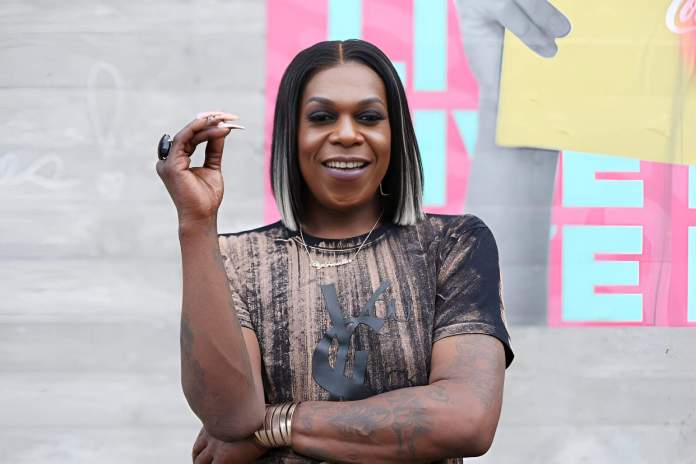
6. Big Freedia

Also known as the “Queen of Bounce,” Big Freedia has taken the energetic rhythms of New Orleans bounce music to a world stage. In addition to her contagious enthusiasm and iconic performances, Freedia embodies resilience, joy, and unapologetic queerness. As a Black, queer, and gender-nonconforming artist, she’s made space for voices that are too often marginalized within the context of mainstream music. High-profile collaborations with Beyoncé and Drake have helped further amplify her audience, while her reality TV show has provided a behind-the-scenes glimpse into her work. Big Freedia’s influence extends far beyond song—she’s a cultural icon who worships individuality and unity with each beat.

Image Source: Bing Image. License: All Creative Commons

5. Rob Halford

Heavy metal has traditionally been linked with hyper-masculine power, but Judas Priest lead singer Rob Halford broke the mold. Publicly coming out as gay in 1998, Halford provided the genre with much-needed visibility, which it too often shunned. Despite fears of backlash, fans rallied behind him, proving that authenticity strengthens rather than diminishes artistry. Halford’s continued success in the metal scene has paved the way for greater acceptance and visibility in one of music’s toughest spaces. His story reminds us that being true to yourself doesn’t weaken your legacy—it makes it indestructible.

Image Source: Bing Image. License: All Creative Commons

4. George Michael

George Michael’s music career was glittering from the start, first as half of Wham! And subsequently, as a solo act with hits that cannot be forgotten, such as “Faith” and “Freedom! ’90.” But once he came out, he transcended being a pop sensation; he became an influential voice for HIV/AIDS education and gay rights. His charity work was subtle, but its effect was far-reaching, donating funds and combating stigma with both his voice and his purse. Michael’s creativity and activism blended, creating a legacy that was not only musical but also profoundly humanitarian. He demonstrated to the world that pop stars could leverage their fame for higher purposes.

Image Source: Bing Image. License: All Creative Commons

3. Little Richard

Well before mainstream America was prepared, Little Richard was redefining the rules of rock and roll. With his flamboyant attire, explosive stage presence, and raw power, he set the stage for the genre itself. As a Black, queer man in 1950s America, he was frequently “too much” for a homophobic industry—to queer, too brazen, too unrepentant. And yet his impact cannot be denied. If not for Little Richard, the sound and appearance of rock that we are familiar with today would not be possible. His narrative serves as a reminder that innovation is more likely to be found in those who are unwilling to be placed in society’s strict boxes.

Image Source: Bing Image. License: All Creative Commons

2. Akihiro Miwa

Akihiro Miwa has been a cultural icon in Japan since the 1950s, pushing boundaries as a cabaret singer, actor, drag queen, and activist. His androgynous fashion and stage presence magnetism made him impossible to ignore, and his candid expression of same-gender love was radical in a society that tended to stifle it. Throughout the decades, Miwa is now more than just an entertainer; he is a symbol of strength and LGBTQ+ visibility in Japan. His music and activism have opened doors for future generations, so that he is not only an icon but a living legend.

Image Source: Bing Image. License: All Creative Commons

1. Benjamin Britten

Right at the top of this list is Benjamin Britten, arguably the most important composer of the 20th century. While homosexuality was illegal, Britten openly lived with his lover, tenor Peter Pears, and dedicated numerous pieces to him. With his music and his existence, Britten defied the notion that love between two men was something to be closeted. Rather, he honored it in some of the most beautiful and profound works of the modern age. His willingness to be authentic in his work, even in the face of persecution, has left a legacy that goes beyond music—it’s a tribute to the long-term potency of love and art in the face of bigotry.

Image Source: Bing Image. License: All Creative Commons

A Legacy Louder Than Music

These recording artists did not merely have hits; they created history. They made art, they made activism, and they dared to live openly, and they remapped the cultural topography in ways that continue to resound today. They each dismantled walls—sometimes with softness, sometimes with thunder—and left the world a little bit freer than when they entered it. Though the battle for equality and representation continues, their music reminds us that change always has a soundtrack. And because of them, it’s louder, braver, and more beautiful than ever.

10 Shonen Anime That Shaped Pop Culture

0
Image Source: Bing Image. License: All Creative Commons

Shonen anime is not just a storytelling genre—it is a whole new world phenomenon. For several decades, it has fascinated the entire globe’s audience, leading to the widespread practice of dressing up as our favorite characters, influencing the global youth culture, and convincing more than a few of us that we would discover our latent superpowers if we screamed loud enough. Their mixture of action, comedy, and emotion has not only amused us to the core—they have shifted the perception of anime globally. Here is a count-up of the top 10 shonen milestones that completely redefined the rules of pop culture.

Image Source: Bing Image. License: All Creative Commons

10. My Hero Academia

Izuku Midoriya’s change from a powerless dreamer to a symbol of hope has lifted the imagination of the whole world of youngsters. Applying a superhero twist to the traditional underdog shonen narrative, My Hero Academia managed to stir up fresh interest in the genre. Moreover, its concentration on tenacity, guidance, and rivalry resonated so strongly that it found itself everywhere at the same time, not only at conventions but also in fan artworks and different cosplays. The fact that the urge to be “the hero” is beyond time is proven again and again.

Image Source: Bing Image. License: All Creative Commons

9. Jujutsu Kaisen

None but maybe just scant contemporary shows could have reached such heights as Jujutsu Kaisen did in such a short time. The breathtakingly beautiful fight animation, the scary supernatural elements, and the hilariously quirky cast of misfits were the winning formulas that made it an overnight sensation. The clever combination of humor, horror, and emotionally deepening character arcs of Jujutsu Kaisen has been the source of millions of fan theories, edits, and artworks scattered across the internet. It is not just a show that has become a fan phenomenon; instead, it is the benchmark for what today’s high-octane, fashionable shonen can be.

Image Source: Bing Image. License: All Creative Commons

8. Slam Dunk

Haikyuu!! May have had us spiking volleyballs, but it was Slam Dunk that was making basketball go cultural in Japan first. With its blend of sporting action, team dynamic, and character-based melodrama, it established the template for every sports anime that came after. And now, with the recent First Slam Dunk film—helmed by creator Takehiko Inoue himself—the series has brought its high-risk drama to a new generation. If you’ve ever felt the urge to grab a ball after watching anime, you owe it to Slam Dunk.

Image Source: Bing Image. License: All Creative Commons

7. Hunter x Hunter

Yoshihiro Togashi’s Hunter x Hunter was always unique. It was known for its baffling story developments, characters that could not be strictly good or bad, and highly detailed world-building, and yet it did not follow the normal shonen conventions. It really pushed the audience through the hard Hunter Exam and the heartbreaking Chimera Ant arc. The present-day series that have complex characters, have creative power systems, and have real psychological mysteries are the ones significantly indebted to it.

Image Source: Bing Image. License: All Creative Commons

6. One Piece

One Piece is probably the closest thing to a perfect depiction of an adventurous spirit. Eiichiro Oda’s pirate saga is a completely self-contained world—a world that is huge, completely illogical, and endlessly inspiring. Its themes of freedom, loyalty, and pursuing the impossible have led it to become a landmark among anime audiences rather than just a show. No other work has had the same reach and repercussion as it does; therefore, it could be considered as one of the great cultural achievements of Japanese narrative.

Image Source: Bing Image. License: All Creative Commons

5. Fullmetal Alchemist: Brotherhood

This anime was a perfect mix of emotional storytelling and thoughtful reflections on morality, sacrifice, and the limits of human ambition. Fullmetal Alchemist: Brotherhood really showed that it was possible to have a philosophical side without losing the shonen spirit, and its concise script has been praised by both critics and fans. It was a stunning example of how anime could blend the spectacular with soul-searching questions, and it is still among the most popular shows ever made.

Image Source: Bing Image. License: All Creative Commons

4. Naruto / Naruto: Shippuden

The evolution of Naruto Uzumaki from a lonely troublemaker to the beloved Hokage was what made Naruto a legendary anime. Through its persistence, friendship, and the desire to be recognized as its main themes, the show managed to reach the hearts of millions of viewers. Also, its extensive plotlines and unforgettable visuals—ninja headbands, hand signs, and emotional rivalries—were not only confined to Japan, but they have become worldwide symbols of anime culture. Even nowadays, it is still considered a gateway series that has influenced innumerable fans’ first encounters with anime.

Image Source: Bing Image. License: All Creative Commons

3. Demon Slayer: Kimetsu no Yaiba

The worldwide success of Demon Slayer was the result not only of its flashy visuals and gut-wrenching storytelling but also the incredibly short time it took to get there. Ufotable’s animation has become a reference point for anime battles in terms of crispness and dynamism, while the Mugen Train film has set new records for the box office and reinvented the way anime movies take over the global market. Fans from the world of anime and beyond are eagerly watching as they see the family dynamic, death struggles, and marvelous artistry of Demon Slayer becoming the newest classic that will go down in history.

Image Source: Bing Image. License: All Creative Commons

2. Attack on Titan

The announcement of Attack on Titan caused a sensation as if it were a cultural disaster. It’s Dark World, with constant tension and unexpected plot twists that quickly hooked the fans of anime beyond the usual boundaries of the genre. The show went on to change the game of shonen by delving into much darker and more complex issues—questioning freedom, morality, and the very essence of humanity. It was the beginning of the current trend for epic anime with high stakes, as you can see many of the series that follow have borrowed from it.

Image Source: Bing Image. License: All Creative Commons

1. Dragon Ball Z

The queen of shonen, Dragon Ball Z, is simply not an anime; it is a cultural language. The series has all the elements from power-ups and transformations to friendship-fueled victories and has influenced the entire shonen genre after it. The battles of Goku, Vegeta’s pride, and those iconic fight scenes were not only the creation of anime culture but also had an impact on fitness culture, music, art, and even sports. Even after many years, people will still be shouting “Kamehameha!” at gyms, playgrounds, and anime cons. This is not only nostalgia but also legacy.

Image Source: Bing Image. License: All Creative Commons

Shonen anime has never been just about the entertainment—it has always been a communal experience. It can be found in the memes, the merch, the conventions, and the conversations. If you are into power levels, rewatching your favorite arcs, or simply wearing an Akatsuki hoodie, then you are part of a global community that is formed by these stories. The shonen’s real power is that it connects us, inspires us, and keeps us coming back for more.

Top 10 Gorgeous Smiles in Hollywood

0
Image Source: Bing Image. License: All Creative Commons

Let’s face it: in Hollywood, a smile is not just about teeth—it’s a trademark. That dazzling grin can make stars, make an image, and even go on to become iconic in their own right. Whether it’s a red carpet close-up or a rom-com close-up, celebrity smiles create what we consider to be “perfect.” But whose do we most admire, and how did they achieve theirs? Let’s dissect the 10 most blindingly brilliant smiles in Hollywood—along with a bit of backstory, a bit of glow-up, and loads of envy-inducing charm.

Image Source: Bing Image. License: All Creative Commons

10. Zac Efron: From Teen Idol to Leading Man

Way back in his early High School Musical days, Zac Efron’s smile wasn’t so much the perfect one we see now. With a bit of cosmetic tweaking—closing gaps, straightening, whitening—he came out with one of Hollywood’s most swoon-inducing grins. It’s no wonder his teeth are the most sought-after look at dental clinics worldwide.

Image Source: Bing Image. License: All Creative Commons

9. Miley Cyrus: The Pop Star’s Glow-Up

Miley’s evolution from Disney darling Hannah Montana to international superstar involved more than a new look and sound—her smile improved dramatically, too. Previously a bit crooked, her teeth are now straight, radiant, and camera-ready courtesy of veneers. That mischievous smile is as much a trademark as her vocals.

Image Source: Bing Image. License: All Creative Commons

8. Tom Cruise: Mission Accomplished

Tom Cruise is known for his action stunts, but his true superpower is that smile. Growing up, his teeth were distinctly crooked and stained. With braces, whitening, and veneers, he now has one of the most recognizable smiles in the industry—a prime example of how work in the dentist’s chair can appear both natural and perfect.

Image Source: Bing Image. License: All Creative Commons

7. Jennifer Garner: The Sweetheart Smile

Jennifer Garner’s smile is absolute warmth—bright, welcoming, and completely accessible. It’s the sort of smile that looks genuine, not too done, and that’s why fans adore it. Several patients at dental clinics even request “the Jennifer Garner smile,” which goes to show that charm wins over perfection.

Image Source: Bing Image. License: All Creative Commons

6. Beyoncé: All Hail the Queen

Beyoncé isn’t just reigning supreme in music—her smile is also legendary. With blindingly white teeth and a megawatt smile, she illuminates every red carpet and stage. She’s famous for being ultra-fussy about her teeth, brushing, and flossing daily. No surprise her smile is as potent as her vocals.

Image Source: Bing Image. License: All Creative Commons

5. George Clooney: The Silver Fox Effect

George Clooney’s smile is ageless—confident, charming, and slightly wicked. He has preserved his look with minimal but efficient treatments such as whitening, ensuring that it remains natural yet polished. That effortless perfection has established him as the ultimate Hollywood cool icon.

Image Source: Bing Image. License: All Creative Commons

4. Julia Roberts: Hollywood’s Benchmark

If there’s a gold standard for celebrity smiles, it’s Julia Roberts’. Her expansive, contagious smile has been captivating viewers since Pretty Woman. It’s not just symmetry or brightness—it’s what lies behind it, the warmth and happiness, that makes hers the most sought-after smile in cosmetic dentistry clinics.

Image Source: Bing Image. License: All Creative Commons

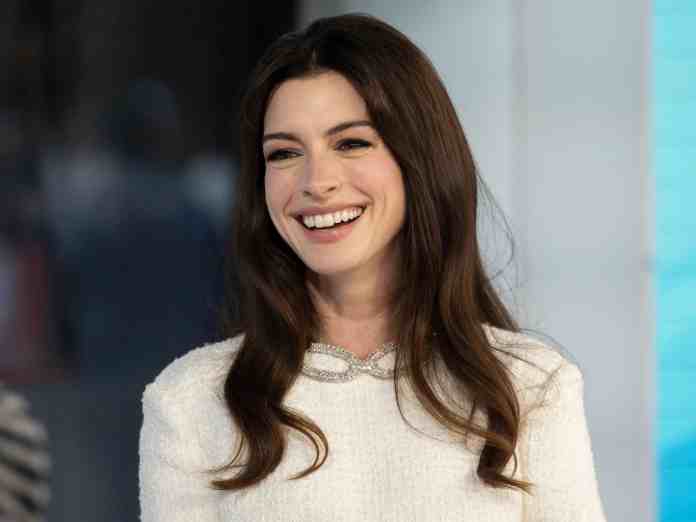
3. Anne Hathaway: Authentic Radiance

Anne Hathaway’s smile is both glamorous and down-to-earth. It’s real, warm, and unmistakable, contributing to her down-to-earth appeal on and off the screen. She’s evidence that a spontaneous, emotive smile can be every bit as beautiful as a highly constructed one.

Image Source: Bing Image. License: All Creative Commons

2. Dua Lipa: A Modern Makeover

Dua Lipa’s smile has undergone quite the makeover. Following alignment problems and dental repairs, she had veneers and crowns fitted, which provided her with a bold, slightly off-the-wall look—one that’s now unmistakably hers. It’s gritty, glamorous, and absolutely on point for the pop star.

Image Source: Bing Image. License: All Creative Commons

1. The Iconic “Hollywood Smile” Itself

Ultimately, the ultimate winner isn’t any particular celebrity—it’s the concept of the “Hollywood Smile.” Veneers, bleaching, bonding, Invisalign… the pursuit of flawless teeth has become an industry in and of itself. Celebrities might be the trendsetters, but it’s apparent that the rest of us are hot on their heels. For confidence, beauty, or simply staying up to red-carpet standards, the Hollywood Smile is more of a cultural phenomenon than ever.

Image Source: Bing Image. License: All Creative Commons

Smiles can be such a little thing, but in Tinseltown, they’re everything. From effortless charm to meticulously crafted pearly whites, these smiles are the best proof that the right smile really can brighten the world—or at least the big screen.

15 Celebrity Recovery Stories That Inspire

0
Image Source: Bing Image. License: All Creative Commons

Let’s be honest: Hollywood lives and dies on comebacks, but nobody gets the public’s heart in quite the same way as a redemption story. Behind the red carpet, flashing lights, and million-dollar grins are individuals fighting their own demons—addiction, relapse, and the struggle to reclaim their lives. Fame does not shield anyone from suffering, but what makes these stars so admirable is that they’ve been able to transform moments of profound hurt into tales of resilience. They’ve taken their lowest points and transformed them into sources of hope for millions watching from the sidelines. So grab a seat (and maybe trade that cocktail for a smoothie), because we’re counting down 15 of the most powerful celebrity recovery stories—proving that the best role anyone can play is themselves, fully and authentically.

Image Source: Bing Image. License: All Creative Commons

15. Kat Von D – From Inked Nights to Sober Days

Before she was a household name with her tattooing and beauty empire, Kat Von D was trapped in a vicious cycle of late nights and drinking. Initially, she believed it was all part of the artistic lifestyle, but soon she realized it was taking her away from her art and from herself. Choosing sobriety was not simple, but more than ten years on, Kat is a successful businesswoman and proud mother. Her journey demonstrates that sometimes the best designs aren’t on skin—they’re the ones we carve out for our lives when we decide to change.

Image Source: Bing Image. License: All Creative Commons

14. Tim McGraw – Swapping Whiskey for Wellness

Country music icon Tim McGraw reached rock bottom when the people around him expressed concern about his alcohol use. That wake-up call caused him to examine the decisions he was making. Cut forward over ten years, and McGraw has completely transformed his lifestyle. Today, he spends his energy on exercise, discovering a healthy haven in workouts rather than a bottle of booze. His training has not merely transformed his body but also his mind, demonstrating that strength isn’t just about pumping iron—it’s about raising yourself above self-destructive patterns.

Image Source: Bing Image. License: All Creative Commons

13. Drew Barrymore – From Wild Child to Grounded Woman

Few celebrities have grown up in the public eye as fiercely as Drew Barrymore. At 14, she had already been through rehab, and the celebrity magazines simply couldn’t get enough of her crazy teenage years. But Barrymore’s tale is not one of defeat. It’s a tale of finding peace again. She kept her journey sober to herself for a period, but she ultimately let her guard down and openly admitted that she’d found peace where there had formerly been only turmoil. Now, she openly talks of her journey, demonstrating that regardless of how much of a mess you start in, healing and happiness can be achieved with perseverance.

Image Source: Bing Image. License: All Creative Commons

12. Daniel Radcliffe – Life After the Wizarding World

As the curtain closed on Harry Potter, Daniel Radcliffe was left to make sense of fame at an age when others are just trying to figure out who they are. The pressure drove him to drink heavily, using booze as a crutch to cope with anxiety and OCD. But in 2010, he decided to go sober, and it’s been a defining moment in his life ever since. Now, Radcliffe not only keeps acting but also speaks out to inspire other young people who are dealing with similar issues. His candour reminds us that even “the boy who lived” had to struggle to really live.

Image Source: Bing Image. License: All Creative Commons

11. Jamie Lee Curtis – Her Greatest Achievement

Regarded as one of Hollywood’s first scream queens, Jamie Lee Curtis hid a secret struggle against opioid addiction for years after initially using the prescription drugs as painkillers for routine surgery. She kept it under wraps for almost a decade while she established her career and raised her family. When she became sober at last, she called it the greatest achievement of her life—more than any award, any role, or even relationships. Curtis’s path to recovery is a strong reminder that the biggest wins most often occur off-camera. 

Image Source: Bing Image. License: All Creative Commons

10. Macklemore – Transparent About the Fight

Macklemore’s fame was meteoric, yet in private, his fight with addiction almost stole it all. In 2008, following an intervention with his dad, he got sober. Ever since, he’s talked openly about the ebbs and flows, as well as the relapses along the way. His honesty regarding the non-linear course of recovery is a welcome relief in an industry that too often acts like struggle doesn’t happen. By being honest, Macklemore demonstrates that recovery means progress, not perfection—and that honesty can be as powerful as triumph.

Image Source: Bing Image. License: All Creative Commons

9. Ben Affleck – Public Struggles, Private Development

Ben Affleck has had a career full of blockbuster successes and Oscar victories, but his alcohol problem has played out in public view. He’s had multiple trips to rehab, and he’s said it took him years to admit that he was an alcoholic. With the encouragement of close friends such as Bradley Cooper and Robert Downey Jr., Affleck has come to confront his addiction more directly. Today, his priority is to be the best father possible. This is a story of perseverance—a testament that recovery is not so much about one single turnaround but rather about showing up every day.

Image Source: Bing Image. License: All Creative Commons

8. Demi Lovato – Surviving and Thriving

Demi Lovato’s addiction and mental health struggles have been painfully public, reaching a near-fatal overdose in 2018. Rather than shying away from the public eye, Lovato went back into recovery and began to use their voice to fight for others. Their willingness to be open about their journey has made them a beacon of strength for millions of fans. Lovato’s story shows that living through rock bottom can result in flourishing—and that exposing your wounds may heal others’ as well.

Image Source: Bing Image. License: All Creative Commons

7. Elton John – Rocket Man, Grounded at Last

During the early days of his stardom, Elton John’s existence was a haze of decadence—cocaine, booze, and pot dominated his days. By 1990, though, he reached rock bottom, filled with self-loathing and shame. A life-defining meeting with a fan provided him with the clarity he required, and he has stayed sober ever since. Today, Sir Elton is not just a music icon but also a beacon of guidance within the recovery community and an advocate for HIV/AIDS awareness. His makeover testifies that even the brightest stars can become lost—and then rediscover their path.

Image Source: Bing Image. License: All Creative Commons

6. Eric Clapton – Applying His Story to Others

Eric Clapton’s fight with heroin and alcoholism in the 1970s came close to ending his career and his life. But rather than give in, Clapton turned towards sobriety and has now remained sober for over 30 years. His own struggle led him to create a treatment center, and numerous other people have found freedom from addiction by seeking its help. Clapton’s dedication to activism is a testament to how individual healing can cause a ripple effect, converting pain into purpose.

Image Source: Bing Image. License: All Creative Commons

5. Bradley Cooper – Rock Bottom to Stardom

Bradley Cooper has confessed that in his late 20s, alcohol was taking him down the wrong path. A stern-but-loveful chat with actor Will Arnett was the wake-up call that made Cooper seek sobriety at 29. Close to twenty years on, he is one of Hollywood’s leading actors and directors, incorporating his own life experiences into performances such as Jackson Maine in A Star Is Born. His tale is proof that recovery can open not only up stability but creative greatness.

Image Source: Bing Image. License: All Creative Commons

4. Robert Downey Jr. – The True Redemption of a Hero

Few comebacks are as legendary as Robert Downey Jr.’s. Once branded Hollywood’s “bad boy” for his arrests and addiction struggles, he managed to rebuild his life and career after getting sober in 2003. The world came to know him as Iron Man, but RDJ himself credits recovery as the real superpower that made his resurgence possible. His journey from self-destruction to global icon shows that it’s never too late to rewrite your story.

Image Source: Bing Image. License: All Creative Commons

3. Eminem – Beyond the Edge of Life

In 2007, Marshall Mathers came close to death from a methadone overdose. The wake-up call drove him into rehab and into a new life. His similarly named album Recovery chronicles the gut-wrenching, painful, and ultimately redemptive process of becoming clean. Sobriety, Eminem has said, made the world seem fresh again, and that sense of rediscovery pervades his music. His vulnerability serves as a testament that vulnerability and strength are often in the same package.

Image Source: Bing Image. License: All Creative Commons

2. Carrie Fisher – Waging Wars On and Off Screen

Carrie Fisher was beloved across the globe as Princess Leia, but her own battles with bipolar disorder and addiction were every bit as heroic as anything found in Star Wars. In contrast to many in Hollywood, Fisher opted to be brutally candid about her experiences, employing humor and candor as weapons against stigma. She was a vocal advocate for mental wellness, inspiring many people well before advocacy was the norm. Even though she is no longer alive, Fisher’s life as both an artist and a teller of truth still radiates. 

Image Source: Bing Image. License: All Creative Commons

1. Anthony Hopkins – Almost 50 Years Sober

Sir Anthony Hopkins has been sober for almost half a century, but the start of his journey was traumatic. He remembers one late night of drunk driving, not remembering a thing, when suddenly it struck him that he needed help. That was the break in his life. Now, Hopkins attributes sobriety with offering him a second chance—not just with his career, which thrived afterward—but with life itself. His recovery is a forceful testament to how change for the better starts with a genuine choice.

Image Source: Bing Image. License: All Creative Commons

Hollywood loves second chances, but these tales are more about second acts than career comebacks. They serve as a reminder that beneath each photo-shopped shot or Oscar-winning performance is an individual who has battled battles most of us get to ignore. And ultimately, the most courageous role those stars have ever played is themselves—sober, strong, and looking forward to the next act.

Top 10 Paul Rudd Movies

0
Image Source: Bing Image. License: All Creative Commons

Let’s face it: Paul Rudd may very well be immortal. He’s charming, perpetually watchable, and somehow still sporting the same boyish sheen decades deep into his career. Whether shrinking down into superhero form, spouting one-liners in wacky comedies, or demonstrating unexpected dramatic range, Rudd has assembled a body of work as varied as it is beloved. But of all his performances, which truly stand out? Here are the top 10 Paul Rudd movies, ranked in countdown fashion, because a little tension makes everything more exciting.

Image Source: Bing Image. License: All Creative Commons

10. The Fundamentals of Caring (2016)

This indie classic demonstrates Rudd is more than the comedic star with impeccable timing—he’s a serious range. As Ben, a failed novelist turned caregiver, Rudd walks the tightrope between humor and real emotion in a heartwarming road-trip dramedy that showcases his softer, more vulnerable side.

Image Source: Bing Image. License: All Creative Commons

9. Clueless (1995)

The film that made one generation swoon over Paul Rudd. As Josh, Cher’s down-to-earth ex-stepbrother, he’s the quick-witted, sarcastic foil to the Beverly Hills mayhem. Own it—you wondered about the entire “ex-stepbrother” premise, but Rudd’s charisma pulled it off.

Image Source: Bing Image. License: All Creative Commons

8. Ant-Man (2015)

Who would have thought Rudd would star in a Marvel blockbuster? As Scott Lang, the world’s most human Avenger, he’s a thief and a loving father who just wants to be a better man. Rudd captures the right amount of humor and humanity, making an offbeat character into a fan favorite.

Image Source: Bing Image. License: All Creative Commons

7. Wet Hot American Summer (2001)

Long before he was MCU’s lovable Howard Stark, Rudd was Andy—the arrogant camp counselor with fabulous hair and poor table manners. This cult classic is absolute madness, and Rudd’s scenery-chewing turn is one of its most hilarious moments. His atrociously bad boyfriend bit? Legendary.

Image Source: Bing Image. License: All Creative Commons

6. Forgetting Sarah Marshall (2008)

Rudd’s contribution as Kunu, the surfer-dude instructor, is limited, yet indelible. His spaced-out monologues command every scene and demonstrate that he can topple a supporting actor as effortlessly as a lead.

Image Source: Bing Image. License: All Creative Commons

5. Anchorman: The Legend of Ron Burgundy (2004)

As Brian Fantana, Rudd brought one of his most quotable performances. With the mustache, the machismo, and that fabled cologne, he’s an absurd but vital member of Channel 4 news. Sixty percent of the time, this film is hilarious every time.

Image Source: Bing Image. License: All Creative Commons

4. Avengers: Endgame (2019)

In the MCU’s grandest affair, Ant-Man wasn’t only comic relief—he was the man with the scheme. Rudd walks the walk of emotional beats with comedy, and Scott Lang becomes the heart of the film. And only he could make a taco-eating scene become one of the most human MCU moments.

Image Source: Bing Image. License: All Creative Commons

3. The 40-Year-Old Virgin (2005)

A comedy masterwork filled to the brim with talent, and yet Rudd is still able to outshine as David, the heartbroken buddy with too much baggage. From the ex-obsession to the classic Michael McDonald skit, Rudd hits every cringe-worthy, laugh-out-loud moment.

Image Source: Bing Image. License: All Creative Commons

2. Knocked Up (2007)

As snarky but endearing dad Pete, Rudd achieves complete chemistry with Leslie Mann—so much so, they received their own spin-off (This Is 40). He acquires the everyman feel, whether sneaking away for fantasy baseball or attempting to hold his family intact.

Image Source: Bing Image. License: All Creative Commons

1. The Perks of Being a Wallflower (2012)

Rudd’s most unassuming performance could be his best. As Mr. Anderson, the nurturing teacher, he utters one of the film’s most quotable lines—”We accept the love we think we deserve”—with such authenticity that it lingers long after the credits roll. It’s evidence that occasionally the smallest performances leave the biggest impression.

Image Source: Bing Image. License: All Creative Commons

Paul Rudd’s career is a combination of laugh-out-loud comedies, sentimental dramas, and blockbuster extravaganzas. Whether he’s having us laugh, weep, or root for the underdog, he’s demonstrated time and again why he’s Hollywood’s most popular (and timeless) star.