Image Source: Bing Image. License: All Creative Commons
Amazon Prime Video does not necessarily steal the show the way Netflix or Apple TV+ does, but perhaps that is the intention. Rather than racing to keep up with the buzz, it has quietly amassed one of the most eclectic film collections around. Blockbusters? Check. Indie darlings? Absolutely. Foreign favorites? You bet. Cult classics you somehow missed? Plenty. Whatever your mood, serious drama, quirky comedy, or something that just gets you there. Prime has a movie waiting in the wings. Here’s a countdown of the 10 greatest films you can currently stream on Prime Video.
Image Source: Bing Image. License: All Creative Commons
10. Sound of Metal
Few movies draw you in so thoroughly as Sound of Metal. Riz Ahmed’s gut-punch of a performance as a drummer whose career and identity collapse when he loses his hearing is abetted by sound design that’s so immersive, you experience every second of his confusion. With remarkable supporting turns from Olivia Cooke and Paul Raci, and Oscars for Best Sound and Best Film Editing, this one stays with you long after the credits.
Image Source: Bing Image. License: All Creative Commons
9. Saltburn
Emerald Fennell’s Saltburn is sloppy, chic, and impossible to turn away from. Barry Keoghan heads an ensemble cast that also features Rosamund Pike and Jacob Elordi in a sinister tale of obsession and entitlement among Britain’s upper class. The film turned into a viral sensation due to its outrageous third act and that infamous Murder on the Dancefloor monologue. Hate it or love it, you’ll never forget it.
Image Source: Bing Image. License: All Creative Commons
8. The Vast of Night
Like your sci-fi creepy and subtle? The Vast of Night is a budget miracle that relies on mood and narrative rather than spectacle. In 1950s New Mexico, it centers around a switchboard operator and a radio DJ who discover a mysterious radio frequency that may not be of this earth. With witty dialogue, smart camera work, and sheer atmosphere, it’s indie sci-fi at its best.
Image Source: Bing Image. License: All Creative Commons
7. Air
A sneaker movie is a tough sell until you see Air. Ben Affleck directs the behind-the-scenes tale of how Nike wagered everything on a then-young Michael Jordan. With Matt Damon, Viola Davis, and Affleck along for the ride, the film makes corporate deal-making a high-stakes, unusually emotional trip. You’ll never glance at Jordans the same again.
Image Source: Bing Image. License: All Creative Commons
6. My Old Ass
This coming-of-age dramedy takes a wild premise, an 18-year-old meeting her older self during a mushroom trip, and spins it into something funny, heartfelt, and surprisingly profound. Aubrey Plaza and Maisy Stella share a unique chemistry that makes the story of regret, advice, and self-discovery all the more moving. It sneaks up on you in the best way.
Image Source: Bing Image. License: All Creative Commons
5. Deep Cover
Picture if improv comedians were forced to go undercover in London’s underworld, yep, that’s Deep Cover. Starring Orlando Bloom, Bryce Dallas Howard, and Nick Mohammed, it’s half heist, half parody, and pure anarchy. The premise is ridiculous, but that’s the point: it’s a daring comedy that’s as dedicated to the gag as its misfit cast.
Image Source: Bing Image. License: All Creative Commons
4. American Fiction
Witty, acerbic, and laugh-out-loud funny, American Fiction is a scathing critique of the publishing world and the clichés it pays off. Jeffrey Wright stars as a writer who writes a spoof book in despair, only to watch it become a bestseller. Part comedy and part commentary, it’s one movie that both entertains and engages you, which is why it’s raking in the awards.
Image Source: Bing Image. License: All Creative Commons
3. Heads of State
If you’re craving a throwback action-comedy, Heads of State delivers. John Cena as the U.S. President and Idris Elba as the British Prime Minister are forced to team up after a disaster strikes mid-flight. Their constant bickering is half the fun, while Priyanka Chopra Jonas rounds out the chaos as an MI6 agent. It’s big, loud, and doesn’t take itself too seriously.
Image Source: Bing Image. License: All Creative Commons
2. Challengers
Leave it to Luca Guadagnino to make tennis seem downright operatic. Challengers features Zendaya as a fallen prodigy caught between her husband (Mike Faist) and her former (Josh O’Connor). It’s sensual, taut, and emotionally intense, with performances that almost justify award consideration. Love tennis or care not, this one’s a knockout.
Image Source: Bing Image. License: All Creative Commons
1. Conclave
Leading the pack is Conclave, a tense drama of election season for a new Pope. Featuring Ralph Fiennes, Stanley Tucci, and John Lithgow, it’s a power, secret, ambition-filled tale set in the Vatican. Directed by Edward Berger, it’s a prestige cinema that’s as dramatic as any political thriller.
Image Source: Bing Image. License: All Creative Commons
So, next time you’re scrolling endlessly, wondering what to watch, skip the debate. Prime Video has already done the work for you. These films are the kind of lineup that justifies your subscription all on their own.
Image Source: Bing Image. License: All Creative Commons
Let’s get real: Law & Order is not just a TV show—it’s a cultural reference point. For decades, it’s been our default mix of crime, justice, and that classic “DUN DUN!” that still sends shivers down spines. But beyond all the sensationalized instances and courtroom drama, what really gets audiences in the gut is the losses, whether it’s a fabricated character meeting a miserable end or an actual death of actors that helped make the franchise what it is. Here’s a rundown of the 10 saddest Law & Order deaths, from sad to just plain devastating.
Image Source: Bing Image. License: All Creative Commons
10. Dennis Farina (Detective Joe Fontana): The Cop Who Kept It Real
Dennis Farina was not faking being a detective; he really was one. Before playing Detective Joe Fontana, Farina spent years on the force with the Chicago Police Department. His charisma, sharp wit, and hard-boiled gravitas brought a much-needed boost of excitement to Law & Order during the mid-2000s. When Farina died in 2013 from a pulmonary embolism at age 69, fans mourned the loss of an actor who energized the crossover between real police work and TV drama. He is sorely missed.
Image Source: Bing Image. License: All Creative Commons
9. Detective Max Greevey (George Dzundza): The First On-Screen Gut Punch
Right from the beginning, Law & Order demonstrated that it would not hesitate to give its viewers a gut punch. In the premiere of Season 2, George Dzundza’s Detective Max Greevey was gunned down outside his home in a twist that left viewers gasping. His premature death sent word that no one on the franchise was safe. For faithful fans, Greevey’s murder was the first of the series’ numerous break-ups, and it prepared the way for four decades of unpredictable narratives.
Image Source: Bing Image. License: All Creative Commons
8. Judge Margaret Barry (Doris Belack): The Courtroom Powerhouse
The Law & Order judges aren’t necessarily top-star billed, but they are part of the very fabric of the show. Doris Belack’s Judge Margaret Barry embodied authority, wisecracking humor, and no tolerance for BS at all. She was a commanding presence on screen who could make every courtroom showdown she ever appeared in better by virtue of her presence alone. When Belack passed on at the age of 85 in 2011, fans lost one of the most iconic legal characters of the franchise. She left a toughness and gravitas that none could hope to match.
Image Source: Bing Image. License: All Creative Commons
7. ADA Alexandra Borgia (Annie Parisse): The Most Horrifying Exit
No Law & Order storyline was more brutal than the demise of ADA Alexandra Borgia. During Season 16’s season finale, Borgia was abducted, tortured, and left for dead, surrounded by a jarring, gruesome death that traumatized both the actors and audience alike. Annie Parisse’s performance had brought energy and zing to the show, so her exit was even tougher to accept. To this day, Borgia’s death remains one of the franchise’s darkest, most haunting moments.
Image Source: Bing Image. License: All Creative Commons
6. Steven Hill (DA Adam Schiff): The Early Years
Moral Compass. Before the coming of Sam Waterston’s Jack McCoy as the face of the show, there was Adam Schiff, the calm but obstinate district attorney who played Steven Hill. With his firm hand and philosophical streak, Hill gave Law & Order its moral grounding in the early years. Hill passed away in 2016 at the age of 94, having left behind a decades-long legacy. Schiff’s departure was a transition point, and viewers still fondly remember him as one of the show’s foundations.
Image Source: Bing Image. License: All Creative Commons
5. ADA Claire Kincaid (Jill Hennessy): The Crash That Changed McCoy Forever
No-nonsense, solid, and never hesitant to trade barbs with Jack McCoy, Claire Kincaid was loved by viewers. Her on-screen death in a car accident at the end of Season 6 shocked viewers and left McCoy with a nagging sense of guilt and grief that would last for years. Jill Hennessy brought warmth and strength to the character, and Kincaid’s passing became a lingering shadow over the show. To many viewers, it was one of the most tragic twists in Law & Order history.
Image Source: Bing Image. License: All Creative Commons
4. Jerry Orbach (Detective Lennie Briscoe): The Heart of the Franchise
Lennie Briscoe wasn’t just another detective—he was Law & Order. Jerry Orbach’s sarcastic one-liners, bemused worldly charm, and deep humanity were the heart of the series. Viewers mourned not an actor, but a television icon, when Orbach passed away from cancer in 2004 at age 69. Briscoe’s personality remains a standard for crime drama, and his influence on the genre cannot be overstated.
Image Source: Bing Image. License: All Creative Commons
3. Richard Belzer (Detective John Munch): The Crossover King Supreme
John Munch was the most unlike any other TV detective—sarcastic, conspiracy-theorizing, and quotably boundless. Richard Belzer played him for 22 seasons on Law & Order: SVU, Homicide: Life on the Street, and beyond, which made him one of the longest-running characters in TV history. Belzer’s death in 2023 at 78 came as a shock to fans, especially since his dying words were as wickedly funny as his iconic character. Munch remains a cult favorite and one of the most distinctive products of the franchise.
Image Source: Bing Image. License: All Creative Commons
2. Andre Braugher (Bayard Ellis): Died Too Soon
Though not a veteran cast member, Andre Braugher’s Bayard Ellis left a big impression as a defense lawyer unafraid to shake up the SVU squad. Braugher’s natural authority and commanding presence instilled every scene with electricity, and his crossover credentials as Frank Pembleton added extra depth for veteran TV watchers. His death in 2023 at the relatively young age of 61 was a terrible shock. Colleagues like Mariska Hargitay called him “one of the great hearts,” and his loss continues to be deeply felt within the profession.
Image Source: Bing Image. License: All Creative Commons
1. The Unsung Heroes: Guest Stars and Judges Who Made the World Real
Law & Order’s strength is not only its leads but the enormous ensemble of recurring actors who gave the show its sense of realness. Recurring judges, repeat defense attorneys, and bit actors gave the franchise a lived-in quality that few shows ever achieve. The fandom has lost many of these faces over the years—Lynn Cohen, James Rebhorn, Philip Bosco, Ron Silver, Larry Sherman, and hundreds more. Collectively, they made it all and made Law & Order look like a real world, and not a TV show. They have left their prints on reruns and in popular memories.
Image Source: Bing Image. License: All Creative Commons
Law & Order was always concerned with justice, but it’s also concerned with human beings—the detectives, attorneys, judges, and even guest stars that made the stories real. These on-screen and off-screen losses serve to remind us that the strength of the franchise lies not in its cases but in the characters we grew to love, and the actors who played them.
Image Source: Bing Image. License: All Creative Commons
Let’s be real—Hollywood adores a leading man who literally stands above the rest. Whether he’s taking over the screen with his presence or dwarfing his co-stars on the red carpet, tall actors possess an air of seriousness that can’t be replicated. Height in Hollywood is not merely a statistic; it’s part of the mystique, part of the image. These performers don’t simply act in larger-than-life roles; they are larger than life. So, take out your tape measure and let’s count down the 15 tallest Hollywood actors who are living proof that being vertically blessed is a superpower of sorts.
Image Source: Bing Image. License: All Creative Commons
15. Ben Affleck (6’4″)
Ben Affleck isn’t merely an Oscar-winning screenwriter, respected director, and A-list leading man; he’s also a bona fide giant by Tinseltown standards. At 6’4″, Affleck is the type of physique that makes even a simple coffee errand resemble a film moment. Jennifer Lopez has admitted she has to step shorter to keep pace with him when they walk, which is a testament to his powerful presence. Whether he’s wearing the Batsuit or commanding directing duties on critically acclaimed dramas, Affleck’s height will always make him stand out in a crowd.
Image Source: Bing Image. License: All Creative Commons
14. Jason Momoa (6’4″)
Jason Momoa doesn’t merely act out larger-than-life characters; he becomes them. At 6’4″, he’s virtually superhero material, making his casting as Aquaman destiny incarnate. Rita Moreno has joked that she was “talking to his belt” when they met up, and really, that sounds pretty accurate. Momoa has brought that towering charm with him from his early Baywatch days to his legendary role as Khal Drogo in Game of Thrones. With his height coupled with his laid-back nature, he is one of the most down-to-earth yet physically intimidating stars in the business.
Image Source: Bing Image. License: All Creative Commons
13. Alexander Skarsgård (6’4″)
It is left to the Swedes to introduce us to a Viking-sized film star. Alexander Skarsgård, standing 6’4″, possesses the kind of looming height that served him so well as Eric Northman, the formidable vampire on True Blood. But above the fangs and brooding, his height has also contributed to the intensity of performances in The Northman and Big Little Lies, where he loomed over co-stars such as Nicole Kidman. The Nordic genetics paired with Hollywood polish place him in a singular presence, both on- and off-screen.
Image Source: Bing Image. License: All Creative Commons
12. Liam Neeson (6’4″)
Liam Neeson is living proof that height can lend weight to a performance literally and figuratively. At 6’4″, Neeson has the sort of presence that makes his action films unforgettable. When he growls, “I will find you,” you believe him, for at that height, he probably could. From his Oscar-nominated turn in Schindler’s List to his career reboot as an action hero in Taken, Neeson’s towering height and unmistakable voice make him one of the most dominant presences in film.
Image Source: Bing Image. License: All Creative Commons
11. Donald Sutherland (6’4″)
Donald Sutherland has loomed over Hollywood for over six decades, and at 6’4″, he’s as imposing as ever. His height, combined with his versatility, made him an obvious candidate for sinister roles like President Snow in The Hunger Games. But even with that intimidating screen presence, he’s regarded as one of the most earthy and affable actors in the industry. His career is a testament to how height, talent, and charisma can blend together to make a legend.
Image Source: Bing Image. License: All Creative Commons
10. Tom Selleck (6’4″)
It wasn’t Tom Selleck’s iconic mustache that catapulted him to household fame in the 1980s, nor his very good hair, although that didn’t hurt. It was also his commanding height. Standing at 6’4″, Selleck loomed large as Magnum, P.I., over the screen and the hearts of audiences everywhere. Even today, playing the patriarch on Blue Bloods, Selleck’s height lends him an authority few actors can or will match. His tall presence, combined with his trademark charm, makes him one of Hollywood’s lasting legends.
Image Source: Bing Image. License: All Creative Commons
9. Clint Eastwood (6’4″)
Clint Eastwood’s status as the greatest Hollywood cowboy of all time wasn’t just a function of charm—height was also a factor. Standing 6’4″, Eastwood stood over his fellow actors in the spaghetti westerns that made him a star. That physical authority carried over nicely into his subsequent career as a director and actor in movies such as Unforgiven and Gran Torino. He’s evidence that tallness, stoicism, and coolness can make an actor an all-time legend.
Image Source: Bing Image. License: All Creative Commons
8. Jeff Goldblum (6’4″)
Jeff Goldblum is not only tall—tall and odbutand because of that, his presence becomes unforgettable. Standing 6’4″, he was already intimidating to overlook, but combined with his distinctive manner of speaking, quirky energy, and unorthodox charm, Goldblum became Hollywood’s favorite oddball. Whether he’s pontificating about chaos theory in Jurassic Park or simply being his affable self in interviews, his height is one of the things that make him so indelible. He’s a living example of how tall needn’t equal intimidating, but rather delightfully quirky.
Image Source: Bing Image. License: All Creative Commons
7. Jared Padalecki (6’4″)
For 15 seasons on Supernatural, Jared Padalecki’s height was practically another character in the show. Standing at 6’4″, he made even fellow tall co-star Jensen Ackles look average-sized by comparison. His towering frame lent extra weight to Sam Winchester’s brooding heroism, and it carried over into his current role on Walker. Padalecki’s height, combined with his approachable personality, has made him a fan favorite at conventions and beyond.
Image Source: Bing Image. License: All Creative Commons
6. Josh Duhamel (6’4″)
Josh Duhamel might have begun life as a model, but his 6’4″ height soon made him a natural for Hollywood leading-man roles. Off the screen, he’s the fellow you’d most want on your basketball team or standing over you in a fight—tall, fit, and imposing. His physical stature makes him stand out in ensemble casts, so he never gets lost in the crowd.
Image Source: Bing Image. License: All Creative Commons
5. Lee Pace (6’5″)
Lee Pace upped the ante, literally. At 6’5″, he’s usually the tallest guy on set, and that stature has earned him a shortlist of go-to roles for large-than-life characters. Whether he’s depicting the towering Ronan the Accuser in Guardians of the Galaxy or lending gravity to The Hobbit trilogy, Pace’s height is integral to his onscreen authority. Even in quieter dramas, his towering figure bestows upon him an unmistakable screen presence that viewers can’t help but notice.
Image Source: Bing Image. License: All Creative Commons
4. Winston Duke (6’5″)
Winston Duke exploded onto the scene in Black Panther, and at 6’5″, he was hard to ignore. Playing M’Baku, he infused the character with both physical strength and hilarious surprise, making him an instant favorite among fans. His height has since been part of his Hollywood persona, but it’s combined with a smartness and warmth that come through in interviews as well as performances. Duke’s success is proof that a gentle giant can be almost as strong as a brutal one.
Image Source: Bing Image. License: All Creative Commons
3. Tim Robbins (6’5″)
Tim Robbins is the tallest Oscar-winning actor in history, standing at 6’5″. He bestowed quiet strength on his Shawshank Redemption co-lead, Andy Dufresne,e that seemed nearly unbreakable. His height has served him well in dramatic and comedic roles alike, from Mystic River to Bull Durham. Robbins’ tall stature, re-coupled with emotional depth, makes him one of Hollywood’s most versatile “big men.
Image Source: Bing Image. License: All Creative Commons
2. Joe Manganiello (6’5″)
When Joe Manganiello joined True Blood as a werewolf, his 6’5″ physique immediately made him credible as a supernatural giant. That same size transferred to Magic Mike XXL, where he even outdid Channing Tatum. Off-screen, his height, charm, and wedded bliss to Sofia Vergara have turned him into one of Hollywood’s most familiar faces. Manganiello’s height isn’t just a figure—it’s part of his entire star power kit.
Image Source: Bing Image. License: All Creative Commons
1. Dwayne “The Rock” Johnson (6’5″)
Is anyone surprised? Dwayne “The Rock” Johnson is not only tall—he’s the Hollywood giant. At 6’5″, combined with his wrestling background and larger-than-life charisma, Johnson commands attention wherever he goes. His films have grossed over $10.5 billion worldwide, making him one of the most bankable stars in history. On screen, he’s the action hero everyone roots for; off screen, he’s a motivational powerhouse with the physique of a superhero. If height is a vibe, The Rock embodies it better than anyone.
Image Source: Bing Image. License: All Creative Commons
Yes, Hollywood employs camera tricks to make actors appear larger than life. But with these gentlemen, no such special effects are necessary; they’re already a towering presence. Whether they’re saving the world, scaring off the bad guys, or simply smiling for the cameras on the red carpet, these 15 actors give evidence that, occasionally, standing head and shoulders above the rest is not just a figure of speech, but it’s reality.
Image Source: Bing Image. License: All Creative Commons
Subtitles had, for a long time, been considered the barrier that kept Hollywood apart from the rest of the world. However, this stereotype is finally dead. Foreign-language films are now attracting the American audience in large numbers, be it watching French romance, holding the breath while watching a Spanish-language fairy tale, or being amazed at the martial arts heroes who defy physics.
Image Source: Bing Image. License: All Creative Commons
These foreign-language blockbusters not only went beyond international borders but also established new rules for foreign-language films in the U.S. So, relax, turn the subtitles on, and let’s start counting down the top ten foreign-language box office successes in the U.S., starting from the bottom for added tension.
Image Source: Bing Image. License: All Creative Commons
10. Il Postino (The Postman)
Italian movies are usually full of raw and strong emotions, and Il Postino is no different. The movie tells the story of a shy postal carrier who, meeting poet Pablo Neruda, embarks on a journey of self-discovery through the power of words. The romance and bittersweet magic that the film conveys to the American viewers got them to fall in love with it and take its box office to $21.8 million. A perfect example that love, poetry, and yearning are universal languages that the entire world can learn from.
Image Source: Bing Image. License: All Creative Commons
9. Fearless
Jet Li was not only an action hero but also a cultural one. In Fearless, he revived the legend of the historic martial artist Huo Yuanjia, combining the great fight scenes with the teaching of pride, honor, and redemption through one-on-one lessons. Viewers in the U.S. embraced this atomic mixture of warmth and combat in the air, catapulting the movie to a domestic total of $24.6 million. There are hardly any films that can so effectively combine fighting with emotions as this one.
Image Source: Bing Image. License: All Creative Commons
8. Amélie
It would be Amélie, the movie, to be the first one to show that whimsy is anything but an international unknown. The way Audrey Tautou plays the odd and Parisian waitress with a peculiar talent to disrupt people’s lives made her character win over hearts (and not only French ones, but those of the U.S. too) With its ethereal cinematography and soft-spoken fairy tale, the picture made a total of $33.2 million in theaters across the U.S. Nowadays, Amélie is not just one of the greatest French movies it’s a global feel-good icon.
Image Source: Bing Image. License: All Creative Commons
7. Pan’s Labyrinth
Guillermo Del Toro made it a point for the world not to miss the fact that fairy tales are scary as much as they are beautiful. With Pan’s Labyrinth, the director plunged the spectators into a confusing post–Civil War Spain where mythical creatures and brutal death were the same. Its haunting imagery and profuse allegory racked up $37.6 million at the American box office, reinforcing del Toro as a dark fantasy master. The number of foreign-language films that are so sad and beautiful is very few.
Image Source: Bing Image. License: All Creative Commons
6. Instructions Not Included
The opening of Eugenio Derbez’s Instructions Not Included comedy-drama in American theaters was a word-of-mouth phenomenon that spread overnight. Instructions Not Included, telling the story of a Playboy who turns out to be a father, was the kind of movie to make the audience simultaneously laugh and cry. Making $44.4 million, the movie became the highest-grossing Spanish-language film in U.S. history. Besides being a surprise blockbuster, it was a sign for Latino audiences and the rest of the world that authentic storytelling still reigns.
Image Source: Bing Image. License: All Creative Commons
5. Parasite
Parasite, Bong Joon-ho’s film, wasn’t just a box office hit. It was a cultural bell that woke up the audience from its slumber. It racked up $53.3 million in the US, smashing per-theater records, and showing that films with subtitles can stir debates among the masses. And the Oscars breaking records, including the Best Picture award, were there as well. Bong himself puts it simply: after you bypass “the one-inch barrier of subtitles,” a world of cinema is waiting.
Image Source: Bing Image. License: All Creative Commons
4. Hero
A big martial arts epic with a Rashomon-style plot, Zhang Yimou’s Hero knocked America out with its beautiful visuals and A-list stars. Jet Li, Maggie Cheung, Tony Leung, and Zhang Ziyi delivered performances as lavish as the film’s action scenes. It went on to gross $53.7 million in the U.S.—and became the very first Chinese-language film ever to open at number one in the American box office. Poetry, politics, and sword fights were an unbeatable draw.
Image Source: Bing Image. License: All Creative Commons
3. Godzilla Minus One
Just when you thought Godzilla had experienced everything, Godzilla Minus One stormed U.S. theaters and shattered box office records. With Oscar-winning effects and a gripping postwar story, Takashi Yamazaki’s monster film became the top-grossing Japanese live-action feature in the United States, earning $56.4 million. A subsequent re-release put it even further up the list, nearly unseating the next film on our list. Evidently, America can’t have too much of that kaiju mayhem.
Image Source: Bing Image. License: All Creative Commons
2. Life Is Beautiful
Life Is Beautiful by Roberto Benigni was a tough one to forget. It was a film that Benigni managed to mix laughter with tears, narrating the story of a father who, out of his love for his son, used fantasy to protect him from the horrors of the Holocaust. The response from the US audience was incredibly positive, and the film made $57.2 million in total. Without a doubt, Benigni’s wild Oscar night incident, together with his heartfelt speech, has only added to the immortality of the film’s name. Even now, over 30 years later, it is still considered one of the most moving foreign films in TS history.
Image Source: Bing Image. License: All Creative Commons
1. Crouching Tiger, Hidden Dragon
In the first place, without any doubt, it is Ang Lee’s Crouching Tiger, Hidden Dragon. By its romantic, philosophical, and breathtaking martial arts combination, this wuxia masterpiece conquered America in a very short time. It gathered an enormous $128 million (to date, it remains the only foreign language film to cross the $100 million mark in the US). Moreover, it was nominated for ten Oscars and won four, making it not just a foreign success but one of the most acclaimed films of all time.
Image Source: Bing Image. License: All Creative Commons
Why is it that these movies seem to be more popular than ever? One of the reasons is their timing; the arrival of streaming platforms like Netflix and Crunchyroll has never been more convenient for fans of global cinema. A shift in viewer habits also supports the popularity of these films: survey results indicate that more than half of the US population prefers watching content with subtitles and that the youngest generations are particularly responsible for the anime, K-drama, and foreign film revival.
Image Source: Bing Image. License: All Creative Commons
To sum up, subtitles are no longer a hindrance; they are rather the point of entry. They make it possible for people to live in worlds they’ve never been before, listen to voices that would otherwise go unheard, and feel the stories to the fullest. And this is exactly what the box office numbers amount to: That little white font at the bottom of the screen? That is the future of movies.
Image Source: Bing Image. License: All Creative Commons
Let’s be real: Hollywood’s got a bad habit of remakes. Some work (hi, The Thing and The Departed), but generally the rest are the kinds of movies where you think the studios should’ve just left well enough alone. If it’s an unnecessary “reimagining” of a classic or an Americanizing of a great foreign film for no apparent reason, these are the instances in which Hollywood went for the home run and totally struck out. Here’s a countdown of the 10 worst remakes ever to reach the big screen.
Image Source: Bing Image. License: All Creative Commons
10. The Karate Kid (2010)
Did the world need this? The original 1984 Karate Kid is a classic underdog tale that defined an era. The 2010 remake featured Jaden Smith and Jackie Chan, relocated the action to China, and bizarrely replaced karate with kung fu, like turning Rocky into a movie about fencing rather than boxing. It made money, yes, but Daniel-san fans cringed. Some movies are best left alone, crane kick and all.
Image Source: Bing Image. License: All Creative Commons
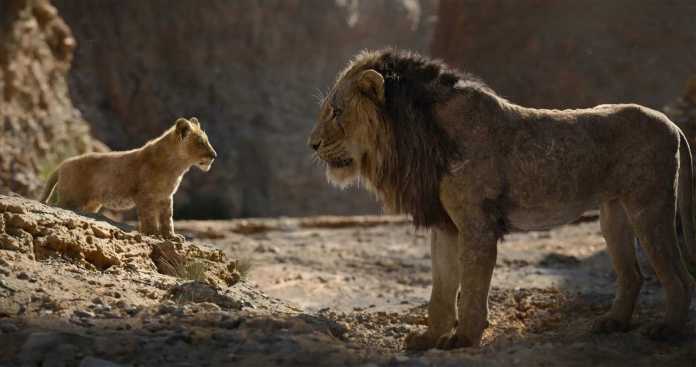
9. The Lion King (2019)
Disney’s photorealistic remake appeared jaw-droppingly realistic, but that was the very issue. With no expressive animation, Simba and pals simply stared blankly through historic emotional scenes. The original burst with color, energy, and emotion; this one was more akin to a National Geographic special with karaoke. It raked it in, but it’s a hollow imitation of a masterpiece.
Image Source: Bing Image. License: All Creative Commons
8. Ben-Hur (2016)
The 1959 Ben-Hur is an epic film, renowned for its stunning chariot race and epic scale. The 2016 remake? Forgettable special effects and a complete lack of soul. Viewers ignored it, critics dissected it, and the box office crash was merciless. Sometimes, attempting to remake a flawless classic is the worst idea of all.
Image Source: Bing Image. License: All Creative Commons
7. Ghost in the Shell (2017)
Hollywood’s live-action adaptation of the cult Japanese anime phenomenon sparked controversy even before its release, owing to the casting of Scarlett Johansson in a part that should have been played by an Asian actress. Apart from that, the movie entirely failed to capture the philosophical and visual genius of the original. Critics and fans alike wrote it off as a shallow, high-gloss miss that didn’t get its own source material.
Image Source: Bing Image. License: All Creative Commons
6. The Mummy (2017)
The 1999 Mummy was a lighthearted, swashbuckling romp. The 2017 remake with Tom Cruise was a miserable, cheerless slog encumbered by terrible CGI and franchise-building pretensions. Universal was hoping it would launch its “Dark Universe.” What it did instead was kill it before it had a chance to get going, costing the studio millions.
Image Source: Bing Image. License: All Creative Commons
5. Oldboy (2013)
Park Chan-wook’s Oldboy (2003) is a surreal masterpiece—grisly, stylish, and unforgettable. Spike Lee’s American remake took away everything that had made the original work, leaving a forgettable, watered-down thriller nobody wanted. The remake tanked hard and soon fell off the map.
Image Source: Bing Image. License: All Creative Commons
4. Psycho (1998)
Alfred Hitchcock’s Psycho is untouched. So why in the name of God did Gus Van Sant believe remaking it shot-for-shot in color was a sound idea? Vince Vaughn as Norman Bates was the last nail in the coffin. Senseless, cringe, and universally despised, this one goes down in annals as one of the most pointless remakes ever undertaken.
Image Source: Bing Image. License: All Creative Commons
3. Martyrs (2015)
The French original is among the most gruesome, chilling horror movies of the 2000s. The American remake? A pale, sanitized imitation that utterly missed the mark. Critics flayed it, horror enthusiasts hated it, and it did next to zero at the box office. It’s evidence that some movies are never, ever remade.
Image Source: Bing Image. License: All Creative Commons
2. Poltergeist (2015)
The 1982 Poltergeist is a horror classic, a perfect blend of creepy and lovable. The 2015 remake was a lifeless imitation with no scares or wonder. With an even larger budget, it flopped against the original (adjusted for inflation), a nd the critics eviscerated it. It’s the epitome of a remake that no one asked for.
Image Source: Bing Image. License: All Creative Commons
1. Snow White (2025)
Disney’s most recent live-action remake proved to be its most controversial one. With a budget rumored to be $270 million, Snow White dominated the North American box office but underperformed internationally, particularly in China. The critics uniformly panned it (44% on Rotten Tomatoes), the fans were divided, and casting and production choice controversy dominated all else. Whether you considered it “mostly captivating” or “toe-curlingly terrible,” it’s one of the most divisive remakes ever made.
Image Source: Bing Image. License: All Creative Commons
Hollywood is not about to let go of its remake mania. But if experience has taught us anything, it is that lightning does not strike twice. Classic films are remembered as such for being new, for being daring, and for their influence—not for receiving a sheeny redo years later. Perhaps, quite perhaps, the greatest way to pay homage to a classic is to leave it alone.
Image Source: Bing Image. License: All Creative Commons
Oscar night is the Super Bowl of Hollywood, a talent contest, and a popularity contest all in one. It’s the only night when red carpet glamour meets nail-biting tension as stars anxiously wait to find out if they’ll hear their names announced. Guesses abound, front-runners are apparent, and yet sometimes the Academy sneaks up and pulls the rug out from under all of us. These shock victories and snubs aren’t only surprising to audience members at the time; they reverberate through the annals of cinema for decades. Below is a decade-by-decade rundown of the most startling Oscar upsets, from recent surprises to golden-age head-scratchers.
Image Source: Bing Image. License: All Creative Commons
10. Mikey Madison Upsets Demi Moore (Anora, 2025)
The ink isn’t even dry on this upset, and it’s already in the books. At the 2025 awards, rookie Mikey Madison shocked the globe by taking Best Actress for Sean Baker’s independent drama Anora over odds-on favorite veteran Demi Moore. Madison, who was clearly shaken, brought things back down to earth by stating that she intended to celebrate by, of all things, cleaning up after her puppies. In her acceptance remarks, she highlighted the worker world depicted in the film, promising to be an ally and advocate. With Anora also winning Best Picture, Madison’s victory seemed like a reminder that occasionally the Academy chooses heart over hype.
Image Source: Bing Image. License: All Creative Commons
9. Olivia Colman Over Glenn Close (The Favourite, 2019)
Awards chatter for months positioned Glenn Close as the lock of the season. Finally, after six losses without a win, her tragic turn in The Wife was her much-awaited crowning glory. In walked Olivia Colman. With her quirky, fragile turn as Queen Anne in The Favourite, she staged the upset of the decade, leaving the viewers agog and Close without an award yet again. Colman’s surprise victory was one of the few bright spots for The Favourite, which lost in nearly all of its other categories. Sometimes, Oscar night really is about the element of surprise.
Image Source: Bing Image. License: All Creative Commons
8. Marisa Tomei Stuns in My Cousin Vinny (1993)
Comedies rarely get Oscar love, which made Marisa Tomei’s Best Supporting Actress win for My Cousin Vinny even more jaw-dropping. She outshone industry heavyweights Vanessa Redgrave and Judy Davis with her side-splitting, show-stopping Mona Lisa Vito performance. The upset was so shocking that it sparked a surreal conspiracy theory—that presenter Jack Palance’s poor reading of the wrong name was actually an error. (For the record: rubbish. Tomei had earned that statuette.) Her victory was evidence that a flawlessly executed comedic turn is every bit as deserving of an award as high drama.
Image Source: Bing Image. License: All Creative Commons
7. Crash Edges Out Brokeback Mountain (2006)
Few of the Oscar selections have been as contentious as this one. Ang Lee’s Brokeback Mountain was a critical favorite and was expected to sweep Best Picture. Instead, the Academy stunned the globe by awarding the award to Paul Haggis’ ensemble piece Crash. Even Haggis himself conceded later on that it wasn’t the greatest film of the year. The reaction was immediate, and for some, this controversy continues to be a reminder of the Academy’s reliance on playing it safe rather than acknowledging real cultural touchstones.
Image Source: Bing Image. License: All Creative Commons
6. The Moonlight/La La Land Blunder (2017)
If you saw this happen live, you’ll never forget it. La La Land’s Warren Beatty and Faye Dunaway also got it wrong in announcing Best Picture, dispatching its cast and crew to the stage for acceptance speeches, only to have producers come out with minutes to tell us Moonlight had been the actual winner. Disorder broke out, headlines burst, and the moment became an instant pop culture icon as “Envelopegate.” Aside from confusion, however, Moonlight’s win was a galvanizing moment for independent, diverse storytelling, and an indication of how the tastes of the Academy were changing.
Image Source: Bing Image. License: All Creative Commons
5. Shakespeare in Love Over Saving Private Ryan (1999)
Steven Spielberg’s Saving Private Ryan was deemed unbeatable: a graphic war epic that the critics and audiences loved. But Miramax’s Harvey Weinstein waged one of the most intense Oscar campaigns in history, bombarding voters with viewings, parties, and unrelenting promotion for Shakespeare in Love. Overwhelming the odds, the romantic comedy-drama won Best Picture, leaving Spielberg’s classic in its dust. The surprise didn’t merely stun the industry but transformed the way Oscar campaigns are conducted, demonstrating that politics and marketing can occasionally trump artistry.
Image Source: Bing Image. License: All Creative Commons
4. Driving Miss Daisy Wins Without a Director Nomination (1990)
When Bruce Beresford’s Driving Miss Daisy won Best Picture, everyone raised an eyebrow not only because it trounced big guns like Dead Poets Society and Born on the Fourth of July, but because Beresford himself hadn’t even been nominated for Best Director. The movie became part of an extremely select group of films that won the highest award without their director receiving accolades. Not until the Argo in 2013 would another movie duplicate the feat. It was one of those puzzling Oscar anomalies that still generate controversy decades later.
Image Source: Bing Image. License: All Creative Commons
3. Art Carney Edges Al Pacino (Harry and Tonto, 1975)
Al Pacino’s work in The Godfather Part II is the stuff of legend, widely regarded as one of the greatest in the history of film. But on Oscar night, the Best Actor prize went instead to Art Carney for his affecting performance in Harry and Tonto, portraying an older widower on the road with his cat. Carney’s performance was sweet and affecting, but nobody thought he could outsuspense Pacino at the height of his powers. The shock confounded critics and viewers alike and has come to be regarded as one of the oddest acting victories in Academy history.
Image Source: Bing Image. License: All Creative Commons
2. How Green Was My Valley Over Citizen Kane (1942)
It’s surprising now, but Orson Welles’ Citizen Kane, frequently cited as the greatest film ever made, lost Best Picture to John Ford’s maudlin drama How Green Was My Valley. Though Ford’s picture was respected during its time, it hasn’t stood the test of time in the same way that Kane has. The shocker has since become a symbol of the Academy’s sometimes fleeting taste, although history has ultimately had the last laugh: Citizen Kane is still a masterwork, whether or not it won an Oscar.
Image Source: Bing Image. License: All Creative Commons
1. The Greatest Show on Earth Outshines High Noon (1953)
Cecil B. DeMille’s circus spectacle was big and gaudy, but few thought it should be Hollywood’s highest honor. But in one of the most notorious Oscar choices ever, it won Best Picture over the gritty, taut western High Noon and the timeless romance The Quiet Man. To this day, pundits cite this upset as evidence that the Academy occasionally honors spectacle over substance. It was a genuine three-ring circus of a choice, and the classic demonstration of how utterly unpredictable Oscar night is.
Image Source: Bing Image. License: All Creative Commons
Oscar night is as much about the upsets as it is about the sure things. These moments, occasionally delightful, occasionally maddening, remind us that the Academy isn’t always predictable, and that’s part of the fun. Whether it’s a treasured underdog coming through or an inexplicable winner that leaves fans scratching their heads, the upsets are what keep folks glued to their screens year after year.
Image Source: Bing Image. License: All Creative Commons
First of all, Hollywood is all about re-inventing itself, and one of the most “new beginnings” things would be a brand new name for you. The use of stage names has been present since the era of the Golden Age of film, and every time there has been a story behind those changes- either amusing, irritating, or simply upsetting. There are 10 of the most interesting facts about celebrities who changed their birth names to more attractive ones.
Image Source: Bing Image. License: All Creative Commons
10. The Just-Because Change
Not all name switches have a rich history. Millie Bobby Brown shared that “Bobby” isn’t even her actual middle name—it’s Bonnie. She changed it up just for kicks, acknowledging she did it “for shits and giggles.” Who knows, maybe a rebranding doesn’t have to be so serious?
Image Source: Bing Image. License: All Creative Commons
9. The Name Already Taken
Actors usually stumble upon the Screen Actors Guild regulation that no more than two individuals can enroll under one name. Emma Stone was named Emily Stone at birth, but “Emily” was taken, so she anxiously settled on “Emma.” Michael Keaton had the same problem—his actual name is Michael Douglas, but another highly renowned Michael Douglas was already out there. Keaton wound up choosing his last name by thumbing through a phone book.
Image Source: Bing Image. License: All Creative Commons
8. The Hard-to-Pronounce Factor
In order to simplify the casting director’s task, some celebrities tend to shorten or change their names. Once, Michelle Yeoh (Yeoh Choo-Kheng at birth) was told that her real name would be “too hard” for people. Kal Penn, originally Kalpen Suresh Modi, noted that after he anglicized his name, his callback rate was almost doubled. Sometimes it is just about getting that very first opportunity.
Image Source: Bing Image. License: All Creative Commons
7. Dodging the Typecast
Names can be a burden and especially in Hollywood, where the story around names is no different. Rita Moreno was once Rosa Dolores Alverio, but the studio MGM made it clear that she had to change her name to a more “sellable” one. She took “Rita” from Rita Hayworth and “Moreno” from her stepfather. Later she even after winning an Oscar, she kept facing the same problem of being typecast in stereotypical roles, which is an indication that the name change cannot help in solving an unfair system.
Image Source: Bing Image. License: All Creative Commons
6. Family Nicknames That Stuck
Stage names of some people are transformed into nicknames that were picked up during their childhood. Miley Cyrus was born Destiny Hope Cyrus; however, she was so happy all the time that her family called her “Smiley,” which later got shortened to Miley. Bruno Mars, whose real name is Peter Gene Hernandez, was renamed “Bruno” by his father after a wrestler, and “Mars” for a joke that he was “out of this world,”.
Image Source: Bing Image. License: All Creative Commons
5. The Studio Rebrand
Back in the day, in Hollywood, the studios used to create new identities for stars. Marilyn Monroe came from 20th Century Fox, who changed Norma Jeane Mortenson’s name, and Archibald Leach turned into Cary Grant after the actors picked a new name from a studio-approved list of “all-American” names. These were not changes of personal choice but rather complete transformations to match the star image of that time.
Image Source: Bing Image. License: All Creative Commons
4. The Assimilation Angle
For most immigrant or minority actors, shortening or making their name more “American” was being able to fit in. Mindy Kaling (b. Vera Mindy Chokalingam) shortened her last name after too many people butchered it at performances. Lana Condor (Lan Đồng Trần) was given a new name by her adoptive parents in order to be able to fit in. Steven Yeun became “Steven” after he was introduced to a doctor with the same name. Sometimes survival in Hollywood begins with a simple exchange.
Image Source: Bing Image. License: All Creative Commons
3. The Marketability Pull
Stage names lead one further to the main result: box office tickets. Doris Day, originally Doris Mary Anne Kappelhoff, was told that her family name was too complicated for the billboards. A bandleader offered “Day” after listening to her sing “Day After Day.” Tia Carrere, born Althea Rae Janairo, took a nickname from her sister and changed “Carrere” to that of actress Barbara Carrera. If a poster was the only thing to prove its worth, then that was more than enough reason.
Image Source: Bing Image. License: All Creative Commons
2. The Critique of Erasure
Several actors have come out and admitted they changed their names just because Hollywood’s bias left them with no choice. Ben Kingsley, formerly Krishna Pandit Bhanji, revealed that casting directors only started accepting him after the makeover. Chloe Bennet, née Chloe Wang, simply said: “Hollywood is racist and wouldn’t cast me if I had a Chinese last name.” These narratives show the less-glamorous side of the tradition.
Image Source: Bing Image. License: All Creative Commons
1. Refusing to Play Along
Moreover, some are not willing to compromise and stand firm in their decisions. Keanu Reeves was told to change his name to something more American at a very young age, but he never did. Lady Gaga, Stefani Germanotta, gained a new identity through a bold alter ego but has always maintained that Gaga is her true self. In certain cases, going against the grain to the extreme degree of not changing names at all is the most powerful.
Image Source: Bing Image. License: All Creative Commons
So, the next time you see a name in lights, remember this: it’s more than likely there is a long (and often very private) story behind it. In Hollywood, names are not just identifiers—they are career moves, shields, or sometimes, battle cries.
Image Source: Bing Image. License: All Creative Commons
Time to get old: the films that epitomized your childhood sleepovers, family movie nights, and frayed VHS cassettes are 35 this year. 1990 was a crazy period in pop culture—neon windbreakers, slap bracelets, cassette tapes playing in Walkmans, and a box office slate filled with instant classics. Whether you were quoting the one-liners in the schoolyard, covering your eyes for frightening moments, or swooning over love interest actors, these films left an indelible stamp on pop culture. So load up some microwave popcorn, dig out your tape rewinder, and take a journey back to 1990 with the 15 greatest films marking the big 3-5 dramatic eeffectscounting down included.
Image Source: Bing Image. License: All Creative Commons
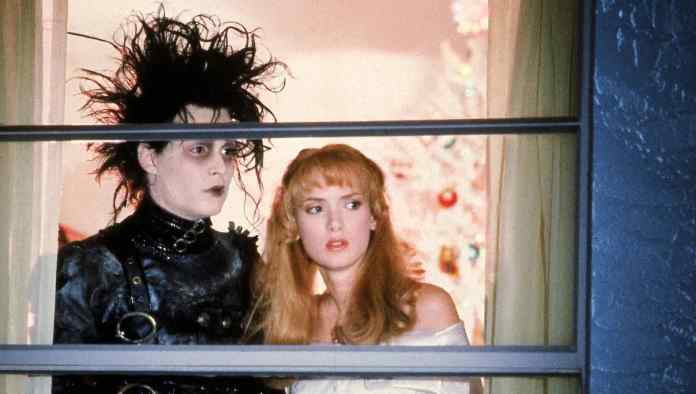
15. Edward Scissorhands
Tim Burton wrapped up the ’80s with this bittersweet, surreal fairy tale of an artificial man with scissors for hands, played by young Johnny Depp in one of his most memorable performances. With pastel-hued suburbia crashing against Burton’s gothic aesthetic, the film felt like a dream you weren’t quite certain was sweet or a little strange. Winona Ryder, Dianne Wiest, and even Vincent Price (in his final major role) added depth to a tale that delved into isolation, creativity, and the agony of being unique. Depp said little more than 200 words, but the devastation in his eyes told the entire story. To every teenager who ever felt like they were an outcast, Edward Scissorhands was, and still is, a movie lifeline.
Image Source: Bing Image. License: All Creative Commons
14. Misery
Stephen King’s tales were scary enough, but Rob Reiner’s adaptation of Misery made obsession a part of daily life become nightmare material. Kathy Bates solidified herself in the annals of Hollywood by playing, with unflinching ferocity, Annie Wilkes, the “number one fan” who holds captive and terrorizes writer Paul Sheldon (James Caan). The “hobbling scene” is still one of the most difficult to sit through in cinematic history. Bates won an Academy Award for her performance, one of the select few to have won an Oscar for a horror movie role. Claustrophobic, tense, and uncomfortably realistic, Misery is the sort of thriller that causes you to second-guess who you allow to assist you after a car accident in the snow.
Image Source: Bing Image. License: All Creative Commons
13. Home Alone
No 1990s classics list would be complete without the holiday juggernaut that catapulted Macaulay Culkin to superstardom. Playing Kevin McCallister, Culkin provided children all over the world with the dream of being home alone and in charge of the house, pizza, ice cream, and all, plus defending it against two laughably inept burglars (Joe Pesci and Daniel Stern). And thanks to John Hughes’ witty screenplay and John Williams’ now-familiar melody, Home Alone became a holiday staple and a huge commercial success, earning nearly half a billion dollars globally. The slapstick snares from flying paint cans to tarantula shenanigans became playground lore, prompting numerous attempts to replicate them (with varying degrees of success).
Image Source: Bing Image. License: All Creative Commons
12. Dances with Wolves
Kevin Costner’s directorial debut was as ambitious as it was lovely, sweeping across the sweeping prairies of the American West as it retells the story of Union soldier John Dunbar’s improbable adoption by a Lakota Sioux tribe. The film’s sympathetic representation of Native Americans was revolutionary for mainstream Hollywood in the day, although it has also set off debate about “white savior” narratives. With expansive vistas, a herd of real buffalo numbering in the thousands, and careful attention to Lakota language and culture, the film was both a work of art and a cultural lightning rod. It took home seven Oscars, including Best Picture, and solidified Costner as a director to be taken seriously.
Image Source: Bing Image. License: All Creative Commons
11. Goodfellas
“Since I was a kid, I wanted to be a gangster.” With those words, Martin Scorsese took viewers on a raw, decades-long journey of crime, allegiance, and decline. Ray Liotta, Robert De Niro, and Joe Pesci delivered career-defining performances, with Pesci’s unhinged, Oscar-winning role creating one of the most quoted scenes in movie history: “Funny how? ” Scorsese’s use of freeze-frames, voice-over narration, and needle-drop soundtrack made Goodfellas more than just a mob story; it was a style guide for modern cinema. Brutal, darkly funny, and endlessly rewatchable, it remains one of Scorsese’s crown jewels.
Image Source: Bing Image. License: All Creative Commons
10. Pump Up the Volume
Before there were podcasts and YouTube rants, Christian Slater’s Mark Hunter, also known as pirate radio DJ “Hard Har,” addressed the frustrations of youths stuck in suburban conformity. Half angst-ridden drama and half call-to-arms, the film pushed against authority and urged young people to speak up, even if it meant doing so against the system. With a killer soundtrack comprised of the Pixies, Sonic Youth, and the Beastie Boys, the film captured the raw, messy fervor of youth in the eearly ’90s Although its box office performance was small, Pump Up the Volume turned cult favorite, four times its takings on home video and solidifying itself as an anthem for a generation that wished to “talk hard.”
Image Source: Bing Image. License: All Creative Commons
9. Arachnophobia
Spiders are creepy in themselves, but Arachnophobia made them a full-scale cinematic horror. Jeff Daniels played a doctor battling venomous Venezuelan arachnids that overwhelm a small town, while John Goodman came close to stealing the picture as a wisecracking exterminator with some of the film’s best laughs. Balancing frights and laughs, the film created the “thrill-omedy” genre and still boasts a great Rotten Tomatoes rating. If you weren’t already nervous about spiders, this one left you paranoid about every dark corner of your home. Oh, and yes, more than 300 actual spiders were used in the shooting. Sweet dreams.
Image Source: Bing Image. License: All Creative Commons
8. Ghost
Patrick Swayze and Demi Moore’s romance was forever cemented by virtue of one pottery wheel, one breathtakingly melodic soundtrack, and the unforgettable presence of Whoopi Goldberg as the unwilling psychic who serves as the conduit between the living and the dead. Part love story, part supernatural thriller, part comedy, Ghost swept the box office as the top-grossing film of 1990, earning over $500 million at the international box office. Goldberg received an Academy Award for her work, and “Unchained Melody” reemerged in pop culture as couples around the world attempted, and usually failed, to replicate that pottery scene.
Image Source: Bing Image. License: All Creative Commons
7. Die Hard 2
If Die Hard transformed the action genre, its follow-up proved lightning did indeed strike twice. Bruce Willis reprised the hapless John McClane as he battled terrorists amid the snowy mayhem of Dulles International Airport. The second installment doubled down on explosions, shootouts, and tension, making McClane an everyman hero who just couldn’t catch a break. It was a box office smash and solidified Die Hard as a holiday-action tradition. And let’s not forget: this is the movie behind the legendary, awkwardly dubbed TV cut, “Yippee Ki Yay, Mr. Falcon.”
Image Source: Bing Image. License: All Creative Commons
6. Gremlins 2: The New Batch
While the original Gremlins walked a fine line between horror and comedy, the sequel completely lost its mind, and in the best possible way. Taking place in a high-rise corporate building, Gizmo and the misfits unleashed bedlam that spoofed anything from cable news to consumer culture. Cameos from Hulk Hogan and a fourth-wall-breaking, self-aware sensibility lent the film a free-wheeling, anarchic vibe years before its time. Although its box office performance fell short of the first, home video and cable reruns allowed it to gain a loyal cult following. Today, it remains one of the most wonderfully bizarre sequels ever produced.
Image Source: Bing Image. License: All Creative Commons
5. Total Recall
Arnold Schwarzenegger’s brain-twisting journey to Mars married high-speed action with spin-your-head-around sci-fi ideas. Directed by Paul Verhoeven, the film married shootouts, grotesque mutants, and satirical humor in a style only he could deliver. Sharon Stone sparkled as the lethal femme fatale, and memorable moments such as the three-breasted alien became cultural touchstones for ’90s sci-fi excess. With Oscar-winning special effects and a worldwide box office of more than $260 million, Total Recall demonstrated you could have explosions and philosophical introspection in one film. And yes, fans continue to quote: “Consider that a divorce.”
Image Source: Bing Image. License: All Creative Commons
4. Teenage Mutant
Ninja Turtles, Cowabunga, dudes! The heroes in a half shell bounced from Saturday morning cartoons to the movie screen, bringing gritty city streets, cheesy jokes, and animatronic magic from Jim Henson’s Creature Shop. The turtles battled Shredder, consumed their body weight in pizza, and gave children everywhere a reason to yell “Cowabunga! ” on the street. With a low budget, it ended up being the top-grossing independent film of its era, with over $200 million made worldwide. For fans of Leonardo, Michelangelo, Donatello, and Raphael, this was more than a movie; it was evidence that cartoon and comic book characters could pack a blockbuster.
Image Source: Bing Image. License: All Creative Commons
3. Pretty Woman
Julia Roberts and Richard Gere remade the romantic comedy in a modern-day Cinderella tale that mixed charm, wit, and a good dose of edge. Roberts’s smile and razor-sharp wit propelled her to stardom, securing an Oscar nomination. With iconic moments like the “big mistake huge” shopping scene and Roy Orbison’s timeless soundtrack, Pretty Woman became one of the defining rom-coms of all time. Grossing nearly half a billion dollars worldwide, it’s the kind of movie that still makes people believe in love stories, even the unconventional ones.
Image Source: Bing Image. License: All Creative Commons
2. The Hunt for Red October
The Cold War thriller to end all Cold War thrillers, this adaptation of Tom Clancy’s novel brought together an all-star cast led by Sean Connery and Alec Baldwin. Connery’s Scottish-accented Russian submarine captain was a bold choice, but his charisma carried it effortlessly. The film’s tense underwater battles and attention to naval detail created claustrophobic suspense that still holds up decades later. Throw in James Earl Jones in a key role, and you have a movie that is as smart as it is suspenseful. It $200 million at the box office, and winning for sound editing at the Oscars made it a spy-thriller classic.
Image Source: Bing Image. License: All Creative Commons
1. Tremors
Half horror movie, half comedy, and half creature-feature nostalgia, Tremors introduced us to Kevin Bacon, Fred Ward, and the unrememberable Graboids, giant worms that lived underground and could detect vibrations. Equal measure scary and funny, the film’s use of practical effects made it gritty and lovable. Though it didn’t blow the box office wide open at first, word-of-mouth and home video turned it into a cult classic. With six sequels, a prequel, and even a television series, Tremors became the little monster film that could. And if you ever spent your childhood jumping from couch to couch to get away from “the floor,” you know this film’s magic firsthand.
Image Source: Bing Image. License: All Creative Commons
Happy 35th, 1990 movies! From gangster thrillers to romantic comedies, blockbusters to cult classics, these films remind us why 1990 was such a landmark year in film. If this list doesn’t prompt you to rewind a VHS tape or sing along to “Unchained Melody,” you may need to check your levels of nostalgia.
Image Source: Bing Image. License: All Creative Commons
Hope, revolt, and a profound amount of heartache—that’s the lifeblood of Star Wars. For every grand space battle or lightsaber fight, there’s a scene in which someone sacrifices everything so others can move forward. These sacrifices aren’t merely twists in the plot; they’re heart-stopping reminders of what’s at stake in a galaxy far, far away. From films to cartoon shows (even Legends tales), these are 10 of the most memorable sacrifices that still get fans all in the feels.
Image Source: Bing Image. License: All Creative Commons
10. Tech in The Bad Batch
Tech’s plummeting in Season 2 still hurts. Hanging off a railroad, he makes the impulsive choice to cut the line—launching himself to his death in awe of his team. The tragedy is made worse by the fact that the show doesn’t resolve his fate. His understated development and friendship with Omega made him one of the emotional centers of the series, and so his “maybe-death” is one of the most heartbreaking in recent Star Wars.
Image Source: Bing Image. License: All Creative Commons
9. The Team from Rogue One
No tidy endings here. Jyn, Cassian, K-2SO, Chirrut, Baze, and Bodhi all sacrifice themselves to deliver the Death Star plans to the Rebels. Each character has a moment of sacrifice, and the ending is both heartbreaking and uplifting. That last glimpse of Jyn and Cassian embracing as the blast wave closes in? Plain tragedy, and the groundwork for the Rebellion’s greatest triumph.
Image Source: Bing Image. License: All Creative Commons
8. Kanan Jarrus in Rebels
In Season 4, Kanan does the final Jedi thing: he Force-holds back an explosion so his team can get away. For one fleeting moment, the Force revives his vision so he can see the family he’s fighting to protect. It’s an awe-inspiring, gut-wrenching goodbye that teaches us not only what it is to be a Jedi, but what it is to be a parent.
Image Source: Bing Image. License: All Creative Commons
7. Ben Solo in The Rise of Skywalker
Kylo Ren’s redemption would always come at a price. As Ben Solo, he hurries to Rey’s side on Exegol and sacrifices his life by channeling all of his strength to save her. The fans had only minutes with Ben before he was lost once more, but one courageous act transformed him from antagonist to tragic hero overnight.
Image Source: Bing Image. License: All Creative Commons
6. Vice Admiral Holdo in The Last Jedi
Holdo’s hyperspace sacrifice may be the most visually dramatic moment of the sequel trilogy. One jump through the First Order fleet in complete silence, the sort of scene that had movies leaving theaters utterly stunned. Love her or despise her leadership style, Holdo’s last gamble is not to be forgotten.
Image Source: Bing Image. License: All Creative Commons
5. Luke Skywalker in The Last Jedi
Luke’s final stand is not with a sword but with the Force itself. By projecting himself throughout the galaxy to distract Kylo Ren, he gives the Resistance time to flee, but at the price of his own life energy. It’s serene, poetic, and quintessentially Jedi: a legend passing into the Force with intent.
Image Source: Bing Image. License: All Creative Commons
4. Anakin Skywalker/Darth Vader in Return of the Jedi
After decades of brutality, Vader finally makes the decision that defines his reputation: rescuing Luke from Palpatine. Throwing the Emperor down the shaft costs him his life, but it forgives him in his son’s eyes. It’s surprising, strong, and the final reminder that even the most terrible hearts can find a path to redemption.
Image Source: Bing Image. License: All Creative Commons
3. Obi-Wan Kenobi in A New Hope
This is where Jedi sacrifice becomes a tradition. Obi-Wan stops his duel with Vader, holds up his saber, and allows himself to be defeated. His own death makes it possible for Luke and the rest to get away, and for Luke’s fate to develop. And it brings up the concept of being one with the Force, so that even though Obi-Wan is dead, he has a presence that lasts.
Image Source: Bing Image. License: All Creative Commons
2. Steela Gerrera in The Clone Wars
Steela’s death within the Onderon arc is tragic. As a symbol and leader of rebellion, she sacrifices her life to gain freedom for her people. Yet her death is also problematic, as her sacrifice is portrayed more as a source of material for others’ stories rather than her own heroic ending. Nevertheless, her death is one of the most poignant in the animated series.
Image Source: Bing Image. License: All Creative Commons
1. Galen Marek (“Starkiller”) in The Force Unleashed
In Legends continuity, Starkiller’s sacrifice ignites the flames of revolution. Vader’s secret apprentice brings together future Rebel commanders, only to discover he’s been used as bait. In the end, he fights Vader and Palpatine so the rebels can flee, sacrificing his life for their revolution. Fans still recall it as one of the greatest and saddest moments of Star Wars history.
Image Source: Bing Image. License: All Creative Commons
Sacrifice is at the heart of Star Wars. These scenes remind us that hope has a cost, and that heroism is often going straight into heartbreak. Whether it’s a Jedi, a rebel, or a soldier nobody expected, these sacrifices are why viewers keep coming back: because in the galaxy far, far away, every loss counts.
Image Source: Bing Image. License: All Creative Commons
Let’s be real—every fandom has a character that folks love to dislike. Perhaps they were cornered in the writing, marketing hyped up the story, or perhaps the audience just wasn’t prepared to empathize with them. Whatever the case, these characters received much more flak than they were ever due. Here’s a retrospective of 10 of the most misinterpreted TV and film characters who were due more sympathy than derision.
Image Source: Bing Image. License: All Creative Commons
10. Chip Douglas – The Cable Guy
Jim Carrey’s performance as Chip Douglas left viewers scratching their heads. Promoted as another wacky comedy in the string of family-friendly hits from Carrey, The Cable Guy was a black satire of obsession and isolation. Chip wasn’t merely a weirdo caricature—a product of abandonment and a lifetime of stuckness on television. The backlash was less at the hands of his character and more at the hands of the audience feeling tricked by the tone of the movie. Chip was a tragedy, not a villain.
Image Source: Bing Image. License: All Creative Commons
9. Skyler White – Breaking Bad
Few television wives have been as loathed as Skyler White, and unjustly so. Audiences criticized her as “naggy” or “in the way,” when in fact, she was a woman caught up in the consequences of her husband’s deceptions, crimes, and irresponsible decisions. Walt put their family at risk, brought them into money laundering, and became progressively more dangerous. Skyler wasn’t the villain—she was a survivor trying to hold her world together while fans bizarrely rooted for the actual criminal.
Image Source: Bing Image. License: All Creative Commons
8. Miranda Hobbes – And Just Like That
Miranda Hobbes was barely recognizable in the reboot. Fans derided her new decisions, labeling her messy, reckless, and out of touch. But was it Miranda’s failure, or the writers’? The show eliminated the features that made her a favorite among fans and substituted them for cheap drama. In fact, the Miranda hate tells us more about sloppy writing than it does about her as a character.
Image Source: Bing Image. License: All Creative Commons
7. Ross Geller – Friends
Ross gets dragged perpetually as TV’s worst boyfriend. Sure, he had his jealous, whiny moments (and sure, “we were on a break” became grating). But Ross was also faithful, humorous, and loved his friends deeply. He was a dweezy professor with flaws, but also a single father trying to do his best. Perhaps we despise Ross because he was just too real, representing aspects of ourselves.
Image Source: Bing Image. License: All Creative Commons
6. Lori Grimes – The Walking Dead
Lori was a lightning rod for criticism, but step back: she was surviving a zombie apocalypse while keeping her child alive and making impossible moral decisions. Her supposed “bad” choices were most often the only ones available. Fans demanded she was perfect while surviving anarchy. The backlash said more about gender expectations in fandoms than it did about Lori.
Image Source: Bing Image. License: All Creative Commons
5. Marley Rose – Glee
When Marley arrived, viewers immediately called her “the new Rachel” and dismissed her. She wasn’t flashy—she was quiet and vulnerable and struggling with real things like body issues and eating disorders. The showrunners didn’t provide her with the same large arcs or songs, making it simple for viewers to overlook her. But that wasn’t Marley’s doing—she was one of the only relatable, real characters in the later seasons.
Image Source: Bing Image. License: All Creative Commons
4. Che Diaz – And Just Like That
Che Diaz may be the most polarizing character on television right now. They’re not funny, their relationship with Miranda was saccharine, and their personality grated on viewers, according to critics. Here’s the thing: a lot of the Che hate has spilled over into unfair criticism of nonbinary characters as a whole. Sure, the writing didn’t help them, but the ferocity of the backlash shows the extra, unfair weight that representation too often bears.
Image Source: Bing Image. License: All Creative Commons
3. Dean Forester – Gilmore Girls
Dean began as dream boyfriend material—sweet, respectful, and reliable. By the conclusion of his stint, however, he was controlling and insecure. Why? The writers wanted Rory’s errors to appear less egregious, so they manipulated Dean’s character to make her out to be innocent. Dean wasn’t ideal, but he didn’t deserve the villain makeover he got.
Image Source: Bing Image. License: All Creative Commons
2. Vanessa Abrams – Gossip Girl
Vanessa was the star of the books. In the show? She was relegated to the sidelines, handed scraps of plot, and eventually written out. Rather than develop her as a complex character, the writers utilized her as a convenient plot tool, and she was hated by fans. In reality, Vanessa’s greatest sin was being poorly written. Her fate underscored the show’s general failure to treat non-elite, non-white characters with any dignity.
Image Source: Bing Image. License: All Creative Commons
1. Steve Brady – And Just Like That
Steve transformed from a likable, everyday bartender to the punching bag of the show. The reboot deafened him as a joke, made him impotent as a plot device, and pitifully faithful to Miranda while she was treating him poorly. Viewers were weeping while watching a once-great character be reduced to type. Steve did not deserve mockery; he deserved the same respect and development as the rest of the characters.
Image Source: Bing Image. License: All Creative Commons
The next time a character is ripped to shreds online, it’s time to ask: Is it truly their fault? Or is lazy writing, mismarketing, or fandom bias at work? These 10 remind us that sometimes, the “villain” is really just a victim of poor storytelling.