Home Blog Page 750

America’s Submarine Legacy: How Seawolf Paved the Way for SSN(X)

0
Image Source: Bing Image. License: All Creative Commons

Few war products combine the union of technology, strategy, and raw industrial brawn like America’s nuclear attack submarines in the U.S. Navy. Years ago, they started cruising the ocean bed—steel phantoms and cables whose terror is America’s security, intel gathering, and quietly reminding any possible enemy that American naval power runs deep. Following their transformation from the Seawolf and Los Angeles classes into the Virginia and the SSN(X) of the next generation, it shows how the Navy has continually adjusted in order to stay a step ahead of every new threat lurking beneath the horizon.

Image Source: Bing Image. License: All Creative Commons

It begins with the Seawolf class, itself born of the final nervous years of the Cold War. While the Soviet Union started to roll out quieter, more deadly subs, the U.S. Navy needed a solution—a vessel that would outrun, outfight, and outwit whatever it came across in the deep. That solution was the Seawolf: an engineering marvel, faster and quieter than any of its counterparts.

Image Source: Bing Image. License: All Creative Commons

It carried eight torpedo tubes and up to 50 weapons, all of which were so quiet that it could pass silently through the ocean almost unseen. The final sub in the three-ship class, Jimmy Carter, was even extended another hundred feet to fit stealth gear and allow for missions still classified today.

Image Source: Bing Image. License: All Creative Commons

But fate had other plans. The Cold War ended too early for the Seawolf ever to truly find its place. When the Soviet Union broke apart in 1991, the justification for a fleet of nearly 30 Seawolfs vanished overnight. The program was immediately cut back to three boats at more than $3 billion per vessel. What was once a Cold War symbol of dominance became a costly reminder of how quickly strategy reverses itself in a shifting universe.

Image Source: Bing Image. License: All Creative Commons

The reverberations didn’t stop with the Navy. The abrupt slowdown in submarine construction hit the U.S. industry hard. Large shipyards such as Electric Boat and Newport News had production dwindle, skilled tradespeople were let go, and hundreds of smaller vendors went out of business. In the 1980s, over 17,000 firms contributed to producing submarines. By 2017, that figure had dropped to approximately 3,000. The consequence was an industrial hole that continues to plague the Navy’s ability to construct and sustain its undersea forces today.

Image Source: Bing Image. License: All Creative Commons

In trying to find its way back, the Navy created the Virginia class, a ship that was designed to be handy, affordable, and easier to upgrade. It was not intended to be powerful or speedy—it was intended to be smart. Virginia’s modular construction allowed for easier upgrades to be added, and its open architecture design allowed it to be able to perform future missions. It lacks the antique periscopes, opting for digital photonics masts instead. Later models brought with them vast improvements: Block III added a new payload system and sonar array, and Block V added the Virginia Payload Module, increasing it by 28 Tomahawk missiles. With each revision, Virginia earned its spot in a world that demanded capability as much as it demanded power.

Image Source: Bing Image. License: All Creative Commons

America’s submarine builders are still in a hurry, however. The 1990s’ delays in production and losses in personnel have caught up with them. Even today, the Navy’s goal of constructing two Virginia-class submarines every year has been difficult to meet. Bottlenecks in maintainability have risen to the point where roughly a third of the fleet of attack submarines can be withdrawn from service at any given time. The issue isn’t a scarcity of missions—it’s a shortage of able hands and shipyard capacity to meet demand.

Image Source: Bing Image. License: All Creative Commons

Now the Navy is reaching for the horizon with the SSN(X)—the next generation of undersea dominance. Dubbed the “apex predator” of the ocean, the new generation will combine the best of everything that came before: the speed and attacking ability of the Seawolf, the stealth and sensors of the Virginia, and the long life of the Columbia-class. It’s being designed to be faster, stealthier, and more weapons-capable than anything currently in the fleet.

Image Source: Bing Image. License: All Creative Commons

Planned features are a bigger hull, new propulsion technology, fourth-generation sonar equipment, and complete integration with unmanned undersea vehicles. Engineers are even considering what possibilities may lie ahead for future energy-based defense capabilities. The SSN(X) isn’t merely a sub—it’s the beginning of how the Navy will engage and survive in the oceans of the decades ahead. 

Image Source: Bing Image. License: All Creative Commons

And, naturally, it comes at a price. Initial estimates place each SSN(X) at around $6 billion—nearly twice the cost of a Virginia. That’s a big expense for a Navy already endeavoring to spread the cost of the massive Columbia-class ballistic missile submarine program and an overseas deployment schedule. It foresees a slow ramp-up over the 2030s, finally going on to build a 66 to 78-boat attack submarine force in the 2040s. Reaching that number will take more than dollars, however. It will take a rebuilt industrial base capable of sustaining the effort.

Image Source: Bing Image. License: All Creative Commons

The Pentagon has already started laying the foundation. Billions of dollars have been spent on upgrading shipyards, refurbishing dry docks, and ramping up training programs to train a new generation of shipbuilders. The Defense Production Act has been utilized to fortify supply lines and to ensure the Navy is able to fulfill greater domestic and foreign commitments.

Image Source: Bing Image. License: All Creative Commons

Ultimately, the history of U.S. attack submarines is truly one of adaptation—of merging innovation and need. The Seawolf revealed what was possible when only performance was the objective. Virginia demonstrated the merit of affordability and maneuverability. And now, the SSN(X) will integrate those two realms into one powerful, stealthy, and sustainable platform.

Image Source: Bing Image. License: All Creative Commons

For the Navy, the mission never changes: to stay ahead, invisible but everywhere, masters of the dark. As technology, tactics, and threats evolve, so will the submarines upon which America’s quiet strength rides out to sea.

The Battle of Guadalcanal: When WWII Strategy Took a New Direction

0
Image Source: Bing Image. License: All Creative Commons

It is nearly impossible to believe that a remote, thick-jungle-covered island was at the epicenter of a war that would change the entire direction of World War II. And yet Guadalcanal, a name not known except in historical terms before 1942, was the locale where the Allies and Japan fought one of the most significant campaigns in the Pacific—a war that changed everything.

Image Source: Bing Image. License: All Creative Commons

Both sides, by the summer of 1942, fully realized the importance of the island. The owner of Guadalcanal would control the vital shipping lanes between the United States, Australia, and New Zealand. When Japan began constructing an airfield there, it threatened to cut the Allies’ supply line and isolate Australia from the mainland. Neither could afford to lose—it was a fight for survival of strategy.

Image Source: Bing Image. License: All Creative Commons

In August, the United States launched its initial major amphibious assault of the war. The 1st Marine Division attacked nearly unopposed, capturing the half-finished airstrip, which would later be named Henderson Field.

Image Source: Bing Image. License: All Creative Commons

The Allied success was rapid and uncomplicated in its early stages, but it did not last long. Japanese forces counterattacked with ferocity in a matter of days, and the outcome was months of unrelenting ground, air, and sea fighting. The seas around them became so cluttered with wrecks that mariners ominously labeled them Iron Bottom Sound.

Image Source: Bing Image. License: All Creative Commons

The early sea battles were brutal lessons for the U.S. Navy. At the Battle of Savo Island, Japanese cruisers in the blackness slipped through to release their lethal Long Lance torpedoes, sinking four Allied heavy cruisers in minutes.

Image Source: Bing Image. License: All Creative Commons

One of the most calamitous losses in U.S. naval history, it was a painful reminder of how much the Allies still had to do. But rather than falling apart, the Navy adapted—learning to wage war in darkness, perfecting radar methods, and finding new ways to neutralize Japan’s deadly accuracy.

Image Source: Bing Image. License: All Creative Commons

On Guadalcanal proper, the Marines and later Army soldiers faced unsolvable problems. They withstood day-long bombardment, malaria, shortages of food and ammunition, and the pain of tropical storms. Henderson Field was the linchpin of the entire campaign—a fragile lifeline guarded by a random assembly of pilots known as the “Cactus Air Force.” Against incredible odds, they held firm. Fighter pilots such as Chesty Puller and John Basilone became legends of survival and unbreakable grit.

Image Source: Bing Image. License: All Creative Commons

The fight reached its most bloody moment in November 1942 at the Naval Battle of Guadalcanal. American and Japanese battleships fought at point-blank range in the dark, firing everything until entire decks were on fire and vessels sank within sight of one another. When the fight was over, Japan lost two battleships—the Hiei and Kirishima—and could no longer provide its soldiers on the island. The Japanese Navy had been successfully stopped for the first time.

Image Source: Bing Image. License: All Creative Commons

The cost, however, was staggering. Japan lost more than 20,000 men, more than a hundred ships, and more than a thousand aircraft. For the United States, the loss of the USS Juneau, where the five Sullivan brothers were killed, was a sour reminder of the price in human lives paid by the campaign. But there were times of unmatched ingenuity and determination, too, like the sailors on the battered USS New Orleans who stayed afloat with a makeshift bow cobbled together from coconut logs.

Image Source: Bing Image. License: All Creative Commons

By February of 1943, the Japanese were no longer fighting. Its remaining troops were pulled back, leaving Guadalcanal to the Allies. That withdrawal was more than a tactical victory—it was the moment when momentum in the Pacific finally began to shift. Japan could not replace lost units, but the U.S. Navy emerged hardened, wiser, and irretrievably confident.

Image Source: Bing Image. License: All Creative Commons

Today, the wrecks still lying on the bottom of Iron Bottom Sound are mute witnesses to the ferocity of that battle. Guadalcanal wasn’t just another island, another battle—it was the turning point that re-wrote the Pacific War and put the Allies on the long, hard road to victory.

A-12 Avenger II: Inside the Navy’s Costly Stealth Failure

0
Image Source: Bing Image. License: All Creative Commons

The A-12 Avenger II was initially the Navy’s entry into the new era — an invisible, carrier-borne attack aircraft that could go under the sophisticated enemy defensive measures and deliver a deep strike in enemy land. By that time, the late 1980s, the veteran A-6 Intruder of the Navy was showing signs of aging, and the escalating dangers of the Cold War demanded a plane able to handle a radar missile and air defense system-influenced world.

Image Source: Bing Image. License: All Creative Commons

That challenge spawned the Advanced Tactical Aircraft (ATA) program. The mission: create a next-generation carrier-capable stealth attack aircraft.

Image Source: Bing Image. License: All Creative Commons

The Air Force had already amazed the world with the F-117 Nighthawk, and the Navy desired its ace of stealth. In 1988, McDonnell Douglas and General Dynamics were given the contract, and the A-12 Avenger II idea took to the skies, at least on paper.

Image Source: Bing Image. License: All Creative Commons

The shape stood out as sharp and daring: a triangle-like wing they called “Flying Dorito.” It held weapons inside to stay off radar, was made with new, strong materials, and had paint that hid it from radar. Inside were two crew members, a top new flight tech, ground-reading radar, and war electronics gear. It could fight far out, over 900 sea miles away, much more than what came before it.

Image Source: Bing Image. License: All Creative Commons

But translating that promise into a functional aircraft turned out to be much more difficult than anticipated. Combining stealth needs with the special stresses of carrier takeoffs and landings turned into a serious engineering problem. The weight of the plane ballooned beyond early estimates, threatening to make it unsafe for carrier use. Experimental materials and production methods added more delays and technical nuisances.

Image Source: Bing Image. License: All Creative Commons

The secrecy of the program did not aid it. As a secret “black” project, it was exempt from usual oversight, so Congress and the Pentagon were not fully aware of the extent of its problems. The contractors, wanting to maintain confidence at high levels, minimized problems. Navy officials, not wanting to risk killing the program, did the same.

Image Source: Bing Image. License: All Creative Commons

Its costs skyrocketed. The initial $4.8 billion development cost ballooned to close to $11 billion with an eye-popping estimated cost of more than $165 million per plane. In early 1991, the A-12 was behind schedule by 18 months, billions of dollars over budget, and still not flight-ready.

Image Source: Bing Image. License: All Creative Commons

Secretary of Defense Dick Cheney eventually canceled it in January of that year, bringing to an end what proved to be the largest Pentagon contract cancellation in history. The sole A-12 ever to exist was a full-scale mockup.

Image Source: Bing Image. License: All Creative Commons

The end was a mess. For more than 20 years, a big fight went on in court between the state and the builders until it finished in 2014.

Image Source: Bing Image. License: All Creative Commons

The Navy, now without the A-6, had to use the F/A-18 Hornet and later the Super Hornet to do the job. It took a while, but the stealth F-35C finally showed up on ship decks. Yet, it was not the bomber A-12 was meant to be.

Image Source: Bing Image. License: All Creative Commons

Now, the A-12 Avenger II stands as a big warning in U.S. military flight tales. It showed the risks of pushing too far with new tech, handling hard tasks incorrectly, and hiding too much.

Image Source: Bing Image. License: All Creative Commons

The “Flying Dorito” never flew, but its tale helped change how the Pentagon watches big weapon plans, making rules tighter and aims more real before they bet big on a new top plane.

Remembering 10 Tragic Young Celebrities Who Died Too Early

0
Image Source: Bing Image. License: All Creative Commons

Stars that have been gone for a very long time but are still remembered with longing give off a vibe that is both sad and attractive. It does not matter if their tunes were your daily bread, if you have been a fan of their movies, or if you have only shared the universal astonishment caused by the news of their deaths; their disappearance keeps haunting you. They are not only losses; they are moments, the events that changed history because of their huge impact on pop culture, changed the way we talk about fame and its negative side, and made us think about how things would have turned out differently. This is a look backward to 10 young celebrity deaths that had a profound effect on the way we grieve, commemorate, and mythologize our stars.

Image Source: Bing Image. License: All Creative Commons

10. Sharon Tate

She was only twenty-six years old when her life was ended in a very violent way, which is among the most terrible incidents in Hollywood history, the Manson Family Murders. Apart from the bright future that was taken away from her, her demise also became the emblem of the passing of an era where a less evil America was thought to exist. The Tate name is still often mentioned, and her loveliness and talent are still acknowledged and talked about, not only in one memorial but in all of them, even nowadays, after so many years.

Image Source: Bing Image. License: All Creative Commons

9. River Phoenix

River Phoenix died at 23 from a drug overdose, only a few steps from The Viper Room, where the party he was attending took place. His roles in films like Stand by Me and My Own Private Idaho, which were so sensitive and minimalistic, made the idea of his death a Shakespearean tragedy of grand size. There are a lot of people who think that the late River Phoenix was the one destined to become the next big thing of the ’90s and beyond: a brilliant actor, an exceptional director, and so on.

Image Source: Bing Image. License: All Creative Commons

8. Karen Carpenter

The beautiful voice of the angel Karen Carpenter adorned The Carpenters’ songs and endeared them to people from all corners of the Earth; however, she was hiding the fact that she had anorexia. Her sad death at 32 took the world as a whole one step away from reality towards denial, understanding, and coping with eating disorders. Not only is music in the memory of Karen still alive, but through the consciousness and the activism that started with the death of the singer and still continues, it is possible to save lives today.

Image Source: Bing Image. License: All Creative Commons

7. Amy Winehouse

Very few voices were able to have such an impactful effect as that of Amy Winehouse. The fusion of jazz, soul, and deeply personal storytelling that made her superlative was unfortunately overshadowed by the addiction that was exposed to the public, and thus, only slight was the heartbreak. It felt like the world was taking a singewhoat had barely started to unveil her true abilities away when she died aged 27. Her story is both a caution and a motivation.

Image Source: Bing Image. License: All Creative Commons

6. Whitney Houston

Though she was older than others on this list, Whitney Houston’s death at 48 still took the world by surprise. With a voice that only occurred once a generation, she touched nearly every other pop and R&B artist to follow. Her demons were widely known, but her music still soars high, proving that her talent eclipses her tragedy. 

Image Source: Bing Image. License: All Creative Commons

5. John Lennon

When John Lennon was assassinated in front of his New York City apartment at age 40, it wasn’t just the loss of a musician, but the loss also appeared to be the end of an era. As a Beatle, then a solo artist and activist, Lennon gave the world music and messages that still resonate today. His death left a gap that could never be replaced, yet his cries for peace continue to echo.

Image Source: Bing Image. License: All Creative Commons

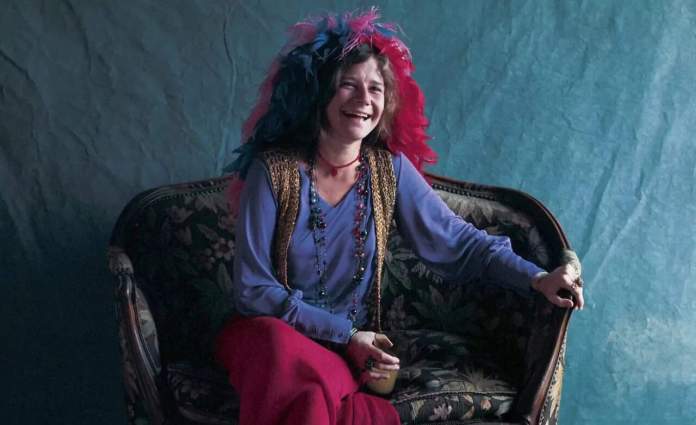
4. Janis Joplin

Janis Joplin was a 4th of July fireworks type of person when it came to her life and music. She had the most incredibly raspy voice, to which she combined blues and rock only, and that combination was enough to earn her a fan base of millions. Unfortunately, she passed away at the age of 27 as a result of a heroin overdose; nevertheless, her impact on the music world is so enormous that her name is still very much alive today. Janis Joplin was a 4th of July fireworks type of person when it came to her life and music. She had the most incredibly raspy voice, to which she combined blues and rock only, and that combination was enough to earn her a fan base of millions. Unfortunately, she passed away at the age of 27 as a result of a heroin overdose; nevertheless, her impact on the music world is so enormous that her name is still very much alive today.

Image Source: Bing Image. License: All Creative Commons

3. Jimi Hendrix

Jimi Hendrix and Janis Joplin were members of the ’27 Club.’ Also, he was not only a skilled guitarist, but with his unique way of playing, he was a new one. He was a legend because of his infinite creation and experimentation, and his music is still studied carefully and admired by artists even today. Hendrix died young, but the music would always remind us of him.

Image Source: Bing Image. License: All Creative Commons

2. Kurt Cobain

Kurt Cobain died in 1994, and that not only removed Nirvana from the planet but also killed the grunge trend of those days. At 27, Kurt Cobain was already a very reluctant spokesman of one generation; then, he took his inspiration from disenchantment and pain, and composed songs that were both fierce and truthful. His death led to discussions about mental illness and the stigma that fame causes, and gave us a heritage, which is both a warning and an inspiration.

Image Source: Bing Image. License: All Creative Commons

1. James Dean

James Dean created a model for a teenage sensation who would head towards disaster. Dean had only three movies where he starred, and a car crash at 24 made him into the eternal bad boy. Dean’s style is still being copied today in fashion, cinema, and music, and part of the reason his untapped potential is one of the factors why he has become legendary. Moreover, he is the Hollywood “what if?” of the past.

Image Source: Bing Image. License: All Creative Commons

They are not simply the narratives of death or celebrity loss; they deal with grieving, myth-making, and keeping our heroes alive after their death. None of these individuals is defined by the day they died, but they still represent the fact that life is short; however, it is still possible to leave a powerful heritage behind.

13 Celebrity Marriages That Have Amazingly Stood the Test of Time

0
Image Source: Bing Image. License: All Creative Commons

It’s no secret that Hollywood has a reputation for fast relationships and marriages that are over almost as quickly as they begin, rather than for fairytale endings. However, a couple shouldn’t just say no to the opposite but actually live through the fame, the rumors, and the paparazzi and still survive quite happily. These star couples demonstrate that love really can persist by a “mere” 15 years to more than 40 years.

Image Source: Bing Image. License: All Creative Commons

13. Salma Hayek & François-Henri Pinault (15+ years)

Married since 2009, Salma Hayek and French billionaire François-Henri Pinault have shrugged off a lot of rumors about their marriage. Hayek has herself been refreshingly honest about the gossip that she married for cash—her take? Let other people think what they like. Fifteen years on, San Michele is going strong, and she’s not bothered about the chatter.

Image Source: Bing Image. License: All Creative Commons

12. Sarah Michelle Gellar & Freddie Prinze Jr. (20+ years)

One of Hollywood’s most famous ’90s couples, these two met on the I Know What You Did Last Summer set in 1997. They began dating in 2000, got married in 2002, and have been together ever since—raising two children and outliving most of their Hollywood contemporaries.

Image Source: Bing Image. License: All Creative Commons

11. Sarah Jessica Parker & Matthew Broderick (27+ years)

Even before Carrie Bradshaw and Ferris Bueller were familiar names, Sarah Jessica Parker and Matthew Broderick crossed paths in the Broadway world. Their 1997 marriage came as a shock to wedding guests, but years later, they’re still deeply committed to family life with their three kids.

Image Source: Bing Image. License: All Creative Commons

10. Victoria Beckham & David Beckham (25+ years)

Britain’s “Posh and Becks” have been a couple since the late ’90s, marrying in 1999. With four kids and a vow renewal to their credit, their marriage has survived international stardom while maintaining romance.

Image Source: Bing Image. License: All Creative Commons

9. Faith Hill & Tim McGraw (25+ years)

Country music’s biggest power couple started dating in 1994 and wed a mere two years later. They spent their entire lives touring, making duets, and raising three girls, demonstrating that a common passion can turn a marriage into a success story.

Image Source: Bing Image. License: All Creative Commons

8. Leslie Mann & Judd Apatow (25+ years)

Their meet-cute was at an audition for The Cable Guy in 1995, and they got married in 1997. Leslie Mann and director Judd Apatow frequently collaborate on films, and she’s stated that she adores having a creative partnership as well as their family relationship.

Image Source: Bing Image. License: All Creative Commons

7. Nicole Kidman & Keith Urban (16+ years)

Nicole Kidman and country artist Keith Urban became acquainted in 2005, and in 2006, they were married in Sydney. They’ve endured public hardships, such as Urban’s struggle to overcome addiction, but mutual support has not caused their marriage to wane.

Image Source: Bing Image. License: All Creative Commons

6. Penélope Cruz & Javier Bardem (12+ years)

Following years of collaboration and friendship, Penélope Cruz and Javier Bardem wed in secrecy in 2010. They are now parents of two and are still famously close-mouthed, allowing their professional endeavors and occasional public appearances to tell the story.

Image Source: Bing Image. License: All Creative Commons

5. Ellen DeGeneres & Portia de Rossi (14+ years)

These two met in 2001, but they had to wait until same-gender marriage became legal in California in 2008 before tying the knot. Well over a decade later, they’re still thanking each other and God for being together.

Image Source: Bing Image. License: All Creative Commons

4. Alicia Keys & Swizz Beatz (12+ years)

Although they first met when they were teenagers, Alicia Keys and Swizz Beatz did not fall in love until later. Their 2010 French wedding occurred when Keys was pregnant with their first child, and they have since juggled music careers, parenthood, and public press.

Image Source: Bing Image. License: All Creative Commons

3. Emily Blunt & John Krasinski (14+ years)

Met by mutual friends in 2008, Emily Blunt and John Krasinski fell deeply in love. Their 2010 marriage resulted in two kids and working partnerships like A Quiet Place, demonstrating that a shared endeavor can unite spouses.

Image Source: Bing Image. License: All Creative Commons

2. Rita Wilson & Tom Hanks (34+ years)

Regarded as Hollywood’s gold standard for wedded bliss, Tom Hanks and Rita Wilson met in the early ’80s and wed in 1988. Despite health struggles and professional peaks, they’re each other’s biggest cheerleaders.

Image Source: Bing Image. License: All Creative Commons

1. Pauletta Pearson & Denzel Washington (41+ years)

It took three proposals before Pauletta Pearson said yes to Denzel Washington, but clearly, it was the right call. Married since 1983, the couple raised four children, and credits respect, laughter, and faith for their longevity.

5 Combat-Tested Metal Pistols That Made the Cut for Elite Units

0
Image Source: Bing Image. License: All Creative Commons

Metal-frame handguns have been a defining force behind the world of military and special operations sidearms. Though polymer-framed pistols currently populate much of the modern market, the vintage feel, battle-tested ruggedness, and reliable performance of traditional metal designs continue to earn respect among professionals. Following is a countdown of five of the most impactful metal handguns to leave their mark on elite units worldwide, with the fabled CZ 75 as our number one choice.

5. Smith & Wesson Model 686

A revolver in a semi-auto-dominated list may come as a shock to some, but the Smith & Wesson Model 686 deserves its spot. Chambered in .357 Magnum and made of stainless steel, the 686 quickly gained a reputation in the 1980s for durability and accuracy. Adjustable sights, balanced handling, and a range of grip sizes made it just as comfortable in target competitions as on duty.

Although wheel guns have taken a back seat to high-capacity semi-autos in military use, the 686 is still a darling of those who appreciate unyielding reliability and traditional craftsmanship. Its ruggedness is such that even examples from decades past are still running strong today.

4. SIG Sauer P226

Formulated for the U.S. XM9 pistol trials, the SIG Sauer P226 established itself as a standard for combat handguns. A full-size DA/SA pistol with an alloy frame, it’s renowned for accuracy, reliability in adverse conditions, and polished controls. Decocking lever, firing pin block, and grip comfort made it a clear pick for the military and law enforcement bodies across the globe.

From U.S. Navy SEALs to counter-terror units in Europe, the P226 has stood the test of missions where failure is not an option. Its even balance and reliability have made it stay in commission long after newer models came along.

3. Glock 19

While not a metal-framed pistol, the Glock 19’s impact cannot be denied. Small, light, and with a 15-round capacity, it has been the benchmark by which many contemporary duty pistols are judged. Its polymer construction, Safe Action trigger system, and simplicity of maintenance have made it popular with special operations units requiring a concealable but effective sidearm. Navy SEALs and many other elite military units have used it for years, and its reputation as a reliable performer under all circumstances continues to make it the most universally used combat pistol on the planet.

2. Beretta 92 / M9

Replaced in 1985 as the standard-issue U.S. military sidearm by the Colt 1911, the Beretta 92—military model M9—has seen duty in hundreds of battles. Its aluminum alloy frame, open-slide design, and smooth DA/SA trigger make a pistol that’s both rugged and easy to shoot accurately. Ambidextrous controls, a 15-round magazine, and great balance made it an ideal choice for both military and law enforcement forces across the globe. Aside from its service history, the Beretta 92 impacted the design of most subsequent pistols and is still one of the most iconic handguns in the world.

1. CZ 75

At the pinnacle lies the CZ 75, a design that set the bar for what a combat pistol could do when it was released in the 1970s. Designed by brothers František and Josef Koucký in Czechoslovakia, it freed itself from the constraints of the period’s typical service pistols. Constructed of a solid steel frame, internal slide rails for enhanced accuracy, and a DA/SA trigger, it provided excellent handling and mechanical acuity. Its Browning-type linkless cam lock system also minimized recoil and maximized longevity, winning over militaries, lawmen, and civilians alike.

The CZ 75 is renowned for its reliability, enduring torture tests, and adverse field conditions. Its ergonomics have been likened to a tailored fit in the hand, with it being the preferred choice in nations stretching from Europe to the Middle East. Since it was never patented globally during the Cold War, the design spawned innumerable clones—some virtually identical, others greatly modified—manufactured globally. Compact and light versions like the CZ 75 Compact, PCR, and P-01 keep the platform attuned to contemporary requirements.

A full five decades after entering service, the CZ 75 is as timely as ever. It continues to be carried by military and law enforcement units, competes favorably in sport shooting competitions, and is prized by collectors for its heritage and workmanship.

Its enduring popularity stems from its unusual pairing of combat ruggedness, exceptional accuracy, and shooter-friendly ergonomics. Few have succeeded in staying relevant over such a long period without sacrificing their intrinsic character, and that is what makes the CZ 75 such a benchmark for military and special operations sidearms.

11 Old Hollywood Icons Who’ve Stood the Test of Time

0
Image Source: Bing Image. License: All Creative Commons

Hollywood may love its rising young stars, but there’s a special kind of magic in the veterans who’ve outlasted decades of trends, genres, and changing tastes. These are the icons who have graced both the big and small screens for generations—proof that talent, charm, and passion for the craft only grow stronger with time. Today, we’re tipping our hats to 11 of the oldest living legends in film and television.

Image Source: Bing Image. License: All Creative Commons

11. Nancy Olson

Nancy Olson’s life is the stuff of which classic Hollywood success stories are made. Most famous for her Oscar-nominated turn as Sunset Boulevard’s Betty Schaefer, Olson continued to delight fans in Disney classics such as The Absent-Minded Professor and Son of Flubber. Although she retired from acting in the 1980s, she’d make sporadic comebacks for one-off appearances—and included a 2014 film role—demonstrating that the screen magic never left her.

Image Source: Bing Image. License: All Creative Commons

10. Mel Brooks

Few comedy names bring the same gravitas as Mel Brooks. From Blazing Saddles through Young Frankenstein, his films have set the standard for comedic filmmaking for decades. Brooks also counts among the select EGOT winners, having won Emmy, Grammy, Oscar, and Tony awards. Aside from writing and directing, Brooks started Brooksfilms, producing classics such as The Elephant Man and The Fly. With a career of over 75 years, his creative spark is still burning bright.

Image Source: Bing Image. License: All Creative Commons

9. David Attenborough

David Attenborough’s voice is one that the world heeds. His pioneering Life series on a documentary set the benchmark for nature shows, combining breathtaking imagery with his warm, authoritative voice. More recently, Attenborough has been an outspoken champion of the environment, calling for action on climate change and conservation. His voice and vision have led generations to care for the world.

Image Source: Bing Image. License: All Creative Commons

8. Dick Van Dyke

At 98, Dick Van Dyke retains the same energy that propelled him to household fame in the 1960s. From The Dick Van Dyke Show to his iconic role in Mary Poppins and Chitty Chitty Bang Bang, it has been one long masterclass in entertainment for the ages. With Emmys, a Tony, a Grammy, and even a face-saving return cameo in Mary Poppins Returns, Van Dyke continues to demonstrate that art and joy have no shelf life.

Image Source: Bing Image. License: All Creative Commons

7. Jimmy Carter

Most famous as America’s 39th president, Jimmy Carter has perhaps had an even greater effect on the world since leaving office. The current longest-living U.S. president has spent decades working on humanitarian issues, promoting peace, and working for the environment. His Nobel Peace Prize is only one of a number of awards that attest to a life dedicated to service and world improvement.

Image Source: Bing Image. License: All Creative Commons

6. Eva Marie Saint

Eva Marie Saint has had a career that most actors can only hope for—lasting more than seven decades, touching film, stage, radio, and television. She received an Academy Award for On the Waterfront and mesmerized audiences opposite Cary Grant in Hitchcock’s North by Northwest. Most recently, she was seen in Winter’s Tale and provided voice work in The Legend of Korra, solidifying her status as a multi-generational star.

Image Source: Bing Image. License: All Creative Commons

5. Ray Anthony

Ray Anthony is not only a bandleading legend but also the sole remaining member of the Glenn Miller Orchestra. Famous for his hit recording of “At Last,” Anthony has been on the scene for more than 80 years. At age 102, his Hollywood Walk of Fame star remains a living link to the golden era of big band music. 

Image Source: Bing Image. License: All Creative Commons

4. Frances Wessells

Frances Wessells demonstrates that dance keeps one young. Performing professionally well into her late 90s, she’s amazed audiences with her poise and energy, even taking on a role in the Latin Ballet of Virginia’s The Legend of the Poinsettia. As an instructor and performer, she’s influenced countless students to keep active and create at any age.

Image Source: Bing Image. License: All Creative Commons

3. June Spencer

At 103, June Spencer just completed a record-breaking career as Peggy Woolley in the BBC radio soap The Archers, a position that she held for more than 70 years. Her remarkable career on the program has presented her with numerous lifetime achievement awards and a place in broadcasting history.

Image Source: Bing Image. License: All Creative Commons

2. Caren Marsh Doll

One of the dying remnants of Hollywood’s Golden Age, Caren Marsh Doll contributed to many MGM productions and notoriously played Judy Garland’s stand-in for The Wizard of Oz and Ziegfeld Girl. The oldest living Hollywood actress, her life is an opportunity to experience the early days of movie magic.

Image Source: Bing Image. License: All Creative Commons

1. Elisabeth Waldo

At 106, Elisabeth Waldo is the oldest living entertainment personality. A classically trained violinist, composer, and conductor, Waldo’s life has brought her from rural origins to concert halls around the world. Her distinctive blending of classical and Latin American music represents a lifetime of discovery and creativity.

Image Source: Bing Image. License: All Creative Commons

What’s their secret?

Studies in the Blue Zones documentary identify shared practices: being active, maintaining close social connections, consuming primarily plant-based diets, and having a sense of purpose. Betty White attributed her longevity to optimism and a sense of humor, while legends such as Mel Brooks and Dick Van Dyke continue producing well into old age.

Image Source: Bing Image. License: All Creative Commons

These incredible women demonstrate that passion, purpose, and a little determination can sustain the spotlight for a lifetime—and beyond.

10 Hollywood Actresses Whose Height Sets Them Apart

0
Image Source: Bing Image. License: All Creative Commons

Hollywood thrives on fame, and at times, that fame is very much above the others. The height of the average female American is 5’4″, but there is a certain group of actresses who are taller than their on-screen and off-screen co-stars. No matter if they are playing leading roles in big dramas, delivering the punchline of a comedy, or grabbing all the attention on the red carpet, these women are proving that being a bit taller is just another way to have more star power. Why not list the top 10 tallest actresses who are currently working in Hollywood?

Image Source: Bing Image. License: All Creative Commons

10. Jennifer Lawrence – 5’9″ (175 cm)

Jennifer Lawrence is only a foot away from six feet, but still stands taller than most if she is 5’9″. Her debut as Katniss Everdeen in The Hunger Games was not just one that put a spotlight on her singing skills, but also one that made evident her innate ability to give the character a physical side and power. No matter if she is one of the strong characters in action movies or is playing the role of a witty female in romantic comedies, her height always gives her a certain off-stage accompaniment as well as her on-stage shining.

Image Source: Bing Image. License: All Creative Commons

9. Ann Colter – 5’9″ (175 cm)

Ann Coulter, known most for her sarcastic political commentary, has been a figure in the entertainment world as well, for instance, in Sharknado 3 and as a recurring guest on daytime talk shows. At 5’9″, her somewhat tall stature goes well with her massive personality, so she is never lost in the crowd, no matter the event. In addition to being a force to reckon with in terms of ideas, she is also utterly so in terms of form and content, as her voice and stature make sure she glides none too far below the radar in Hollywood society, whether you like her or not.

Image Source: Bing Image. License: All Creative Commons

8. Stephanie Corneliussen – 5’11” (180 cm)

Model and actress Stephanie Corneliussen of Denmark is the one who blends the European touch and toughness with the glamor of Hollywood. She is almost six feet tall, and her unusual looks and impactful aura have made her very popular on Mr. Robot and American Horror Story, where her image complements the more dark and mysterious aspects of the plot, gaining her recognition. The combination of her modeling career and her acting skills makes her one of those artists who can effortlessly dominate fashion shoots and complex TV characters.

Image Source: Bing Image. License: All Creative Commons

7. Whitney Cummings – 5’11” (180 cm)

The very presence of Whitney Cumming, who is one of the best things that comes with height, is the whole package of confidence and a sense of humor. The 5’11” tall stand-up comedian, writer, and actress has turned their sharp wit and elevation to their advantage on shows like Whitney and 2 Broke Girls. Rather than trying to hide her distinct quality of appearing, she often jokes about it, and thus, what other people might see as a downside is what she uses in her stand-up. In a boardroom, she could be just as powerful a force as in a comedy club, where she performs.

Image Source: Bing Image. License: All Creative Commons

6. Ilfenesh Hadera – 5’11” (180 cm)

Ilfenesh Hadera got there by playing in Baywatch, She’s Gotta Have It, and The Blacklist, and with her 5’11” size, she made sure to be a visual picture of the leadership she portrayed. Her characters are firm but friendly as she mixes the qualities of sportiness, grace, and charm. Hardly ever is her height pointed out as the reason she is such an unforgettable actress; rather, it is just one of the elements that add to her unique charm.

Image Source: Bing Image. License: All Creative Commons

5. Tricia Helfer – 5’11” (180 cm)

Tricia Helfer is well known by science fiction fans as the quintessential Cylon of Battlestar Galactica. Being 5’1″ tall with model features and attitude, she was able with her commanding presence to impress and elicit fear, thus making her character successful as a seductive and mysterious machine. Moreover, for her achievements in sci-fi, Helfer has also been in comedies and has demonstrated a lot more than just being a pretty face; however, if her height is not to be considered, she is definitely being overshadowed by the rest of the cast for the scenes she unwillingly breaks into.

Image Source: Bing Image. License: All Creative Commons

4. Mariel Hemingway – 5’11” (180 cm)

Mariel Hemingway, the daughter of the one and only film director and granddaughter of the literary icon Ernest Hemingway, has carved her path in Hollywood with her remarkable acting talent. Her 5’11” frame, complemented by her natural elegance, has been the medium through which she has delivered her memorable performances in movies like Star 80 and Superman IV. Talent and not her surname were the foundation of her career; however, it was her presence that made her stand out. Besides her height, which adds to her appeal, she is capable of commanding the screen in both serious and comedy roles.

Image Source: Bing Image. License: All Creative Commons

3. Rachel Hunter – 5’11” (180 cm)

Rachel Hunter got her start as a model but soon became an actress and television host. At 5’11”, she possesses the timeless runway physique, and it easily carried over to her appearances on screen in films such as Two Shades of Blue and her travel show, Rachel Hunter’s Tour of Beauty. On television or in movies, Hunter’s statuesque figure and down-to-earth nature have maintained her presence in the public eye for decades.

Image Source: Bing Image. License: All Creative Commons

2. Stacy Keibler – 5’11” (180 cm)

Stacy Keibler initially became known in the professional wrestling arena before arriving in mainstream entertainment. With her athleticism and long legs, her 5’11” height provided a remarkable advantage both in the ring and subsequently on shows such as Dancing With the Stars. Keibler’s height, combined with charm and charisma, assisted her in making an easy transition from sport to Hollywood and now stands as one of the most familiar tall stars working in the business.

Image Source: Bing Image. License: All Creative Commons

1. Nicole Kidman – 5’11” (180 cm)

Not only is Nicole Kidman an Oscar-winning actress, but also one of the tallest stars in Hollywood. She and her stature, along with her grace, have made her a red carpet icon for years. Besides that, she’s tall with her wide-ranging roles from Moulin Rouge! to The Hours and Big Little Lies. The height of her character is not only a matter of fact—it is also a reference to her acting skills of playing characters, which at the same time possess emotional complexity and are strong.

Image Source: Bing Image. License: All Creative Commons

Honorable Mentions – Other Tall Queens

Numerous tall actresses in Hollywood are tall, and these top 10 countdown actresses narrowly miss the list. Lucy Lawless, who achieved fame as the warrior woman in Xena: Warrior Princess, is 5’11” tall and always looks powerful and confident. Abbey Lee was a very strong presence both in Mad Max: Fury Road and The Neon Demon, thus the actress, who is almost six feet tall, had quite the inimitable one for the screen.

Image Source: Bing Image. License: All Creative Commons

Swedish actress Lena Olin and Vikings star Alyssa Sutherland are the ones who prove that height can be an added layer of depth to an already impressive skill set. And of course, Sigourney Weaver is there too — at 5’11”, she wasn’t long in helping to define the female action star category with her landmark role in Alien as Ellen Ripley.

Image Source: Bing Image. License: All Creative Commons

Just being tall will not turn an actress into a star; however, it might be the reason that gives her a unique characteristic, which enables her to be noticed among the others. Not only are these ladies not tearing down their physiques, but they are also doing it to their advantage, reminding us that talent comes in all sizes. In Hollywood, it is not a matter of being included in the crowd; rather, it is about standing out, and literally, you cannot be taller.

Sparks on Screen: 15 Celebrity Couples Who Met While Filming

0
Image Source: Bing Image. License: All Creative Commons

Sometimes the best love stories aren’t written—they just occur. Hollywood is full of romances where actors transitioned from co-stars to soulmates, showing that movie magic can turn into something much larger. From flings that fizzled out to marriages that lasted for decades, these couples remind us that movie magic doesn’t always end when the cameras cease rolling.

Image Source: Bing Image. License: All Creative Commons

15. Jennifer Lawrence & Nicholas Hoult (X-Men: First Class)

Before she became Katniss, Jennifer Lawrence was Mystique—and developed a crush on her X-Men: First Class co-star Nicholas Hoult. Their lighthearted romance lasted a couple of years, and despite breaking up in 2015, they’re still buddies. 

Image Source: Bing Image. License: All Creative Commons

14. Dev Patel & Freida Pinto (Slumdog Millionaire)

Their movie dominated the Oscars, but the actual award was in finding each other. Dev and Freida were dating for six years, keeping things relatively low-key but staying warm when seen together. Although they’ve now parted ways, their fans love their tale.

Image Source: Bing Image. License: All Creative Commons

13. Andrew Garfield & Emma Stone (The Amazing Spider-Man)

Peter Parker and Gwen Stacy’s chemistry extended beyond the screen. Andrew and Emma were dating for four years, and even though they broke up, they remain best friends to this day. Their on-screen chemistry remains one of Hollywood’s most delightful “Spidey” legacies.

Image Source: Bing Image. License: All Creative Commons

12. Miley Cyrus & Liam Hemsworth (The Last Song)

What began as a Nicholas Sparks beach rom-com became almost a decade of highs and lows, a marriage, and a tabloid breakup. Theirs wasn’t a love that was meant to last, but it’s sure not one to forget.

Image Source: Bing Image. License: All Creative Commons

11. Amanda Seyfried & Dominic Cooper (Mamma Mia!)

Singing ABBA hits in the Greek sunshine, Amanda and Dominic fell head over heels while shooting Mamma Mia! They were dating for nearly three years before reuniting for the second film—showing exes can remain friends (and still slay a duet). 

Image Source: Bing Image. License: All Creative Commons

10. Channing Tatum & Jenna Dewan (Step Up)

From the set to the real world, Channing and Jenna’s on-screen chemistry was undeniable. They got married, had a daughter, and although they’ve divorced since then, they’re still dedicated, co-parents.

Image Source: Bing Image. License: All Creative Commons

9. Kit Harington & Rose Leslie (Game of Thrones)

Jon Snow and Ygritte’s explosive romance spilled over into real life, resulting in a castle wedding and two children. From snowy sets to domestic bliss, their love story is one for the books.

Image Source: Bing Image. License: All Creative Commons

8. Ryan Gosling & Eva Mendes (The Place Beyond the Pines)

Ryan and Eva’s movie kiss grew into one of Hollywood’s most low-key but long-lasting romances. Today, married with two daughters, they have maintained their romance sweetly off the radar.

Image Source: Bing Image. License: All Creative Commons

7. Blake Lively & Ryan Reynolds (Green Lantern)

The film failed, but the romance triumphed. Blake and Ryan’s chemistry blossomed into a wedding, three daughters, and a fourth on the way. Their lighthearted social media spats make them Hollywood’s best-loved couple.

Image Source: Bing Image. License: All Creative Commons

6. Jesse Plemons & Kirsten Dunst (Fargo)

Life imitated art when Jesse and Kirsten portrayed a married couple in Fargo. Their on-screen chemistry translated to real life, and they got married in 2022. They’re the epitome of quirky, indie royalty.

Image Source: Bing Image. License: All Creative Commons

5. Tom Holland & Zendaya (Spider-Man: Homecoming)

Beginning as friends, Tom and Zendaya gradually transitioned from co-stars to one of Gen Z’s most beloved power couples. They remain under the radar, but each red-carpet sighting melts the internet.

Image Source: Bing Image. License: All Creative Commons

4. Dax Shepard & Kristen Bell (When in Rome, CHiPs)

It didn’t work at first, but when it did, there was no going back. Dax and Kristen are married, parents, and well-known for being honest about relationships.

Image Source: Bing Image. License: All Creative Commons

3. Freddie Prinze Jr. & Sarah Michelle Gellar (Scooby-Doo)

Their initial encounter was on I Know What You Did Last Summer, but it was Scooby-Doo that sealed their relationship. Married since 2002, they’ve established one of Hollywood’s few long-lasting marriages.

Image Source: Bing Image. License: All Creative Commons

2. Rose Leslie & Kit Harington (Game of Thrones)

Yes, they deserve a second shoutout—because not many TV romances have translated into as lasting a real-life love story. From Westeros to wedded bliss, their journey is fantasy-meets-reality.

Image Source: Bing Image. License: All Creative Commons

1. Ryan Gosling & Rachel McAdams (The Notebook)

More iconic doesn’t exist. Although they argued initially, Ryan and Rachel’s passionate chemistry in The Notebook became an actual romance. Their MTV “Best Kiss” scene remains legendary, and their love story—even a short one—remains timeless.

Image Source: Bing Image. License: All Creative Commons

Hollywood might be full of scripts and special effects, but sometimes the best romance is unscripted. These couples remind us that love doesn’t just happen in the movies—it happens because of them.

These 13 Hollywood Figures Aren’t Afraid to Share Their Atheism

0
Image Source: Bing Image. License: All Creative Commons

For more than a generation, Hollywood has been a platform for more than just movies, but for grand cultural arguments—including religion, spirituality, and how to live without faith. Over the last few years, an increasing number of actors, writers, and performers have been candid about their atheism, making what was previously a forbidden topic front-page news. Some are direct, some are funny, and some use a deeply personal strategy—but all have brought nonbelief into the conversation. Here are 13 of the strongest voices of atheism who’ve had a presence in Hollywood and beyond.

Image Source: Bing Image. License: All Creative Commons

13. Jack Black

Comedy icon Jack Black might be most famous for jamming out in School of Rock or voicing Po in Kung Fu Panda, but he’s also been open about being an atheist. Although raised as Jewish and celebrating a Bar Mitzvah, he went on to reject religious practice. Black has conceded that bringing up his children in Jewish customs is “a little hypocritical” because he doesn’t believe, yet his candor—blended with humor—has made him one of Hollywood’s most refreshingly candid voices on religion.

Image Source: Bing Image. License: All Creative Commons

12. Julianne Moore

Since the death of her mother, Julianne Moore’s cynicism about religion only grew stronger. The Boogie Nights actress has stated that she thinks people, not supernatural forces, make life meaningful and establish order on the planet. Her sentiments are in line with the theme of many celebrity atheists: disbelieving that religion must provide morality or purpose. 

Image Source: Bing Image. License: All Creative Commons

11. Keira Knightley

In her signature sarcasm, Keira Knightley has mocked religious forgiveness. Joking that belief would allow her “to get away with anything” by merely seeking forgiveness, the Pirates of the Caribbean actress makes her atheism sound crisp and fun.

Image Source: Bing Image. License: All Creative Commons

10. Ian McKellen

Sir Ian McKellen has never been coy when it comes to religion. The Lord of the Rings and X-Men superstar has spoken simply, “Heaven doesn’t exist.” Though he gets why people find solace in faith, he refers to it as unnecessary. His honesty stands out amidst an industry in which many prefer to remain ambiguous.

Image Source: Bing Image. License: All Creative Commons

9. Brad Pitt

Brad Pitt’s spiritual perspective has evolved over the years. Raised in a conservative Christian home, the star of Fight Club today identifies as more agnostic, occasionally atheist. For Pitt, honesty is the policy: he doesn’t see proof of an afterlife, and he’s happy to admit he just doesn’t know.

Image Source: Bing Image. License: All Creative Commons

8. Seth MacFarlane

Family Guy and The Orville creator Seth MacFarlane is one of pop culture’s most vocal atheist voices. His animated programs frequently satirize religion, and in interviews, he’s candidly spoken about his lack of faith. Satire for MacFarlane is how atheism enters the day-to-day cultural discourse.

Image Source: Bing Image. License: All Creative Commons

7. Hugh Laurie

As the fantastic but pessimistic Dr. House, Hugh Laurie brought skepticism to life—offscreen, he’s just the same. An adamant atheist, Laurie has even emceed atheist conventions and employed humor to mock religious concepts. Dry wit makes him a natural skeptic of dogma.

Image Source: Bing Image. License: All Creative Commons

6. Helen Mirren

Dame Helen Mirren has a subtle approach: she connects with Christian culture but does not think God exists. Morality and compassion for her come from mankind, not divine decrees. The Oscar-winning star’s attitude appeals to many who see ethical significance without religion.

Image Source: Bing Image. License: All Creative Commons

5. Javier Bardem

Famous for his performances being so intense, Javier Bardem approaches atheism in a light-hearted manner. The star of No Country for Old Men previously joked, “I don’t believe in God, I believe in Al Pacino.” His sense of humor makes his attitude accessible instead of sermonic.

Image Source: Bing Image. License: All Creative Commons

4. Emma Thompson

Emma Thompson ties atheism to her feminism, condemning organized religion as traditionally oppressive of women. Although she holds dear individual spirituality, she has no use for dogma, describing herself as a clear-eyed atheist. Her blend of empathy and criticism lends her voice gravitas above Hollywood.

Image Source: Bing Image. License: All Creative Commons

3. Ricky Gervais

Few public figures thrust atheism into the limelight so aggressively as Ricky Gervais. The creator of The Office and a comedian has made much of his comedy about challenging religion. Whether trading opinions with late-night talk show hosts or sending pointed one-liners on Twitter, Gervais has made atheism humorous, palatable, and highly visible.

Image Source: Bing Image. License: All Creative Commons

2. Daniel Radcliffe

Harry Potter himself came of age in the spotlight, and Daniel Radcliffe has not been afraid to refer to himself as an atheist. Occasionally, he puts it in terms of agnostic, occasionally “militant atheist”—particularly when religion intrudes on politics and law. His candor has made him a sympathetic figure for younger readers who grapple with doubt.

Image Source: Bing Image. License: All Creative Commons

1. Changing the Conversation

Collectively, these celebrities demonstrate just how far the cultural dialogue has come. Talking about atheism was dangerous once; now, it can ignite genuine controversy—or even adoration. Whether it’s Radcliffe’s activism, Gervais’s humor, or Thompson’s feminism, their voices demonstrate that nonbelief is not a marginal viewpoint, but part of mainstream cultural existence.

Image Source: Bing Image. License: All Creative Commons

In a world where religious storytelling still prevails, these vocal atheists are making room for doubt, for reason, and for laughter. Whether you find yourself in agreement or not, they’ve made one thing certain: atheism has a legitimate, undeniable niche in Hollywood and beyond.