Home Blog Page 652

15 Supposedly “Historical” Films That Weren’t So Accurate

0
Image Source: Bing Image. License: All Creative Commons

They really are awesome – a historical epic is certainly gripping. The intense moments, the large sets, the epic war scenes – these are all there to make you feel as if you are learning something significant while being totally mesmerized. But the reality is: if after one of these films you felt like you got a history lesson for free, then you might need to unlearn some things. It is nearly a tradition for Hollywood to sacrifice historical accuracy in order to have more drama, more explosions, or even another love triangle. Therefore, be prepared – these 15 films not only differed visually but also significantly changed the history.

Image Source: Bing Image. License: All Creative Commons

15. Centurion (2010)

This ancient action movie fantasizes about what became of the enigmatic Ninth Legion of Britain, a question still vexing historians. But rather than embracing the uncertainty of history, the film makes up an entire fantasy. The indigenous Picts become semi-mythical bad guys, and the protagonists are all fiction. Good fight choreography? Absolutely. Historical interest? Not exactly.

Image Source: Bing Image. License: All Creative Commons

14. The Patriot (2000)

Mel Gibson’s Revolutionary War epic is less fact than historical fanfiction. His protagonist, Benjamin Martin, is modeled on several real individuals but stripped of their less admirable qualities. The British are rendered like comic book villains, slavery all but glossed over, and war depicted more like a video game than an actual conflict. Fun? Absolutely. Educational? Not.

Image Source: Bing Image. License: All Creative Commons

13. The King (2019)

Don’t look for a true picture of Henry V here. This movie draws more from Shakespeare’s portrayal of the king than from historical records. It reimagines Henry as a peaceful loner and fabricates dramatic sequences, such as a duel between two alone at Agincourt, that never existed. Consider it an elegant rethinking—and not a history lesson in medieval monarchy.

Image Source: Bing Image. License: All Creative Commons

12. Kingdom of Heaven (2005)

Ridley Scott’s drama of the Crusades takes sweeping liberties with the facts. Characters are rewritten, the politics of the period are reduced to simplistic terms, and the Siege of Jerusalem is given a Hollywood makeover. Though visually stunning, it distorts the religious and geopolitical complexities of the era, causing some historians to be concerned that it promulgates more legend than fact.

Image Source: Bing Image. License: All Creative Commons

11. Gladiator (2000)

Russell Crowe’s Maximus might be a household name, but he never existed. The film compresses multiple historical figures into one and rewrites the story of Emperor Commodus. The Colosseum, the battles, even Marcus Aurelius’s death—it’s all cinematic invention. It’s a powerful drama, but don’t base your Roman history test on it.

Image Source: Bing Image. License: All Creative Commons

10. Apocalypto (2006)

It takes place during the twilight of the Mayan Empire, but tosses historical and cultural authenticity out the window. It confuses Mayan and Aztec customs, portrays the Maya as murderous caricatures, and ends with a time-period-violating appearance by Spanish conquistadors—roughly 400 years premature. It’s high-octane and stunningly photographed, but historians complained.

Image Source: Bing Image. License: All Creative Commons

9. Pearl Harbor (2001)

This is a romance novel, not a war movie. Michael Bay’s take is about a fictional love triangle and sensationalizes Japanese attacks on civilians that never occurred. Even FDR rising from his wheelchair is not true. The actual history of Pearl Harbor is interesting enough without the made-up padding.

Image Source: Bing Image. License: All Creative Commons

8. Dances With Wolves (1990)

While it wins accolades for its portrayal of Lakota language and culture, the film still resorts to the “white savior” trope. Kevin Costner’s character is not real, and the presentation of the Native tribes is inclined to oversimplify or stereotype them in favor of a neat narrative. It attempts to, but fails to include vital nuances.

Image Source: Bing Image. License: All Creative Commons

7. Braveheart (1995)

One of the greatest historical epics of all time—and one of the most inaccurate. William Wallace was not a farmer, kilts were not worn during his day, and the blue war paint was centuries too early. The dashing romantic subplot with Princess Isabella is out of the question—she was around 10 and still in France. Even the title is incorrect: “Braveheart” is about a different Scottish hero altogether.

Image Source: Bing Image. License: All Creative Commons

6. 300 (2006)

This comic book adaptation pushes everything to the extreme. The actual Battle of Thermopylae had thousands of Greek allies, not merely 300 Spartans. Xerxes becomes a surreal supervillain, and the Persians are literal monsters. It’s a stylized war fantasy—not a military history.

Image Source: Bing Image. License: All Creative Commons

5. The Other Boleyn Girl (2008)

Lifted from a novel, this Tudor drama manipulates history for maximum drama. Mary Boleyn is inappropriately depicted as Anne’s younger sister, and their lives with Henry VIII are seriously distorted. Some of the characters are fabricated, timelines get jumbled up, and whole storylines are manufactured. The actual Boleyn saga was drama enough—no need to make it up.

Image Source: Bing Image. License: All Creative Commons

4. The Imitation Game (2014)

Although Benedict Cumberbatch gives a superb performance, the film oversimplifies how the Enigma code was cracked. Turing didn’t work alone—he had a team (and Polish assistance). The film also overplays his clumsiness, invents a fictional love affair, and alters major facts, such as the name of the machine. It’s a tribute, certainly—but not a factual one.

Image Source: Bing Image. License: All Creative Commons

3. Argo (2012)

Ben Affleck’s thriller makes the Iranian hostage crisis real, but keeps the Canadian government in the wings during the rescue mission. The edge-of-your-seat airport escape? All fantasy. Even small things, such as the Hollywood sign, are misplaced for the era. It’s a terrific movie, but if you want the true story, you’ll have to look in a history book.

Image Source: Bing Image. License: All Creative Commons

2. Napoleon (2023)

Ridley Scott reappears on the list with his visually stunning, factually flawed biopic. From distorting battles to inventing personal facts, the film creates a Napoleon who’s more legend than human being. That infamous frozen lake battle at Austerlitz? Never occurred. And no, Napoleon was not short. Scott’s own opinion? Critics need to “get a life.”

Image Source: Bing Image. License: All Creative Commons

1. Bonhoeffer: Pastor, Spy, Assassin (2025)

This one is the icing on the cake. Although the costumes and cinematography are perfect, the narrative is largely untrue. Dietrich Bonhoeffer is made over into an action hero—playing jazz with Louis Armstrong, conducting secret operations, and distributing communion to Nazis. In real life, Bonhoeffer was a brilliant, fearless theologian, not a pulp novel hero. As critics have noted, this version tells a good story—but not his story.

Image Source: Bing Image. License: All Creative Commons

So the next time you’re swept along by a historical blockbuster, appreciate the spectacle—but perhaps have your history textbook alongside. Because in Hollywood, drama tends to trump truth.

What Makes Mortal Kombat the Undisputed Champion of Fighting Games

0

Maybe​‍​‌‍​‍‌​‍​‌‍​‍‌ remembering how Mortal Kombat got into your life for the very first time is one of the perks of living near an arcade in the ’90s. It could be that the digitized characters were what fascinated you, the blood pools were what you couldn’t look away from, or it might be the first time you ever heard the voice “Finish Him!” while seeing someone get their spine ripped. Mortal Kombat was far from just another fighting game that came out—you had a cultural shockwave, a center of controversies, yet a franchise still around today with a history of more than 30 ​‍​‌‍​‍‌​‍​‌‍​‍‌years.

Image Source: Bing Image. License: All Creative Commons

The Arcade Origins: Blood, Controversy, and Fatalities

In 1992, Mortal Kombat invaded arcades with a brief twist: what if Street Fighter, but gory and with so much more attitude? Its sequel, Mortal Kombat II, doubled up on the gore and displayed a cheeky sense of humor with “babalities” and “friendships.” The creators very well knew how ridiculous it all was—and went with it. But the game’s infamy wasn’t all about humor. The firestorm over its violence was so intense that it helped spawn the ESRB ratings system. If your parents disliked it, that just made you adore it more.

The Art of the Port: Console Wars and Home Versions

For the rest of us who didn’t have unlimited quarters to waste, the real fight was which console offered the superior version at home. The SNES had better-looking and sounding graphics, but the Genesis offered smoother gameplay—and most importantly, it preserved the blood. For many fans, your initial Mortal Kombat was just whichever version your parents (or your spending money) could afford.

Storytelling and Lore: From Simple Fights to Epic Sagas

What began as a small-scale tournament with seven fighters quickly evolved into a sprawling saga filled with gods, realms, and messy family feuds. The roster exploded, the lore deepened, and suddenly Mortal Kombat wasn’t just about uppercuts and fatalities anymore.

By the time the PlayStation 2 era rolled around, the series was dabbling in story modes, side material, and even a weird tangent into kart racing. It wasn’t exactly a work of genius, but it showed that Mortal Kombat wasn’t afraid to innovate and continue to surprise fans.

The Modern Era: Reboots, Reimaginings, and Mortal Kombat 1

Flash forward to the present, and Mortal Kombat continues to find new ways to reinvent itself. The newest iteration, Mortal Kombat 1, is a reboot, sequel, and prequel simultaneously. It tones down the military-focused tone of recent titles and becomes a full martial arts movie with outrageous cutscenes and a story mode that mixes melodrama and sheer pandemonium.

The introduction of the new Kameo system introduces classic characters as tag-in assists, with new depth added to combat. Invasion mode, which is a combination of brawler and board game, is another innovation. Not all of it works—some fans lament the content-heavy Mortal Kombat 11, and the Switch port is famously clunky—but the fundamental fighting still packs a more potent punch than ever.

Mortal Kombat on the Big Screen: Hits, Misses, and Fan Service

Mortal Kombat’s cinematic aspirations date back nearly as long as the games. The 1995 movie is a cult favorite, half campy and half endearing. Its sequel, Mortal Kombat: Annihilation, is better left unremembered.

The 2021 retooling sought to marry old fans and new. Though its narrative, for the most part, lays groundwork for sequels, it serves up brutal fight choreography and spectacular deaths. Joe Taslim’s Sub-Zero stands out, Kano steals every scene he’s in, and the movie isn’t afraid to get silly when it needs to. It glosses over the actual tournament, but promises more fights to follow.

The Secret Sauce: Why Mortal Kombat Endures

So what’s prevented Mortal Kombat from dying off when so many other fighting games have? It’s the combination of iconic characters, the balance between camp and seriousness, and a fanbase that loves both the lore and the extreme violence.

Mortal Kombat has fallen a lot—through awkward spin-offs, uneven sequels, cringeworthy movies—but it never stopped being unapologetically itself. And that’s why we keep coming back. Whether you’re a casual button-masher, a lore diehard, or just here to watch someone get ripped in half, there’s always another round waiting.

10 Legendary Powers That Shaped Tolkien’s Middle-earth

0
Image Source: Bing Image. License: All Creative Commons

Seriously, Talking-Extreme Earth is brimming with characters of the most magnificent kind. Besides ancient monsters, it is loaded with heroes, the world of J.R.R. Tolkien’s Middle-earth being almost defiant by comparison. These characters can change the course of history by their power, intelligence, or even courage. Therefore, it could be said that if you are a lore expert of Tolkien, a movie addict, or merely a casual viewer of the series, you would still be at a loss for the question: who is the mightiest one in Middle-earth?

Image Source: Bing Image. License: All Creative Commons

Here is our countdown of 10 of the strongest characters in Tolkien’s world—ranked not only by strength, but by their influence, durability, and capacity for leaving an indelible mark on the legendarium.

Image Source: Bing Image. License: All Creative Commons

10. King Théoden – The Comeback King

Théoden doesn’t carry a staff or tap into old magic—but don’t be deceived, his power is in spirit and leadership. Having overcome Saruman’s domination, he emerges from despair to rally Rohan into its most epic conflicts. His leadership at Helm’s Deep and peerless charge at Pelennor Fields demonstrate that true strength sometimes resembles courage in the face of doom.

Image Source: Bing Image. License: All Creative Commons

9. Éowyn – The Witch-King Slayer

Éowyn defies all the rules—and then some. Frustrated at being told she can’t fight, she disguises herself as a male warrior and rides headlong into battle. Her killing of the Witch-King, one of Sauron’s most feared minions, is both legendary and historic. When she says, “I am no man,” it’s not just cool—it’s destiny rewritten.

Image Source: Bing Image. License: All Creative Commons

8. Azog the Defiler – War-Maker of the North

Azog is not only an orc. He’s the brutal warlord who murdered the Dwarven king Thrór and sparked a gore-soaked war between orcs and dwarves. Even after losing one of his arms to Thorin Oakenshield, he comes back worse than before—equipped with a lethal prosthetic and a grudge powerful enough to rattle mountains.

Image Source: Bing Image. License: All Creative Commons

7. Mûmakil – Living Engines of War

These massive war-beasts employed by the Haradrim are not simply elephant impersonators. Mûmakil (or Oliphaunts) are huge, destructive monsters—armored, warlike, and near-unstoppable once they charge. They’re mobile war machines, and on the battlefield, they’re as frightening as any dragon. 

Image Source: Bing Image. License: All Creative Commons

6. The Watcher in the Water – Lurker of Moria

Lurking in the darkness of the waters beyond the gates of Moria, this ancient, tentacled creature is as enigmatic as it is frightening. We never find out precisely what it is or how it got there, but when it attacks Frodo and causes the Fellowship to flee, we realize one thing for certain—it’s not someone you want to mess with.

Image Source: Bing Image. License: All Creative Commons

5. Treebeard – The Forest’s Might

Being the oldest of the Ents, Treebeard has seen ages come and go and forests come crashing down. He is slow to anger but, once provoked, can shake the foundations of the earth. His actions during the journey to Isengard demonstrate that even the old trees have their limits—and when they rise in rebellion, they don’t mince words.
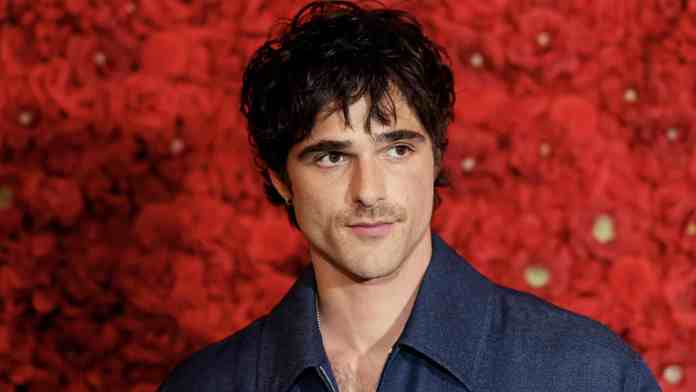
Image Source: Bing Image. License: All Creative Commons

4. Gwaihir the Windlord – Skyborne Savior

Great Eagle Leader, Gwaihir, is not only a giant bird—he’s a beacon of hope. With great strength and intelligence, he saves Gandalf from hopeless circumstances and afterwards has an important role in the War of the Ring. Everything turns out for the best whenever he shows up.

Image Source: Bing Image. License: All Creative Commons

3. Shelob – The Spider of Nightmares

Shelob isn’t scary—she’s ancient and mighty, the final offspring of the horror Ungoliant. Living in the mountain tunnels around Mordor, she destroys anything (or anyone) unfortunate enough to stumble into her web. Samwise Gamgee’s battle with her is the series’s most gripping and unforgettable scene.

Image Source: Bing Image. License: All Creative Commons

2. Beorn – Nature’s Avenger

Beorn, the shapeshifter, is a lonely protector of nature who can turn into a massive bear with unparalleled brute power. He’s incredibly protective of his territory, volatile, and destructive in combat—just ask the goblins who dared to trespass. When Beorn engages in combat, he does so for balance and rage.

Image Source: Bing Image. License: All Creative Commons

1. Prince Durin – The Inheritor of Stone

Prince Durin—thought by many to be a reincarnation of Durin the Deathless—is more than a royal dwarf. He is an embodiment of the ancient strength, enduring pride, and the ability to reshape the future of Khazad-dûm. In diplomacy or war, Durin IV is a man destined for greatness, and he bears the hopes of his people upon stone-strong shoulders.

Image Source: Bing Image. License: All Creative Commons

Middle-earth is replete with gods, wizards, and spirits—but occasionally, the greatest power resides in the warriors, creatures, and kings who create their heritage on their own, without the aid of gods. Whether they achieve it through sheer will or brute power, these are among the strongest characters in Tolkien’s universe.

10 Unforgettable Characters from The Office Fans Still Love

0
Image Source: Bing Image. License: All Creative Commons

The Office is a show that can easily be compared to many other workplace sitcoms, but in reality, it isn’t. It has become a pop culture phenomenon, a guilty pleasure that is rewatched by millions of people, and a source that is full of one-liners. But what actually made the show work? The characters. The people at the Scranton branch of Dunder Mifflin were characters that became so famous, it is almost unbelievable to try to pick out even a few of them as your favorites. Still, we will attempt to do that just the same. So here is the top 10 countdown of the best characters who made us laugh, cringe, and get most emotionally involved.

Image Source: Bing Image. License: All Creative Commons

10. Creed Bratton – The Mystery Man

Creed Bratton (the actor, Creed Bratton) is probably the weirdest employee of any fictional office, the strangest of which you have ever known. He may not always be the center of attention, but when he does have a say, it is total insanity. Through the sporadic mentions of having been part of a cult and his various odd showings, Creed boils down to a “Wait. What” kind of humor. He doesn’t linger with his presence, and that is exactly the reason why his appearances are so memorable. Eerie? Definitely. Hilarious? Without fail.

Image Source: Bing Image. License: All Creative Commons

9. Erin Hannon – The Quirky Ray of Sunshine

Added to the later seasons, Erin Hannon (Ellie Kemper) infused a different brand of weirdness at the receptionist station. Sweet, awkward, and perpetually cheerful, Erin is like a lovable puppy who was accidentally hired, and nobody did anything about it. Her childlike candor and innocent perspective on adult life provide the show with a welcome kick just when it needed one.

Image Source: Bing Image. License: All Creative Commons

8. Oscar Martinez – The Voice of Reason (Mostly)

Oscar (Oscar Nuñez) may be one of the only guys in the office who is qualified for his position—and at least the one most cognizant of how absurd everyone else is. As the “actually…” man, he’s intelligent, snarky, and frequently dragged into nonsense he has no use for. But that dance between sense and madness? That’s gold. Whether he’s fixing Michael or dealing with bizarre friendships, Oscar brings the show back down to earth in the best possible way.

Image Source: Bing Image. License: All Creative Commons

7. Kevin Malone – Sweet and Dumb

Kevin (Brian Baumgartner) is, hands down, the office’s biggest sweetie. He might not be a numbers whiz (even working in accounting), but he compensates by being a charmer and a chili aficionado. His legendary spill has become an urban legend, and his one-liners are surprisingly witty. Kevin’s entire schtick? Innocent bewilderment. And it works.

Image Source: Bing Image. License: All Creative Commons

6. Andy Bernard – The Singing Wild Card

Andy Bernard (Ed Helms) starts as that annoying guy from Stamford who’s a little too into a cappella and Cornell—but over time, he becomes strangely endearing. He’s sensitive, desperate for approval, and prone to public meltdowns, but his heart (and banjo) is in the right place. He’s one of those characters who shines brightest in short bursts—and leaves a lasting impression.

Image Source: Bing Image. License: All Creative Commons

5. Pam Beesly – The Heart of the Office

Pam (Jenna Fischer) starts the series as the quiet, reserved receptionist with untapped potential. As the years go by, she subtly develops into one of the show’s strongest, most well-developed characters. She’s warm, gentle, and the emotional foundation of the entire series. And let’s get real: without her, the Jim love story simply wouldn’t have been possible.

Image Source: Bing Image. License: All Creative Commons

4. Jim Halpert – The Cool Guy with the Camera Stare

Jim (John Krasinski) is The Office’s everyman. He’s sarcastic, charming, and always mystified by his co-workers. His trademark look at the camera tells us more than most of the show’s lines ever could, and his constant pranks on Dwight are nothing less than genius. He’s also the man you cheered for in that slow-burning romance with Pam. Charming, funny, and a little bit smug—he’s the man most fans secretly wish they could be.

Image Source: Bing Image. License: All Creative Commons

3. Dwight Schrute – The Order and the Chaos

Nobody commits like Dwight (Rainn Wilson). Whether he’s writing tickets for phony fire drills or spouting beet trivia, Dwight is a walking contradiction of blind devotion and raw absurdity. Belying the stiff exterior is a surprisingly warm person, particularly when it comes to his devotion to the office, to Michael, and even Jim (though he’d never confess it). Dwight’s strangeness isn’t only humorous—it’s strangely likable.

Image Source: Bing Image. License: All Creative Commons

2. Michael Scott – The Cringe King with a Heart of Gold

Michael Scott (Steve Carell) is a disaster in the making. He’s hysterically inappropriate, constantly insecure, and often clueless—but somehow, he’s also one of the most lovable TV bosses ever. His need to be best friends with everyone tends to create sheer chaos, but it’s always born of a real need to relate. He provides us with some of the greatest lines and memories in the show’s history (“That’s what she said,” anyone?). Without Michael, The Office would not be The Office.

Image Source: Bing Image. License: All Creative Commons

1. Honorable Mentions – Because Everyone Else Deserves a Nod Too

Yes, only ten can fit onto the list, but let’s not overlook the rest of this amazing supporting cast. Stanley Hudson’s cranky one-liners, Kelly Kapoor’s drama queen behavior, Angela’s rigid moralizing, and even Meredith’s crazy energy all contribute to fleshing out this crazy little world. The genius of The Office is that even the supporting players seem fully realized, like folks you might know (or shun) in real life.

Image Source: Bing Image. License: All Creative Commons

Whether you’re rewatching for the fifth time or just starting, The Office continues to shine because of its rich ensemble and their endlessly entertaining quirks. These characters might work in paper sales, but they’ve left a permanent mark on pop culture—and our hearts.

Old Skies: Blending Retro Charm with a Modern Time-Travel Twist

0

The​‍​‌‍​‍‌​‍​‌‍​‍‌ concept of time travel in gaming is complicated and complex. It has been the main reason for many science-fiction plots, but only a few games have been able to depict the confusing, butterfly-effect nature of Old Skies. Changing the past. Time Loop is a game by Dave Gilbert and his team at Wadjet Eye Games, which is not just about messing with time loops but actually involves the player in the story and also revives an old and new-like way of narration and ​‍​‌‍​‍‌​‍​‌‍​‍‌gaming.

Image Source: Bing Image. License: All Creative Commons

Old Skies takes place in 2062 and shows a universe where time travel is not just feasible but also strictly regulated, a marketable item, and a total disaster in terms of human nature. Fia Quinn, a field agent of ChronoZen, is the one who is upholding the promise to keep history from being changed or twisted. ChronoZen is run more like a business and is flourishing. The visitors who are the customers of the time agency pay a lot to either relive their best moments or to try to influence the future a bit. But there is a system: each visitor must take a psychological test, and a complicated algorithmic method gives every historical figure a “timeline ranking,” which decides how much their life may be changed.

The design of the game world is very precise. Fia, as one of the ChronoZen agents, has a major advantage in that no matter how dramatic the changes in the surrounding world are, she and her teammates can always remember. This means that you, as a player, always have the knowledge that stays with you after every temporal ripple.

Fia doesn’t work alone on her assignments. Her handler, Frank “Nozzo” Nozzarelli, is the wisecracking voice in her ear, providing guidance (and sarcasm) from the security of headquarters. Then there’s Duffy, Fia’s mentor, whose steady know-how tempers the mayhem of fieldwork. The dynamic between the cast is a strong point, with Sally Beaumont (Fia) and Edwyn Tiong (Nozzo) giving solid performances that are full of wit, heart, and warmth. Their banter keeps the high-concept idea firmly anchored in realistic human relationships.

The tale is told in standalone chapters that take one or another client into a different time in New York’s long history. One assignment will deposit you in the 2040s, another on the rough streets of the 19th century. Each period is unique, down to the graffiti, billboards, and street sounds, which change as you jump between decades. Though the puzzles remain firmly rooted in point-and-click traditions, they also have a twist: you’re gathering data rather than tangible items. The built-in search function, where you can search through historic records, is a masterstroke of design. But to yield results, you will have to assemble full names and information from dialogue and clues, so every little bit of speech matters.

What Old Skies was most remarkable in was its handling of failure. The game does not offer death as an exit path—it is just another aspect of the game. Fia will be killed, and not once but many times. Due to the Paradox Field Excluder by ChronoZen and the resourcefulness of Nozzo, each time a mistake is made that leads to death, time is rewound as a result, and you are left with the teachings you got. There are actually several deaths in the middle of a puzzle when one finally gathers the necessary clues. Instead of punishing failure, the game system is made to integrate with advancement, each death bringing to the player either some sarcastic remarks or new thoughts.

On the other hand, the game is substantially excellent in conversation. The script is clever, the characters are unforgettable, and the emotional stakes are high. It could be a one-on-one duel of words with an acerbic ex-boxer or the messy politics of a divided family — in each case, not a single talk weighs less than others. Voice acting rather enhances these instances, as even the less present characters get some layer of softness and personality.

From an aesthetic point of view, Old Skies abandons Wadjet Eye’s typical pixel art in favor of richly detailed, hand-painted backgrounds. Each period is depicted in detail, from the neon light of future waiting rooms to the warm chaos of a 2020s apartment. Rotoscoped animation allows characters to have a smooth and emotive face, which is not commonly found in the genre. The music is the same, going from futuristic electronic tunes to past smoky jazz, always in line with the scene’s atmosphere.

Old Skies is not just a one-time show of love to classic adventure games—it is a breakthrough to the form. It is about living in the moment, understanding the seriousness of every choice made, and accepting the uncertain nature of a changing world. Anyone who loves time travel, the use of short, sharp prose, or the presence of well-drawn characters will be on this journey, not one of them will miss it, nd you might even feel like life needs a rewind button when the credits begin to play.

Top Fan Picks to Play Cyclops in Marvel’s Next X-Men Era

0
Image Source: Bing Image. License: All Creative Commons

Indeed, Cyclops hasn’t really been given the justice he deserves in the various screen adaptations. While in comics, Scott Summers is the heart and the leader of the X-Men, in the live-action adaptations, he is often overshadowed by Wolverine’s moody charm or just thrown away by the powerful characters. Now that Marvel Studios is bringing the mutants to the MCU, the emphasis is on Cyclops.

Image Source: Bing Image. License: All Creative Commons

The million-dollar question: who’s going to wear the visor this time? Scoopers, fans, and casting speculation have been off the charts, so let’s dissect 10 of the names that are creating the most buzz, beginning with the dark horses and working our way up to the favorite. 

Image Source: Bing Image. License: All Creative Commons

10. Sam Nivola – The Fresh Face

Sam Nivola may not be a star yet, but he’s gaining a lot of steam as one of the young actors breaking into Hollywood. His fans note that his youthfulness may actually be an advantage, if Marvel is looking for a Cyclops who will be growing up with the franchise for a decade, Nivola’s youthful exuberance may be just what they need. Coupling him with a young Jean Grey would also provide Marvel’s X-Men with an accessible emotional center from the beginning.

Image Source: Bing Image. License: All Creative Commons

9. Jack Champion – The Franchise Veteran-in-Training

Since his role in Avatar: The Way of Water, Jack Champion’s name has come up frequently in fan communities. He’s even addressed the speculation himself, making light of the fact that although the casting rumor is new to him, he’d love to play the part. With experience in blockbusters and the wholesomeness fans desire for Scott Summers, Champion has the right mix Marvel could shape into their Cyclops.

Image Source: Bing Image. License: All Creative Commons

8. Tye Sheridan – The Do-Over

Sheridan already played Cyclops in Fox’s later X-Men movies, though the scripts never really gave him a chance to shine. Some fans argue he deserves a second shot, this time with the MCU’s top-tier writing and direction. He’s still the right age for a long-term role, and with a stronger creative team behind him, Sheridan could finally show audiences the Cyclops comic fans have always known.

Image Source: Bing Image. License: All Creative Commons

7. Jensen Ackles – The Fan Favorite

Whenever fancasts arise, Jensen Ackles is often among the names on the list. He even once attempted to put on a Cyclops visor at Comic-Con, immediately looking the part. With Supernatural and The Boys already under his belt, Ackles has demonstrated that he can be tough, have heart, and have charisma all at once. He’s older than some of the contenders, perhaps, but if Marvel wants a more experienced and serious Cyclops, he’s the obvious choice.

Image Source: Bing Image. License: All Creative Commons

6. Jacob Elordi – The Towering Pick

At 6’5″, Jacob Elordi would be one of the tallest actors to ever play the part. His work in Euphoria and Priscilla demonstrates that he can handle complex characters, oscillating from vulnerability to intensity. Elordi would also command a presence opposite whatever actor Marvel casts as Wolverine, making their inevitable feud even more melodramatic.

Image Source: Bing Image. License: All Creative Commons

5. Robbie Amell – The Action-Ready Choice

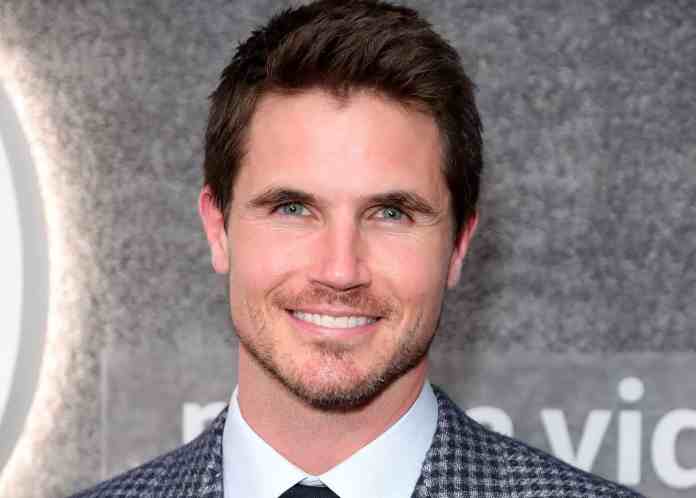
Robbie Amell has already dipped his toes into superheroes with Arrowverse and sci-fi roles like Code 8. Having both the physicality and charisma required to front a team, he might bring some much-needed balance of command and warmth to Cyclops. And his comedic timing in Upload proves he could add just enough levity to make Scott relatable without losing his bite.

Image Source: Bing Image. License: All Creative Commons

4. Dylan O’Brien – The Natural Leader

Fans have been projecting Dylan O’Brien as a superhero for years, and Cyclops seems like an especially good match. Most recognized for The Maze Runner, O’Brien has shown that he can support an action-filled story while still getting the audience to care about him. His combination of charm and authenticity could finally make Scott Summers the emotional center of the X-Men.

Image Source: Bing Image. License: All Creative Commons

3. Sam Claflin – The Chameleon

Claflin’s versatility is what sets him apart. From the chivalrous Mycroft Holmes in Enola Holmes to the multifaceted Finnick Odair in The Hunger Games, he can seamlessly transition between stern and witty. Cyclops in the comic books tends to balance duty with his life outside of duty, and Claflin could personify that balance to perfection.

Image Source: Bing Image. License: All Creative Commons

2. Henry Cavill – The Heavy Hitter

Yes, Cavill has already been Superman, but his name continues to be mentioned for Cyclops, and not without cause. He possesses the superhero stature, leadership presence, and emotional range needed to put Scott Summers in the spotlight. If Marvel is serious about making a point that Cyclops is long overdue to be a leading man, Cavill would be a strong statement.

Image Source: Bing Image. License: All Creative Commons

1. Glen Powell – The People’s Choice

Following Top Gun: Maverick, Glen Powell’s popularity soared, and he’s been the most popular fan choice for Cyclops ever since. He possesses the confidence, charisma, and natural leadership abilities that suit Scott Summers perfectly. With the proper writing, Powell can finally give us the version of Cyclops that does justice to the decades-long comic book heritage.

Image Source: Bing Image. License: All Creative Commons

Whether Marvel chooses an unproven upstart or a proven A-lister, the secret is easy: Scott Summers is owed his time. He’s better than he’s given credit for as a love triangle filler or Wolverine antagonist; he’s the X-Men’s foundation. And with the reboot of the MCU, it at last seems like his moment to emerge from the shadows has come.

Hogwarts Legacy: Rekindling the Magic of Harry Potter Gaming

0

Maybe​‍​‌‍​‍‌​‍​‌‍​‍‌ you wanted to cast a spell from the Harry Potter series by mopping your screen with a plastic wand and softly saying “Wingardium Leviosa”. There are countless fans like you who have been mesmerized by the Harry Potter world for many years. However, its magic is probably even more stunning than can be perceived in the evolution of its video games. It has gone from the pixelated puzzles of the early 2000s to the detailed and real-looking landscapes of Hogwarts Legacy. The journey has been one of the wizard’s ​‍​‌‍​‍‌​‍​‌‍​‍‌incredible.

Image Source: Bing Image. License: All Creative Commons

Early Years: Charming, Clunky, and Full of Heart

Travel back to 2001, when the Harry Potter and the Sorcerer’s Stone game was released across Game Boy Color, Game Boy Advance, Windows, and the original PlayStation. Those early games were far from flawless—graphically basic, sometimes clunky, and sometimes more maddening than enjoyable. But they were also longingly nostalgic, providing enthusiasts with the opportunity to enter Hogwarts in a way that the movies never could.

Gameplay invariably tracked the movie storylines, and although the reception was divided, to many young Wizarding World fans, these games were their first digital immersion in that world. Yes, Harry’s face may have been a jumble of polygons and the castle cardboard rather than stone, but the magic was present. Even clunky Quidditch games and blocky spell battles couldn’t dampen the thrill of casting your first spell or sneaking around the castle under the cover of darkness.

A New Generation: Hogwarts Legacy and the Virtue of Next-Gen Magic

Leap forward two decades, and Hogwarts Legacy is the series’s most ambitious jump to date. With its breathtakingly beautiful open-world architecture, intricate character customization, and open-ended exploration of a living, breathing Hogwarts, it’s all fans ever fantasized about—and more.

The visual leap is breathtaking. A TikTok comparison by LookinAzz shows just how far things have gotten, with the neatly detailed castle in Hogwarts Legacy towering over its 2004 counterpart, while still paying homage to the original in its design. It’s a genuine graphical glow-up—one that would leave even Gilderoy Lockhart agog.

But the game’s attraction is far more than skin-deep. With its highly detailed environments, engaging side quests, dueling mechanics, and magical creature interactions, Hogwarts Legacy turns its players into magic students rather than mere spectators. Secrets lurk behind every door of the castle, and the world beyond its walls is equally as appealing—and treacherous.

PS5 vs. Switch Lite: Two Very Different Journeys

Naturally, not all wizarding adventures are equal. On PlayStation 5, Hogwarts Legacy is a visual masterpiece—detailed with lush color, immersive lighting, and silky-smooth motion. In the game, the environment is designed and detailed to the smallest pixel, from the common rooms to the Forbidden Forest. The technical brilliance is very visible through the game, whether you are flying over the Highlands or battling trolls.

The experience on the Switch Lite is limited, but surprisingly still good. The mainstay of the game is still strong,ong although the graphics are less detailed and the performance is not always smooth. The charm of cauldron stirring, casting spells, and discovering Hogwarts is still present. Moreover, the nicest thing is that your enchanting adventure can be with you wherever you go.

Fans Weigh In: Enchantment, Replayability, and a Few Frights

Fans have bestowed loads of affection on Hogwarts Legacy. Numerous fans sing the praises of the house-specific things—ranging from individual common rooms to specialized quests—and the excitement of rounding up magical creatures and equipment. One Ravenclaw enthusiast appreciated the breathtaking scenery and replayability, exclaiming that they couldn’t wait to play through each house just to see all the variations of the story.

Nevertheless, the game is not without its difficulties. Certain players have encountered the goblin battles as repetitive, while some players were caught off guard by the sheer number of spiders hiding in the Forbidden Forest. And on PlayStation, there’s a particular Hogsmeade-exclusive side quest with a house-elf that has become infamous for being a bit creepier than expected.

Magic Then and Now: A Legacy That Keeps Growing

Looking back, it’s remarkable to see how far Harry Potter games have come. The early titles may have lacked polish, but they sparked a generation’s imagination. Hogwarts Legacy, meanwhile, is both a technical marvel and a heartfelt tribute to the world fans know and love.

It’s not just a game—it’s an experience. One that blends nostalgia with modern gameplay, creating a journey that feels both familiar and fresh. Whether you’re a longtime fan reliving childhood memories or a first-year student just arriving at Hogwarts, the magic of this universe continues to evolve—and it’s never looked better.

10 Most Powerful Witches in Movies and TV History

0
Image Source: Bing Image. License: All Creative Commons

The figure of witches has long been one of the strongest ideas in people’s minds. One of the notable facts about these characters is that their portrayal in popular culture has changed over time, from terrifying to humorous and always fascinating. Witches in cinema and TV are a reflection of what frightens us the most, and also the changes in our convictions. If not at all, then at least thoroughly, we could look at the ten most visually striking witches from movies and TV whose fame has spread widely.

Image Source: Bing Image. License: All Creative Commons

10. Sabrina Spellman – The Chilling Adventures of Sabrina

Sabrina Spellman has evolved a great deal since her first appearance in comic books, but when she appears in The Chilling Adventures of Sabrina, she comes with a new, bold energy. This Netflix show transforms the offbeat magic of the original TV series and puts it aside to bring something darker, more intense, and more empowering. Sabrina isn’t merely balancing teen life and spellbooks; she’s rebelling against oppressive systems, defying rules, and asserting herself. Her tale is for anyone who’s had to create their path in an expectation-filled world. This Sabrina is no sidekick—she’s the revolution.

Image Source: Bing Image. License: All Creative Commons

9. The Witches of American Horror Story: Coven

American Horror Story: Coven borrowed the concept of witches and turned them into fashionable, hazardous, and unapologetically fierce. With a backdrop of a school for young witches in New Orleans, this season introduced us to irreparable characters such as Fiona Goode and Marie Laveau—women who are complex, strong, and never afraid to fight for what they stand for. It was not only about spell-casting; it was about legacy, identity, and who gets to wield power. With its trendy look and gritty feeling, Coven made witches hip again, proving that power is diverse, and it doesn’t have to play nice.

Image Source: Bing Image. License: All Creative Commons

8. The Halliwell Sisters – Charmed

Few programs got sisterhood’s magic quite like Charmed. The Halliwell sisters—Prue, Piper, Phoebe, and later Paige—didn’t only fight demons using magic. They taught us that strength lies in women helping women. Amidst all the drama, heartache, and battles with the underworld, the show remained rooted in love and loyalty. It was a representation of how women could be powerful collectively, not in isolation, but in unity. Charmed did more than entertain—it empowered.

Image Source: Bing Image. License: All Creative Commons

7. Aggie Cromwell – Halloweentown

Debbie Reynolds infused so much warmth and charm into the character of Aggie Cromwell in Halloweentown that it’s difficult to envision anyone else doing it justice. As a clever, slightly wicked grandmother witch, Aggie made magic easy and pleasant. The movie welcomed the notion that witches could be friendly, family-friendly, and loving role models rather than frightening creatures lurking in the darkness. For children who came of age in the late ’90s and early 2000s, Aggie was the perfect magical granny—cool, smart, and always ready to rescue the day with a grin.

Image Source: Bing Image. License: All Creative Commons

6. The Blair Witch – The Blair Witch Project

No bubbling cauldrons or broomsticks here—just raw terror. The Blair Witch never needs to appear on screen, but her impact is indelible. The Blair Witch Project terrified viewers half to death with its gritty, found-footage aesthetic and unsettling feeling of foreboding. The myth of the Blair Witch was not so much an exercise in special effects as it was an exercise in psychological terror of the unknown. She became a kind of folklore before our very eyes—a reminder that sometimes witches are the ones you don’t see at all.

Image Source: Bing Image. License: All Creative Commons

5. Sally and Gillian Owens – Practical Magic

Practical Magic presented us with something all too rare: a witch tale based on love, loss, and recovery. Sally Owens and Gillian Owens, portrayed by Sandra Bullock and Nicole Kidman, are two sisters torn between tradition and living free. Their path is messy, emotional, and ultimately very human. What makes them unique isn’t flashy magic—it’s their relationship. The movie touches on generational trauma, womanhood, and the resilience that grows from heartache. With laughter and tears, they demonstrate that true magic is about standing up to the pain and yet loving anyway.

Image Source: Bing Image. License: All Creative Commons

4. Nancy Downs and the Girls – The Craft

If ever you were the high school outsider, The Craft most likely resonated with you. These weren’t your average witches—they were angry, hurt, and desperately trying to find control in a world that offered none. Nancy, Rochelle, Bonnie, and Sarah pour their agony into magic, and the result is strong, frightening, and endlessly identifiable. The film never flinches from illustrating the way power can corrupt—or how power can cure. It remains a raw portrait of teenage angst and the cost of attempting to alter your destiny decades later.

Image Source: Bing Image. License: All Creative Commons

3. The Sanderson Sisters – Hocus Pocus

Wild, messy, side-splitting—the Sanderson Sisters are anything but forgettable. In Hocus Pocus, Winifred, Sarah, and Mary are the type of bad girls you find yourself rooting for. They’re dramatic, flamboyant, and far too enjoyable to despise. The movie blends macabre magic with camp humor, and since its release, it’s become an annual Halloween favorite. What distinguishes these witches is how deeply human they are—imperfect, boisterous, silly, and yes, a wee bit wicked, but always compelling. They don’t have to be idealized—they’re legendary just as they are.

Image Source: Bing Image. License: All Creative Commons

2. Samantha Stephens – Bewitched

Before magic equated to rebellion, it equated to conformity. Samantha Stephens of Bewitched introduced a hint of the paranormal into the very middle of American suburban life. With a flick of her nose, she could repair anything—except expectations of society. Her abilities needed to be camouflaged, her drive suppressed, all the while living as a good housewife. But under the sitcom satire, Samantha was a subtle radical, alluding to the discontent of women during the 1960s. She embodied the fantasy of having it all—and paying the price for acting less than you are.

Image Source: Bing Image. License: All Creative Commons

1. Glinda and the Wicked Witch – The Wizard of Oz

And so it began here. The Wizard of Oz did not merely present us with witches—it established them. Glinda the Good and the Wicked Witch of the West provided the template: light vs. dark, sweet vs. sinister. With her green complexion and flying monkeys, the Wicked Witch was cemented as the arch-villain. Glinda, in her shining gown, proved to the world that witches could be benevolent and powerful. They both contributed to how generations would perceive magic on the screen. Over 80 years later, their impact continues to ring out in every witchy tale thereafter.

Image Source: Bing Image. License: All Creative Commons

Witches are not just spellcasters—there’s more to them. They’re reflections of our culture. They change with us, push against us, and sometimes frighten us. Whether they’re battling demons or shattering dishes with their minds, they’re some of the most interesting characters in both film and television. Their magic? It’s not in the spells, but in their power to continue fascinating us, decade by decade.

Why The Elder Scrolls Online Remains an RPG Fan’s Dream World

0

The​‍​‌‍​‍‌​‍​‌‍​‍‌ Elder Scrolls Online (ESO) is something that a fantasy enthusiast, who used to imagine elves and dragons and grand quests as a kid, would probably be aware of. But if you tried it a long time ago, when it was still a grind-heavy game with a subscription model, you might be surprised by how far it has changed. Today, ESO is not so much a game of repeats, but more of a game with a huge, customizable RPG world made in such a way that solo players and hardcore raiders, as well is a community of players. Let’s find out how an MMO like ESO, which was only for a small group, became one of the most inclusive, content-rich RPGs ​‍​‌‍​‍‌​‍​‌‍​‍‌around.

Image Source: Bing Image. License: All Creative Commons

ESO’s Expansions: Building a World, One Chapter at a Time

ESO’s history is presented in its expansions, which add new zones, features, and occasionally entire classes. Morrowind launched with the Warden class and battleground PvP. Summerset introduced the Psijic Order skill line and jewel-crafting. Elsweyr returned dragons to Tamriel and the Necromancer class. Greymoor took players back to Western Skyrim with vampires, werewolves, and the Antiquities system.

Greymoor’s Antiquities system specifically set the industry standard by allowing prospectors to unearth Mythic items—equipment so potent it revolutionized the way people created their characters.

The momentum did not slow down. Blackwood brought the Companions system, allowing solo players AI companions with personalities and quests of their own. High Isle responded with Tales of Tribute, a collectible card game, along with even more companions. Necrom brought large story reveals alongside new recruitable allies, and the newest expansion, Gold Road, revealed Scribing, a system that allows for skill customization in ways the game has never before.

Systems That Change the Game

ESO expansions serve to do more than just add pretty new places—they frequently remake how the game is played. Consider Antiquities: it’s the sole way to get Mythic gear, which provides special effects that can entirely transform your build. Pieces such as the Ring of the Pale Order, which heals you as you damage things, or Faun’s Lark Cladding, which allows you to run through things while charming them, have been staples for some playstyles.

The Companions system, introduced in Blackwood, also transformed the solo experience. With recruitable characters like Mirri, Ember, and Azandar, you’re no longer forced to adventure alone. These companions aren’t just filler—they level up, learn skills, and respond to your decisions, adding more depth to the world.

Gold Road’s Scribing system is the newest upgrade, allowing the player to customize their skills like never before. It’s a grind to max out, but the reward is the possibility of building a character that’s yours alone.

The Solo Player’s Paradise

ESO excels at solo play. Level scaling means the game never locks you out of content, regardless of your character’s level. You are free to explore anywhere, pursue any questline, and play as you see fit. For soloists, companions bring even more assistance, so Tamriel feels full of life without being a group-play experience.

The Changing Meta: Classes, Builds, and Gear

Similar to any progressive RPG, ESO’s meta changes with every update. Currently, the Arcanist is the PvE raid carry of choice due to its combination of raw power and simplicity, while the Nightblades are best for PvP and healing. Necromancers lost some momentum in the latest update, but they’re still good options.

Mythic items continue to define builds, as pieces such as the Oakensoul Ring, Sea-Serpent’s Coil, and Harpooner’s Wading Kilt provide players with fresh, bold ways to play.

The Player Experience: PvE, PvP, and Everything In Between

ESO succeeds as a casual-friendly MMO RPG. You can play it like a single-player Elder Scrolls game, dive into mid-level group content, or roll into hardcore raiding if that’s your style. PvP has gotten better since the game first came out, but performance issues, particularly in Cyrodiil, persist, so expectations should be managed there.

On the brighter side, performance on next-gen consoles is much smoother, and the game is more alt-friendly than ever. Add to that the stunning sound design and breathtaking zones like Summerset and West Weald, and you’ve got a game that constantly rewards exploration.

ESO’s Place in the RPG Landscape

The Elder Scrolls Online is not an MMO—it’s a living RPG that adjusts to the way you desire to play. You’re either a lore fanatic, a creator of special characters, a collector of mighty equipment, or an explorer who prefers to roam and discover. Whatever you are, ESO has cut out a niche for you. Its growth has brought it closer, more tailored, and more immersive than ever. If you’re searching for a fantasy world to get lost in, ESO still stands as one of the best.

Tekken 8: A True Knockout for the Fighting Game Genre

0

In​‍​‌‍​‍‌​‍​‌‍​‍‌ fact, Tekken 8 has mostly hit like a perfectly timed hook, bringing back the competitive fighting game scene to life and making everybody once again remember how the King of Iron Fist Tournament is still the best. After many years of polishing, Bandai Namco’s flagship fighter is going back like it really isn’t just another sequel, it’s a whole new level. While Street Fighter 6 and Mortal Kombat 1 are being praised by everyone, Tekken 8 is showing to everyone that they are a few tricks short, but still are innovative, spectacular, and sheer ​‍​‌‍​‍‌​‍​‌‍​‍‌fun.

Image Source: Bing Image. License: All Creative Commons

The​‍​‌‍​‍‌​‍​‌‍​‍‌ story mode is like a wild ride that combines anime-style drama, cinematic scale, and a simplified narrative. It follows Jin Kazama, who is determined to stop his father, Kazuya Mishima, and to get rid of the evil devil bloodline forever. The King of Iron Fist Tournament has become involved with world domination, so the stakes are higher than ever. The game doesn’t just switch between fighters; it goes deeper into Jin, giving players a reason to be interested in the Mishima clan conflict besides just the fights. It is loud, over-the-top, and sometimes a little campy, but still one of the most fun and engaging fighting game story modes in recent years, even if some fan characters are left in the background by Jin’s ​‍​‌‍​‍‌​‍​‌‍​‍‌spotlight.

And of course, Tekken 8 is all about the fighting. The new Heat system adds energy to every match, with a full Heat bar available right from the start. It charges up attacks, shatters blocks, and unlocks special moves, making players want to be on the attack. The result is quick, brutal matches that feel every bit as incendiary as the franchise’s legacy requires. The Heat system lends personality to each fighter and makes sure no round ever feels stale.

Ghost Battles is another highlight, employing AI to generate opponents who learn based on how you play. You can battle against your own ghost, work on your weaknesses, and spar with ghosts created from friends and pro players. This isn’t a gimmick—it’s a significant improvement for solo practice. The ghosts adjust in real time, providing the sensation of live competition even when you’re offline.

For beginners, Tekken 8 has a Special Style control mode that breaks up complex combos into single-button inputs. It’s ideal for players who just want to jump in without memorizing move lists. With Special Style, it’s easy to perform iconic moves and Heat attacks, although experienced players can turn it off for the ultimate in precision. It’s a clever touch that brings down the barrier of entry without diluting the complexity that Tekken is famous for.

Visually, Tekken 8 is breathtaking. Powered by Unreal Engine 5, it’s designed for today’s hardware alone, and the jump pays off. Characters appear more realistic than ever before, with fine-grained skin textures, complex costumes, and dynamic environments that respond to every bout. Each strike is weighty, with bold effects that give matches a frenetic display feel. The game is silky-smooth at 60fps, striking the right balance of speed and detail. The soundtrack adds to the intensity, mixing driving beats with character-specific themes that heighten the action.

Online play is stable, with quick matchmaking and silky smoothness. The Arcade Lounge provides a social aspect, allowing players to fight, watch, create custom avatars, and even play Tekken Ball, a wacky volleyball-inspired mode that returns with open arms. Training mode is filled with helpful utilities—such as save states, move data, and replay analysis—so it serves casual and competitive players equally well.

Accessibility is a bit of both worlds. Tekken 8 accomplishes well in introducing newcomers with Special Style and Arcade Quest, but falls short of deeper accessibility options beyond some rudimentary settings. A couple of fan-favorite modes from previous installments are absent, and the in-game store has been criticized as being too aggressive. Still, with plenty to dig into—story mode, character arcs, Arcade Quest, Tekken Ball, and a roster of 32 fighters—there’s more than enough content to keep players engaged.

Tekken 8 is more than a new installment in a venerable franchise—it’s a leap of faith. Through the marriage of smart design decisions, added functionality, and focus on making the game accessible without sacrificing complexity, it’s a fighter created for everyone. Whether you’re a seasoned vet or a newcomer to the series, Tekken 8 is the kind of high-octane action that has you reaching for just one more match.