Home Blog Page 358

Why God of War Ragnarök Is a Landmark for Accessibility and Inclusion

0

God​‍​‌‍​‍‌​‍​‌‍​‍‌ of War Ragnarök is in many ways a stunning finale to Kratos’ journey through the Norse myth—it’s also a pivotal moment in the accessibility of big-budget games. As the industry is slowly but surely coming to the understanding that gamers do not experience the world the same way, the new epic from Santa Monica Studio is a beacon. It is a massive and imperfect game at times, but its impact on the gaming landscape in terms of how it allows more people to access its legendary world is simply ​‍​‌‍​‍‌​‍​‌‍​‍‌irreversible.

Image Source: Bing Image. License: All Creative Commons

As soon as you boot up Ragnarök, it’s clear that the developers encourage you to feel comfortable at home, no matter your skill level. Immediately, you’re presented with the choice to play a Quick Start or follow a Guided Setup. It allows players to tweak visuals, sound, and accessibility before they even hit the main menu. If necessary, a button press of the Square button turns on the screen reader, which starts reading everything aloud—menus, settings, and options—in an intelligible, useful sequence: the option title, its existing value, what it does, and how to set it differently. This, says a reviewer at Game Accessibility Nexus, makes it feel considerably less daunting to navigate for audio cue-dependent players.

When you make your way into the accessibility menu, it’s easy to see how much consideration has been put into it. It’s full of features—sort of like a maze, but in a good way. There are vision, hearing, motor skill, and motion sensitivity presets, each of which opens up a customized set of options. There’s everything from UI text size (up to XX-Large) and icon size to high-contrast screens and color filters. Whether you’re tweaking HUD elements or the look and feel of the game as a whole, it’s all laid out with one goal in mind: making things easier to read and comprehend. And if you want to drill down even further, you definitely can—tweaking aim assist, puzzle timing, traversal assist, auto pick-up, and more. It’s a huge range of tools, and it’s clear the developers were inspired by accessibility pioneers like The Last of Us Part II.

But great menus don’t always translate to great gameplay, so how does it all hold up in action? For blind and low-vision players, the mix of sound cues, screen narration, and navigation help is a total game-changer. Ross Minor mentions that the game utilizes audio feedback for almost everything—throwing your axe, dodging, and blocking—and even a glossary so you know what any sound is associated with. Using R3 triggers navigation assist, and Kratos will be directed to his next goal, whether part of the main campaign or a side objective. This allows blind players to finally navigate the game’s vibrant world on their terms, instead of simply following a single route.

High-contrast mode is another highlight. It lets you color characters, enemies, objects you can interact with, and danger bright, highly visible colors. You can give Atreus a glowing green, set the enemies red, and have objects you need to use stand out against a darkened background. It’s not just a cosmetic switch—it’s an essential aid for players who have difficulty reading in the game’s dark, atmospheric environments.

But, of course, the system isn’t flawless. Reviewers with disabilities have noted that the screen reader is lovely in many aspects—such as the pause menu and tutorials—but doesn’t work elsewhere, such as in the skill tree, stores, journals, or map. Which means gearing up or doing side quests can be a hassle, turning these moments into infuriating guessing games. The auto-equip option is available in-game, but it does not exactly compensate for the absence of that control. Although all but the most challenging puzzles are accessible, some of the optional ones are still inaccessible because the navigation aid doesn’t always guide toward their solutions, and not all actions are supported by a distinct sound cue.

Despite these problems, overall, the experience is a huge leap forward. A reviewer described the pairing of high-contrast mode and navigation support as revealing the game’s world in ways that weren’t even possible in 2018’s iteration. Being able to explore, battle, and puzzle solve largely independently brings a strong sense of autonomy. The audio design of the game assists as well—3D spatial audio and clear audio cues for various actions make up some of the difference between sighted and non-sighted players.

God of War Ragnarök isn’t only ticking an accessibility box—it’s redefining what accessibility might mean in AAA games. Yes, there’s still plenty to be done, particularly in ensuring every aspect of the game and every menu is fully accessible to everyone. But the range of features here shows that excellent storytelling and inclusive design don’t have to be mutually exclusive objectives. For every gamer who’s ever been left out in the cold by the largest games in business, Ragnarök is an empowering, emotional call to join the fray.

Rampage LMG Explained: The Powerhouse Shaking Up Apex Legends

0

If​‍​‌‍​‍‌​‍​‌‍​‍‌ you have spent any time in the Outlands, you must be aware that the Rampage LMG is not simply another heavy weapon. It is a tool used to make a statement. Rampage has been the iconic weapon of players who want to unleash a large volume of firepower with some kind of surprise since the moment it hit the streets in Apex Legends. Here we are to analyze in detail what the Rampage is powerful for, its evolution, and the reasons that still make it worthy to be ​‍​‌‍​‍‌​‍​‌‍​‍‌taken.

Image Source: Bing Image. License: All Creative Commons

What Makes the Rampage Unique: Revved Up and Thermite-Powered

The Rampage doesn’t shoot bullets—it’s charged. Its best feature, the Revved Up mechanic, allows you to charge the gun with a Thermite Grenade. In just a four-second charge, the Rampage receives a 30 percent increased rate of fire for a duration of up to 90 seconds. The more you fire, the quicker the charge depletes, so you should aim to get the most out of each round.

One of the best things about it? When revved, the Rampage can blast down doors in two shots—or one, if they’re already partially damaged. That makes for a fine tool for clearing out enemies in cramped areas.

How It’s Changed Over the Seasons

Since its release in August 2021, the Rampage has come a long way. It initially began as regular ground loot, but after running rampant in matches on every mode, it was shifted into the care package pool, becoming a rare (but much-coveted) find.

Damage stats have been rather inconsistent—beginning at 26 damage per shot, followed by increases to 28, and most recently ranging from 29 to 30. Headshot damage is as serious as 38. Charge time for the Revved Up has also changed, beginning as long as 147 seconds, then being reduced to a more level 60, and now 90 seconds.

Other adjustments have served to tighten up the way the Rampage handles in your hands. Hipfire spread has been tweaked to be less effective close up, but powerful mid-range. Reload speed and animation have also been smoothed out, and the weapon automatically reloads when you build up your rev—a minor but appreciated nicety. Compatibility with the Gun Shield Generator provides yet another utility.

Rampage Stats and Attachments

Let’s discuss numbers. The Rampage packs a punch. On mobile, it deals 26 base body damage and 39 on headshots. On console and PC, those have increased somewhat with body shots at about 29 to 30, and headshots remaining at about 38. Leg shots will do less damage—but really, you ought to be aiming higher.

When attachments are concerned, the Rampage is versatile. It can be fitted with barrel stabilizers, extended heavy mags, and regular stocks. In terms of optics, anything between a simple 1x HCOG to a 2x-4x Variable AOG would do nicely, depending on your playing style. With its slower rate of fire, accuracy comes into play, so stabilizing attachments are important.

How to Use the Rampage Like a Pro

The Rampage isn’t an average spray-and-pray LMG. Its lower fire rate is more suited to patient, deliberate engagements. It shines medium and long range, where you can whittle away at enemy crews before your squad charges in. It’s less suited for close combat, so combine it with a shotgun or SMG to remain flexible.

If you’re new to the Rampage or just rusty, head to the Practice Range. Learn the feel of the recoil and timing, and practice tracking targets. Always carry a few Thermite Grenades so you can rev up when needed—running out mid-fight is never fun.

Rampage and Rampart: A Perfect Pairing

Rampart mains, rejoice—the Rampage was practically made for you. Her Modded Loader passive gives the gun a 15 percent boost in magazine size and a 25 percent reduction in reload time. That means more bullets flying and less time spent reloading. When it’s pulled from the care package, it comes with 220 rounds and, for Rampart, a boosted mag size of 46 (compared to the usual 40).

Skins and Customization Choices

Well, of course, it wouldn’t be Apex Legends without a little flair. The Rampage enjoys a respectable skin lineup—one Eternal, two Legendary, three Epic, two Rare, and one Common. If you like to make a statement or go low-key, there’s something for each type of player.

Why the Rampage Still Matters

The Rampage LMG has found its niche in Apex Legends through its changing design and considerate mechanics. It responds to clever, precise play and a little tactical ingenuity—naturally, there’s also something very satisfying about charging it up with a Thermite and mangling a door.

If it’s been a while since you last used it, perhaps it’s time to get back at it. Fill it up, light it up, and teach the Outlands what this heavy hitter’s capable of.

Black Ops 6 Examined: Hype vs. Reality in Treyarch’s Latest Shooter

0

Each​‍​‌‍​‍‌​‍​‌‍​‍‌ year, the excitement for the new Call of Duty installment repeats itself, and this time, for Black Ops 6, the buzz was absolutely out of this world. With the storyline of the new game taking place in the early 1990s, shortly after the fall of the Berlin Wall, Treyarch assured a completely different experience to go back in time with their new release, and they surpassed their record of having a Game Pass first-day release. However, now that the game is available, the question everyone is asking is whether Black Ops 6 to be a significant change or a letdown for the fans, as it is just another same-old ​‍​‌‍​‍‌​‍​‌‍​‍‌rehash?

Image Source: Bing Image. License: All Creative Commons

Its​‍​‌‍​‍‌​‍​‌‍​‍‌ most ambitious moves, quite fortunately, take place in multiplayer. Treyarch returns to its usual heavily tactical style of play, but with a somewhat insane, mad twist in the form of omni-movement. Players can run in any direction, change their body orientation in the air, and generally pull off that kind of move, which is a direct import from the action movie scene. It is very fast, quite smooth, and surprisingly, it is very easy to learn—hence, after you have played a few rounds with it, going back to a more traditional shooter simply feels like you are not proficient. However, the acrobatics sometimes reach the limit of being a bit too exaggerated. For instance, one could imagine the players forcibly entering the room through the window of the enemy while at the same time they are spinning in the air and shooting the magazine to the left and right without even glancing. Even though it is fun, it tends to make the fights more random than tactical ​‍​‌‍​‍‌​‍​‌‍​‍‌ones.

The​‍​‌‍​‍‌​‍​‌‍​‍‌ map design is a bit of a mixed bag. The average six 6v6 maps feature the old three-lane format returning most of the games, which gives the games a consistent rhythm and prevents campers. Lowtown is a place that really shines with its sunlit beachside village vibe and the vertical layers that add visual depth. However, not every map is positive. For example, Babylon is harmed by the long sightlines and the spawn points that are heavily populated with clutter, thus it is bringing back the issues that the players were complaining about in Modern Warfare (2019). The frustration can rise to the maximum level when the netcode is weak or the spawn logic is not ​‍​‌‍​‍‌​‍​‌‍​‍‌working.

Customization​‍​‌‍​‍‌​‍​‌‍​‍‌ is still a bit of a balancing game. With the Gunsmith system, you have the freedom to change almost everything on your weapon, which is great – until you realize that there is an overpowered build in every match you come across. Although the time-to-kill is a bit longer than the latest installments, it is still quick enough for twitch reflexes to win most of the time. Players get an upgrade in their loadouts with a third perk bonus, thus appealing to those who stack perks of the same kind. Moreover, Wild Cards are back to give players the liberty to come up with such creative ideas as dual primaries or one more extra attachment. There are lots of skins and unlockables that come with the game, but the concern is whether balancing will be kept as new content is rolled out, something that Call of Duty has not been able to do in the past.

Zombies, on the other hand, is broadly a return to the classic format. The experimental DMZ-style mode has been removed. Now, players can access two maps straight from the box: Liberty Falls and Terminus. Liberty Falls is a large, nicely detailed, and a bit eerie West Virginia town at night kind of place, but due to its open nature, it plays a little too generously. Terminus, set on a haunted island blacksite, is a little better at bringing back the classic Zombies feeling of being in a small area with scary things and the creepy atmosphere. Both maps feature a story and some nice cutscenes, but they are not quite as legendary as the Treyarch classic Zombies ​‍​‌‍​‍‌​‍​‌‍​‍‌maps.

Visually and technically, Black Ops 6 is a stunner. The engine produces solid graphics, silky-smooth gameplay, and a copious array of accessibility features. Crossplay is seamless, and overall refinement is first-class. However, many of the same old problems persist. Janky netcode, obtuse UI, and cheating still plague the series. The new launcher is a minor step forward, but the series is starting to feel its age internally.

Meanwhile, the fan reaction has been tepid. On Steam, the title reached a high of about 300,000 players but fell to 100,000 shortly thereafter—a sharper drop-off than Modern Warfare 3. Some dedicated fans are questioning whether Activision and Treyarch can mend what’s broken or if the series is simply petering out. Even the possibility has been floated that the series will abandon its annual schedule or move further in the direction of Warzone in the future, particularly if current trends continue.

In every sense, Black Ops 6 is the multiplayer at its finest in years, perhaps even since before Modern Warfare (2019). It gets the fundamentals correct, takes gameplay in exciting new directions, and is stunning. However, it pulls along some of the same baggage that’s weighed down the series for some time now. And with existing players already falling off, the question is whether this is the next big step for Call of Duty—or the end times for its previous formula.

Inside Nintendo’s Plan: How the Switch 2 Aims to Shape the Gaming Market

0

The​‍​‌‍​‍‌​‍​‌‍​‍‌ launch of the Nintendo Switch 2 serves as a fine example of how a company can wisely transition its operations in a tech environment that changes fast. It seems that instead of going after wildly experimental ideas, Nintendo has chosen to refine the successful things. Just like a military unit changes its tactics to face new threats, the firm has committed itself more to gradual change rather than radical change. By means of the Switch 2, Nintendo is conveying the message that it is aware of not only its own strengths but also the transformation in the gaming ​‍​‌‍​‍‌​‍​‌‍​‍‌industry.

Image Source: Bing Image. License: All Creative Commons

The​‍​‌‍​‍‌​‍​‌‍​‍‌ story is told by the hardware. Switch 2 is not a drastic change from the first one, but the creators have decided to upgrade the hybrid design that was the source of the first console’s success. They kept the same thickness but made it a little bigger in size and with stronger materials, better ergonomics, and a brighter, crisper screen. Now the Joy-Con controllers can be detached magnetically, which not only makes them more stable but also more durable. They can be considered as small upgrades from the outside, but in the consumer electronics world, small but continuous improvements over time are what bring us closer to success rather than making big and risky bets. A tactic that is also used in the army, where long life and compatibility with other systems are more often preferred than luxurious ​‍​‌‍​‍‌​‍​‌‍​‍‌experiments.

The pricing decision has been a very popular debate topic. With the price of the standard system being $449.99 and the Mario Kart World bundle being $499.99, Switch 2 is not a low-end or mid-range product, but rather moves in the direction of the high-end category. Not only is the company reflecting the effect of their higher production costs on the result, but also sending a strong signal to Sony and Microsoft that they are testing the customers’ willingness to pay with this move. At $80, Mario Kart World is a sign of daring, drawing on the massive popularity of the franchise to figure out how much players would be ready to spend for the software.

Price concerns did not hold back Switch 2 from selling out. Nintendo sold 3.5 million in its first four days, the company’s fastest-selling console to date. To put it in perspective, the PlayStation 5 sold 4.5 million in its initial seven weeks, and the base Switch sold 2.74 million in its first month. This impressive opening demonstrates the power of Nintendo’s supply chain strategy, which ensured supplies kept coming in and scalpers stayed away. It’s a logistical victory that, once more, seems to be out of a military playbook—where resource and supply management can determine success.

In the long term, analysts see steady but strong growth. Projections suggest 13 million Switch 2 owners in 2025 and 104 million sold through 2030. Not as frenzied as the pandemic-fueled bonanza of the first Switch, Nintendo will be claiming nearly half of the console market in 2027, with its rivals waiting in the wings for their next big hits. The combined Switch hardware could hit 130 million active users by 2028, making the market for long-term cross-generation games and profits enormous.

Software strategy on the part of Nintendo made it all happen. Over 95% of first-party Switch games are backward compatible with the new system, which is excellent news for gamers, as they do not have to forgo their collection. Over time, the first-party exclusives are being phased out in a bid to keep the flow in balance, and the only reason for returning to the game at this point is to receive the update and the special editions of the previously available games. This is a clever balance between the backing of the older systems and the inclusion of the new, much like the manner in which armies can maintain the older systems while slowly replacing their hardware.

In addition to that, though, the company is increasingly making the shift towards the digital universe. Only recently, there were over 42 million subscribers to Nintendo Switch Online, and among the new features, that is GameChat certainly brings social play very close to the level where it currently is with Sony and Microsoft. Subscription benefits, retro game collections, and enhanced online play are bringing more gamers onto the platform. The digital sales have grown to 63% of Nintendo’s software business, and that’s a telling sign of how much the industry has evolved when it comes to online distribution. It is also a statement that applies to the whole industry, where connectivity and information have become as much a part of the product as the product itself.

Competition is still fierce. Sony’s PlayStation 5 and Microsoft’s Xbox Series X|S continue to fight it out with gamers, but Nintendo’s commitment to family-oriented games, hybrid design, and its strong lineup of internal IPs holds it tight. Switch 2’s use of NVIDIA’s AI-driven DLSS technology gives it an early lead in handheld graphics performance and enables it to stand out from the crowd. At the same time, Nintendo remains true to its vision of providing fun, intuitive experiences that bring people together—a core tenet of its brand.

In total, the Switch 2 shows just how Nintendo has mastered the art of strategic evolution. It’s not inventing the wheel, but improving the wheel for today’s market. By combining continuity with innovation, long-term value with high-end pricing, and hardware refresh with a strong ecosystem, Nintendo has ensured that the Switch 2 will hold its own in the gaming world. Just as in the military metaphors, it itself tends to resemble; the company has shown that cautionary strategy is as strong as bold action.

Hogwarts Legacy: Redefining Magic in Harry Potter Video Games

0

Maybe​‍​‌‍​‍‌​‍​‌‍​‍‌ you once moved a plastic wand in front of your TV and mouthed “Wingardium Leviosa” – and you were not the only one. The Harry Potter world has attracted a lot of people for a long time, but its magic is most evident in the change of its video games. The adventure was just like magic, going from the pixelated puzzles of the early 2000s to the highly detailed realms of Hogwarts ​‍​‌‍​‍‌​‍​‌‍​‍‌Legacy.

Image Source: Bing Image. License: All Creative Commons

Early Years: Charming, Clunky, and Full of Heart

Travel back to 2001, when the Harry Potter and the Sorcerer’s Stone game was released across Game Boy Color, Game Boy Advance, Windows, and the original PlayStation. Those early games were far from flawless—graphically basic, sometimes clunky, and sometimes more maddening than enjoyable. But they were also longingly nostalgic, providing enthusiasts with the opportunity to enter Hogwarts in a way that the movies never could.

Gameplay invariably tracked the movie storylines, and although the reception was divided, to many young Wizarding World fans, these games were their first digital immersion in that world. Yes, Harry’s face may have been a jumble of polygons and the castle cardboard rather than stone, but the magic was present. Even clunky Quidditch games and blocky spell battles couldn’t dampen the thrill of casting your first spell or sneaking around the castle under the cover of darkness.

A New Generation: Hogwarts Legacy and the Virtue of Next-Gen Magic

Leap forward two decades, and Hogwarts Legacy is the series’s most ambitious jump to date. With its breathtakingly beautiful open-world architecture, intricate character customization, and open-ended exploration of a living, breathing Hogwarts, it’s all fans ever fantasized about—and more.

The visual leap is breathtaking. A TikTok comparison by LookinAzz shows just how far things have gotten, with the neatly detailed castle in Hogwarts Legacy towering over its 2004 counterpart, while still paying homage to the original in its design. It’s a genuine graphical glow-up—one that would leave even Gilderoy Lockhart agog.

But the game’s attraction is far more than skin-deep. With its highly detailed environments, engaging side quests, dueling mechanics, and magical creature interactions, Hogwarts Legacy turns its players into magic students rather than mere spectators. Secrets lurk behind every door of the castle, and the world beyond its walls is equally as appealing—and treacherous.

PS5 vs. Switch Lite: Two Very Different Journeys

Naturally, not all wizarding adventures are equal. On PlayStation 5, Hogwarts Legacy is a visual masterpiece—detailed with lush color, immersive lighting, and silky-smooth motion. From the common rooms to the Forbidden Forest, every inch of the environment is crafted and immersive. Whether soaring over the Highlands or fighting trolls, the technical skill of the game is unmistakable.

On the Switch Lite, the experience is reduced, but unexpectedly effective. While the graphics are less detailed and the performance sometimes takes a hit, the essential gameplay holds up. The appeal of potion mixing, spellcasting, and Hogwarts exploration still comes through. And the best part? You can bring your magical journey anywhere.

Fans Weigh In: Enchantment, Replayability, and a Few Frights

Fans have bestowed loads of affection on Hogwarts Legacy. Numerous fans sing the praises of the house-specific things—ranging from individual common rooms to specialized quests—and the excitement of rounding up magical creatures and equipment. One Ravenclaw enthusiast appreciated the breathtaking scenery and replayability, exclaiming that they couldn’t wait to play through each house just to see all the variations of the story.

Nevertheless, the game is not without its difficulties. Certain players have encountered the goblin battles as repetitive, while some players were caught off guard by the sheer number of spiders hiding in the Forbidden Forest. And on PlayStation, there’s a particular Hogsmeade-exclusive side quest with a house-elf that has become infamous for being a bit creepier than expected.

Magic Then and Now: A Legacy That Keeps Growing

Looking back, it’s remarkable to see how far Harry Potter games have come. The early titles may have lacked polish, but they sparked a generation’s imagination. Hogwarts Legacy, meanwhile, is both a technical marvel and a heartfelt tribute to the world fans know and love.

It’s not just a game—it’s an experience. One that blends nostalgia with modern gameplay, creating a journey that feels both familiar and fresh. Whether you’re a longtime fan reliving childhood memories or a first-year student just arriving at Hogwarts, the magic of this universe continues to evolve—and it’s never looked better.

Retro Studios Swings Back in Donkey Kong Country Returns HD

0

In​‍​‌‍​‍‌​‍​‌‍​‍‌ less than a minute, the stars of the Nintendo trilogy will be back in action, lifting heavy objects and throwing barrels. Fans of the heroes couldn’t be more thrilled. With the release of Donkey Kong Country Returns HD on the Nintendo Switch, players have a second chance to dive into one of the best platformers of the last few years. However, this return is not just about improved visuals; It is a declaration of how Retro Studios, the very same team that created Metroid Prime, resurrected the franchise and made their imprint in Nintendo’s ​‍​‌‍​‍‌​‍​‌‍​‍‌history.

Image Source: Bing Image. License: All Creative Commons

When Retro initially came into the spotlight for work on the Metroid Prime trilogy, they were already established masters of moody, atmospheric first-person journeys. So, when they announced that they’d be leading a reboot of Donkey Kong Country, people were surprised—and rightly so. As longtime Nintendo producer Kensuke Tanabe tells it, it all came together by accident. With prominent staff leaving Retro, the company was searching for its next direction. That’s when Shigeru Miyamoto came along with an interest in restarting Donkey Kong, and Tanabe sold Retro as the best team to do it. That one idea set off what would eventually become Donkey Kong Country Returns—a game that would honor the SNES classics while taking the series in bold new directions.

The pressure was on immediately. As developers Kynan Pearson, Mike Wikan, and Tom Ivey later explained, internal shake-ups within the studio created a void—but it also presented an opportunity for fresh ideas and a new vision. Most of the new members were lifelong enthusiasts of the original trilogy, and that strong passion carried over into their work. Pearson describes how the mutual love of the series spurred their innovation, and that enthusiasm was heightened by working near Nintendo’s Kyoto-based developers. The combined effort bridged skepticism about whether Retro was capable of doing something so divergent from Metroid.

When Donkey Kong Country Returns was announced at E3 2010, it caused a massive splash. It managed to recapture the series’ characteristic platforming accuracy and creative level design, as well as offering a more colorful look and fresh gameplay mechanics. The positive critical and commercial success of the game quickly silenced the doubters. As Tanabe would later remark, Retro’s innate understanding of why Donkey Kong Country was great helped it succeed.

And now, Donkey Kong Country Returns HD is bringing that magic jungle to a whole new generation. Scheduled to ship on January 16, 2025, the HD remaster contains all 80 levels from the first Wii release, in addition to the extra content introduced for the 3DS. Whether you’re tackling mine carts solo or teaming up in local co-op, the Switch version is designed to preserve everything that made the original great, now with enhanced visuals and smoother performance to match today’s expectations.

Of course, no Donkey Kong game is complete without some memorable villains, and Retro didn’t hold back. In Donkey Kong Country Returns, the player had battled the hypnotic Tiki Tak Tribe, but Tropical Freeze did the real groundwork in terms of shaking things up with the inclusion of the Snowmads under the leadership of the portly, horn-blowing Lord Fredrik. His icy invasion and Viking-inspired design lent the game a certain flavor, and although his boss battle didn’t quite avoid comparisons to King K. Rool, he at least introduced some new life into the series. From frozen battlefields to called-in frost dragons, the Snowmads contributed to making Tropical Freeze different, even if Fredrik himself was a bit of a mixed bag for longtime fans.

However, it’s easy to see that Retro Studios contributed reverence and risk-taking in equal measure. They were not hesitant to mess with the formula if it involved upsetting villain lineups or experimenting with level mechanics. That willingness to try new things, coupled with a clear affection for the source material, allowed the series to grow without losing its foundations.

In the center of Donkey Kong Country’s resurgence is a profound respect for the past—coupled with an aggressive push to take it further. Retro Studios didn’t simply reissue a platformer—they revitalized a franchise. With Donkey Kong Country Returns HD coming to the Switch very shortly, both old school and newcomers alike can enjoy the charm, difficulty, and imagination that make this franchise so endearing. Whether you’re ready to roll through jungles again or pick up a barrel for the first time, Kong country is calling—and it’s more vibrant than ever.

How Tekken 8 Is Raising the Bar for Modern Fighting Games

0

With​‍​‌‍​‍‌​‍​‌‍​‍‌ a devastating but cleanly executed hook, Tekken 8 is the fight game to have shaken the world. It is a comeback of Bandai Namco’s flagship fighter, which has been refined over the years with repeated honing, not just another sequel, but a whole new statement. While the new entries of Street Fighter 6 and Mortal Kombat 1 might be getting all the attention, Tekken 8 is quietly teaching the rest of the world what the three words mean: innovation, spectacle, and ​‍​‌‍​‍‌​‍​‌‍​‍‌fun.

Image Source: Bing Image. License: All Creative Commons

The story mode is an absolute rollercoaster that meshes anime-inspired drama, cinematic scope, and a streamlined narrative. The spotlight is on Jin Kazama, who is hell-bent on bringing an end to his father, Kazuya Mishima’s reign, and putting an end to the accursed devil bloodline once and for all. The stakes are higher than ever, with the King of Iron Fist Tournament having become entangled with world domination. The campaign does not merely bounce between fighters—it goes deeper into Jin, providing a reason for players to care about the Mishima clan conflict beyond the glamorous fights. It’s boisterous, hammy, and sometimes campy, but also one of the most fun and engaging fighting game story modes in years, even if some fan favorites are relegated to the background by Jin’s spotlight.

And of course, Tekken 8 is all about the fighting. The new Heat system adds energy to every match, with a full Heat bar available right from the start. It charges up attacks, shatters blocks, and unlocks special moves, making players want to be on the attack. The result is quick, brutal matches that feel every bit as incendiary as the franchise’s legacy requires. The Heat system lends personality to each fighter and makes sure no round ever feels stale.

Ghost Battles is another highlight, employing AI to generate opponents who learn based on how you play. You can battle against your own ghost, work on your weaknesses, and spar with ghosts created from friends and pro players. This isn’t a gimmick—it’s a significant improvement for solo practice. The ghosts adjust in real time, providing the sensation of live competition even when you’re offline.

For​‍​‌‍​‍‌​‍​‌‍​‍‌ novices, Tekken 8 features a Special Style control mode that separates complex combos into single-button inputs. The main purpose of this mode is to attract those players who wish to get started without the need to memorize move lists. By using Special Style, the execution of famous moves and Heat attacks becomes very simple; however, skilled players are allowed to disable it for the highest level of accuracy. This is a brilliant move that lowers the level of entry without taking away the complex nature of the game that the Tekken series is known ​‍​‌‍​‍‌​‍​‌‍​‍‌for.

Visually, Tekken 8 is breathtaking. Powered by Unreal Engine 5, it’s designed for today’s hardware alone, and the jump pays off. Characters appear more realistic than ever before, with fine-grained skin textures, complex costumes, and dynamic environments that respond to every bout. Each strike is weighty, with bold effects that give matches a frenetic display feel. The game is silky-smooth at 60fps, striking the right balance of speed and detail. The soundtrack adds to the intensity, mixing driving beats with character-specific themes that heighten the action.

Online play is stable, with quick matchmaking and silky smoothness. The Arcade Lounge provides a social aspect, allowing players to fight, watch, create custom avatars, and even play Tekken Ball, a wacky volleyball-inspired mode that returns with open arms. Training mode is filled with helpful utilities—such as save states, move data, and replay analysis—so it serves casual and competitive players equally well.

Accessibility is a bit of both worlds. Tekken 8 accomplishes well in introducing newcomers with Special Style and Arcade Quest, but falls short of deeper accessibility options beyond some rudimentary settings. A couple of fan-favorite modes from previous installments are absent, and the in-game store has been criticized as being too aggressive. Still, with plenty to dig into—story mode, character arcs, Arcade Quest, Tekken Ball, and a roster of 32 fighters—there’s more than enough content to keep players engaged.

Tekken 8 is more than a new installment in a venerable franchise—it’s a leap of faith. Through the marriage of smart design decisions, added functionality, and focus on making the game accessible without sacrificing complexity, it’s a fighter created for everyone. Whether you’re a seasoned vet or a newcomer to the series, Tekken 8 is the kind of high-octane action that has you reaching for just one more match.

9 Actors Who Proved Dance Can Lead to Silver-Screen Success

0
Image Source: Bing Image. License: All Creative Commons

Let’s be real, the path from a dance floor to a film set may seem unusual, but in Hollywood, it’s basically a rite of passage. Some of the biggest stars in Hollywood didn’t begin acting classes but in front of a mirror, rehearsing pliés, pirouettes, and hip-hop performances. The control, precision, and emotion that are developed from years of dance education often shine through in compelling on-screen work. From elegant superheroes to muscle-bound action heroes, these actors show that dance may be the ultimate boot camp for film stardom. Here’s our list of nine film legends who began their journey to the spotlight in the dance world.

Image Source: Bing Image. License: All Creative Commons

9. Gal Gadot – From the Studio to Superhero

Before becoming Wonder Woman, Gal Gadot had more than ten years’ worth of ballet, jazz, modern, and hip-hop dance training. She even fantasized about being a choreographer once. That training must have paid off because her poise, balance, and athleticism enabled her to pull off an Amazon warrior with such natural elegance. Each fight scene and power pose borrows a little from her dancer’s training.

Image Source: Bing Image. License: All Creative Commons

8. Jamie Bell – The Real-Life Billy Elliot

Jamie Bell’s story could have come straight from a movie; in fact, it did. After following his sister to ballet class, he fell in love with dance and later landed the lead role in Billy Elliot, beating thousands of other hopefuls. His ballet background not only won him that breakout part but also set the foundation for a career full of emotional and physical depth.

Image Source: Bing Image. License: All Creative Commons

7. Summer Glau – Ballet’s Loss, Sci-Fi’s Gain

Before she was flipping through the air in Firefly, Summer Glau was a dedicated ballerina, even homeschooling to keep up with her training schedule. A foot injury ended her ballet dreams, but her transition to acting let her bring that same expressiveness and precision to the screen. Every graceful movement she makes on camera still echoes her dance roots.

Image Source: Bing Image. License: All Creative Commons

6. Diane Kruger – A Ballerina’s Route to the Big Screen

Diane Kruger once studied at London’s Royal Ballet School before a knee injury prompted her to retire her pointe shoes at 13. Modeling was her next destination, and then acting arrived. Her discipline as a ballet dancer and experience on stage have transferred into performances in Troy and Inglourious Basterds. Kruger frequently has stated that dance was the first mechanism for her to express emotion, and that intensity is still present in her work.

Image Source: Bing Image. License: All Creative Commons

5. Charlize Theron – From Broken Knees to Oscar Gold

Before she received an Academy Award, Charlize Theron trained in ballet at New York’s Joffrey Ballet. When injuries killed her dancing career, she suffered a severe depression before becoming an actress, a move that revolutionized everything. Her grace, control, and physical sense on film are dancer energy through and through, and she’s frequently credited with her training instilling within her the discipline that characterizes her career.

Image Source: Bing Image. License: All Creative Commons

4. Michelle Yeoh – From Ballet to Big-Screen Warrior

Michelle Yeoh began her artistic career learning ballet at the Royal Academy of Dance in London. A spinal injury brought that aspiration to an end, but the concentration and coordination she had developed made her a natural for action flicks. From Crouching Tiger, Hidden Dragon to Everything Everywhere All at Once, her movements are choreographed because, in a sense, they are.

Image Source: Bing Image. License: All Creative Commons

3. Zoe Saldana – Ballet as Power and Meditation

Zoe Saldana’s dance background started in the Dominican Republic at the ECOS Espacio de Danza Academy. Although she didn’t go on to dance professionally, she’s credited ballet with molding her entire life, both physically and mentally. She attributes training to provide her with the power and freedom she conveyed in Avatar and Guardians of the Galaxy, describing dance as her “meditation and therapy.

Image Source: Bing Image. License: All Creative Commons

2. Anya Taylor-Joy – Ballet Training Meets Action Physicality

Anya Taylor-Joy’s ballet training for a decade or more didn’t merely make her posture picture-perfect; it shaped her entire philosophy of acting. She continually jokes that her acting depends on “finger choreography.” Whether performing the calculating Beth Harmon in The Queen’s Gambit or the fierce Furiosa in Mad Max: Furiosa, her dancer’s discipline and body consciousness are evident in every step.

Image Source: Bing Image. License: All Creative Commons

1. Audrey Hepburn – The Elegance That Characterized an Epoch

Well before she was a legend of Hollywood, Audrey Hepburn was a serious ballet student studying in the Netherlands and subsequently at London’s Ballet Rambert. Despite being informed that her height would prevent her from making it as a professional, she took her dancer’s poise and control over emotion and translated it into movie magic. From Roman Holiday to Breakfast at Tiffany’s, her poise is never equalled, the essence of ballet transformed into stardom.

Image Source: Bing Image. License: All Creative Commons

From pointe shoes to red carpets, these stars show us that dance training isn’t about mere movement; it’s about discipline, emotion, and storytelling. The rhythm of the dance floor might fade, but in Hollywood, that rhythm never really departs.

Rising Stars: 10 Young Actors Set to Take Over Hollywood

0
Image Source: Bing Image. License: All Creative Commons

Once,​‍​‌‍​‍‌​‍​‌‍​‍‌ Hollywood was filled with actors and actresses who just seemed to come out of nowhere and were always of a genteel type. However, the latest generation is quite different. Instead of simply taking part in superhero franchises or following the traditional path to fame, they are daring to do both – buying big-name credentials and at the same time getting the approval of the independent film scene and exhibiting their inimitable by-the-book screen talent. They are not holding it as a secret that they will become famous in the typical way; they are tampering with the game, thus fame is being redefined by them and in their own terms. These are 10 of the brightest young faces who are redefining what it means to be a film star in the current ​‍​‌‍​‍‌​‍​‌‍​‍‌era.

Image Source: Bing Image. License: All Creative Commons

10. Bella Ramsey

Bella Ramsey initially swiped scenes playing Lyanna Mormont on Game of Thrones, but their career took off with HBO’s The Last of Us. Applying raw authenticity and charisma to Ellie, Ramsey demonstrated that they could carry a behemoth show and win people over around the globe. With additional projects already underway, they’re only just beginning.

Image Source: Bing Image. License: All Creative Commons

9. Jacob Elordi

Jacob Elordi’s career could have stalled at Netflix rom-com heartthrob (The Kissing Booth), but instead, he’s reinvented himself as one of Hollywood’s most intriguing young actors. He’s chilling in Saltburn, complex in Euphoria, and already catching the eye of auteurs like Sofia Coppola and Guillermo del Toro. Elordi has the looks of a classic star but the instincts of a character actor or a rare combination.

Image Source: Bing Image. License: All Creative Commons

8. Sydney Sweeney

Sydney Sweeney is everywhere, and it’s no coincidence. She’s racked up over 50 credits before her late 20s, from Euphoria and The White Lotus to producing her own passion projects. She’s also getting into genre pictures like Immaculate and cult classics like Barbarella. Hustle, talent, and business acumen have made her one of the most sought-after names of her generation. 

Image Source: Bing Image. License: All Creative Commons

7. Glen Powell

After years of struggling, Glen Powell is now out of nowhere Hollywood’s man. He won over fans in Top Gun: Maverick, captured hearts in the rom-com Anyone But You, and co-wrote the buzzed-about Hit Man. Powell’s blend of charm and versatility has endeared him to both action films and comedies—and he’s showing he’s got creative muscle behind the camera, as well.

Image Source: Bing Image. License: All Creative Commons

6. Jenna Ortega

Jenna Ortega is Gen Z’s queen of dark allure. She transitioned from Disney parts to horror staple (Scream, X) before becoming an international breakout as Wednesday Addams on Netflix’s Wednesday. And now, she’s starring in Beetlejuice and demonstrating that she can lead franchises as easily as indie films. Ortega’s building a career that’s half spooky, half sharp, and half wildly relatable.

Image Source: Bing Image. License: All Creative Commons

5. Anya Taylor-Joy

Anya Taylor-Joy has found her career in parts that are as bold as they are unforgettable. From The Witch to The Queen’s Gambit, she’s proved she can dominate both small and large screens. Her stint in Furiosa demonstrated she can headline a big-budget blockbuster, and she’s continuing with genre-defying roles that directors and viewers can’t resist. 

Image Source: Bing Image. License: All Creative Commons

4. Florence Pugh

Florence Pugh does everything: indie dramas, psychological horror, and Marvel action. She stunned critics in Lady Macbeth and Midsommar, was nominated for an Oscar for Little Women, and was a fan favorite playing Yelena in the MCU. With Oppenheimer, Dune: Part Two, and her increasing number of leads, Pugh has established herself as both an artist and box office gold.

Image Source: Bing Image. License: All Creative Commons

3. Austin Butler

Austin Butler’s Oscar-nominated turn as Elvis propelled him into A-list status at once. He’s since played meaty roles in Dune: Part Two and ventures with acclaimed filmmakers, exhibiting range and intensity. With classic leading man looks and contemporary toughness, Butler is the kind of actor Hollywood hasn’t seen in years.

Image Source: Bing Image. License: All Creative Commons

2. Zendaya

Zendaya is in a league of her own. She’s single-handedly carried Euphoria, starred in Spider-Man and Dune, and emerged as a worldwide fashion and cultural sensation. Off-screen, she’s producing, commanding endorsement contracts, and rewriting the playbook on what it means to be a relatable yet untouchable star. The studios regard her as a guaranteed blockbuster-maker, and the fans can’t get enough.

Image Source: Bing Image. License: All Creative Commons

1. Timothée Chalamet

Timothée Chalamet is now the face of the new Hollywood. With Call Me By Your Name, he cemented himself as a serious actor; with Wonka and Dune: Part Two, he showed he can star in billion-dollar blockbusters. Directors trust him, the audience loves him, and his Bob Dylan biopic is already one of the most highly anticipated films in development. Chalamet is a generational talent who’s just as comfortable in arthouse films and international blockbusters.

Image Source: Bing Image. License: All Creative Commons

These performers aren’t the future; they’re the future. They’re fearless, eclectic, and making decisions that keep Hollywood exciting. Whether you’re a fan of indie drama, big-budget blockbusters, or a touch of both, this generation is keeping the big screen charged.

10 Famous Faces Who’ve Spoken Out About Lyme Disease

0
Image Source: Bing Image. License: All Creative Commons

Lyme​‍​‌‍​‍‌​‍​‌‍​‍‌ disease is not only a matter of caution for people who go hiking and have dogs. It’s a tricky disease that is hard to diagnose and has gone all the way to Hollywood and the music industry. After Justin Timberlake shared his battle with Lyme, it made people realize again how serious and unpredictable this disease is. These 10 celebrities are the ones who, in their interviews, have opened up about their fights, shown strength, honesty, and, in most instances, made a journey from their hurt to becoming a voice for the ​‍​‌‍​‍‌​‍​‌‍​‍‌cause.

Image Source: Bing Image. License: All Creative Commons

10. Bella Hadid

Supermodel Bella Hadid has never hesitated to discuss her decades-long battle with Lyme disease, which she suffers alongside her mom, Yolanda. She’s shared candidly on the daily treatments, injections, and fatigue of the illness, describing it as “invisible suffering.” In spite of the hardship, Bella has stated that the process has given her insight and appreciation. Her candor has helped to normalize discussions about chronic illness within the fashion world.

Image Source: Bing Image. License: All Creative Commons

9. Kathleen Hanna

The punk rock icon and Le Tigre singer spent years being misdiagnosed with everything from lupus to MS before finally figuring out Lyme was the real villain. At her worst, Hanna was unable to move or talk. After two years of aggressive treatment, she started to get better. Her tale demonstrates just how frequently Lyme is missed and how much it takes to take back control.

Image Source: Bing Image. License: All Creative Commons

8. Thalía Mottola

The Mexican pop sensation fought against debilitating exhaustion following the birth of her child in 2007. The doctors at first thought it was postpartum depression, but she later discovered that she had Lyme disease. Following aggressive treatment for years, she recovered fully and has ever since leveraged her popularity to spread awareness on how easily the disease is misdiagnosed.

Image Source: Bing Image. License: All Creative Commons

7. Daryl Hall

The Hall & Oates vocalist had to cut short a tour in 2005 when Lyme disease symptoms struck with a vengeance. He subsequently disclosed that several tick bites throughout his life had resulted in extreme reactions, such as tremors and allergy attacks. With specialized medical treatment, Hall recovered, and now he encourages everyone with unexplained, changing symptoms to get Lyme testing.

Image Source: Bing Image. License: All Creative Commons

6. Jamie-Lynn Sigler

Only 19 years old, “Sopranos” actress Jamie-Lynn Sigler was diagnosed with Lyme disease at the same time she discovered she had MS. She didn’t feel ill initially, making it puzzling, but a course of antibiotics alleviated her symptoms. Sigler has since spoken out for those with chronic illness and the difficulties of “invisible” disease.

Image Source: Bing Image. License: All Creative Commons

5. Alec Baldwin

The Emmy-winning actor has struggled with recurring episodes of Lyme after a tick bite years ago. For a number of summers in succession, Baldwin reported that he’d get suddenly afflicted with terrible flu-like symptoms and night sweats. He was even afraid Lyme would kill him. Today, he’s careful about tick protection for himself, his family, and his animals.

Image Source: Bing Image. License: All Creative Commons

4. Debbie Gibson

The 80s pop star battled for years with mysterious illnesses such as anxiety, exhaustion, and nerve pain before being diagnosed with Lyme. She lost considerable weight and suffered from migraines and numb limbs, but having at last had answers, Gibson has concentrated on controlling her symptoms and still touring and performing.

Image Source: Bing Image. License: All Creative Commons

3. Tommy Hilfiger

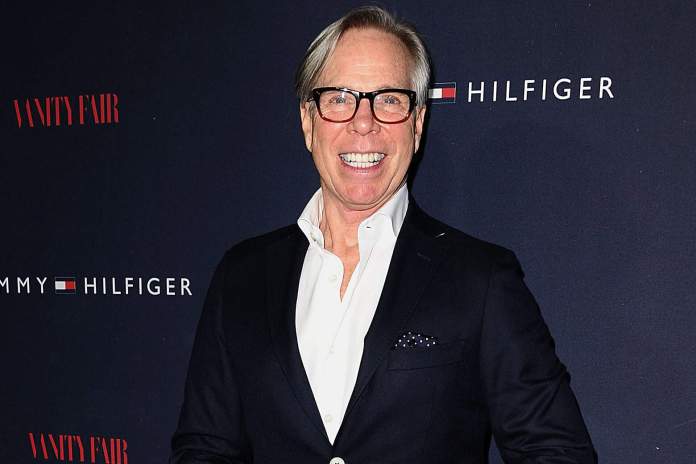
Fashion empire owner Tommy Hilfiger has penned his decades-long fight against Lyme in his memoir Bite Me. Bitten as a child, he lived for years misdiagnosed before finally discovering the truth. Hilfiger has described how unpredictable the disease is—some days operational, other days bedridden. His account highlights the emotional cost Lyme can exact.

Image Source: Bing Image. License: All Creative Commons

2. Kelly Osbourne

Osbourne disclosed she had been unwittingly suffering from Lyme for years after being bitten by a tick while visiting her family’s animal sanctuary in England. She has called the pain “traveling” around her body and admitted the long journey to diagnosis made her wary of coming forward. Nowadays, she urges others to have faith in their intuition and fight for answers if something doesn’t seem right.

Image Source: Bing Image. License: All Creative Commons

1. Justin Timberlake

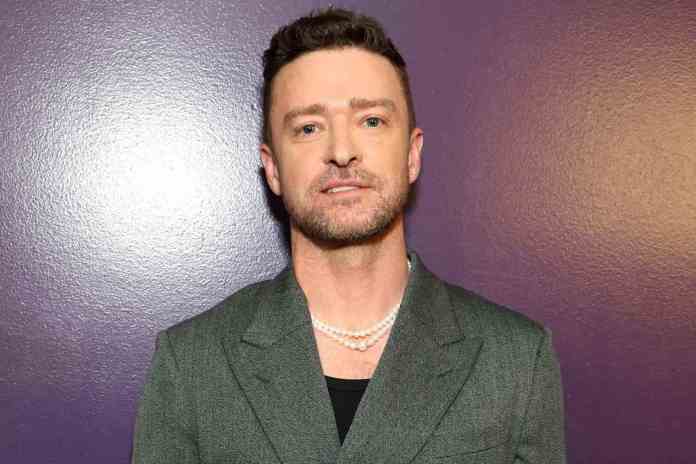
The pop icon stunned fans when he revealed that Lyme disease had been plaguing him during his Forget Tomorrow world tour. Timberlake described the debilitating nerve pain and exhaustion he experienced during live shows, confessing he had thought about abbreviating the tour. In the end, he soldiered on, and his candor has sparked renewed debates regarding Lyme disease, its signs and symptoms, and why early diagnosis is important.

Image Source: Bing Image. License: All Creative Commons

Lyme disease doesn’t discriminate between fame or success—anyone can be hit. These celebrities have opted to open up about their struggles, assisting in bringing to light a condition that is widely misunderstood and invisible but profoundly life-changing.