Home Blog Page 330

Fortnite’s Plot Holes Explained: Why the Story Falls Short

0

Besides​‍​‌‍​‍‌​‍​‌‍​‍‌ being a battle royale giant that is highly popular among streamers, Fortnite is also a game that tells a story. If the story arc was enough to pique your interest in what is going on at the island, then you are probably one of the few. The storyline has been there for a long time and thus, has been splitting the fans into two groups: those who are hooked and those who are confused. It is so slow that it is going from a possible mythological origin to a pretty and funny, but irritating ​‍​‌‍​‍‌​‍​‌‍​‍‌explanation.

Image Source: Bing Image. License: All Creative Commons

Just in 2019, the Fortnite universe was brimming with possibilities. The end of Chapter 1 was not only an event that marked the pause of the Fortnite saga, but also disconnected the sky due to the explosion of the meteor and the mysterious fall into darkness. These events were something from the global culture to which even people who were not into the gaming community could not help but get attracted. Those who witnessed the island’s death happening live were given a sense of participation, and it looked like Epic Games was flourishing in a universe with recurring characters and some degree of continuity.

But that promise gradually disappeared with the times. The plot of Fortnite has been really inconsistent throughout, but in the latest developments, the lack of a clear direction is very evident. Sometimes the story is used to lead the action, for example, in Chapter 3: Season 2, the resistance theme was very dominant and centrally located. At some other moments, it is so much in the background that it is hardly noticeable; this is, for instance, in Chapter 3: Season 3, where the story barely makes any sense. The change in the mood can be quite sudden. In one season, you may be fighting a reality devouring chrome entity, and the next, you may be hanging out with summer parties. For players who are into the lore and want it to be consistent and evolving, this inconsistency can be frustrating.

At one point, things got even more complicated when Fortnite started telling its story in a different way through comics. The Zero Point and Zero War series, created with the help of Marvel and DC, revealed some of the game’s hidden secrets, such as the secrets of secret bunkers and final parts of massive live events. The irony? Not everyone got to experience them. Those who didn’t buy the comics or couldn’t get them in their country were totally clueless, and a big number of them had to resort to YouTube lore explainers for updates. That shift from in-game to different media storytelling had the story feeling fragmented, and the fans who were unaware of the happenings were left in the dark.

The crossovers, at first, may have seemed to be a part of the confusion, but now they are an integral part of the whole story. It is very interesting to watch Spider-Man or Batman coming onto the island. These relationships sometimes can fit the lore the right way. On the other hand, most of the time, they are just blending. The Seven, a once-mysterious and compelling group, had a little bit of charm left after The Foundation turned out to be based on and voiced by Dwayne Johnson. Now, the distinction between Fortnite’s world and the world of celebrity became ambiguous and weird. Moreover, if you add Ariana Grande skins, LeBron James skins, or The Rock skins as Black Adam to the mix, then it becomes very apparent that the universe is not seamlessly connected. It is a completely different thing that actors can be the voices of characters and that they can be the characters themselves, literally.

Moreover, there are also retcons. At one time, fans constantly imagined that The Paradigm and The Singularity were the same, as they had similar-looking designs and they were the same characters, just different interpretations. But later, the Zero War comics decided to depict them as separate characters, which in turn discredited fan theories. Retcons of this kind make it very challenging for even the most hardcore lore enthusiasts to ever figure out what canon is.

Repetition is another problem that has been raised. Fortnite’s story loop has become stuck in a predictable cycle: something threatens the island, the map shifts, and the heroes band together to prevent it. Large trailers build up each new season, but beneath the surface, the formula doesn’t ever really change. For long-time fans, it’s beginning to feel like déjà vu.

It doesn’t mean that Fortnite’s narrative is dead. The universe has infinite possibilities, and the people surely desire a greater investment in the lore. But until Epic Games manages to integrate these narratives into something cohesive and significant, the story will continue to feel more like a patchwork and less like an epic. Currently, the lore is as elusive and as infuriating as ever.

The Silent Cartographer: Why This Halo Level Became Legendary

0

In​‍​‌‍​‍‌​‍​‌‍​‍‌ case you have taken control of a game without realizing it, and then all of a sudden you are on a weird alien beach with a few Marines, you definitely know the excitement, suspense, energy, and that unique Halo vibe. The mission “The Silent Cartographer” is not only the coolest point of Halo: Combat Evolved, but it is a defining moment of the whole gaming industry. But what is it actually that this level is so deeply stored in the brain, and why are the fans still discussing it after so many ​‍​‌‍​‍‌​‍​‌‍​‍‌years?

Image Source: Bing Image. License: All Creative Commons

Imagine this: you’re packed full of a Pelican dropship with the rest of the UNSC Marines, the engines are loud, and Gunnery Sergeant Waller is yelling orders. The ramp drops, and out of the Pelic, you run onto a sunny beach. The sound of gunfire is there, and the Covenant forces are disorganized and slow to react. It’s a very visually impressive scene. However, the great thing about this mission is the story that follows the first fight.

When the dust settles, you’re given keys to a Warthog and instructed to head to the Cartographer facility. From there, the mission stretches out in a manner that was groundbreaking in 2001. You can play objectives in any manner you see fit—drive head-on into enemy lines or go stealthy, sniping from a distance. As you fight through the island, evading Banshees and ambushing Covenant patrols, it is alive and unpredictable. Being constantly wary of a dropship overhead and the array of encounters that play out means that no two playthroughs will ever be the same.

It’s not all about slaughtering aliens—although, fair enough, ripping through Grunts with the Warthog’s chaingun is never a chore. There’s an odd, nearly ghostly feel to the mission’s architecture and pace. The Forerunner buildings are cold and intimidating, as if something old and otherworldly and not constructed for you. The long, hollow corridors and cavernous command centers have a sense of function you don’t quite understand, and you feel like a trespasser in space suited for beings larger than yourself.

The tension is not just an atmosphere. You’re racing to uncover the secrets of Halo itself while under constant attack. Cortana is piecing together the installation’s true purpose—a weapon capable of wiping out entire species—while you’re fighting through waves of Covenant resistance. Behind the scenes, Zuka ‘Zamamee, a Covenant Special Operations Officer, is actively hunting you, deploying Hunters and setting ambushes to stop your progress. The Marines by your side? Most of them won’t make it through the mission, and their deaths remind you just how much is riding on everything. The climax—opening up the map room—feels like opening a door to something much greater than yourself.

Caveat: the mission does have its detractors. Some players find Halo’s gameplay repetitive, “just mindless shooting” without the variety of puzzles or environmental complexity of games like Half-Life. And yes, if you don’t care for the rhythm of Halo’s action, the repetition can grow stale. But to many, that lean loop is precisely why it’s so wonderful. The controls are responsive, the guns are legendary, and the pace has you glued from beginning to end. The narrative provides you with just enough mystery to leave you wanting the next mission.

So why does The Silent Cartographer remain great? It’s how it integrates freedom, urgency, and atmosphere into one smooth experience. It allows you to catch your breath between battles, scout at your leisure, and lose yourself in the intrigue of the Halo ring. It’s not a level—yet a rite of passage, a transition from familiar to unknown.

Even today, despite the millions of shooters and expansive open-world games available, few moments resonate as storming the beach, Warthog engine roaring, holding in your mitts the fate of the galaxy. The Silent Cartographer is not a mission; it’s a memory inscribed into gaming history.

Hogwarts Legacy: Bringing the Wizarding World Back to Life

0

Maybe​‍​‌‍​‍‌​‍​‌‍​‍‌ you also tried to perform a Harry Potter spell by moving a plastic wand over your screen and softly saying “Wingardium Leviosa”. Many people like you have been captivated by the Harry Potter universe for many years. Nevertheless, its charm could be even more unexpected if we take a look at the change in its video games. It changed from pixelated puzzles of the early 2000s to the detailed and realistic world of Hogwarts Legacy. The journey has been one of the wizard’s ​‍​‌‍​‍‌​‍​‌‍​‍‌phenomenal.

Image Source: Bing Image. License: All Creative Commons

Early Years: Charming, Clunky, and Full of Heart

Travel back to 2001, when the Harry Potter and the Sorcerer’s Stone game was released across Game Boy Color, Game Boy Advance, Windows, and the original PlayStation. Those early games were far from flawless—graphically basic, sometimes clunky, and sometimes more maddening than enjoyable. But they were also longingly nostalgic, providing enthusiasts with the opportunity to enter Hogwarts in a way that the movies never could.

Gameplay invariably tracked the movie storylines, and although the reception was divided, to many young Wizarding World fans, these games were their first digital immersion in that world. Yes, Harry’s face may have been a jumble of polygons and the castle cardboard rather than stone, but the magic was present. Even clunky Quidditch games and blocky spell battles couldn’t dampen the thrill of casting your first spell or sneaking around the castle under the cover of darkness.

A New Generation: Hogwarts Legacy and the Virtue of Next-Gen Magic

Leap forward two decades, and Hogwarts Legacy is the series’s most ambitious jump to date. With its breathtakingly beautiful open-world architecture, intricate character customization, and open-ended exploration of a living, breathing Hogwarts, it’s all fans ever fantasized about—and more.

The visual leap is breathtaking. A TikTok comparison by LookinAzz shows just how far things have gotten, with the neatly detailed castle in Hogwarts Legacy towering over its 2004 counterpart, while still paying homage to the original in its design. It’s a genuine graphical glow-up—one that would leave even Gilderoy Lockhart agog.

But the game’s attraction is far more than skin-deep. With its highly detailed environments, engaging side quests, dueling mechanics, and magical creature interactions, Hogwarts Legacy turns its players into magic students rather than mere spectators. Secrets lurk behind every door of the castle, and the world beyond its walls is equally as appealing—and treacherous.

PS5 vs. Switch Lite: Two Very Different Journeys

Naturally, not all wizarding adventures are equal. On PlayStation 5, Hogwarts Legacy is a visual masterpiece—detailed with lush color, immersive lighting, and silky-smooth motion. In the game, the environment is designed and detailed to the smallest pixel, from the common rooms to the Forbidden Forest. The technical brilliance is very visible through the game, whether you are flying over the Highlands or battling trolls.

The experience on the Switch Lite is limited, but surprisingly still good. The mainstay of the game is still strong,ong although the graphics are less detailed and the performance is not always smooth. The charm of cauldron stirring, casting spells, and discovering Hogwarts is still present. Moreover, the nicest thing is that your enchanting adventure can be with you wherever you go.

Fans Weigh In: Enchantment, Replayability, and a Few Frights

Fans have bestowed loads of affection on Hogwarts Legacy. Numerous fans sing the praises of the house-specific things—ranging from individual common rooms to specialized quests—and the excitement of rounding up magical creatures and equipment. One Ravenclaw enthusiast appreciated the breathtaking scenery and replayability, exclaiming that they couldn’t wait to play through each house just to see all the variations of the story.

Nevertheless, the game is not without its difficulties. Certain players have encountered the goblin battles as repetitive, while some players were caught off guard by the sheer number of spiders hiding in the Forbidden Forest. And on PlayStation, there’s a particular Hogsmeade-exclusive side quest with a house-elf that has become infamous for being a bit creepier than expected.

Magic Then and Now: A Legacy That Keeps Growing

Looking back, it’s remarkable to see how far Harry Potter games have come. The early titles may have lacked polish, but they sparked a generation’s imagination. Hogwarts Legacy, meanwhile, is both a technical marvel and a heartfelt tribute to the world fans know and love.

It’s not just a game—it’s an experience. One that blends nostalgia with modern gameplay, creating a journey that feels both familiar and fresh. Whether you’re a longtime fan reliving childhood memories or a first-year student just arriving at Hogwarts, the magic of this universe continues to evolve—and it’s never looked better.

Top 10 Cobra Kai Characters You Can’t Forget

0
Image Source: Bing Image. License: All Creative Commons

Cobra Kai is chock-full of incredible martial arts moves, as well as epic rivalries, but it is actually the character development, which is messy, lovable, and sometimes unexpected, that is the true magnet on this show. With six seasons of Cobra Kai behind us, it’s definitely time to compile our list of the Top Ten Most Rememberable Characters Who Have Taken or Been Hit. Sidekicks, as well as key players, are not excluded.

Image Source: Bing Image. License: All Creative Commons

10. Mitch

Mitch has generally been a presence on the periphery, now and then jumping out and delivering a joke, not to say a shocking plot point. When Season 5 came around, he changed that with a shocking moment of betrayal that surprised his friends and friends-turned-watchers alike. While it was an interesting injection of drama into what had otherwise been a fairly straightforward storyline, it never really brought enough depth with it for that level of betrayal to actually register with him as a character either. It’s a guy you can laugh with, no question, but he’sdefinitelyy a secondary player as far as a fundamental element of the dojo is concerned.

Image Source: Bing Image. License: All Creative Commons

9. Aisha

Aisha possessed grand potential. As one of the earliest Cobra Kai students, she employed karate to combat bullies and regain her strength. Sadly, after two solid seasons, she was prematurely written out. Her short comeback in a subsequent season provided some relief, but it’s difficult not to wonder how much richer her character could have been if she’d remained in play.

Image Source: Bing Image. License: All Creative Commons

8. Moon

In appearance, Moon was the typical “popular girl,” but she proved to be wiser than anticipated. She fostered Hawk’s development and would not stand for cruelty, even from those she liked. Her zen demeanor and emotional intelligence calmed the storm—but too often was she pushed to the background by more militant personas.

Image Source: Bing Image. License: All Creative Commons

7. Kenny

Kenny’s trajectory is the most tragic. Bullied and belittled, he turned to Cobra Kai to fight back—but soon crossed a line and became what he feared becoming. His development as a tough fighter is a testament to how quickly one can fall into the revenge cycle. His ultimate return with Anthony gives hope to his narrative, but getting there was a long and dark one.

Image Source: Bing Image. License: All Creative Commons

6. Devon Lee

Devon came into the series late, but she made her presence known. Fierce, focused, and always ready to compete, she bounced between dojos in search of a challenge. While she flirted with Cobra Kai’s darker methods, she ultimately returned to the right path. Her development is still a work in progress, but she’s shown she has what it takes to be a future leader.

Image Source: Bing Image. License: All Creative Commons

5. Anthony LaRusso

Anthony began life as a small annoyance—a wealthy, technology-addicted kid more concerned with playing video games than doing karate. But his trajectory took a darker path when he turned into a bully, presenting a stark contrast to his father’s honor. His path toward accountability and manhood didn’t endear him as a star fighter, but it provided the show with a realistic vision of redemption and growth.

Image Source: Bing Image. License: All Creative Commons

4. Samantha LaRusso

Sam’s path hasn’t been an easy one. Trapped in endless turmoil—romantic, private, and physical—she spent most of the show attempting to meet everyone’s needs. Her growth peaked in leaving behind everyone else’s agendas to find herself. It was a choice, maybe more than any victory in a tournament, that constituted her true triumph.

Image Source: Bing Image. License: All Creative Commons

3. Tory Nichols

Tory’s entry provided raw energy and high-stakes tension. Fiery in battle and fiery in devotion, her troubled home life provided depth to an otherwise adversarial character. Her path from rage to responsibility—quelling her family by fighting for them, discovering a mentor, and ultimately earning her title without skipping any steps—made her arc one of the most poignant in the series.

Image Source: Bing Image. License: All Creative Commons

2. Robby Keene

Robby’s journey is an ongoing tug-of-war: right and wrong, father and son, dojo to dojo. His tough background and emotional conflicts made him the most conflicted character on the show. By the series conclusion, his humility, growth, and acceptance of his past showed that redemption isn’t only possible—it’s powerful.

Image Source: Bing Image. License: All Creative Commons

1. Miguel Diaz

Miguel has been the emotional core of Cobra Kai from the very beginning. From bullied adolescent to champion, he’s overcome gigantic challenges: a near-paralyzing injury, an intense quest for his origins, and the burden of living up to two vastly different saviors. In the face of it all, Miguel remained humble, compassionate, and unbreakable. His arc is the essence of the show—learning to get up, fall, and get up again, stronger and wiser.

Image Source: Bing Image. License: All Creative Commons

Cobra Kai took us on a crazy ride with plenty of kicks, comebacks, and endless confrontations—but it’s the characters that made it unforgettable. Whether you were hoping for redemption, cheering on chaos, or just enjoying the drama, these ten fighters injected the Valley with a soul—and a reason to keep watching.

12 Celebrities Who Are Part of the Scientology Community

0
Image Source: Bing Image. License: All Creative Commons

Scientology has been one of the most discussed — and most contentious — belief systems of Hollywood for decades. Some celebrities attribute their lives to it, while others were at the forefront of scandals that revealed its seedy underbelly. From blockbuster legends to television stalwarts, these are 12 celebrities who have been closely associated with the Church of Scientology.

Image Source: Bing Image. License: All Creative Commons

12. Tom Cruise

When it comes to Scientology in Hollywood, Tom Cruise is the one. Introduced in the late ’80s by his first wife, Mimi Rogers, Cruise claims that the Church cured his dyslexia and spurred his success. He’s referred to it as “a beautiful religion” and has been one of its loudest champions. His commitment is so strong that some members apparently view him as a savior. Nevertheless, his strong connection to the Church has been attributed to the collapse of his marriages to Nicole Kidman and Katie Holmes, the former allegedly fleeing to protect their daughter from Scientology’s control.

Image Source: Bing Image. License: All Creative Commons

11. Danny Masterson and Family

That ’70s Show star Danny Masterson was raised in a Scientology family and was vocal in his endorsement of the Church. But his trial on criminal charges brought an unsavory light to that relationship: Masterson was found guilty of two counts of rape and sentenced to 30 years to life in prison. Victims said Scientology had protected him, and the Church has been accused of attempting to silence accusers. His brothers — Alanna, Christopher, and Jordan — continue to be members, although their father, Joe Reaiche, has said that they were “brainwashed” against him when he left the Church.

Image Source: Bing Image. License: All Creative Commons

10. Emily Armstrong

Emily Armstrong, who now leads Linkin Park, was born into Scientology. Her family was an active member, and she attended high-profile events as a child. Armstrong once stood by Danny Masterson at an initial court appearance but then went on to distance herself, stating she regretted it when further information came to light. Now, she has denounced abuse and sympathized with victims, and some fans even interpret attacks on Scientology hidden within her Dead Sara lyrics. Her current status with the Church is uncertain.

Image Source: Bing Image. License: All Creative Commons

9. John Travolta

John Travolta joined Scientology in 1975 and often credits the faith with helping him through personal tragedies, including the death of his son. While he tends to keep his beliefs private, he defended the Church against criticism after Leah Remini’s documentary, saying it had supported him for decades. Some speculate he pulled back after his wife, Kelly Presto, ’s cancer battle, since Scientology’s founder opposed chemotherapy.

Image Source: Bing Image. License: All Creative Commons

8. Elisabeth Moss

Mad Men and The Handmaid’s Tale actress Elisabeth Moss doesn’t talk much about her affiliation with Scientology, even though she was born into the religion. When a fan once likened the Church to the dystopian state featured in her television program, Moss was adamant that values such as religious freedom and equality were at its core. Opponents say Scientology’s behavior is more often the opposite. 

Image Source: Bing Image. License: All Creative Commons

7. Catherine Bell

Most famous for Army Wives, Catherine Bell has publicly defended Scientology. She has countered that most of the criticism is based on misconceptions and invites people to read L. Ron Hubbard’s Dianetics themselves before judging. 

Image Source: Bing Image. License: All Creative Commons

6. Jason Dohring

Veronica Mars star attributes his success to Scientology, which he was introduced to through his father. According to Dohring, religion is misunderstood by outsiders who make judgments based on secondhand information and not personal study.

Image Source: Bing Image. License: All Creative Commons

5. Jenna Elfman

Jenna Elfman, best known for Dharma & Greg, has been a proud Scientologist since 1990. She asserts it provides her with energy, happiness, and balance in life.

Image Source: Bing Image. License: All Creative Commons

4. Giovanni and Marissa Ribisi

Identical twins Giovanni and Marissa Ribisi grew up in the Church. Giovanni, who is best known for Friends and Avatar, has stood up for his beliefs as private and useful to him. Marissa, on the other hand, was wedded to musician Beck, who was linked with Scientology for years, too.

Image Source: Bing Image. License: All Creative Commons

3. Erika Christensen

Parenthood actress Erika Christensen was raised in Scientology and explained the challenge of raising a child within the faith, noting that it’s a practice, not a belief.

Image Source: Bing Image. License: All Creative Commons

2. Michael Peña

Actor Michael Peña, who has appeared in American Hustle and The Martian, has credited a Scientology program, Study Tech, as helping him with reading skills and enhancing his acting. 

Image Source: Bing Image. License: All Creative Commons

1. Nancy Cartwright

The voice of Bart Simpson, Nancy Cartwright, has long been a member of the Church and one of its largest financial supporters, giving over $20 million. She has spoken of being honored by Scientology in the past as “the most beautiful acknowledgement” she had ever experienced.

Image Source: Bing Image. License: All Creative Commons

From megastars such as Tom Cruise to the favorite TV voices like Nancy Cartwright, Scientology’s power within Hollywood can’t be denied. To some, it’s a haven of comfort and achievement. To others, it’s been at the center of scandal and controversy. In either case, these individuals illustrate just how far the Church’s influence goes into the industry of entertainment.

15 Movie Co-Stars Who Turned Chemistry Into Real Love

0
Image Source: Bing Image. License: All Creative Commons

Sometimes the best love stories aren’t written—they just occur. Hollywood is full of romances where actors transitioned from co-stars to soulmates, showing that movie magic can turn into something much larger. From flings that fizzled out to marriages that lasted for decades, these couples remind us that movie magic doesn’t always end when the cameras cease rolling.

Image Source: Bing Image. License: All Creative Commons

15. Jennifer Lawrence & Nicholas Hoult (X-Men: First Class)

Before she became Katniss, Jennifer Lawrence was Mystique—and developed a crush on her X-Men: First Class co-star Nicholas Hoult. Their lighthearted romance lasted a couple of years, and despite breaking up in 2015, they’re still buddies. 

Image Source: Bing Image. License: All Creative Commons

14. Dev Patel & Freida Pinto (Slumdog Millionaire)

Their movie dominated the Oscars, but the actual award was in finding each other. Dev and Freida were dating for six years, keeping things relatively low-key but staying warm when seen together. Although they’ve now parted ways, their fans love their tale.

Image Source: Bing Image. License: All Creative Commons

13. Andrew Garfield & Emma Stone (The Amazing Spider-Man)

Peter Parker and Gwen Stacy’s chemistry extended beyond the screen. Andrew and Emma were dating for four years, and even though they broke up, they remain best friends to this day. Their on-screen chemistry remains one of Hollywood’s most delightful “Spidey” legacies.

Image Source: Bing Image. License: All Creative Commons

12. Miley Cyrus & Liam Hemsworth (The Last Song)

What began as a Nicholas Sparks beach rom-com became almost a decade of highs and lows, a marriage, and a tabloid breakup. Theirs wasn’t a love that was meant to last, but it’s sure not one to forget.

Image Source: Bing Image. License: All Creative Commons

11. Amanda Seyfried & Dominic Cooper (Mamma Mia!)

Singing ABBA hits in the Greek sunshine, Amanda and Dominic fell head over heels while shooting Mamma Mia! They were dating for nearly three years before reuniting for the second film—showing exes can remain friends (and still slay a duet). 

Image Source: Bing Image. License: All Creative Commons

10. Channing Tatum & Jenna Dewan (Step Up)

From the set to the real world, Channing and Jenna’s on-screen chemistry was undeniable. They got married, had a daughter, and although they’ve divorced since then, they’re still dedicated co-parents.

Image Source: Bing Image. License: All Creative Commons

9. Kit Harington & Rose Leslie (Game of Thrones)

Jon Snow and Ygritte’s explosive romance spilled over into real life, resulting in a castle wedding and two children. From snowy sets to domestic bliss, their love story is one for the books.

Image Source: Bing Image. License: All Creative Commons

8. Ryan Gosling & Eva Mendes (The Place Beyond the Pines)

Ryan and Eva’s movie kiss grew into one of Hollywood’s most low-key but long-lasting romances. Today, married with two daughters, they have maintained their romance sweetly off the radar.

Image Source: Bing Image. License: All Creative Commons

7. Blake Lively & Ryan Reynolds (Green Lantern)

The film failed, but the romance triumphed. Blake and Ryan’s chemistry blossomed into a wedding, three daughters, and a fourth on the way. Their lighthearted social media spats make them Hollywood’s best-loved couple.

Image Source: Bing Image. License: All Creative Commons

6. Jesse Plemons & Kirsten Dunst (Fargo)

Life imitated art when Jesse and Kirsten portrayed a married couple in Fargo. Their on-screen chemistry translated to real life, and they got married in 2022. They’re the epitome of quirky, indie royalty.

Image Source: Bing Image. License: All Creative Commons

5. Tom Holland & Zendaya (Spider-Man: Homecoming)

Beginning as friends, Tom and Zendaya gradually transitioned from co-stars to one of Gen Z’s most beloved power couples. They remain under the radar, but each red-carpet sighting melts the internet.

Image Source: Bing Image. License: All Creative Commons

4. Dax Shepard & Kristen Bell (When in Rome, CHiPs)

It didn’t work at first, but when it did, there was no going back. Dax and Kristen are married, parents, and well-known for being honest about relationships.

Image Source: Bing Image. License: All Creative Commons

3. Freddie Prinze Jr. & Sarah Michelle Gellar (Scooby-Doo)

Their initial encounter was on I Know What You Did Last Summer, but it was Scooby-Doo that sealed their relationship. Married since 2002, they’ve established one of Hollywood’s few long-lasting marriages.

Image Source: Bing Image. License: All Creative Commons

2. Rose Leslie & Kit Harington (Game of Thrones)

Yes, they deserve a second shoutout—because not many TV romances have translated into as lasting a real-life love story. From Westeros to wedded bliss, their journey is fantasy-meets-reality.

Image Source: Bing Image. License: All Creative Commons

1. Ryan Gosling & Rachel McAdams (The Notebook)

More iconic doesn’t exist. Although they argued initially, Ryan and Rachel’s passionate chemistry in The Notebook became an actual romance. Their MTV “Best Kiss” scene remains legendary, and their love story—even a short one—remains timeless.

Image Source: Bing Image. License: All Creative Commons

Hollywood might be full of scripts and special effects, but sometimes the best romance is unscripted. These couples remind us that love doesn’t just happen in the movies—it happens because of them.

10 Most Hated or Unpopular Characters in TV History

0
Image Source: Bing Image. License: All Creative Commons

Let’s be real: TV just wouldn’t be the same without those characters that have us yelling at the screen. The ones that get right under our skin, that annoy us, or even make us cringe at their expense, but we can’t help that, we still watch. They may be toxic, narcissistic, or just plain average, but their living is what keeps the drama going and the fandoms alive. So, let’s delve into the 10 most despised TV characters of all time, the ones we hate with a passion but at the same time can’t stop talking about and secretly enjoying their hate.

Image Source: Bing Image. License: All Creative Commons

10. Ted Mosby (How I Met Your Mother)

Ted pretends that he is the ideal lover, but nine seasons of whining, showoff, and self-centeredness had a lot of the audience wondering how in the world anybody could stand him. Right, he is the “hero” of the story, but in fact, he is the exact opposite. Even Marshall wins the spotlight every time. No wonder Stella ran out the door. Ted kills the vibe.

Image Source: Bing Image. License: All Creative Commons

9. Eric Forman (That’s 70s Show)

Red’s favourite joke to accompany his insult “dumbass” about Eric wasn’t far from the truth. From complaining that Donna was smarter than him to escaping to Africa only to return as if he had never left, Eric made it clear that he was one of the most boring and irritating of television’s main characters. Soft ego, your name is Forman.

Image Source: Bing Image. License: All Creative Commons

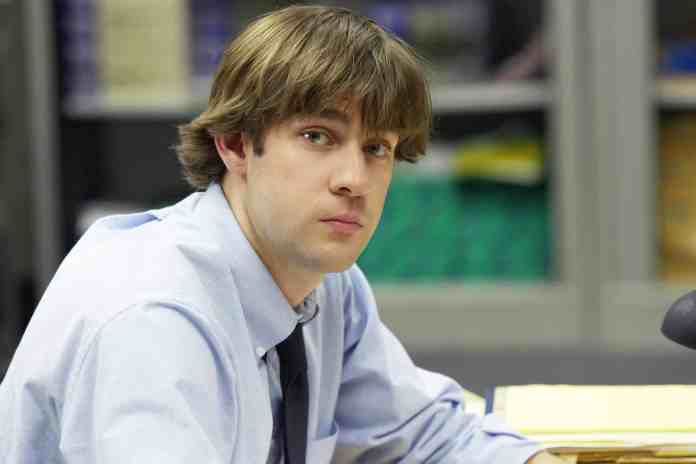
8. Jim Halpert (The Office)

Initially, Jim was the ordinary guy in the midst of madness. But take a closer look, he’s a prankster who spends more time winking at the camera than doing work. When he was given a promotion to co-manager, he failed. Toss in how he sometimes left Pam to bear the brunt at home while he pursued his ambitions, and Mr. Perfect doesn’t seem quite so perfect.

Image Source: Bing Image. License: All Creative Commons

7. Ross Geller (Friends)

Ross is neurotic, entitled, and always whiny. His romance with Rachel was a rollercoaster ride of toxicity, and let’s not forget his creepy student-dating years. Oh, and remember he’s a dad? Yeah, barely, since he’s so absent. The fact that he’s included in the friend group at all is like nepotism, thanks to Monica.

Image Source: Bing Image. License: All Creative Commons

6. Ray Barone (Everybody Loves Raymond)

Ray is just a perfect example of “successful at work, useless at home.” Debra is the one who does all the parenting, and in the meantime, Ray makes fun from the sidelines and does not set any limits for his very controlling mother. He is really funny, yes, but Debra could have gotten a medal (and a vacation) for sure.

Image Source: Bing Image. License: All Creative Commons

5. Beth Dutton (Yellowstone)

Beth has the traits of being callous, venomous, and unashamedly cruel, and some of her fans strangely admire these, while others utterly detest them. She ruins the lives of her victims, and quite often, just because she can. In case of sympathy from the viewer, she would be the most antagonistic one among TV characters and the most infamous of Taylor Sheridan’s works.

Image Source: Bing Image. License: All Creative Commons

4. Skyler White (Breaking Bad)

There was no character in any show that was demonized unfairly more than Skyler White. The audience portrayed her as nagging or controlling, while in fact, she was confronting Walt’s lying and was not going to let him build his empire with her help. Anna Gunn, the one who played her, has pointed out that the backlash was more a reflection of stereotypes about women rather than the show itself. Skyler was not the problem; she was Walt’s mirror.

Image Source: Bing Image. License: All Creative Commons

3. Sheldon Cooper (The Big Bang Theory)

Sheldon is friendly, awkward, narcissistic, and at times unbearable. He is funny in his neuroses and rituals, yet it is a bit painful to watch how his friends mock and ridicule him. He is the main reason the show lives on and is the most polarizing character, as he even provokes debates about how neurodivergent characters get depicted in television.

Image Source: Bing Image. License: All Creative Commons

2. Marie Barone (Everybody Loves Raymond)

The nightmare mother-in-law at its worst. Marie cheats, calls names, and guilt-trips with Olympic precision, driving Debra to the edge. Still, she is also special and devoted in her own unique way. Doris Roberts did it so outrageously that people could not stop watching her terrible job performance.

Image Source: Bing Image. License: All Creative Commons

1. Archie Bunker (All in the Family)

The very first TV bigot, Archie, was noisy, racist, and always stubborn in his views. Yet Americans still fell for him. Carroll O’Connor’s brilliant acting made Archie despicable and strangely lovable at the same time. He was a reflection of society’s biases, and maybe that is why he struck such a chord.

Image Source: Bing Image. License: All Creative Commons

They are characters that television would not be the same without, from sensitive egos to outright villains. They stay with us because they are imperfect, complex, and way too human. They not only annoy and test us, but at times they even make us recognize the ones we know and the things about ourselves that we would rather not acknowledge. And that is the exact reason why we would not have such a nice show without them.

Top 15 Iconic Cartoons from the 2000s

0
Image Source: Bing Image. License: All Creative Commons

The truth is, cartoons of the 2000s were more than something to simply watch—they were something to live. If you grew up in this generation, cartoons influenced not only your afternoons but your comedic routine and likely a great part of who you are today. Regardless of which side of the line you stayed, Disney Channel, Cartoon Network, or Nickelodeon, there came a period of cartoons like never before. It really is a golden age of cartoons, and to be honest, there simply hasn’t been anything comparable since. So, let’s take a walk down memory lane, shall we, as we look at 15 of the most unforgettable cartoons of the 2000s.

Image Source: Bing Image. License: All Creative Commons

15. The Proud Family

The Proud Family and its loud and lovable clan are another major part of the Disney Channel legacy. The series blended teenage soap operas, witty comedy, and a very celebratory view of culture in a way that seemed distinct and very confident in itself. And of course, its theme song, featuring Destiny’s Child and Solange, isn’t something that could ever be forgotten either.

Image Source: Bing Image. License: All Creative Commons

14. Foster’s Home for Imaginary Friends

Suppose your old childhood imaginary friend could get his own big house full of other fabricated pals. Cartoon Network’s series of shows went wild with that concept, presenting innovative mayhem, touching moments, and a cast.

Image Source: Bing Image. License: All Creative Commons

13. Atomic Betty

Leading a dual life as a schoolgirl during the day and space heroine in the evening, Atomic Betty provided children with a flavor of science fiction excitement, complete with attitude. The action-packed plot and rich worldbuilding made this program a secret treasure.

Image Source: Bing Image. License: All Creative Commons

12. Braceface

Sharon Spitz was not your average teenager—her braces had minds of their own. Confronting embarrassing puberty issues and high school drama with candor and wit, this Canadian cartoon did not gloss over growing up.

Image Source: Bing Image. License: All Creative Commons

11. George Shrinks

George may have been small, but the adventures he had were anything but. This quiet, imaginative series provided a comforting escape from the madness, making everyday life an epic adventure for its pint-sized hero.

Image Source: Bing Image. License: All Creative Commons

10. Sitting Ducks

A zany, under-the-radar show about ducks coexisting with alligators. Weird? Absolutely. But its charm, offbeat characters, and aesthetic made it an odd one to stand out in early 2000s television.

Image Source: Bing Image. License: All Creative Commons

9. Yakkity Yak

This mouthy yak with ambitions to be a stand-up comedian delivered huge laughs and loads of weirdness. It was goofy, dreamlike, and replete with that random 2000s cartoon zest we secretly miss.

Image Source: Bing Image. License: All Creative Commons

8. Hamtaro

Tiny hamsters, huge adventures. Hamtaro was kind, sweet, and perpetually adorable. For a lot of children, it was an early introduction to anime—and a lesson that even the smallest characters can have the biggest hearts.

Image Source: Bing Image. License: All Creative Commons

7. Code Lyoko

Blending 2D school drama with 3D sci-fi action, Code Lyoko had a style all its own. The story of kids battling a rogue AI in a virtual world still feels relevant, and its moody aesthetic sets it apart from anything else on TV.

Image Source: Bing Image. License: All Creative Commons

6. Totally Spies

Spies. School. Fashion. WinxClub had it all. With gadgets aplenty and over-the-top plots, it served up high-speed fun with an added dash of girl power that everyone still revels in today.

Image Source: Bing Image. License: All Creative Commons

5. Winx Club

When magical girl teams were a rarity, Winx Club introduced us to fairies with attitude. The program was glamorous, theatrical, and empowering—blending friendship and fantasy in a manner that resonated with an entire generation.

Image Source: Bing Image. License: All Creative Commons

4. ChalkZone

What if doodles could turn into reality? ChalkZone did that for you. With its innovative idea and imaginative world-building, it took something as simple as an idea and turned it into a thrilling adventure.

Image Source: Bing Image. License: All Creative Commons

3. My Life as a Teenage Robot

Jenny (aka XJ-9) was constructed to rescue the world, but wished to attend prom. Her retro-futuristic look and internal struggle between robotic responsibilities and human feelings made this show more introspective than it initially seemed.

Image Source: Bing Image. License: All Creative Commons

2. As Told By Ginger

This series didn’t take it safe—it addressed real issues such as family life changes, peer influence, and insecurity. Ginger and her peers developed and matured through the years, which was a rarity in cartoons during that time. It was smart, honest, and highly relatable.

Image Source: Bing Image. License: All Creative Commons

1. Avatar: The Last Airbender

Nothing is better. With rich narrative, profound themes, and iconic characters, Avatar wasn’t an animated cartoon—it was an epic. From Zuko’s redemption to Aang’s battle with responsibility, it reimagined what children’s animation could be. Its impact is still alive today, and for many reasons.

Image Source: Bing Image. License: All Creative Commons

There’s a reason we keep returning to these shows. Whether it’s the nostalgia, the characters, or feeling seen at just the right time in life, cartoons from the 2000s had a magic that lingered with us. As GWI points out, Millennials and Gen Z are spearheading nostalgia media, and it’s no wonder—those cartoons did more than just entertain us. They helped make us who we are. So, if you are in the mood for a throwback marathon, you already know where to begin. The feels? Fresh as ever.

Top 10 Feel-Good TV Shows Perfect for a Rewatch

0
Image Source: Bing Image. License: All Creative Commons

Let’s get real: with streaming services at our fingertips, sometimes the best option isn’t something new, it’s the series that already feels like home. Comfort TV is not just about filling the void; it’s about returning to familiar favorites that continue to surprise us with little details, forgotten gags, and wholesome moments. These are the programs you grab when you want a laugh, a boost, or just a comforting feel that envelops you like a blanket. Below is our list of the most re-watchable comfort shows ranked in reverse order to make things exciting.

Image Source: Bing Image. License: All Creative Commons

10. Derry Girls

Derry Girls, set in Northern Ireland during The Troubles, somehow finds a way to mesh dense history with some of the best teen comedy out there. A group of Catholic schoolgirls (with one hapless English boy thrown in for good measure) bumble their way through love affairs, family rows, and exams with side-splitting consequences. The script is whip-sharp, and any rewatch unearths new gags, side-eye moments, and priceless deadpan expressions from Sister Michael, the perpetually unimpressed headmistress. Short, messy, and perpetually quotable, it’s the ideal binge when you need irreverent escapism.

Image Source: Bing Image. License: All Creative Commons

9. The Office (US)

Few sitcoms have the staying power of The Office. This workplace mockumentary is endlessly rewatchable thanks to its mix of awkward humor, subtle romance, and surprising tenderness. Jim’s glances at the camera, Pam’s quiet frustrations, Dwight’s over-the-top antics, and Michael’s misguided “leadership” each rewatch brings new little details to notice. Whether you’ve watched it ten times or are just starting your second round, Scranton’s paper company never loses its charm.

Image Source: Bing Image. License: All Creative Commons

8. Shrinking

Apple TV+’s Shrinking is evidence that comedy and sorrow can share space in perfect harmony. With Jason Segel and Harrison Ford at the helm, the show seamlessly juggles dark humor and real emotional truth. The characters are completely lived-in, and the subtle, quiet exchanges only gain traction with repeat viewing. It’s snappy, it’s heartwarming, and it’s oddly therapeutic—a show you’ll be desperate to binge when you need both laughs and solace.

Image Source: Bing Image. License: All Creative Commons

7. Ted Lasso

An American football coach coaching a British soccer team wasn’t the stuff of comfort viewing, but Ted Lasso turned out to be exactly that. This show is warm, hopeful, and joyful without being sentimental. Each rewatch is filled with new Easter eggs, continued gags, and character arcs that make the show richer on each view. It’s a testament to the fact that kindness can be as engaging as conflict, and that’s special TV magic.

Image Source: Bing Image. License: All Creative Commons

6. The Good Place

Philosophy has never been so enjoyable. The Good Place keeps Eleanor and her afterlife gang busy with moral issues, crazy plot turns, and lots of frozen yogurt. Its combination of witty writing, subtle jokes, and profound questions regarding ethics makes it perfect for several rewatches; you’ll always pick up something you didn’t notice before. And Ted Danson’s acting as the architect Michael is continuously charming.

Image Source: Bing Image. License: All Creative Commons

5. Schitt’s Creek

At first, the Roses are unbearable. By the end, they’re family. Schitt’s Creek takes us on a seldom-seen TV ride: characters that truly develop without losing their offbeat vibe. The style, the quick-witted quips, the sweetness hidden behind the sarcasm, it’s the type of comedy that’s still better the second (or third…or fourth) time around. Observing the Rose family flower never loses its charm.

Image Source: Bing Image. License: All Creative Commons

4. Parks and Recreation

Leslie Knope and the Parks Department in Pawnee are comfort food. Parks and Rec looks at community, ridiculous bureaucracy, and the goodness of friendship through a cast of characters you just want to spend time with. The mockumentary format means that second viewings are riddled with humor. Uplifting, silly, and waffle-filled, it’s the sort of show that leaves you feeling better for having seen it.

Image Source: Bing Image. License: All Creative Commons

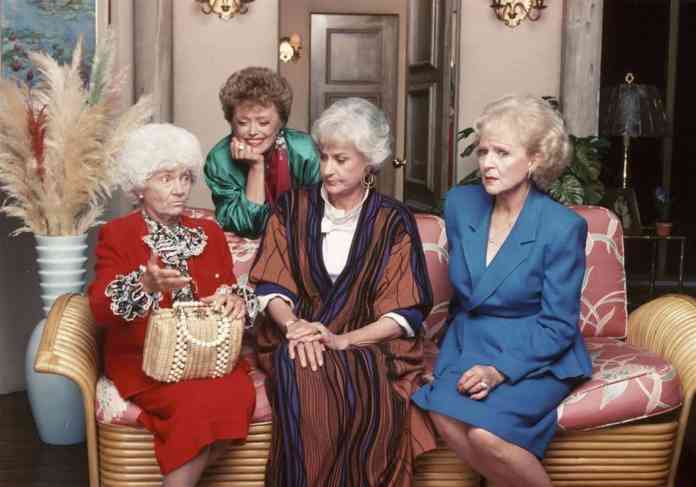
3. Golden Girls

Even before “comfort TV” became a catchphrase, Golden Girls codified it. Blanche, Dorothy, Rose, and Sophia made a Miami house of residence into a stage for comedy, insight, and cheesecake. Years later, the jokes still hit home, and the subjects’ friendship, getting older, stick-to-it-iveness continue to be ageless. Each visit is like meeting up with old friends, with lots of attitude to boot.

Image Source: Bing Image. License: All Creative Commons

2. Only Murders in the Building

Part whodunit, part sitcom hangout, Only Murders in the Building blends true-crime fixation with clever humor and unexpected sentiment. Steve Martin, Martin Short, and Selena Gomez are an unlikely but charming ensemble, and the show’s richly layered mysteries require and repay multiple viewings. Catching new clues and references with successive viewings makes the Arconia seem like a building it’s worth visiting again.

Image Source: Bing Image. License: All Creative Commons

1. Band of Brothers

You might find it surprising to look at a World War II miniseries at the top of a comfort list, but Band of Brothers has a unique brand of staying power. The tale of Easy Company is rich, multi-layered, and full of brotherhood that gets you feeling attached each time you watch it again. With each rewatch comes new performances (you’ll recognize lots of future stars) and further emotional depth. It’s compelling, poignant, and in some ways comforting in its depiction of resilience and fraternity.

Image Source: Bing Image. License: All Creative Commons

Whether you crave light laughs, cathartic weeping, or a little bit of both, these shows are the ultimate streaming comfort food. So grab a snack, settle in on the couch, and allow yourself to sink into something cozy and rewatchably infinite.

10 Unforgettable Gene Hackman Performances Every Fan Should Watch

0
Image Source: Bing Image. License: All Creative Commons

Gene Hackman wasn’t a star leading man; he was a chameleon. He was menacing one minute, comedic the next, and slyly heartbreaking when you least expected it. With his death last week at the age of 95, the movie world is looking back on a career spanning five decades and over 80 films. Whether you are a long-time fan or just checking out his body of work, these ten performances illustrate why Hackman is remembered as one of the all-time greats of Hollywood.

Image Source: Bing Image. License: All Creative Commons

10. Welcome to Mooseport (2004)

Hackman’s last on-screen appearance wasn’t a gritty drama or Oscar-bidder; it was a light comedy. Cast as a retired president who vies with Ray Romano for the position of small-town mayor, Hackman added warmth and humor to otherwise flimsy material. Although it’s not his best-known work, it’s an appropriate conclusion: even in a comedy, he exhibited dignity and presence.

Image Source: Bing Image. License: All Creative Commons

9. The Birdcage (1996)

As Senator Kevin Keeley, Hackman played the stiff conservative dropped into the most chaotic dinner of his life. Surrounded by flamboyant characters, he kept a straight face until the unforgettable finale, le where he ended up in full drag. Hackman’s ability to ground the comedy while fully committing to the absurd showed just how versatile he was.

Image Source: Bing Image. License: All Creative Commons

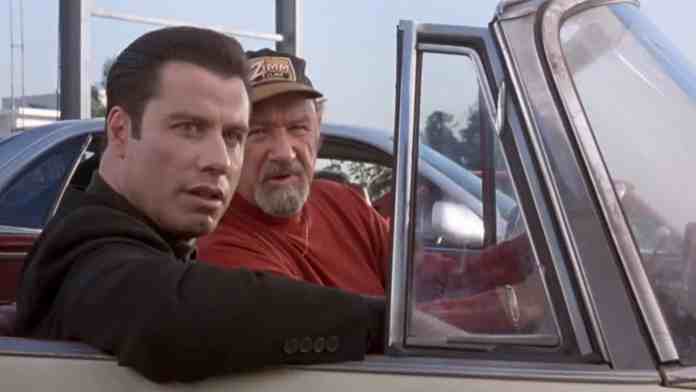
8. Get Shorty (1995)

In Barry Sonnenfeld’s Hollywood spoof, Hackman turned the tables on his tough-guy image. As Harry Zimm, a down-on-his-luck producer who was in over his head, Hackman played desperation and cowardice with wicked self-consciousness. Seeing him parody the industry he’d mastered was one of the movie’s highlights and a sign that he never did take himself too seriously.

Image Source: Bing Image. License: All Creative Commons

7. Night Moves (1975)

Hackman’s Harry Moseby is a detective falling apart, and Hackman portrays him with despairing quietness. A nod, a step, a shift of the eyes all contribute to an impression of a man disintegrating. The film is a cult hit with noir enthusiasts, and Hackman’s low-key, exhausted acting is a main contributor to its continued appeal.

Image Source: Bing Image. License: All Creative Commons

6. Hoosiers (1986)

Few sports movies endure as long as Hoosiers, and Coach Norman Dale is its beating heart, played by Hackman. He shuns clichés by portraying Dale as imperfect, obstinate, yet somehow worthy of redemption. Instead of big speeches, Hackman presented us with a man painstakingly regaining trust and redemption, the foundation for one of America’s greatest underdog tales.

Image Source: Bing Image. License: All Creative Commons

5. Mississippi Burning (1988)

In his role as FBI agent Rupert Anderson, Hackman walked the thin line between suave and threatening, mirroring America’s civil rights conflicts’ moral ambiguity. His multi-level performance netted him another Oscar nomination and demonstrated his versatility in serious, politically loaded dramas.

Image Source: Bing Image. License: All Creative Commons

4. The Conversation (1974)

Francis Ford Coppola’s thriller thrives or perishes on Hackman’s restraint. As surveillance specialist Harry Caul, he shed his characteristic charm to portray a reserved, paranoid character tormented by his job. The genius of the performance is that what Hackman doesn’t say, each silence, each pause, rings heavy. In the current age of widespread surveillance, the film is more timely than ever.

Image Source: Bing Image. License: All Creative Commons

3. The Royal Tenenbaums (2001)
Royal Tenenbaum was specifically written for Hackman, and he gave one of his finest late-period performances. As the self-absorbed, manipulative patriarch of Wes Anderson’s kooky clan, Hackman was hilarious, exasperating, and strangely endearing all at once. His capacity to find humanity in an extremely flawed man transformed a quirky comedy into something profoundly moving.

Image Source: Bing Image. License: All Creative Commons

2. Unforgiven (1992)

Clint Eastwood’s rethinking of the western provided Hackman with the opportunity to act as one of his most memorable heavies. As Sheriff Little Bill Daggett, Hackman tempered power, sadism, and unanticipated kindness—occasionally all at once. The performance netted him his second Oscar and redefined what a Western could be.

Image Source: Bing Image. License: All Creative Commons

1. The French Connection (1971)

Jimmy “Popeye” Doyle was the iconic role that launched Hackman into stardom and forever altered the template for crime dramas. Gritty, fixated, and anything but slick, Doyle was not an escapist Hollywood hero; he was dirty, human, and utterly compelling. Hackman’s Oscar-winning turn established the template for decades of hard-boiled, morally complicated cops in the movies.

Image Source: Bing Image. License: All Creative Commons

The Lasting Legacy

What distinguished Gene Hackman was not the Oscars or the box office figures, but his ability to become one with each part. He never appeared to be acting; he appeared to be those individuals, whether a small-town high school coach, a paranoid loner, or a corrupt sheriff. These ten performances are some of the best, but they represent only a portion of a career that is still one of the richest in American cinema history. Hackman didn’t just act; he made characters unforgettable. And that’s why, long after the credits roll, we’ll keep coming back to his work.