Home Blog Page 323

Apex Legends Weapon Spotlight: The Rampage LMG Explained

0

If​‍​‌‍​‍‌​‍​‌‍​‍‌ you were to be in the Outlands for some time, I am quite sure the first thing that would strike you visually is that the Rampage LMG is not just another big gun. It is something special. The massive weapon has been a fan favorite most of the time; the crowd, however, wants to release heavy fire in a way other than the typical and dull way since its introduction in Apex Legends. This article is going to tell you about how the Rampage is amazing, its short history, and the main reasons for its current ​‍​‌‍​‍‌​‍​‌‍​‍‌popularity.

Image Source: Bing Image. License: All Creative Commons

What Makes the Rampage Unique: Revved Up and Thermite-Powered

The Rampage doesn’t shoot bullets—it’s charged. Its best feature, the Revved Up mechanic, allows you to charge the gun with a Thermite Grenade. In just a four-second charge, the Rampage receives a 30 percent increased rate of fire for a duration of up to 90 seconds. The more you fire, the quicker the charge depletes, so you should aim to get the most out of each round.

One of the best things about it? When revved, the Rampage can blast down doors in two shots—or one, if they’re already partially damaged. That makes for a fine tool for clearing out enemies in cramped areas.

How It’s Changed Over the Seasons

Since its release in August 2021, the Rampage has come a long way. It initially began as regular ground loot, but after running rampant in matches on every mode, it was shifted into the care package pool, becoming a rare (but much-coveted) find.

Damage stats have been rather inconsistent—beginning at 26 damage per shot, followed by increases to 28, and most recently ranging from 29 to 30. Headshot damage is as serious as 38. Charge time for the Revved Up has also changed, beginning as long as 147 seconds, then being reduced to a more level 60, and now 90 seconds.

Other adjustments have served to tighten up the way the Rampage handles in your hands. Hipfire spread has been tweaked to be less effective close up, but powerful mid-range. Reload speed and animation have also been smoothed out, and the weapon automatically reloads when you build up your rev—a minor but appreciated nicety. Compatibility with the Gun Shield Generator provides yet another utility.

Rampage Stats and Attachments

Let’s discuss numbers. The Rampage packs a punch. On mobile, it deals 26 base body damage and 39 on headshots. On console and PC, those have increased somewhat with body shots at about 29 to 30, and headshots remaining at about 38. Leg shots will do less damage—but really, you ought to be aiming higher.

When attachments are concerned, the Rampage is versatile. It can be fitted with barrel stabilizers, extended heavy mags, and regular stocks. In terms of optics, anything between a simple 1x HCOG and a 2x-4x Variable AOG would do nicely, depending on your playing style. With its slower rate of fire, accuracy comes into play, so stabilizing attachments are important.

How to Use the Rampage Like a Pro

The Rampage isn’t an average spray-and-pray LMG. Its lower fire rate is more suited to patient, deliberate engagements. It shines medium and long range, where you can whittle away at enemy crews before your squad charges in. It’s less suited for close combat, so combine it with a shotgun or SMG to remain flexible.

If you’re new to the Rampage or just rusty, head to the Practice Range. Learn the feel of the recoil and timing, and practice tracking targets. Always carry a few Thermite Grenades so you can rev up when needed—running out mid-fight is never fun.

Rampage and Rampart: A Perfect Pairing

Rampart mains, rejoice—the Rampage was practically made for you. Her Modded Loader passive gives the gun a 15 percent boost in magazine size and a 25 percent reduction in reload time. That means more bullets flying and less time spent reloading. When it’s pulled from the care package, it comes with 220 rounds and, for Rampart, a boosted mag size of 46 (compared to the usual 40).

Skins and Customization Choices

Well, of course, it wouldn’t be Apex Legends without a little flair. The Rampage enjoys a respectable skin lineup—one Eternal, two Legendary, three Epic, two Rare, and one Common. If you like to make a statement or go low-key, there’s something for each type of player.

Why the Rampage Still Matters

The Rampage LMG has found its niche in Apex Legends through its changing design and considerate mechanics. It responds to clever, precise play and a little tactical ingenuity—naturally, there’s also something very satisfying about charging it up with a Thermite and mangling a door.

If it’s been a while since you last used it, perhaps it’s time to get back at it. Fill it up, light it up, and teach the Outlands what this heavy hitter’s capable of.

Malenia Takes No Prisoners: Gaming’s Toughest Skill Check

0

Once​‍​‌‍​‍‌​‍​‌‍​‍‌ you dive deep enough into Elden Ring, it is quite likely that you have encountered the name Malenia, a character whose name is either spoken with wonder or horror. Besides being a boss, she is a trial, the fighter who has shattered power, shattered calm, and elevated to an unimaginable new level the very concept of stamina in a FromSoftware game. Nevertheless, what about putting the question foremost: Was Malenia really the hardest boss ever, or have we only been fooled by the ​‍​‌‍​‍‌​‍​‌‍​‍‌buzz?

Image Source: Bing Image. License: All Creative Commons

What the Community Thinks

Though her legend goes before her, not everybody concurs that she’s the greatest. A poll conducted by LordTrinen garnered more than 500 votes, and just 6.6% named Malenia as the hardest boss of all time. An overwhelming 80% said no, and a further 12% said that she was close but fell short. The verdict? She’s savage, sure—but perhaps not the test of strength.”

Gamers like jbergman pointed out that retro 2D platformers and old-school RPGs often had bosses that were punishing in ways modern titles rarely attempt—some fights stretching over an hour with no checkpoints in sight. Others, like Aka_Neko, highlighted that certain bullet hell and niche games include boss encounters that make Malenia look like a warm-up—if you’re willing to dig into the more obscure corners of the gaming world.

Why Malenia Feels So Unfair

So why does Malenia make so lasting an impression? It boils down to her ruthless two-part fight that penalizes aggression, pays off patience, and requires finesse. She heals with every hit—yes, even blocked hits—so even minor errors come at a steep price. Her notorious Waterfowl Dance is an instant death sentence if you don’t master the timing on your dodges (and sometimes even when you do).

Although all her assaults are physical, healing, speed, and poise make her out to be one of the most merciless foes in Elden Ring. She’s vulnerable to frost and bleed, for sure—but finding the chance to deal those in time as she cuts you to ribbons is less than easy.

Beating Malenia: Grit, Cheese, and Everything in Between

Let’s be honest—some players defeat Malenia with skill, some do not quite. Redditor PinkPicklePete confessed to having finally defeated her by calling in Redmane Knight Ogha’s knockdown arrows, which can cheese the battle into submission. Not the most honorable victory, but a victory all the same.

Another Steam player, who modestly proclaimed themselves “not great at Elden Ring,” reported that a strength build, greatshield, and spear worked for them. They took a beating and whittled away slowly, skipping flashy maneuvers and using more discipline than dexterity.

The Elden Ring Wiki is riddled with tips: stack physical defense, have stagger summons, and take advantage of status effects whenever possible. Magic setups are urged to cast Night Comet that Malenia can’t evade. Regardless of what strategy you use, though, there is one thing that never changes—mistakes get corrected, and success is often based on learning her patterns and staying calm.

How She Compares to Other Gaming Titans

Whether Malenia is the toughest boss of all time or not remains contentious. Some players place her on par with other FromSoft terrors such as Darkeater Midir or Slave Knight Gael from Dark Souls III, or Orphan of Kos from Bloodborne. Others contend that she is less fair than cheap and cite her lifesteal and erratic tendencies as borderline broken, not just tough.

Plus, Elden Ring gives players a vast toolkit—summons, builds, consumables, and co-op. That freedom means the fight’s difficulty can vary wildly depending on how you approach it. As one user, Subxero7, put it: she’s only as hard as you make her.

And let’s not forget the retro fans. Pixel-perfect platformer and late-stage JRPG fans are quick to remind us all about bosses that required flawless execution and stamina over several hours—no summon, no cheese, no quarter.

Hard? Yes. Impossible? Not Quite.

So, is Malenia Gaming’s final boss in terms of difficulty? Not really—but she’s worked her way to be one of the most iconic. Her look, her background, her raw intensity—all lead to an unforgettable boss fight, whether you annihilated her in co-op or managed to squeak past after hundreds of tries.

One thing’s certain: defeating Malenia, however you manage it, is something to brag about. You’ll never forget where you were, what build you employed, and how your hands were likely trembling when she eventually fell. And perhaps that’s what makes her so great—not so much the challenges, but the tale you get to tell afterwards.

The Long-Standing Call for a Simpsons: Hit & Run Remake

0

The​‍​‌‍​‍‌​‍​‌‍​‍‌ Simpsons: Hit & Run is still one of the cult-classic games that is often referred to; if you did not know the reason itself, you would have found out by playing this game for a whole afternoon, just racing against the clock as Homer Simpson. You would have been avoiding Chief Wiggum, collecting Buzz Cola cards, and running over unsuspecting mailboxes. This open-world action game from 2003 was not one of those easy money made out of a popular TV show. It was quite sincerely smart, full of character, and unexpectedly even quite complex. Thus, it is still no surprise that this game is so loved, and the players are still demanding a remake or a follow-up, or basically, any pretext to get back in the car and behind the steering wheel of the Family Sedan ​‍​‌‍​‍‌​‍​‌‍​‍‌again.

Image Source: Bing Image. License: All Creative Commons

What made Hit & Run such a novelty? For starters, it was the first game that allowed gamers to live in Springfield. And not only any rendition of Springfield—this was a universe full of references, visual jokes, and hidden Easter eggs that made the game feel as though it had been created by people who loved The Simpsons. Radical Entertainment didn’t simply throw together a yellow-tinged imitation of a city; they painstakingly rebuilt iconic places such as Moe’s Tavern and the Kwik-E-Mart, and even added fresh lines from the original voice actors. It was like being transported into a breathing, living episode of the show. The game had sold more than three million copies and received its fair share of accolades, but what counted was whether it accurately translated the show’s outrageous, comedic attitude, while paying homage to the GTA frenzy of the early 2000s. 

But here’s the odd part—and sort of sad. People have been asking for years: why wasn’t there ever a Hit & Run 2? The initial game was a huge success, of course. The solution, as it turns out from lead level designer Joe McGinn, is both confusing and infuriating. As McGinn explains, Gracie Films presented the developers with a proposal to make three sequels—with all the rights and voice acting involved—for free. Free. But someone at publisher Vivendi Universal Games said no for no apparent reason. McGinn has stated they never did discover who rejected the deal, and even the development team was surprised. In retrospect, now, it’s the type of head-scratching move that makes you want to yell “D’oh! ” at the top of your lungs. Rejecting free Simpsons rights back in the early 2000s?

Even now, that’s just about crazy. Although the sequel never actually happened, the affection for Hit & Run hasn’t decreased—just increased. Fans have replayed and modded it for years, and some have even converted it into entirely different experiences, such as a full-fledged Futurama-themed version simply for entertainment purposes. In January 2023, the complete soundtrack of the game finally became available on Spotify and Apple Music, and the internet went into a hope frenzy that a remake was finally a possibility.

And the rumblings only got louder when Matt Selman, co-showrunner of The Simpsons, said he’d be happy to see the game receive a proper remaster. Of course, getting it done is one thing and quite another. The Simpsons franchise is now owned by Disney, so licensing is a much more complex process. And Radical Entertainment, the company that made the first one, doesn’t exist in quite the same form anymore. Any new iteration would have to be remade from the ground up, and it’s no easy feat to recreate the very particular blend of humor, chaos, and nostalgia that the game was so well-loved for.

That hasn’t prevented enthusiasts, however, some independent developers have created beautiful demos using Unreal Engine 5, but with no formal go-ahead, those hobby efforts always threaten to disappear.

Nonetheless, if anything, the appetite for a return to Springfield is as great as ever. With twenty years of new content to draw upon—characters, places, gags—a well-made sequel could far surpass the original. Picture not only visiting Springfield, but Shelbyville, Capital City, perhaps even Itchy & Scratchy Land, all with today’s open-world technology. A game like this would be a fan’s greatest wish. Until that day arrives, Hit & Run remains a shining example of how to nail a licensed game—and a bittersweet reminder of what could’ve been if someone had just said “yes” to a once-in-a-lifetime opportunity. For now, we’ll keep replaying the original, streaming the soundtrack, and holding out hope that someday, someone will finally bring us the return to Springfield we’ve been waiting for.

How Suicide Squad: Kill the Justice League Endured a Chaotic Road to Launch

0

Suicide​‍​‌‍​‍‌​‍​‌‍​‍‌ Squad is by far the most rebellious part of the DC world that refuses to follow the rules. As the Squad known as Task Force X, the government’s morally dubious team of antiheroes, or simply a bunch of supervillains with bombs implanted in their heads, whichever way you look at it, they have gone ahead and made a domain where they are the kings of disorder. They have wrecked the expectations of fans in comics and movies—and now they are coming to the gaming industry like a tornado with Rocksteady Suicide Squad: Kill the Justice League. It is basically everything one would expect from such a thing, i.e., it is loud, chaotic, and totally ​‍​‌‍​‍‌​‍​‌‍​‍‌insane.

Image Source: Bing Image. License: All Creative Commons

Rocksteady, the studio behind the legendary Arkham games, has taken a sharp turn away from brooding Batman and detective mode. In Kill the Justice League, you’re dropped into a decayed Metropolis and given control of Harley Quinn, Deadshot, King Shark, and Captain Boomerang. The premise is crazy: Brainiac brainwashed the Justice League, and now it’s up to the Squad to save the day—while dodging explosive repercussions. As described by a GameGrin review, the outcome is a third-person shooter that’s as absurd and frenetic as it is merciless, substituting Arkham’s darkness for unapologetic comic book-style chaos.

Each member of the Squad contributes to the sort of havoc they indulge in. Harley swings from the ceiling with a grappling hook, Deadshot zooms about with a gadget-laden pack, Boomerang runs at a teleporting burst of speed, and King Shark? He just jumps in and destroys everything. Though every character makes their way around and battles differently, after a time, the gameplay becomes somewhat repetitive—shoot aliens, blow up objectives, repeat. GameGrin comments that despite the flashy movement, missions don’t differentiate themselves from one another, and the loot system fails to provide the rush of actual progression.

And just when you thought it was done, you haven’t. Rocksteady is betting everything on a live-service model, delivering new characters, storylines, and missions via seasonal updates. If you want to witness Brainiac’s ultimate defeat, you’ll have to wait for future content. In the meantime, microtransactions are already implemented, with in-game money (yes, they’re called Luthorcoins) and a battle pass system on the way. Not surprisingly, some gamers feel that they bought half a game, with the other half in the hands of a paywall and a schedule.

There’s still plenty here for fans of DC to get excited about. The dialogue is sharp, packed with dark humor and sassy repartee that feels ripped directly from the best Suicide Squad comics. Tara Strong is back as Harley Quinn, infusing the character with her trademark zest, though some fans believe that her work falls short of her previous best. Captain Boomerang steals scenes more than anyone might have anticipated, while King Shark proves there’s more to him than straight-up brawn. Deadshot, conversely, is sometimes a mite too down-to-earth and tends to get lost in the mix.

One of the most poignant moments of the game is Kevin Conroy’s return as Batman. As reported by The Cosmic Circus, Conroy’s voice has been legendary for a decade, from Batman: The Animated Series to the Arkham trilogy. His cameo in Kill the Justice League is an impactful and sentimental moment, made even more heart-wrenching by the fact that it’s one of his last performances before he passed away. For longtime fans, hearing his Batman one last time is worth showing up for.

You can’t talk about the Suicide Squad without touching on their big-screen resurgence. James Gunn’s The Suicide Squad film took everything that didn’t work in the 2016 version and turned it on its head—embracing chaos, leaning into weirdness, and still finding a surprising amount of heart. It was a wild, emotional, and really funny ride, declared the Los Angeles Times. That same energy resides in Rocksteady’s game, where heroes are both deadly and cuddly misfits. Both film and video game know that the Squad functions best when they’re violating all the superhero conventions.

Harley Quinn is the poster child of the Squad’s trademark gorgeous chaos. Her path—formerly Joker’s sidekick, then morally ambiguous antihero, then reluctant leader—hasn’t been predictable. In the comics, as evidenced by Harley Quinn #19 (reviewed here at Batman News), her character vacillates between goofy and deplorably human. The game engages that crazy unpredictability, and even when the story stumbles or the gameplay slogs, she remains the star presence.

So what’s in store for the Squad? With Rocksteady promising regular updates, we’re not done with them yet. Is it their bickering team dynamic, their naughty joy in flouting rules, or the sheer theater of Harley Quinn attempting to kill Superman? The Suicide Squad continues to show they’re DC’s most unpredictable—and fun—team. If you’re holding out for the whole experience, perhaps wait, and don’t press the detonator button just yet.

The Magic Returns: How Hogwarts Legacy Captivates a New Generation

0

Definitely,​‍​‌‍​‍‌​‍​‌‍​‍‌ you are not the only one who has pretended with a plastic wand and said “Wingardium Leviosa.” The Harry Potter world has been a great interest to the fans for a really long time, but maybe it is through its video games that the magic is felt the most. The change has been incredible, practically, going from the pixelated puzzles of the early 2000s to the beautifully detailed worlds of Hogwarts ​‍​‌‍​‍‌​‍​‌‍​‍‌Legacy.

Image Source: Bing Image. License: All Creative Commons

Early Years: Charming, Clunky, and Full of Heart

Travel back to 2001, when the Harry Potter and the Sorcerer’s Stone game was released across Game Boy Color, Game Boy Advance, Windows, and the original PlayStation. Those early games were far from flawless—graphically basic, sometimes clunky, and sometimes more maddening than enjoyable. But they were also longingly nostalgic, providing enthusiasts with the opportunity to enter Hogwarts in a way that the movies never could.

Gameplay invariably tracked the movie storylines, and although the reception was divided, to many young Wizarding World fans, these games were their first digital immersion in that world. Yes, Harry’s face may have been a jumble of polygons and the castle cardboard rather than stone, but the magic was present. Even clunky Quidditch games and blocky spell battles couldn’t dampen the thrill of casting your first spell or sneaking around the castle under the cover of darkness.

A New Generation: Hogwarts Legacy and the Virtue of Next-Gen Magic

Leap forward two decades, and Hogwarts Legacy is the series’s most ambitious jump to date. With its breathtakingly beautiful open-world architecture, intricate character customization, and open-ended exploration of a living, breathing Hogwarts, it’s all fans ever fantasized about—and more.

The visual leap is breathtaking. A TikTok comparison by LookinAzz shows just how far things have gotten, with the neatly detailed castle in Hogwarts Legacy towering over its 2004 counterpart, while still paying homage to the original in its design. It’s a genuine graphical glow-up—one that would leave even Gilderoy Lockhart agog.

But the game’s attraction is far more than skin-deep. With its highly detailed environments, engaging side quests, dueling mechanics, and magical creature interactions, Hogwarts Legacy turns its players into magic students rather than mere spectators. Secrets lurk behind every door of the castle, and the world beyond its walls is equally as appealing—and treacherous.

PS5 vs. Switch Lite: Two Very Different Journeys

Naturally, not all wizarding adventures are equal. On PlayStation 5, Hogwarts Legacy is a visual masterpiece—detailed with lush color, immersive lighting, and silky-smooth motion. From the common rooms to the Forbidden Forest, every inch of the environment is crafted and immersive. Whether soaring over the Highlands or fighting trolls, the technical skill of the game is unmistakable.

On the Switch Lite, the experience is reduced, but unexpectedly effective. While the graphics are less detailed and the performance sometimes takes a hit, the essential gameplay holds up. The appeal of potion mixing, spellcasting, and Hogwarts exploration still comes through. And the best part? You can bring your magical journey anywhere.

Fans Weigh In: Enchantment, Replayability, and a Few Frights

Fans have bestowed loads of affection on Hogwarts Legacy. Numerous fans sing the praises of the house-specific things—ranging from individual common rooms to specialized quests—and the excitement of rounding up magical creatures and equipment. One Ravenclaw enthusiast appreciated the breathtaking scenery and replayability, exclaiming that they couldn’t wait to play through each house just to see all the variations of the story.

Nevertheless, the game is not without its difficulties. Certain players have encountered the goblin battles as repetitive, while some players were caught off guard by the sheer number of spiders hiding in the Forbidden Forest. And on PlayStation, there’s a particular Hogsmeade-exclusive side quest with a house-elf that has become infamous for being a bit creepier than expected.

Magic Then and Now: A Legacy That Keeps Growing

When you compare the Harry Potter games to each other, you can say that the early games lacked polish, but they did manage to capture the imagination of a whole generation. On the other hand, Hogwarts Legacy is a technical wonder and a loving tribute to the world that fans are familiar with and love.

It goes beyond being just a game—it’s a very immersive experience. It is an experience that combines the past with present gameplay to result in a journey that is both old and new at the same time. If you are a fan from the very beginning and want to relive your childhood memories, or if you are just a first-year student arriving at Hogwarts, the magic of this universe is still growing—and it has never been more beautiful.

Battlefield 6 Review: Setting a New Benchmark for Modern Shooters

0

Essentially, half the story was about the disastrously botched release of Battlefield 2042, and now EA has furthermore gone and dropped Battlefield 6 on us. Everyone is just glad to be able to play this fresh new title. Just about the very first thing that people saw and liked was the one-hour video of the game being revealed, which was a quick warm-up to the crowd, and then it just went continuously with all the big war scenes from Manhattan to the Sahara. Among other things, the tanks are smashing the sand off the dunes, planes are rushing to the places where the fights are taking place, and the very famous bridge that connects Manhattan and Brooklyn is breaking down because of the fights. Cinema at its best, made just to lure the customers straight into the experience.

Image Source: Bing Image. License: All Creative Commons

A High-Stakes Campaign: Pax Armata vs. NATO

Battlefield 6 is not just about blowing things up and killing people—although those are at the forefront. The single-player campaign is back, with a story that’s greater, brasher, and more politically complex than ever. It takes place in 2027, and NATO is in turmoil as multiple European allies defect, leaving America and a few scattered allies to take on Pax Armata, a well-armed private military company.

Pax Armata, literally “armed peace,” makes simultaneous attacks on major NATO installations from Gibraltar and Georgia to Belgium and even New York. The story also suggests the possible presence of turncoats like France, introducing tension and intrigue. Although creators claim it’s all just fictional fun, fans can’t help comparing it to actual geopolitics and feel the stakes are thrillingly high.

Gameplay Enhancements: Classes, Annihilation, and Strategic Combat

Teamplay is at the center of Battlefield 6. The returning classes are Assault, Support, Engineer, and Recon, each with its own abilities and gadgets. Loadouts are customizable, yet class roles remain essential—engineers keep things running, medics keep the squads alive, and recon players scout for the battlefield.

The new Kinesthetic Combat System adds realism to the game, providing more refined weapon recoil, movement, and range. You can mount weapons, lean around walls, and observe your cover deteriorate from enemy fire. Battlefield 6 brings destruction into a tactical scenario, so hiding behind a wall is never entirely safe.

Multiplayer and the Portal-Building Game-Changer

Multiplayer is where Battlefield 6 truly excels. Timeless modes like Conquest and Breakthrough are returned with additional high-speed options like Escalation. Maps travel the world, from fan-favorite locales to new spots like Cairo and Brooklyn.

The Portal Builder is a highlight feature, enabling players to set up custom matches with bespoke rules, mutators, and even NPC behavior. Featuring the Godot engine, it provides virtually endless creative possibilities for gamers who wish to create their own Battlefield experience.

Development: EA’s Largest-Ever Battlefield Team

Battlefield 6 has been designed by the franchise’s biggest development team to date, with four studios working together globally. After the disappointments of 2042, EA opened up playtesting through Battlefield Labs, getting more than 600,000 North American and European players involved in refining everything from movement to weapon balance.

CEO Andrew Wilson termed Battlefield 6 a “pivotal step” in EA’s blockbuster vision for gaming, with a target to hit 100 million unique players—a number that competes with Call of Duty: Warzone’s high point.

Battlefield vs. Call of Duty: The Rivalry Continues

Battlefield and Call of Duty have always co-existed as competitors. Battlefield focuses on big war, vehicles, and destructible environments, whereas Call of Duty is all about fast, arcade-style action. Vince Zampella, Call of Duty co-creator and current leader of Battlefield, mentions that the two franchises complement one another, each providing an experience the other does not.

Battlefield 6 is not looking to overthrow Call of Duty—it’s forging its own niche. EA is pinning hopes on a free-to-play battle royale component for increasing user activity, and if that fusion of enormous battles and strategic destruction meets the target, Battlefield 6 may solidify its position as the definitive large-scale shooter.

Launch Details and Community Buzz

Due out sometime during EA’s fiscal year 2026 (March 31, 2026), Battlefield 6 weighs in at a reasonably compact 76 GB and plays effortlessly at 60fps, although occasional crashes and glitches have been experienced, especially during multiplayer mode. Windows 11 is the preferred OS, and the Javelin anti-cheat needs Safe Boot.

Fans are already abuzz. Discord servers are filled with tips, leaks, and chatter, with content creators gearing up to share gameplay and custom matches. The multiplayer livestream and previews are keenly awaited, and the fans are looking forward to diving into this new chapter of Battlefield.

With an epic style to match the big screen, smooth action, and an ambitious online mode, Battlefield 6 seems like a great comeback for the series. If you are a fan of the series for a long time or just wondering what the franchise has to offer now, this is definitely a shooter to watch.

Donkey Kong Country Returns HD: A High-Definition Return to the Jungle

0

Once again, get those bananas ready, Donkey Kong and Diddy have returned to their fans, who are overwhelmed with joy. The gaming world was offered another opportunity to enjoy one of the most nostalgically remembered platform games of the last few years after Donkey Kong Country Returns HD made an incredible comeback to the Nintendo Switch. However, this new release is not only a beautification of an old game; it recognizes how the studio behind the Metroid Prime series, Retro Studios, managed to revive a classic franchise and become a fan favorite in the Nintendo circle.

Image Source: Bing Image. License: All Creative Commons

After Retro initially gained the spotlight for their work on the Metroid Prime trilogy, they were already recognized as geniuses of dark, atmospheric first-person adventures. Therefore, when they declared that they would be the ones to reboot Donkey Kong Country, the reaction was great surprise. As the story of the accident that led to it is told by longtime Nintendo producer Kensuke Tanabe, everything came together by chance. After the departure of the key staff from Retro, the company was on the lookout for its next move. Just at that time, Shigeru Miyamoto came up with the idea of a Donkey Kong restart, and Tanabe was convinced that Retro was the best team to carry it out. The decision of just one idea set off the journey that led to Donkey Kong Country Returns – a game that would not only be a tribute to the SNES classics but would also take the series to new, unexplored areas.

The pressure was on right from the start. As developers, Kynan Pearson, Mike Wikan, and Tom Ivey later stated, the shake-ups within the studio deeply affected them, as a space was left, but at the same time, it allowed them to have fresh ideas and a new vision. It turned out that most of the new staff were the original trilogy’s fanatical proponents, and this fact was strongly reflected in their work. Pearson points out that the common love for the series was the main driver of their creativity,y and that feeling was boosted by the fact that they could work alongside developers from Nintendo’s Kyoto. The combined work helped to overcome the doubt whether Retro was the right team for such a radical move from Metroid.

Donkey Kong Country Returns shockingly made its debut at E3 2010. It was successful in bringing back the series’ standard of tight platforming and imaginative level design while also giving more vibrant graphics and new gameplay mechanics. The game’s quiet commercial success, to a large extent, was the main reason for the quick silencing of the doubters. As Tanabe would later say, what made it possible for the game to succeed was the very thing which Retro took for granted, namely, their deep understanding of why Donkey Kong Country was great.

Currently, Donkey Kong Country Returns HD is bringing that magical jungle to a new generation of gamers. The HD remaster with all 80 levels from the first Wii release, plus the extra content made for the 3DS, will be available on January 16, 2025. Whether you are playing Mine Cart mode alone or in local co-op, the Switch version is there to keep the original intact with enhanced visuals and a smoother performance of today’s style.

Certainly, no Donkey Kong game would be complete without some great villains, and Retro has gone all out. The player in Donkey Kong Country Returns had fought against the hypnotic Tiki Tak Tribe; however, Tropical Freeze did the actual work in terms of changing the story by the inclusion of the Snowmads, headed by the overweight, horn-blowing Lord Fredrik. His cold invasion and Viking-inspired design made the game unique in a way, and although his boss fight was somewhat like King K. Rool, at least he brought some freshness to the series. From the frozen battles to the called-in frost dragons, the Snowmads played a major role in making Tropical Freeze different, even if Fredrik was a little bit of a mixed bag for the longtime fans.

Still, Retro Studios mixed reverence with risk-taking in almost equal proportions. They were ready to upset the villain line-ups or mess with level functions if that meant venturing beyond the formula. Such aaring to be new that they had combined with a clear love for the source material allowed the series to grow without losing its roots.

At the heart of Donkey Kong Country’s comeback is a deep respect for the past—along with a brave push to move beyond it. Retro Studios did not merely release a platform game again—they breathed new life into a franchise. With Donkey Kong Country Returns HD soon coming to the Switch, both old school and new players can experience the charm, challenge, and creativity that have made this franchise so lovable. Whether you’re ready to roll through jungles again or pick up a barrel for the first time, Kong country is calling—and it’s more vibrant than ​‍​‌‍​‍‌​‍​‌‍​‍‌ever.

The 10 Essential Pixar Films That Defined Animation

0
Image Source: Bing Image. License: All Creative Commons

Trying​‍​‌‍​‍‌​‍​‌‍​‍‌ to rank Pixar films is a bit like ranking your favorite childhood memories: it feels unfair, a little bit sad, and is undoubtedly going to cause more debates at the dinner table during holidays. But, in fact, that’s half the fun. Pixar has been doing this for more than three decades, and each one has a favorite. After considering critics’ lists, fan favorites, and some tearful re-watches, here is a combined ranking of the top 10 Pixar movies according to the critics and the people who used to quote ​‍​‌‍​‍‌​‍​‌‍​‍‌them.

Image Source: Bing Image. License: All Creative Commons

10. Toy Story (1995)

The film that revolutionized everything. Pixar’s initial foray wasn’t only their first film, it was also the first fully computer-animated feature film ever. And it remains a classic. Woody and Buzz’s rivalry-to-friendship journey gave us slapstick comedy, heartfelt moments, and a surprising amount of existential dread. (Admit it: “You are a toy!” still stings.) Toy Story set the blueprint for everything Pixar would become: sharp humor, emotional depth, and unforgettable characters. Oh, and Randy Newman gave us an anthem that will never leave your brain.

Image Source: Bing Image. License: All Creative Commons

9. Ratatouille (2007)

A rat who dreams of becoming a French chef? Sounds absurd, yet Pixar turned it into a celebration of food, art, and following your passions. Remy’s story is equal parts hilarious and moving, with Anton Ego’s famous flashback scene ranking among Pixar’s most quietly powerful moments. The message that greatness can come from anywhere isn’t just inspirational, it’s timeless. Also, does anyone else crave a bowl of ratatouille every time they watch?

Image Source: Bing Image. License: All Creative Commons

8. Turning Red (2022)

Pixar has long excelled at coming-of-age tales, but Turning Red is somehow particularly intimate. Mei Lee’s instant-red- pandas-insist-on-everypartofher transformation when her feelings become too overwhelming is both grossly hilarious and heart-crushingly accurate. It takes place in early-2000s Toronto, is filled with color, vibrancy, and cringeworthy teenage memories. It’s about family, friendship, and, sure, boy bands here’s to 4 Town, who deserved their own tour.

Image Source: Bing Image. License: All Creative Commons

7. Monsters, Inc. (2001)

On paper, a film about monsters frightening children to generate power shouldn’t be so lovely. Yet Mike and Sulley’s friendship and their unlikely rapport with little Boo make Monsters, Inc. one of Pixar’s most affectionate movies. From the laugh-out-loud one-liners to the breathtaking door-chase scene, it’s a joy to watch over and over. And Boo’s adorable “Kitty!”? Heart. Melted.

Image Source: Bing Image. License: All Creative Commons

6. Coco (2017)

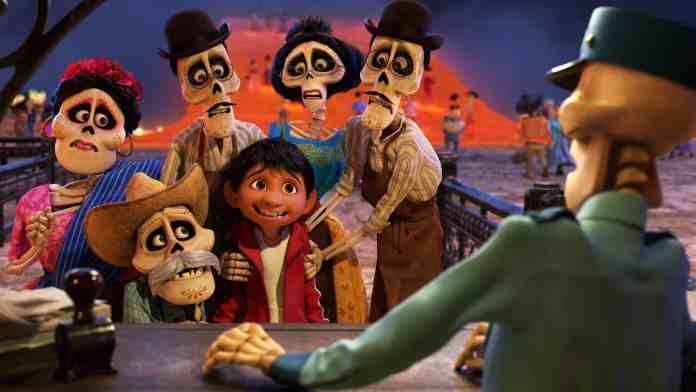
Few movies do family and tradition as well as Coco. Miguel’s journey to the Land of the Dead is also aesthetically pleasing, but it’s the heart that gets you. Grounded in Mexican heritage and remembering the dead, Coco packs an emotional punch. If “Remember Me” doesn’t make you cry, I don’t know what will.

Image Source: Bing Image. License: All Creative Commons

5. Up (2009)

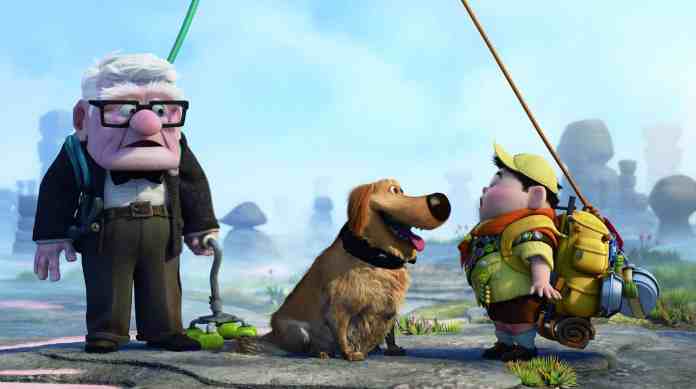
Let’s get real: Up could have been 10 minutes long and still have been a masterpiece. Carl and Ellie’s wordless love affair is heartbreaking in the best possible way. But what comes next, an airborne house, chatty dogs, and an unexpected friendship between a cranky widower and a go-getter scout, is what keeps the adventure going. Humorous, heartwarming, and full of heart, Up is a testament that Pixar knows how to break us emotionally and still leave us laughing.

Image Source: Bing Image. License: All Creative Commons

4. WALL-E (2008)

A near-silent robot love story that’s also environmental sci-fi? Only Pixar could make it work. WALL-E’s solitary odyssey across a planet covered in trash transforms into a love affair with EVE that’s nothing short of enchantment. It’s daring, vulnerable, and unexpectedly humorous, all while serving up one of Pixar’s most powerful messages about humanity. Plus, who knew a cockroach could be this cute?

Image Source: Bing Image. License: All Creative Commons

3. The Incredibles (2004)

Before superheroes dominated multiplexes everywhere, Pixar presented us with one of the greatest. The Incredibles is half family saga and half action movie, with retro-cool style and indelible characters. It’s a tale of parents, children, and how to keep regular life alive while having superpowers. And naturally, Edna Mode stole the spotlight with three little words: No capes!

Image Source: Bing Image. License: All Creative Commons

2. Toy Story 3 (2010)

Sequels are rarely better than the first, but Toy Story 3 may be. It’s a goodbye to boyhood dressed up in comedy, excitement, and one of the darkest moments from Pixar. People still shudder thinking about the incinerator scene. The movie closes out Andy’s book with the toys in a manner that’s heartbreaking yet hopeful, causing full-grown adults to ugly-cry in theaters.

Image Source: Bing Image. License: All Creative Commons

1. Inside Out (2015)

Pixar is the most creative. Inside Out explores the mind of 11-year-old Riley, allowing us to meet Joy, Sadness, Anger, Fear, and Disgust as characters in charge. It’s intelligent, witty, and wonderfully empathetic, making emotions accessible to kids (and adults, too). The film shows us that sadness is not weakness but part of growing up. And Bing Bong’s farewell? Yeah, still not over it.

Image Source: Bing Image. License: All Creative Commons

There you have it: the 10 greatest Pixar movies, as voted on by fans, critics, and everyone who’s ever sobbed into a bucket of popcorn. You can argue with the ranking, and honestly, that’s half the fun. Pixar has blessed us with decades of movies that linger, and arguing over which one is the best is part of the fun. One thing’s for sure: these movies aren’t leaving, except further in our hearts (and perhaps our therapy couches).

10 Inspiring Celebrities Who Overcame Homelessness

0
Image Source: Bing Image. License: All Creative Commons

Homelessness​‍​‌‍​‍‌​‍​‌‍​‍‌ has been around for a long time, and it is a sad reality that affects all kinds of people and classes within society. Among the top-most popular celebrities in the world, a good number of them were once homeless, and some of them, in such conditions, slept in their cars, on the streets, or in shelters. However, only a few of them allowed those difficulties to define them; most of them chose to define themselves by their win, and they became enormous ones. Here are ten inspirational stars whose stories are real proof that extreme beginnings can eventually lead to great ​‍​‌‍​‍‌​‍​‌‍​‍‌success.

Image Source: Bing Image. License: All Creative Commons

10. Daniel Craig – Bond With a Rocky Beginning

Before the luxurious Aston Martins and tuxedos, Daniel Craig was a struggling young actor who was eager to take on any role. He was always in need of money, and there were times when he didn’t have a place to stay. Eventually, that tough life led him to the success he sought when it was decided that he would play James Bond, thus confirming that even 007 had a starting point.

Image Source: Bing Image. License: All Creative Commons

9. Lil’ Kim – From the Streets to Rap Royalty

Lil’ Kim was the first person who was thrown out of her house when she was a teenager. She was homeless on the streets of New York City. Despite this, she dragged herself to the top with her persistence and talent and eventually turned into one of the most influential voices of hip-hop. Simply put, the journey that led her from the absence of a home to becoming a music diva is awe-inspiring.

Image Source: Bing Image. License: All Creative Commons

8. Sylvester Stallone – Sleeping Rough Before “Rocky”

Rocky Balboa was the character fans recognized when they thought of Sylvester Stallone, but the reality was that he was broke and slept at bus stops. He didn’t give up on his dream; in fact, he ended up just like his character, Rocky—the underdog battle in his own life. Nowadays, the name Stallone is one of determination that comes to people’s minds.

Image Source: Bing Image. License: All Creative Commons

7. Steve Harvey – Car Life to Comedy Stardom

During Steve Harvey’s first years of his career, he was the occupant of his car while he was attempting to get into the stand-up comedy field. Those difficult years were a good place of learning for him, where he learnt the art of perseverance, and his persistence paid off as he became a comedy legend, a TV show host, and a best-selling author.

Image Source: Bing Image. License: All Creative Commons

6. Jim Carrey – A Van, a Family, and a Dream

When Jim Carrey was a teen, his family lost their fortunes and lived in a camper van. Still, Carrey resorted to making jokes to get through the rough time. That same character later brought him into the A-list of Hollywood as one of the funniest comedians of all time.

Image Source: Bing Image. License: All Creative Commons

5. Halle Berry – From Shelters to the Oscars

While attempting to make it as an actress, Halle Berry was out of money and had to stay in a homeless shelter. She had the strength to become the first African-American female to receive the Academy Award for Best Actress; not only that, but she set records in climbing this milestone.

4. Tyler Perry – Car Sleeper to Media Mogul

Before his plays were popular, Tyler Perry was often found sleeping in his car at night, yet he never gave up on his dream. As of now, he owns one of the most massive film studios in the US and is recognized for writing motivational and empowering stories.

Image Source: Bing Image. License: All Creative Commons

3. Chris Gardner – Shelter to Rags-to-Riches Story

The story of Chris Gardner was turned into the movie “The Pursuit of Happyness”. Being homeless and a single parent, he kept his hope alive. In time, he turned out to be a successful businessman as well as a motivational speaker who inspired millions with his autobiography.

2. Oprah Winfrey – Adversity to Global Power

Oprah had a hard life and was homeless, too. Despite everything, she decided to become more caring and use her suffering to push herself further instead of giving up. Her ambition made her one of the most influential and powerful women in media history.

Image Source: Bing Image. License: All Creative Commons

1. The New Directions Veterans Choir – From Homelessness to Harmony

Some veteran musicians, who were homeless, created The New Directions Veterans Choir through music. At first, they were doing recovery performances, and now they are at a level where they can sing on America’s Got Talent. They have shown how community and staying strong can be healing. Their tale is a demonstration of how getting a second chance at life can completely change things.

Image Source: Bing Image. License: All Creative Commons

These are not only inspirational stories of their ventures—these are human spirit testimonies. At a time when homelessness is rising in the United States, they show the reminders that hard times don’t always dictate the future. With help, willpower, and chance, anyone can rewrite their story.

Black Ops 6 Review: Does Treyarch Deliver or Fall Short?

0

Each time a new Call of Duty gets released, there is always so much excitement, and for Black Ops 6, the hype went off the roof. However, it turns out that Black Ops 6 takes a trip back to the early ’90s right after the fall of the Berlin Wall, so not only did Treyarch give fans a promise of a brand new kind of historical experience with this release, but they also beat their own record for the closest to the Game Pass first, day release. So, the game is out, but the question that people are eager to know the answer to is whether Black Ops 6 will be a fan overwhelmingly happy with the revolution or just another rehash of the same old, which fans are disappointed with?

Image Source: Bing Image. License: All Creative Commons

Apart from that, it makes its boldest and most ambitious moves, and, in fact, these moves are in the Multiplayer mode. Treyarch returns to its traditional tactic-focused style, but with a crazy new twist in the form of omnimovement this time. Players can run in any direction, turn mid-air, and do dazzling moves that seem to be taken from a stunt scene of the latest blockbusting movie. It is quick, flowing, and surprisingly both very simple and fun to play a few rounds with it, and you will find that going back to a more traditional shooter is awkward. However, the acrobatics can get a little over the top. Imagine players are jumping through windows, twirling in mid-air, and firing clips left and right. It is fun, but it usually makes the fight more random and less tactical.

Map design is somewhat of a mixed bag. Most 6v6 maps have reverted to the three-lane layout, thus providing games with regular rhythms and preventing campers from dominating the game. Lowtown is quite different from the rest of the pack with its attractive beachside village charm and vertical layers that offer both visual and spatial depth. But, there also exist some maps that fail to have the desired effect. Babylon, for example, is affected by too many sightlines and overly populated spawn points, thus giving rise to the same issues that players were complaining about in Modern Warfare (2019). When the netcode is weak or the spawn logic is malfunctioning, the anger can escalate very quickly.

Customization continues to be a struggle to balance. The Gunsmith set of tools is capable of fully adjusting almost everything on your firearm, which is great—until you witness an overpowered version in every single match. Although the time-to-kill is slightly slower than recent installments, it is still fast enough so that the twitch reflexes are the ones that prevail most of the time. Loadouts get a lift from the addition of the third perk bonus, thus catering to players who are stacking perks of the same type. Wild Cards also return, thus enabling creative setups like dual primaries or extra attachments. The game comes loaded with a ton of skins and unlocks, but the question remains whether balance will be maintained with new content drops, a matter that Call of Duty has had trouble with in the past.

And zombies go broadly back to the traditional format. The DMZ-styled mode as an experiment is no more. Instead, players are provided with two maps straight off the bat: Liberty Falls and Terminus. Liberty Falls is large, highly detailed, and set in a dark West Virginia town; however, its open design makes it a little bit too generous in terms of gameplay. On the other hand, Terminus, which is set on a spooky island blacksite, does a bit better job of recreating the typical Zombies feeling of being in the tight spaces and creepy atmosphere. Each map has its story and cool cutscenes, but not quite as legendary as the Treyarch classic Zombies maps.

From the visual and technical perspectives, Black Ops 6 is quite impressive. The engine delivers pretty graphics, very smooth gameplay, and a whole lot of accessibility features. Crossplay works without a hitch and, overall, the polishing is top-notch. But a lot of the old problems are still there. Poorly implemented netcode, obtuse UI, and cheating that is hard to root out are still the main issues of the series. The new launcher is only a small improvement, but the series is gradually improving.

On the other hand, the reaction of the fans has been lukewarm. The game reached a peak of around 300,000 players on Steam but was down to 100,000 shortly after – a much steeper drop-off than that of Modern Warfare 3. A few loyal fans are even wondering whether Activision and Treyarch will be able to fix what’s broken or if the series is just slowly fading away. The idea has even been suggested that, if current trends continue, the series might either stop the annual schedule or go further in the direction of Warzone in the future.

In fact, Black Ops 6 is the best multiplayer in years in every way, maybe even from before Modern Warfare (2019). It does the basics right, takes the gameplay to thrilling new places, and is visually stunning. But it still carries some of the same problems that have weighed on the series for quite some time. And since the current players are already dwindling, the question is whether this is the next big step for Call of Duty or the end of its previous ​‍​‌‍​‍‌​‍​‌‍​‍‌formula.