Image Source: Bing Image. License: All Creative Commons
Honestly, one of the things that works on the human imagination most is a story larger than life about gods, heroes, and myths of the past. Greek myths and ancient history have been at the root of some of the largest and boldest blockbuster movies to appear on the big screen. If you happen to like such things as wars that are loud, odds that seem beyond your reach, and heroes that look like they could lift an ox with one hand, then get ready, buddy. Here is a list of 10 mythological and historical epic movies that sound like coming to life with a great roar.
Image Source: Bing Image. License: All Creative Commons
10. Hercules (2014)
There’s no one better to portray the world’s most renowned demigod than Dwayne “The Rock” Johnson. This Hercules isn’t so much about divine fate as it is a legendary merc with perhaps an excellent hype crew. Full of wink-wink humor, explosive action sequences, and an excellent supporting cast (including Ian McShane and John Hurt), it’s a fun, self-aware action movie that never gets too serious.
Image Source: Bing Image. License: All Creative Commons
9. Centurion (2010)
Dark, nasty, and gory, Neil Marshall’s Centurion places Michael Fassbender in the midst of a survival tale in the Scottish Highlands. As Roman soldiers escape withering Pict warriors commanded by an intense but stoic Olga Kurylenko, the film does away with myth and high style for visceral grit. Less epic battles, more frantic pursuit—it’s an ancient survival horror with bite.
Image Source: Bing Image. License: All Creative Commons
8. The 300 Spartans (1962)
Before Zack Snyder drowned Thermopylae in slow-motion bombast, The 300 Spartans dispatched the same mythic story with a more straightforward, historical approach. King Leonidas and his troops hold their ground against hopeless numbers, and though the film is dated, its impact is real—Frank Miller himself attributes it to inspiring the conception of the 300 graphic novel. If you wish to observe where the pop-cultural juggernaut started, begin here.
Image Source: Bing Image. License: All Creative Commons
7. Clash of the Titans (1981)
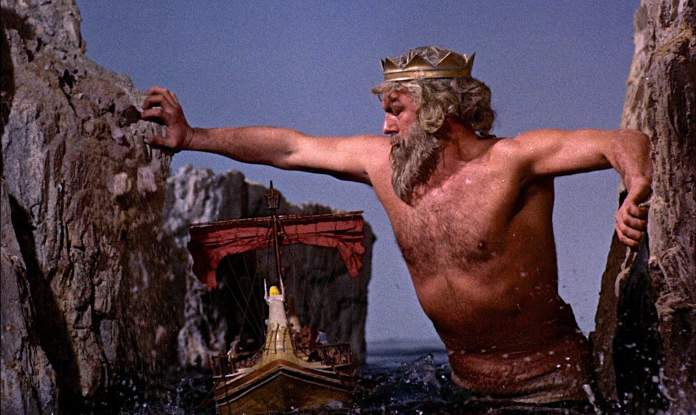
This cheesy, classic adventure is Ray Harryhausen’s magic at its finest. Perseus battles Medusa, the Kraken, and other mythical monsters in stop-motion heaven. Yes, the effects will seem old-fashioned today, but the imagination and charm never go out of style. Starring Harry Hamlin, Maggie Smith, Burgess Meredith, and Ursula Andress, this movie is a nostalgic treasure for mythology buffs.
Image Source: Bing Image. License: All Creative Commons
6. Jason and the Argonauts (1963)
One Harryhausen movie wasn’t sufficient, apparently. Here’s another one of his classics. Jason’s search for the Golden Fleece pits him against everything from a gigantic bronze giant to those legendary skeleton soldiers. The innovative effects, epic adventure, and Bernard Herrmann’s stirring score make it a classic mythological film experience—one which continues to influence filmmakers year on year.
Image Source: Bing Image. License: All Creative Commons
5. Alexander (2004)
Oliver Stone’s Alexander the Great is grandiose, disorganized, and captivating. Colin Farrell sports a dubious blond wig, Angelina Jolie gobbles up scenery as his mom, and the film plunges headlong into historical ambition. Love it or loathe it, the gigantic battle scenes and brazen storytelling make it a one-of-a-kind epic. The subsequent director’s cuts pile on even more complexity, so this is worth a second look.
Image Source: Bing Image. License: All Creative Commons
4. Troy (2004)
Brad Pitt’s Achilles facing off against Eric Bana’s Hector is one of the all-time greats of cinema. Troy brings back Homer’s mythology (no gods interfering with mortal affairs, thank you) but presents sweeping battles, extravagant production design, and a gallery of stars. From Orlando Bloom to Peter O’Toole, the picture overflows with star power, and the duel of Hector and Achilles remains heart-stopping perfection.
Image Source: Bing Image. License: All Creative Commons
3. Spartacus (1960)
Stanley Kubrick’s sword-and-sandal epic towers above much of the genre. Kirk Douglas leads a slave rebellion against Rome with charisma to spare, and the legendary “I’m Spartacus!” moment has become iconic in film history. With Dalton Trumbo’s sharp script, a powerhouse supporting cast, and astonishing production scale, this remains a cornerstone of epic cinema.
Image Source: Bing Image. License: All Creative Commons
2. Gladiator (2000)
Ridley Scott resurrected the epic for a new generation with Gladiator. Russell Crowe’s Maximus is the ultimate underdog hero—betrayed, enslaved, and rising through the ranks of the arena to challenge a corrupt empire. Joaquin Phoenix delivers one of his best villain roles, and Hans Zimmer’s thunderous score has become synonymous with cinematic grandeur. Few films can match its mix of heart, blood, and spectacle.
Image Source: Bing Image. License: All Creative Commons
1. 300 (2006)
Stylish, bombastic, and unforgettable, Zack Snyder’s 300 transformed the Battle of Thermopylae into a graphic-novel fever dream. Gerard Butler’s Leonidas bellowed his way into pop culture lore, commanding a few Spartans against a tsunami of Persians. It’s not an accurate depiction of history, but that doesn’t matter. This is raw visual spectacle, a Slow-Mo-filled rallying cry of impossible bodies and iconic one-liners.
Image Source: Bing Image. License: All Creative Commons
And there you have it, ten myth-drenched epics, each full of gods, warriors, and legendary battles. Whether you enjoy gritty survival stories, epic history, or crazy creature fights, these movies demonstrate that Greek myth and ancient history continue to dominate the big screen. Pick up your shield, buff your sandals, and get ready for glory.
Image Source: Bing Image. License: All Creative Commons
Honestly, one of the most eye-catching things at the red carpet is definitely the perfect smile of a Hollywood star. However, the fact is, not most of those whites are naturally that way. Behind the glamor, a lot of celebrities have dealt with problems ranging from a single chipped tooth to complete tooth loss. Luckily, modern dentistry has allowed them to reshape their smiles and continue to be their shining selves. We can look at their smile transformations that have been most impressive and count down from ten to one.
Image Source: Bing Image. License: All Creative Commons
10. Cher
The Queen of Reinvention has reinvented her appearance hundreds of times throughout the decades, and her smile has been included. Following tooth loss, Cher resorted to dentures, allowing her to continue having the dazzling face that fans adore. More than a mere cosmetic improvement, her new smile underscored her signature confidence and poise, demonstrating that style and confidence only become greater with age.
Image Source: Bing Image. License: All Creative Commons
9. Clark Gable
The “King of Hollywood,” Clark Gable’s rough-hewn virility was inextricable from his iconic smile. In later years, he used dentures after his natural teeth were lost, but his charm never waned. In fact, his dentures only served to sustain the leading-man sheen that saw him through classics such as Gone with the Wind. To this day, his smile is part of his enduring legend.
Image Source: Bing Image. License: All Creative Commons
8. John Goodman
Loved for his earthy demeanor, John Goodman has always seemed accessible and down-to-earth on screen. Years of dental wear forced him to seek help in the form of dentures to rejuvenate his smile. Instead of altering his image, the refresh caused him to remain faithful to the warm, everyman presence that fans love, keeping his career as solid as his smile.
Image Source: Bing Image. License: All Creative Commons
7. Whoopi Goldberg
Whoopi has never shied away from keeping it real, including when speaking about her oral health. She’s publicly addressed her usage of partial dentures and the issues that put her there, which only made her fans admire her further. By sharing her experience, she normalized dental procedures for millions of individuals and showed that honesty and authenticity can be as strong as talent.
Image Source: Bing Image. License: All Creative Commons
6. Celine Dion
Celine’s otherworldly voice is perhaps her largest trademark, but her smile comes in a close second. She honed her appearance over the years with veneers to fill gaps and whiten her teeth, with a finished and refined outcome that complements her star quality. Her facelift is a lesson that small changes can make a significant difference, particularly when combined with her natural confidence.
Image Source: Bing Image. License: All Creative Commons
5. Ben Affleck
Ben Affleck wasn’t always the Hollywood hunk we recognize today. Early on in his career, his teeth were crooked and did not have that trademark glint. Through veneers and teeth whitening, Affleck now has a symmetrical, movie-star smile that is well-suited to his leading-man roles. His smile makeover is just one of the several ways he upgraded his on-screen game.
Image Source: Bing Image. License: All Creative Commons
4. Gwen Stefani
From her years as No Doubt’s frontwoman to being a solo fashion icon, Gwen Stefani has never been afraid of bold reinvention. Having worn braces as a teenager, she went on to choose veneers to get that perfect, straight smile that complements her platinum locks and trademark red lips. Her smile is now as much a trademark as her music, evidence that daring style decisions pay dividends.
Image Source: Bing Image. License: All Creative Commons
3. Demi Moore
For decades, Demi Moore’s smile has been one of her most striking features. But she’s also been candid about dental challenges, including losing teeth due to stress. Veneers restored her bright, youthful look and preserved her glamorous image. Her openness about the process makes her transformation even more inspiring, showing how resilience and reinvention go hand in hand.
Image Source: Bing Image. License: All Creative Commons
2. Tom Cruise
Tom Cruise’s smile is literally a Hollywood trademark in and of itself. Early in his career, however, his teeth were anything but film-star perfect, with visible misalignment and staining. With the help of orthodontics and porcelain veneers, Cruise created one of the most renowned smiles in the business. Now, his makeover remains one of the most dramatic and legendary dental overhauls of all time.
Image Source: Bing Image. License: All Creative Commons
1. Morgan Freeman
Morgan Freeman’s calm voice and kind presence have always been legendary, but his smile has its own powerful story. For years, he kept his natural, crowded teeth, but as time passed, he chose to refresh his look with dentures and veneers. The result was a healthier, brighter smile that matched his warm demeanor and ageless charisma. His transformation proves that it’s never too late to reinvent yourself.
Image Source: Bing Image. License: All Creative Commons
From pop queens to silver-screen legends, these celebrities remind us that a Hollywood smile is often achieved with the help of contemporary dentistry. Whether veneers, implants, or dentures, the method may vary, but the outcome is the same: confidence, presence, and that indefinable star quality. Behind each perfect smile, a tale of transformation—and sometimes, the grit to own it.
Image Source: Bing Image. License: All Creative Commons
Redheads might be rare in the real world, but in Hollywood, they’re nothing short of cinematic treasure. Whether naturally fiery or the result of a daring dye job, red hair has come to embody charisma, confidence, and unforgettable screen presence. From soft, copper curls to rich auburn waves, these actresses prove that being a redhead isn’t just a hair color—it’s a mindset. Here’s a countdown of the most iconic redheads ever to grace the screen, from modern favorites to timeless legends.
Image Source: Bing Image. License: All Creative Commons
10. Kate Mara
Kate Mara’s auburn, cropped style is one of its own. From House of Cards to The Martian, her brown eyes are accentuated by her warm-toned pixie and an added blend of elegance and edge. Evidence that short red hair can be just as powerful as flowing hair.
Image Source: Bing Image. License: All Creative Commons
9. Isla Fisher
A native redhead, Isla Fisher has made a career of her mischievous personality and trademark copper locks. In Now You See Confessions of a Shopaholic, her bright hair (and comedic appeal) make her stand out, even when others confuse her with Amy Adams.
Image Source: Bing Image. License: All Creative Commons
8. Sophie Turner
Although she is naturally blonde, Sophie Turner’s Game of Thrones evolution into Sansa Stark made her a redhead legend. That dramatic true-red color with her icy blue eyes became so believable that fans can’t imagine her any other way. She even brought it with her ito playJean Grey in X-Men.
Image Source: Bing Image. License: All Creative Commons
7. Christina Hendricks
Her hair was once blonde, but Hendricks colored it fire engine orange-red for Mad Men, and the rest is history. Her flame-hued hair, as Joan Holloway, is as famous as her quick mouth. She’s gone on to adopt her signature color in Good Girls, making her one of television’s most iconic redheads.
Image Source: Bing Image. License: All Creative Commons
6. Debra Messing
Debra Messing’s bouncy red curls are as much a part of her persona as her rapid-fire wit in Will & Grace. She’s worn everything from fire engine red to dark russet, always complementing her pale skin and green eyes beautifully. Messing has long been urging other redheads to celebrate their innate individuality.
Image Source: Bing Image. License: All Creative Commons
5. Amy Adams
While she’s a natural blonde, Amy Adams embraced red as her signature color. From Enchanted to American Hustle to Lois Lane, Adams’ strawberry shades show her range, and her six Oscar nominations solidify her as one of Hollywood’s finest.
Image Source: Bing Image. License: All Creative Commons
4. Emma Stone
Emma Stone can go blonde and then red, but it’s her copper and rust tones that light up her green eyes. Not a natural redhead herself, La La Land, The Favourite, and Spider-Man roles have made her one of Hollywood’s best-known “adopted” redheads.
Image Source: Bing Image. License: All Creative Commons
3. Nicole Kidman
Nicole Kidman’s naturally curly red locks set her apart early in her career, particularly in movies like Moulin Rouge! and The Others. She’s tried on apricot, strawberry blonde, and pale gold throughout the years, but red is the color most synonymous with her classic beauty.
Image Source: Bing Image. License: All Creative Commons
2. Jessica Chastain
Jessica Chastain’s copper locks are as dramatic as her acting. Teased for her hair as a kid, she now flaunts it, complementing it with daring fashion and leading roles in Zero Dark Thirty, Interstellar, and The Help. Offscreen, her redheaded magnetism has also caught the attention of luxury brands to work on campaigns with Prada and Gucci.
Image Source: Bing Image. License: All Creative Commons
1. Julianne Moore
No Hollywood redheads hold a candle to Julianne Moore. Her copper-to-auburn hair colors the green eyes and paler skin, making her impossible to miss. With Oscar-winning performances in Still Alice alongside cult classics such as The Big Lebowski, she’s established herself as both a style and critical icon. Moore has even stated that she feels an immediate connection to other redheads, a testament to the power of the color she’s become synonymous with.
Image Source: Bing Image. License: All Creative Commons
Red hair on screen isn’t just a look, it’s a legacy. Whether natural-born or dyed for a role, these actresses prove that fiery shades are all about confidence, individuality, and a little cinematic magic.
Valve has a long history of shaping the gaming landscape instead of simply chasing trends. They’ve done it before: Half-Life redefined narrative in shooters, Counter-Strike set the bar for tactical multiplayer, and Dota 2 grew into one of the biggest esports phenomena on the planet. So when news surfaced about Valve quietly working on a new title called Deadlock, anticipation skyrocketed. Unlike so many hyped projects, this time, the excitement isn’t just talk—it looks like it might actually live up to expectations.
Image Source: Bing Image. License: All Creative Commons
Deadlock doesn’t seem like a game where Valve is just following other trends. It is not trying to be yet another Overwatch-type character shooter or a Valorant-style game with ultimates. Rather, it is doing something much riskier – combining the MOBA structural elements with shooter mechanics to create a challenging experience for a single player. Imagine the strategic awareness and teamwork of Dota 2, but in a third-person shooter that requires you to have a sharp aim, fast reactions, and constant movement. The kind of game design this is, it immerses you very quickly – and it becomes very hard to put the game down.
Deadlock is very different from other games in the way that the game events are experienced by the player. The matches are held in a grimy, supernatural New York City, and even before you queue up, you are chilling in a shared hideout rather than going through sterile menus. After that, you jump into extensive maps that revolve around typical MOBA ideas: lanes, neutral areas, and the powerful objectives protecting your Patron. But you are not coming from the top view here; you are running, sliding, dashing, and ziplining in the vertical spaces. The rooftops, alleyways, and hidden paths turn every encounter into both a positional and a mechanical skill test. Movement is not just an important part here; it is the core of the game.
Valve’s design style can be seen in the lineup, which seems like a weird, fashionable, psychedelic dream: occult gangsters, mechanical beings, and weird robots, all having different abilities and characters. The use of traditional class roles is quite loose, and players are given the freedom to choose the roles without being forced into rigid boxes. The items purchased during the matches do not interrupt the flow of the game, and the environments also have many interactive features–breaking cover, side paths, and vertical angles that can be of use to the creative ones. Even building experimentation is made simple through the use of built-in tools that allow players to easily test and share ideas, a very Valve-style acknowledgement for theorycrafters.
Deadlock is more than just the mechanics of a competitive ladder; it is an ecosystem designed for the long term. Valve’s preceding with community-driven games like Team Fortress 2 and Dota 2 seems to be the major influence on the roadmap here. The support for custom modes and user-generated content through Steam Workshop is on the cards, which means players have the liberty to change the game in ways no one had ever thought of. This community-first approach is the main reason why Valve’s games usually last for years rather than months.
However, with ambition comes risks. The skill ceiling of Deadlock is alarmingly high, as it requires the combination of precise shooting with complicated movement and macro-level decision-making. Such profoundness may drive away some new players if not handled properly. Valve seems to be cognizant of this problem and is already talking about improved tutorials and newbie-friendly matchmaking. The fate of this game will depend on the extent to which it balances the ease for newcomers with the hardcore mastery that its systems encourage.
Even long before its official alpha release, Deadlock has managed to hook tens of thousands of players, and the buzz is only increasing at a rapid pace. If we combine this with Valve’s usual commitment to refinement and support in the long run, it’s not that hard to envision this as a future genre-defining work. Whatever the result might be–reshaping hero shooters or becoming a fresh category–one thing is pretty obvious: Deadlock is not playing it safe, and thus, it is definitely worth your attention. Just don’t count on it to leave you a lot of free time once you’ve jumped in.
Get ready to grab those bananas once more—Diddy and Donkey Kong have swung back into action, and fans couldn’t be more thrilled. The gaming community now has another chance to experience one of the most beloved platformers of recent years, thanks to the stellar return of Donkey Kong Country Returns HD on the Nintendo Switch. This re-release isn’t just a visual treat; it’s also a testament to Retro Studios’ talent. Known for their work on the Metroid Prime series, the studio successfully breathed new life into a classic franchise, honoring its legacy while winning over a new generation of Nintendo fans. It’s a celebration of nostalgia and innovation all rolled into one thrilling platforming adventure.
Image Source: Bing Image. License: All Creative Commons
When Retro first came into the limelight for the work on the Metroid Prime trilogy, they were already known as the masters of moody, atmospheric first-person journeys. Therefore, the news that they would be the ones to reboot Donkey Kong Country came as a shock to many people— and understandably so. According to the story of the longtime Nintendo producer Kensuke Tanabe, it all happened by accident. With several prominent staff members leaving Retro, the company was looking for its next move. At that moment, Shigeru Miyamoto arrived with a project proposal about restarting Donkey Kong, and Tanabe recommended Retro as the best team to do it. The idea of just one thing led to the creation of what would eventually become Donkey Kong Country Returns – a title that both pays tribute to the SNES classics and at the same time takes the series in daring new directions.
The devs were under immediate pressure. Later on, as developers Kynan Pearson, Mike Wikan, and Tom Ivey explained, the changes that happened within the studio led to a vacuum, but, at the same time, it was a chance for new ideas and a different perspective. Most of the new staff were also the original trilogy’s biggest fans, and that great zeal was reflected in their work. Pearson tells of how the shared love for the series drove their creativity and how that excitement got even bigger due to the fact that they were working close to the developers of Nintendo in Kyoto. The joint work cleared up the doubts of whether Retro could do something so different from Metroid.
When Donkey Kong Country Returns was revealed at E3 2010, it generated a lot of buzz. It not only managed to resurrect the series’ signature platforming precision and innovative level design but also brought a more vibrant appearance and new gameplay elements. The game’s triumphant critical and commercial reception soon quietened the skeptics. As Tanabe would later say, it was Retro’s intrinsic grasp of what made Donkey Kong Country great that led to its success.
At the moment, Donkey Kong Country Returns HD is reviving that enchanting jungle for an entirely new audience. The HD remaster, which is to be released on January 16, 2025, includes all 80 levels from the original Wii version, along with the extra content that was added for the 3DS. Whether you’re doing mine carts alone or playing local co-op with a friend, the Switch version aims to keep intact everything that made the first one great, now with upgraded graphics and a more fluid frame rate to meet modern standards.
Definitely, no Donkey Kong game would be without some unforgettable enemies, and Retro has gone all out. The player’s adversaries were the hypnotic Tiki Tak Tribe in Donkey Kong Country Returns, but Tropical Freeze actually did most of the work in terms of changes by the introduction of the Snowmad, headed by the plump, horn-blowing Lord Fredrik. His cold conquest and Viking-inspired design gave the game a certain taste, and though his boss battle didn’t really refrain from being compared to King K. Rool, at least he brought some fresh air to the series. From snowy battlefields to frost-breathing dragons, the Snowmads were instrumental in making Tropical Freeze different, even if Fredrik himself was a bit of a mixed bag for longtime fans.
However, one can easily tell that Retro Studio was equally packed with reverence and risk-taking when they made their contribution. They wouldn’t hesitate to tamper with the formula if it meant upsetting villain lineups or experimenting with level mechanics. Their eagerness to do new things, together with the fact that they clearly loved the source material, enabled the series to develop without losing its roots.
At the heart of Donkey Kong Country’s comeback is a deep respect for the past—plus an equally aggressive push to go beyond it. Retro Studios didn’t just re-release a platformer—they rescued a franchise. With Donkey Kong Country Returns HD arriving at the Switch very soon, both old school and newbies will be able to soak up the charm, the challenge, and the creativity that make this series so lovable. Whether you are set to rumble through jungles once more or grab a barrel for the very first time, Kong Country is calling—and it has never been livelier.
Image Source: Bing Image. License: All Creative Commons
Cinema is a universal language, and foreign films have played a pivotal role in shaping how stories are told on screen. From groundbreaking narratives to technical innovations, filmmakers across the world have challenged conventions, expanded artistic possibilities, and inspired generations of storytellers. Whether it’s the emotional intimacy of a small drama or the spectacle of a larger-than-life epic, these films transcend borders, proving that great storytelling resonates everywhere. Here’s a countdown of 15 foreign films that changed cinema forever, each a milestone that continues to influence the way we watch, feel, and think about movies.
Image Source: Bing Image. License: All Creative Commons
15. Hard Boiled (Hong Kong)
John Woo’s Hard Boiled redefined action cinema with its high-octane energy, balletic gunfights, and relentless pace. Every scene is choreographed like a dance of chaos, combining technical precision with raw emotion.
Image Source: Bing Image. License: All Creative Commons
The film’s iconic style, slow-motion shootouts, daring camera movements, and tension-filled standoffs set a new standard for action films worldwide. Directors from Quentin Tarantino to the Wachowskis drew inspiration from Woo’s inventive approach. Hard Boiled also helped bring Hong Kong cinema to global audiences, proving that action could be both thrilling and artistically sophisticated. It remains a benchmark for adrenaline-fueled filmmaking.
Image Source: Bing Image. License: All Creative Commons
14. Dekalog (Poland)
Krzysztof Kieslowski’s Dekalog is a ten-part exploration of modern morality, loosely based on the Ten Commandments. Each short film examines the ethical struggles of everyday people with subtlety and empathy.
Image Source: Bing Image. License: All Creative Commons
Through minimalist storytelling and deep character insight, Kieslowski crafts a philosophical journey that challenges viewers to reflect on choices, consequences, and human nature. Praised by filmmakers such as Stanley Kubrick, Dekalog set a new standard for intelligent, tightly structured storytelling in cinema.
Image Source: Bing Image. License: All Creative Commons
13. Russian Ark (Russia)
Alexander Sokurov’s Russian Ark is a breathtaking technical achievement, filmed entirely in a single, uninterrupted take. It guides viewers through the Hermitage Museum in St. Petersburg, blending 300 years of Russian history into a living tableau.
Image Source: Bing Image. License: All Creative Commons
The immersive approach combines narration, historical figures, and museum exhibits into a seamless cinematic experience. From Peter the Great to Catherine the Great, the figures come alive in a hypnotic, ghostly parade of culture. Audiences and critics alike marveled at Sokurov’s ambition, making Russian Ark a one-of-a-kind achievement in visual storytelling.
Image Source: Bing Image. License: All Creative Commons
12. Central Station (Brazil)
Walter Salles’s Central Station captures the emotional journey of a retired schoolteacher and an orphaned boy across Rio de Janeiro. The unlikely duo forms a bond that transforms both their lives, revealing the power of connection and compassion.
Image Source: Bing Image. License: All Creative Commons
Fernanda Montenegro’s nuanced performance and Vinícius de Oliveira’s authentic debut bring raw humanity to the screen. Winning the Golden Globe for Best Foreign Language Film, Central Station helped propel Brazilian cinema onto the international stage and inspired a wave of Latin American filmmakers.
Image Source: Bing Image. License: All Creative Commons
11. In the Mood for Love (Hong Kong)
Wong Kar-wai’s In the Mood for Love is a hypnotic meditation on longing and unspoken desire. Set in a cramped 1960s Hong Kong apartment complex, Tony Leung and Maggie Cheung’s characters move in near-silent synchrony, circling one another with delicate tension.
Image Source: Bing Image. License: All Creative Commons
Christopher Doyle’s cinematography and Nat King Cole’s evocative music create a lush, romantic atmosphere. Every frame is imbued with style, mood, and emotional weight. The film’s elegance and slow-burning storytelling have influenced countless directors seeking to capture the poetry of missed connections and restrained passion.
Image Source: Bing Image. License: All Creative Commons
10. Aguirre, the Wrath of God (Germany)
Werner Herzog’s Aguirre, the Wrath of God is a fever dream of obsession, following Klaus Kinski’s tyrannical conquistador in pursuit of El Dorado. Madness and greed permeate every frame, both on-screen and behind the scenes.
Image Source: Bing Image. License: All Creative Commons
Herzog and Kinski’s tumultuous collaboration amplifies the film’s sense of chaos and realism, creating unforgettable tension. The final image of Kinski alone on a raft, surrounded by monkeys, remains one of cinema’s most haunting statements. Aguirre stands as a relentless exploration of human hubris and the darker corners of ambition.
Image Source: Bing Image. License: All Creative Commons
9. Rashomon (Japan)
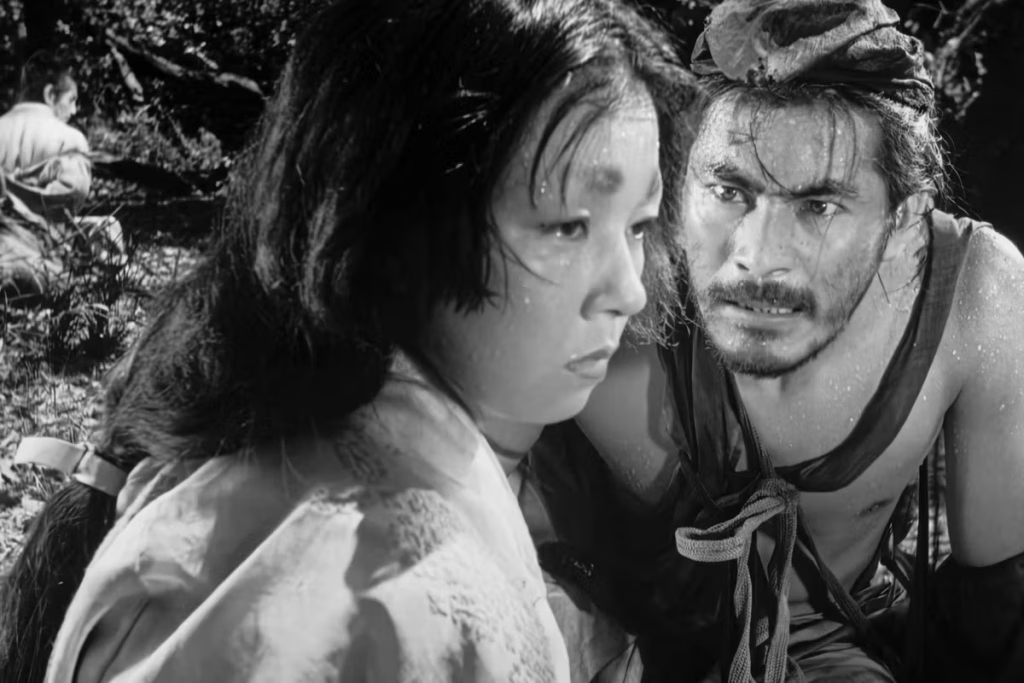
Akira Kurosawa’s Rashomon introduced the world to the concept of multiperspective storytelling. By presenting multiple conflicting accounts of the same event, the film challenged audiences to question truth and perception.
Image Source: Bing Image. License: All Creative Commons
The narrative innovation influenced filmmakers worldwide, encouraging experimentation with unreliable narrators and fractured timelines. Even decades later, Rashomon’s exploration of subjective truth continues to inspire both philosophical reflection and cinematic technique.
Image Source: Bing Image. License: All Creative Commons
8. La Dolce Vita (Italy)
Federico Fellini’s La Dolce Vita is a masterful critique of celebrity culture and modern decadence. Marcello Mastroianni’s gossip columnist drifts through Rome, observing and participating in the excesses of a society obsessed with fame.
Image Source: Bing Image. License: All Creative Commons
The creation of the paparazzi archetype and Fellini’s satirical lens influenced popular culture far beyond cinema. La Dolce Vita reflects both society’s fascination with glamour and the melancholy of human ambition, remaining a timeless cultural mirror.
Image Source: Bing Image. License: All Creative Commons
7. The Battle of Algiers (Italy/Algeria)
Gillo Pontocorvo’s The Battle of Algiers is a searing political thriller, depicting Algeria’s guerrilla uprising against French colonial forces. Its documentary-style realism riots, street fighting, and political tension feel as immediate and gripping as any blockbuster.
Image Source: Bing Image. License: All Creative Commons
The film’s technical mastery has inspired generations of directors, and even military institutions have studied it for its depiction of urban warfare. A landmark in political cinema, it remains a benchmark for both realism and narrative intensity.
Image Source: Bing Image. License: All Creative Commons
6. All Quiet on the Western Front (Germany)
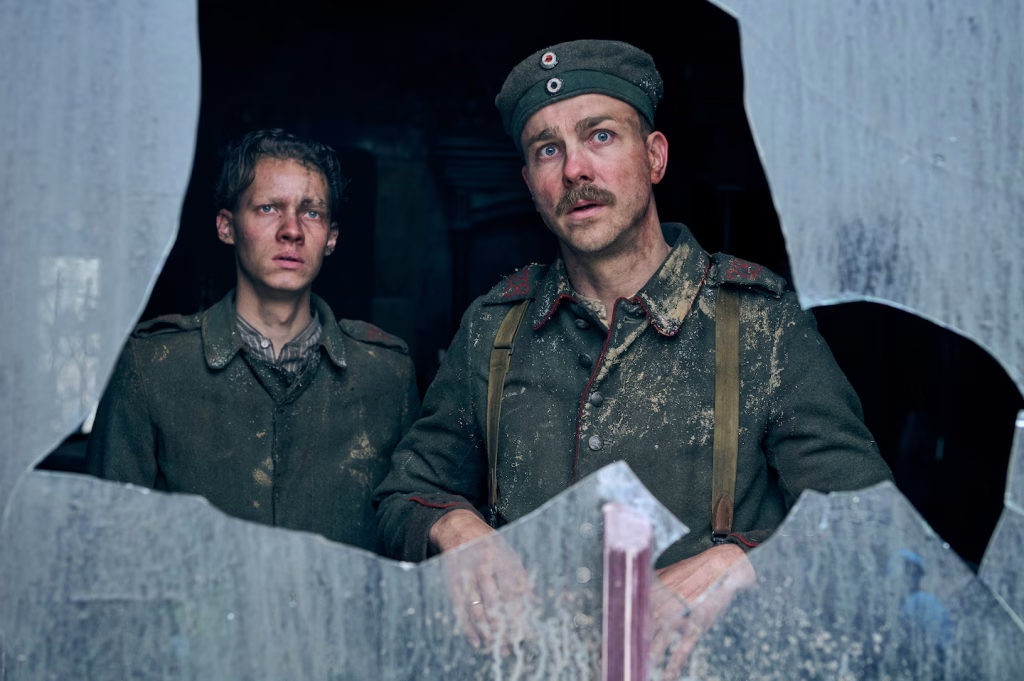
Edward Berger’s All Quiet on the Western Front tells World War I from a German perspective, focusing on young soldiers’ harrowing experiences.
Image Source: Bing Image. License: All Creative Commons
By refusing to romanticize the battlefield, the film delivers a universal portrayal of human suffering and the horrors of war. Its critical acclaim underscores cinema’s ability to convey empathy and historical truth across national boundaries.
Image Source: Bing Image. License: All Creative Commons
5. Spirited Away (Japan)
Hayao Miyazaki’s Spirited Away blends Japanese folklore with universal themes of resilience, growth, and wonder. Chihiro’s journey through a magical world captivates both children and adults.
Image Source: Bing Image. License: All Creative Commons
The film’s artistry, imaginative design, and emotional depth made it a global phenomenon, culminating in an Academy Award for Best Animated Feature. Spirited Away proves that animated films can be as culturally significant and influential as live-action cinema.
Image Source: Bing Image. License: All Creative Commons
4. Parasite (South Korea)
Bong Joon-ho’s Parasite is a masterclass in genre-bending social commentary. Its narrative twists, dark humor, and visual storytelling dissect class inequality with precision and style.
Image Source: Bing Image. License: All Creative Commons
The film’s historic Best Picture Oscar win confirmed its groundbreaking status and elevated South Korean cinema to a global stage. Parasite demonstrates that foreign-language films can speak powerfully to universal human experiences.
Image Source: Bing Image. License: All Creative Commons
3. Seven Samurai (Japan)
Akira Kurosawa’s Seven Samurai is an epic tale of courage, strategy, and community, following villagers who hire samurai to defend them.
Image Source: Bing Image. License: All Creative Commons
Kurosawa’s masterful pacing, dynamic action, and character depth influenced countless remakes, from The Magnificent Seven to modern action films. Its enduring legacy proves that epic storytelling transcends culture, inspiring generations of filmmakers worldwide.
Image Source: Bing Image. License: All Creative Commons
2. Bicycle Thieves (Italy)
Vittorio De Sica’s Bicycle Thieves embodies the essence of Italian neorealism, portraying postwar poverty with heart-wrenching simplicity.
Image Source: Bing Image. License: All Creative Commons
A father and son’s desperate search for a stolen bicycle highlights universal themes of hope, struggle, and human resilience. De Sica’s use of non-professional actors and real locations made the film a blueprint for socially conscious cinema.
Image Source: Bing Image. License: All Creative Commons
1. M (Germany)
Fritz Lang’s M is a landmark psychological thriller and the first major serial-killer film. Peter Lorre’s portrayal of Hans Beckert blends terror and vulnerability, creating one of cinema’s most unforgettable villains.
Image Source: Bing Image. License: All Creative Commons
The film’s expressionist visuals and moral ambiguity reflect the tensions of pre-Nazi Germany while influencing countless thrillers and horror films. M remains a cornerstone of cinematic history, demonstrating the power of narrative, performance, and visual innovation.
Image Source: Bing Image. License: All Creative Commons
These 15 films remind us that cinema is a global language, capable of shaping storytelling, influencing generations, and transcending borders. From intimate dramas to epic spectacles, they prove that great filmmaking knows no nationality, only vision.
Tekken 8 has landed like a surprise uppercut, shaking up the fighting game world in ways no one predicted. Its impact has been immediate, not just reinvigorating the community but redefining expectations for the genre itself. The crown of the Iron Fist Tournament has returned to its rightful king, proving that this isn’t just another sequel—it’s a bold step forward that opens an entirely new chapter.
Image Source: Bing Image. License: All Creative Commons
Set squarely between the launches of Street Fighter 6 and Mortal Kombat 1, Tekken 8 isn’t just holding its ground—it’s outshining the competition. The game delivers a seamless blend of strategy, spectacle, and sheer enjoyment, creating an experience that’s both competitive and incredibly fun. Whether you’re a longtime fan or a newcomer, Tekken 8 hits all the right notes, offering a vibe that’s hard to resist.
The story is actually one of the best things about it, as it features characters switching scenes in an anime-inspired manner with a stunning, resplendent, and very concise type of storytelling. It revolves around the character of Jin Kazama, who, after his father, Kazuya Mishi, goes on the rampage with the devil bloodline that has haunted them for ages, decides to be the one to put an end to it all. The fight for the title of King of Iron Fist Tournament has become a means of world domination, so the stakes could not be any higher.
The plot does not merely jump from one character to another. Jinn goes beyond the surface, actually breaking open the Mishima family, and thus, he offers players a reason to keep fighting for the throne besides the gorgeous fights. It’s noisy, over-the-top, and sometimes a little ridiculous, but it’s also one of the most enjoyable and engrossing fighting game stories of the last several years, even if some fan-favorites get less time than Jin.
And of course, Tekken 8 is all about the fighting. The new Heat system adds energy to every match, with a full Heat bar available right from the start. It charges up attacks, shatters blocks, and unlocks special moves, making players want to be on the attack. The result is quick, brutal matches that feel every bit as incendiary as the franchise’s legacy requires. The Heat system lends personality to each fighter and makes sure no round ever feels stale.
Ghost Battles is another highlight, employing AI to generate opponents who learn based on how you play. You can battle against your own ghost, work on your weaknesses, and spar with ghosts created from friends and pro players. This isn’t a gimmick—it’s a significant improvement for solo practice. The ghosts adjust in real time, providing the sensation of live competition even when you’re offline.
For beginners, Tekken 8 has a Special Style control mode that breaks up complex combos into single-button inputs. It’s ideal for players who just want to jump in without memorizing move lists. With Special Style, it’s easy to perform iconic moves and Heat attacks, although experienced players can turn it off for the ultimate in precision. It’s a clever touch that brings down the barrier of entry without diluting the complexity that Tekken is famous for.
Visually, Tekken 8 is breathtaking. Powered by Unreal Engine 5, it’s designed for today’s hardware alone, and the jump pays off. Characters appear more realistic than ever before, with fine-grained skin textures, complex costumes, and dynamic environments that respond to every bout. Each strike is weighty, with bold effects that give matches a frenetic display feel. The game is silky-smooth at 60fps, striking the right balance of speed and detail. The soundtrack adds to the intensity, mixing driving beats with character-specific themes that heighten the action.
Online play is stable, with quick matchmaking and silky smoothness. The Arcade Lounge provides a social aspect, allowing players to fight, watch, create custom avatars, and even play Tekken Ball, a wacky volleyball-inspired mode that returns with open arms. Training mode is filled with helpful utilities—such as save states, move data, and replay analysis—so it serves casual and competitive players equally well.
Accessibility is a bit of both worlds. Tekken 8 accomplishes well in introducing newcomers with Special Style and Arcade Quest, but falls short of deeper accessibility options beyond some rudimentary settings. A couple of fan-favorite modes from previous installments are absent, and the in-game store has been criticized as being too aggressive. Still, with plenty to dig into—story mode, character arcs, Arcade Quest, Tekken Ball, and a roster of 32 fighters—there’s more than enough content to keep players engaged.
Tekken 8 is more than a new installment in a venerable franchise—it’s a leap of faith. Through the marriage of smart design decisions, added functionality, and focus on making the game accessible without sacrificing complexity, it’s a fighter created for everyone. Whether you’re a seasoned vet or a newcomer to the series, Tekken 8 is the kind of high-octane action that has you reaching for just one more match.
If there’s one corner of the DC universe that thrives on disorder, it’s the Suicide Squad. Known officially as Task Force X, this government-sanctioned group of antiheroes—or, depending on who you ask, a collection of supervillains strapped with explosive collars—operates by its own rules. They’ve consistently defied expectations across comics and films, and now they’re bringing that same unpredictable energy to gaming with Rocksteady’s Suicide Squad: Kill the Justice League. True to form, the game is loud, chaotic, and gloriously unhinged, perfectly capturing the essence of the Squad.
Image Source: Bing Image. License: All Creative Commons
Rocksteady, the studio behind the legendary Arkham games, has taken a sharp turn away from brooding Batman and detective mode. In Kill the Justice League, you’re dropped into a decayed Metropolis and given control of Harley Quinn, Deadshot, King Shark, and Captain Boomerang. The premise is crazy: Brainiac brainwashed the Justice League, and now it’s up to the Squad to save the day—while dodging explosive repercussions. As described by a GameGrin review, the outcome is a third-person shooter that’s as absurd and frenetic as it is merciless, substituting Arkham’s darkness for unapologetic comic book-style chaos.
Each member of the Squad contributes to the sort of havoc they indulge in. Harley swings from the ceiling with a grappling hook, Deadshot zooms about with a gadget-laden pack, Boomerang runs at a teleporting burst of speed, and King Shark? He just jumps in and destroys everything. Though every character makes their way around and battles differently, after a time, the gameplay becomes somewhat repetitive—shoot aliens, blow up objectives, repeat. GameGrin comments that despite the flashy movement, missions don’t differentiate themselves from one another, and the loot system fails to provide the rush of actual progression.
And just when you thought it was done, you haven’t. Rocksteady is betting everything on a live-service model, delivering new characters, storylines, and missions via seasonal updates. If you want to witness Brainiac’s ultimate defeat, you’ll have to wait for future content. In the meantime, microtransactions are already implemented, with in-game money (yes, they’re called Luthorcoins) and a battle pass system on the way. Not surprisingly, some gamers feel that they bought half a game, with the other half in the hands of a paywall and a schedule.
There’s still plenty here for fans of DC to get excited about. The dialogue is sharp, packed with dark humor and sassy repartee that feels ripped directly from the best Suicide Squad comics. Tara Strong is back as Harley Quinn, infusing the character with her trademark zest, though some fans believe that her work falls short of her previous best. Captain Boomerang steals scenes more than anyone might have anticipated, while King Shark proves there’s more to him than straight-up brawn. Deadshot, conversely, is sometimes a mite too down-to-earth and tends to get lost in the mix.
One of the most poignant moments of the game is Kevin Conroy’s return as Batman. As reported by The Cosmic Circus, Conroy’s voice has been legendary for a decade, from Batman: The Animated Series to the Arkham trilogy. His cameo in Kill the Justice League is an impactful and sentimental moment, made even more heart-wrenching by the fact that it’s one of his last performances before he passed away. For longtime fans, hearing his Batman one last time is worth showing up for.
You can’t talk about the Suicide Squad without touching on their big-screen resurgence. James Gunn’s The Suicide Squad film took everything that didn’t work in the 2016 version and turned it on its head—embracing chaos, leaning into weirdness, and still finding a surprising amount of heart. It was a wild, emotional, and really funny ride, declared the Los Angeles Times. That same energy resides in Rocksteady’s game, where heroes are both deadly and cuddly misfits. Both film and video game know that the Squad functions best when they’re violating all the superhero conventions.
Harley Quinn is the poster child of the Squad’s trademark gorgeous chaos. Her path—formerly Joker’s sidekick, then morally ambiguous antihero, then reluctant leader—hasn’t been predictable. In the comics, as evidenced by Harley Quinn #19 (reviewed here at Batman News), her character vacillates between goofy and deplorably human. The game engages that crazy unpredictability, and even when the story stumbles or the gameplay slogs, she remains the star presence.
So what’s in store for the Squad? With Rocksteady promising regular updates, we’re not done with them yet. Is it their bickering team dynamic, their naughty joy in flouting rules, or the sheer theater of Harley Quinn attempting to kill Superman? The Suicide Squad continues to show they’re DC’s most unpredictable—and fun—team. If you’re holding out for the whole experience, perhaps wait, and don’t press the detonator button just yet.
Nintendo’s console history has been a rollercoaster, full of highs and lows. The Wii’s massive success is still celebrated, yet the struggles of the Wii U serve as a reminder that not every innovation lands perfectly. This pattern makes fans both skeptical and excited whenever a new system is announced. With the upcoming Switch 2, however, it seems Nintendo is aiming to learn from past missteps while delivering a console that truly appeals to today’s gamer.
Image Source: Bing Image. License: All Creative Commons
A Hybrid Success Story
Nintendo has been a handheld gaming giant for years, if not always as successful on its home consoles. The first Switch revolutionized things by combining the two into one device. Not only was its hybrid form innovative, but it was also useful. Portability was no longer a gimmick but a central feature, and that versatility helped bring the Switch to a wide audience.
The gaming industry itself has changed dramatically from the Wii U era. Today’s consumer demands consistency. They want their libraries, DLC, and save data to transfer directly from one console to another. As one expert said, “Convincing players to switch between generations is becoming tougher when the games that they enjoy still function impeccably on older kit.” Backwards compatibility is now the norm.
Backwards Compatibility as a Starting Point
Fortunately, Nintendo does appear to realize that. The Switch 2 will natively support both physical and digital Switch games. That alone provides it with a huge advantage. Instead of coming out with a meager initial range of new games, the Switch 2 will have thousands of games available immediately. High-profile future releases like Metroid Prime 4 and Pokémon Z-A are already committed to the new hardware, giving it a healthy launch.
But that huge library comes with its own headaches. When the first Switch shipped, it had minimal third-party competition, allowing early exclusives to take center stage. This time around, the Switch 2 will find itself in a much more populated ecosystem. With Microsoft already announcing Call of Duty support and other publishers sure to follow suit, competition for player eyeballs will be intense.
A Power Boost Where It Counts
Spec-wise, the bar is higher than ever. The first Switch was great for its era, but in terms of hardware, it’s now surpassed by things like the Steam Deck. As much as Nintendo usually doesn’t pursue bleeding-edge performance, the Switch 2 should at least keep up with something like the PlayStation 4 Pro or Xbox One X—a fair benchmark for games these days.
4K resolution is also in the cards, particularly with the majority of homes now having 4K televisions. Instead of emphasizing native 4K, Nintendo will depend on Nvidia’s DLSS (Deep Learning Super Sampling) tech. This AI-driven upscaling technique could provide a visual enhancement for both new and current games without calling for premier processing capability. That would imply that older titles such as Breath of the Wild or Super Mario Odyssey might appear crisper and perform better without requiring a complete remake.
New Tricks for a Familiar Form Factor
There’s also a rumor of innovations in how the Switch 2 interacts with TVs. Wireless connectivity has been rumored, eliminating clunky docks and cables. It’s like a more mature version of the Wii U’s two-screen strategy but with an emphasis on convenience over attachment. Picture playing Mario Kart where one player is on the TV and the other is on the handheld screen—no split-screen required.
And it’s not merely visual. The Switch 2’s improved hardware should make everything run better overall. It’s reported that most current Switch games will load more quickly and play smoothly on the new console, even without dedicated updates. That being said, frame rate caps and other in-game restrictions will still be present unless developers update and optimize their games.
A Digital Shift in Nintendo’s Strategy
Nintendo’s vision for online services and digital content is changing, too. Physical games remain its core business, but digital uptake is increasing. More recent experiments—such as surprise multiplayer trials and a new music app—hint at a more significant and inventive digital future. Such services might have a greater part to play in constructing sustained enthusiasm for Switch 2.
One difficulty? Nintendo’s first-party slate. The original Switch received a tranche of Wii U ports and high-profile exclusives. This time, Nintendo is increasing its in-house development teams and collaborating with third-party developers to keep the momentum going, but establishing that content pipeline requires time.
The market itself has shifted, too. The initial Switch benefited from debuting just as there was a worldwide trend toward home-based entertainment. Without such a wind at its back this time, Nintendo will have to rely more than ever on innovation and reliability to keep players engaged.
A Platform Built for the Future
Anyway, Nintendo still holds a big advantage: a massive, loyal user base. The company revealed that it had 127 million active users in a year, its highest record. Moreover, if these users can continue their shopping and progress on a new machine, it will be much easier to convince them to switch.
The new Switch is not required to be a success if it sells 150 million copies. By concentrating on old game compatibility, better performance, and the growth of digital, Nintendo is making a strategic move to have a sustainable presence in the market.
Junker Queen has burst into Overwatch 2 with all the grit, fury, and flair you’d expect from a ruler of the wastelands. Bold, relentless, and driven by vengeance, she quickly became a favorite for players who thrive in close-quarters combat. But there’s more to her than raw aggression—she’s a layered character with a rich backstory, offensive capabilities, and a commanding presence that blends into one unforgettable package.
Image Source: Bing Image. License: All Creative Commons
Her gameplay style isn’t just about charging headfirst into the fray. Every move reflects her personality: aggressive yet tactical, chaotic yet controlled. This balance makes Junker Queen feel alive on the battlefield, offering players a hero who’s as intimidating as she is captivating. In every match, she embodies the perfect storm of rage, skill, and leadership, proving that she’s more than just another tank—she’s a game-changer.
Who is Junker Queen?
Real name Odessa “Dez” Stone, Junker Queen is a tank hero with 425 base health and a whole lot of attitude. She is voiced by Leah De Niese and is Australian. She commands the ruthless, no-mercy faction known as the Junkers. Since her initial reveal, she’s been causing waves in the game’s lore and competitive meta.
Her Origins: From Exile to Queen
Junker Queen’s history is constructed upon survival, resilience, and a thirst for justice. Exiled from Junkertown as a child by the then-ruling Junker King, Mason Howl, Dez survived and grew up in the harsh Australian Outback. For 13 years, she was a legend among warriors who confronted feral omnics and the notorious Five Metal Demons.
Her time was during the Reckoning—Junkertown’s brutal battleground. With raw strength and determination, she fought her way to the top, finally deposing Mason Howl and ascending the throne. As a twist of fate, she banished him in turn. Her reign has been brutal and remorseless since none, not even Junkrat and Roadhog, escaped her vengeance, having been sent packing for their continual transgressions (though they’re never far from plotting a return).
Weapons & Abilities: Brutal and Tactical
Junker Queen’s kit is designed for brutal, close-quarters fighting. Here’s what she does on the battlefield:
Scattergun: A pump shotgun that packs a powerful punch at close range, delivering up to 80 damage per shot.
Jagged Blade: A tossable knife that poisons enemies and can be recalled, dragging targets towards her, even through walls.
Carnage: Swings her axe in a broad arc, dealing damage-over-time damage to all enemies she hits.
Commanding Shout: Calls out a rallying cry that increases her health by 200 and provides nearby allies with an additional 100 HP, as well as a 30% speed increase.
Rampage (Ultimate): Charges forth, wounding all enemies she moves through and applying anti-heal, which makes them unable to be healed for a short time.
Adrenaline Rush (Passive): Restores Junker Queen for some of the damage applied via wounds, allowing her to remain in combat longer.
How to Play Her: Aggressive, Calculated Chaos
Players must be able to go in-your-face, brawler style to truly excel as Junker Queen. One of her best combos is:
Throw Jagged Blade to catch an enemy hooking in.
Follow up with Carnage as they’re pulled in.
Recall the blade for bonus damage and disarray.
Conclude with Scattergun shots, interspersed with Quick Melee between shots to get the most out of wound uptime and healing.
Clever Jagged Blade wall-sprinting can catch enemies off-guard, while Commanding Shout should be reserved for climactic moments—either to start a game-altering push or aid your team through a clutch defense.
Style and Skins
Junker Queen brings a lot of punk-rock style to battle. Her skin set includes:
Legendary: Circuit Breaker, Wastelander
Epic: Punker Queen, Beast Hunter
And other rare radioactive-themed skins
Her emotes, kill poses, and voice lines—particularly the fan favorite “Your queen says charge!”—allow players to completely get into her bigger-than-life personality.
Recent Balance Updates
Junker Queen has been refined with thoughtful adjustments since her release. One change in particular: Jagged Blade can no longer be deflected or sent back by friendly skills, solidifying her reputation as a persistent intervener. These adjustments, added in Halloween Terror 2022, have balanced her role and cemented her position in the shifting tank meta.
Where She Stands in the Meta
Junker Queen has established herself as a solid niche among Overwatch 2 tank picks. Her capacity to take a beating, buff allies, and close off healing makes her an excellent choice, particularly for players who enjoy taking point. She is best suited forcompositions that emphasize high-speed, coordinated encounters and performs well with aggressive DPS and support heroes who share her speed.
Whether it’s her quick-witted charm, her ruthless skillset, or her unhinged lore, Junker Queen is one of Overwatch 2’s most interesting heroes. She’s not merely another tank—she’s an icon of pure power, vengeance, and tenacity. And for those players who prefer to dictate the battle, she’s the queen you’ll want commanding your team into combat.