Home Blog Page 154

10 Actors Who Completely Disappeared into Their Roles

0
Image Source: Bing Image. License: All Creative Commons

Let’s be real—few things in pop culture are as mesmerizing as watching an actor completely disappear into a character. It’s one thing to play a role convincingly, but when someone can seamlessly shift from comedy to horror, from indie films to blockbusters, it feels like pure magic. This level of range isn’t just talent—it’s a superpower. These performers have pulled off transformations so astonishing that you’ve probably paused mid-movie, asking yourself, “Wait… is that really them?” Here’s a countdown of 10 of the most mind-blowing on-screen transformations.

Image Source: Bing Image. License: All Creative Commons

10. Tilda Swinton: Playing Three People at Once

Tilda Swinton doesn’t just act, she shapeshifts. In Luca Guadagnino’s Suspiria, she managed the impossible and performed not one, not two, but three totally disparate roles without ever losing her audience for a moment. And that’s only one movie. Throughout her career, she’s drifted from ethereal fantasy princesses in The Chronicles of Narnia, evil politicians in dystopian thrill rides, and heart-wrenching depictions of mourning mothers. With roots in avant-garde theatre and arthouse cinema, Swinton has made a career out of keeping us on our toes. You never quite know what she’ll do next, and that’s her genius.

Image Source: Bing Image. License: All Creative Commons

9. Robin Williams: From Laughs to Tears Few

Actors could balance humor and heartbreak like Robin Williams. He was so naturally gifted that one of his Juilliard instructors supposedly admitted there was nothing more to teach him. That’s how much raw talent he had. One minute, he’d be cross-dressing as Mrs. Doubtfire, cracking up kids (and adults) until their sides would hurt. Next, he’d be ripping your heart out in Dead Poets Society or Good Will Hunting. Williams was the kind of performer who could bring out humanity in every role, whether it was manic comedy or quiet sincerity. His range wasn’t merely about genre-flipping; it was about making us feel it all. 

Image Source: Bing Image. License: All Creative Commons

8. Jamie Foxx: A One-Man Entertainment Machine

Jamie Foxx is not only an actor, but he is a full-fledged entertainer. He sings, he dances, he cracks jokes, and he transforms into characters so convincingly that you begin to forget who you’re watching. His Oscar-winning performance as Ray Charles in Ray was awe-inspiringly correct, while performances such as Django Freeman in Django Unchained demonstrated he could carry tough dramas. And just when you believe he’s all gravitas, he appears as a Marvel villain in Spider-Man. Foxx’s career is evidence that some individuals can actually do everything and do it with ease.

Image Source: Bing Image. License: All Creative Commons

7. Charlize Theron: The Genre Conqueror

If there were an award for owning all genres, Charlize Theron would be the winner by now. She’s portrayed menacing real-life villains (Monster), fearless fighters (Mad Max: Fury Road), and even went offbeat with her comedic skills in Arrested Development and Long Shot. And then she turned the script around once more, nailing a cutting-witted performance of Megyn Kelly in Bombshell. Theron never allowed herself to be pigeonholed, roaming effortlessly from action, comedy, and drama. Regardless of the part she plays, she gives it her all, and that’s why she is one of Hollywood’s go-to scene-stealers.

Image Source: Bing Image. License: All Creative Commons

6. Heath Ledger: The Definitive Transformation

Heath Ledger was more than a budding rom-com heartthrob in 10 Things I Hate About You. His performance as the Joker in The Dark Knight remains one of the most memorable acting transformations ever. Ledger was so fully immersed in the role he took on his mannerisms, his voice, and his chilling unpredictability that he reset the template of the superhero villain. His Joker is still analyzed, still quoted, and still terrifying all these years later. Ledger taught the world that he wasn’t only an actor, he was an artist capable of reinventing himself entirely.

Image Source: Bing Image. License: All Creative Commons

5. Lupita Nyong’o: Two Characters, One Movie

Lupita Nyong’o’s career-defining performance in 12 Years a Slave earned her an Oscar, but Jordan Peele’s Us was what truly revealed how much range her talent had. In the same movie, she performed both Adelaide Wilson, a devoted mom, and her menacing doppelganger, Red. The two performances couldn’t have been more disparate, but both were just as hypnotic. From Red’s menacing voice to Adelaide’s raw passion, Nyong’o demonstrated that she has an unparalleled range. Few actors could execute that degree of duality with such ease.

Image Source: Bing Image. License: All Creative Commons

4. Christian Bale: The Human Chameleon

Christian Bale’s commitment to his work is on the verge of becoming legendary. He’s known for reworking his physique to play a role, whether it’s losing pounds for The Machinist, gaining bulk for Batman Begins, or becoming real-life persons such as Dick Cheney in Vice. But apart from the physical changes, it’s the way he can become such disparate personalities from the wide-eyed niceness of Laurie in Little Women to the sociopathic coldness of Patrick Bateman in American Psycho that makes him stand out. Bale is not only an actor; he’s a chameleon who disappears into each role.

Image Source: Bing Image. License: All Creative Commons

3. Daniel Kaluuya: From Teen TV to Hollywood Heavyweight

Daniel Kaluuya’s career is the embodiment of range. Early enthusiasts may recall him as the cheeky Posh Kenneth in Skins, but he has since exploded into one of the most versatile performers of his generation. From the edge-of-your-seat terror of Get Out to the box office phenomenon of Black Panther and the intense emotion of Queen & Slim, Kaluuya shows he can do it all. His Oscar-winning performance in Judas and the Black Messiah only solidified him as an actor who lends depth and authority to each role.

Image Source: Bing Image. License: All Creative Commons

2. Olivia Colman: Comedy to Royalty

Olivia Colman may have begun life as a favorite sitcom and sketch comedy star in the UK (Peep Show, That Mitchell and Webb Look), but soon became one of the world’s most admired dramatic actors. Her Oscar-winning turn as Queen Anne in The Favourite is both sad and funny, and her playing Queen Elizabeth II in The Crown displayed her talent at playing actual people with spooky accuracy. Colman’s secret tool is her humanity; whether the character is a goddess or not, she makes her feel completely human.

Image Source: Bing Image. License: All Creative Commons

1. Paul Bettany: Hollywood’s Quiet Chameleon

Paul Bettany is not always going to receive the same amount of headlines as some of his contemporaries, but his versatility is astounding. He’s transitioned from playing an imaginary friend wisecracker in A Beautiful Mind to an ominous monk in The Da Vinci Code, to an unrecognizable android in the Marvel Cinematic Universe. He’s just as comfortable playing period dramas, offbeat indies, or comic-book spectacles. Bettany’s talent for disappearing into characters in any genre makes him Hollywood’s most underappreciated but infinitely captivating actor.

Image Source: Bing Image. License: All Creative Commons

These performers don’t merely act out characters; they reinvent themselves with each performance. Their versatility keeps films and television thrilling, surprising, and memorable. Whether they’re laughing, crying, or downright unnerving us, their chameleon work reminds us why we fall in love with telling stories in the first place.

Hollywood’s 10 Most Captivating Green-Eyed Stars

0
Image Source: Bing Image. License: All Creative Commons

In a world teeming with beautiful faces, green eyes remain unique and stand out among the rest. Green eyes are very rare and can only be found in 2% of the world’s population. That makes this unique eye color seem almost supernatural. Green eyes have an undeniable allure. Whether they’re on the silver screen or flashing for the cameras during the red carpet walk, green eyes seem to hold your attention for a little longer. Green eyes have always had an association with mystery and intrigue. Whether it was the ancient myths and legends or the Hollywood screen today, green eyes always seemed to have an aura of magic to them. Today’s Hollywood A-listers carry the torch for green eyes and show the world that this unique eye color is just as captivating today as it was back in the day.

Image Source: Bing Image. License: All Creative Commons

10. Laura Prepon

Fans of the popular television shows That ’70s Show and Orange Is the New Black recognize Laura Prepon as a witty and confident actress. Beyond her undeniable talent and charm, however, it is her striking green eyes that simply cannot be overlooked. They are deep and rich, like the stone jade, and give her an extra layer of depth and interest that simply cannot be overlooked.

Image Source: Bing Image. License: All Creative Commons

9. Felicity Jones

While Felicity Jones may not be the strongest or most in-your-face actress, she completely owns the screen whenever she is on it. A big reason for this is the fact that she has the most beautiful green eyes in the world, and these are impossible to look away from. Whether she is in Rogue One: A Star Wars Story or in The Theory of Everything, Felicity has the kind of eyes that have so much emotion and depth to them that you cannot help but look at them.

Image Source: Bing Image. License: All Creative Commons

8. Lena Headey

Using her glare as a tool to instill fear as Cersei Lannister on Game of Thrones, Lena Headey did so perfectly. Her greenish-blue eyes with steel-like qualities allowed one to hear the depth and menace in the character’s voice; therefore, one of the most memorable TV series villains began. There is just one thing- the dispute over their color only serves to heighten her mystique.

Image Source: Bing Image. License: All Creative Commons

7. Jenna Dewan

Actress and dancer Jenna Dewan has eyes of green-hazel that sparkle with energy and are very noticeable in movies such as Step Up and Supergirl. Besides their lovely warmth, the flash of them matches her vibrant beauty perfectly both in the theater and on the screen; thus, she becomes a beauty that can be little marked but still enticing.

Image Source: Bing Image. License: All Creative Commons

6. Elizabeth Olsen

The depth of the green eyes of Elizabeth Olsen is what makes her so convincing as Wanda Maximoff of the Marvel Universe. The eyes manage to show violence, sadness, and a glimmer of hope at the same time, allowing the actress to live through some of the most complicated emotional turns in superhero movies.

Image Source: Bing Image. License: All Creative Commons

5. Kristen Stewart

 Her irritable personality and strict character have placed her on the list of popular names. Kristen Stewart’s green eyes form a part of her spiritual charm. The smoky, earthy appearance of the two combined makes for an earth-like, slightly unearthly quality of the eyes, which resonates with an indie, offbeat film career of hers.

Image Source: Bing Image. License: All Creative Commons

4. Amanda Seyfried

 It is not hard to consider Amanda Seyfried’s eyes as unearthly, since that is what most people say about them. Its soft green, slightly flickering color can almost light up the whole cinema, giving her a fairy-tale beauty that is very apparent in Majma Mamma and Les Misérables.

Image Source: Bing Image. License: All Creative Commons

3. Scarlett Johansson

The eyes of Scarlett Johansson take on different characters from one to another; however, it is her green eyes that are the most secretive. A little bit of hazel can be seen in them when they turn warm for a very brief moment and then go cold again, giving her the vulnerability and strength that are seen in the range of her performances.

Image Source: Bing Image. License: All Creative Commons

2. Saoirse Ronan

Saoirse Ronan’s eyes are a kaleidoscope—one minute blue, the next green, and never not enchanting. Their changing hues are a large part of the aura she has in movies like Lady Bird and Little Women, where her characters seem to be very real but not bound by time.

Image Source: Bing Image. License: All Creative Commons

1. Emma Stone

The first position is Emma Stone’s, whose gray-green eyes are just as expressive as she is as an actress. They can be intense or radiant depending on the light, thus perfectly reflecting her range as an actor. With just her look, she could propel a whole scene.

Image Source: Bing Image. License: All Creative Commons

Green eyes are not merely pretty—they are a genetic quirk, the consequence of a complex interplay of light and melanin in the iris. And that rarity has been the seed of a myth that has been going on for centuries, which states that it is the outcome of mystery, magic, and magnetism. From the technical point of view, they are only an optical illusion; however, in popular culture, they are still all myths. 

Image Source: Bing Image. License: All Creative Commons

Whether they are stars of epic blockbusters, indie dramas, or walking the red carpet, these stars prove that green eyes are the ultimate asset in unforgettable movies.

10 Acting Performances That Should Have Taken Home an Oscar

0
Image Source: Bing Image. License: All Creative Commons

Few things unite movie lovers like griping about the Academy’s choices. Every year, brilliant performances and groundbreaking films get overlooked, sparking heated debates, endless think pieces, and more than a few spirited group chat arguments. Some snubs fade with time, but others continue to sting for decades. From never-winners to films seemingly robbed in broad daylight, here’s a suspenseful countdown of 10 of the most shocking Oscar snubs in history.

Image Source: Bing Image. License: All Creative Commons

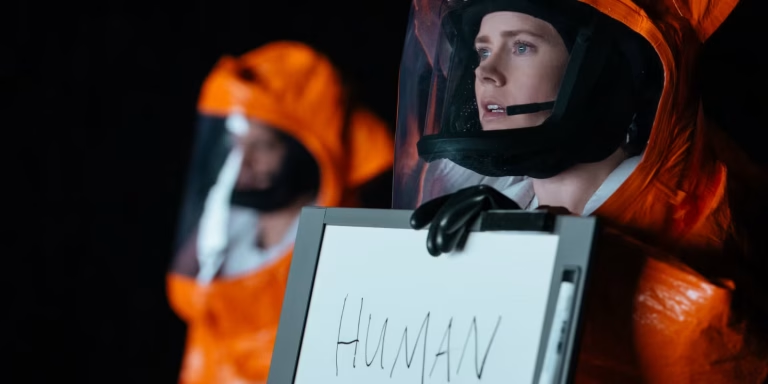
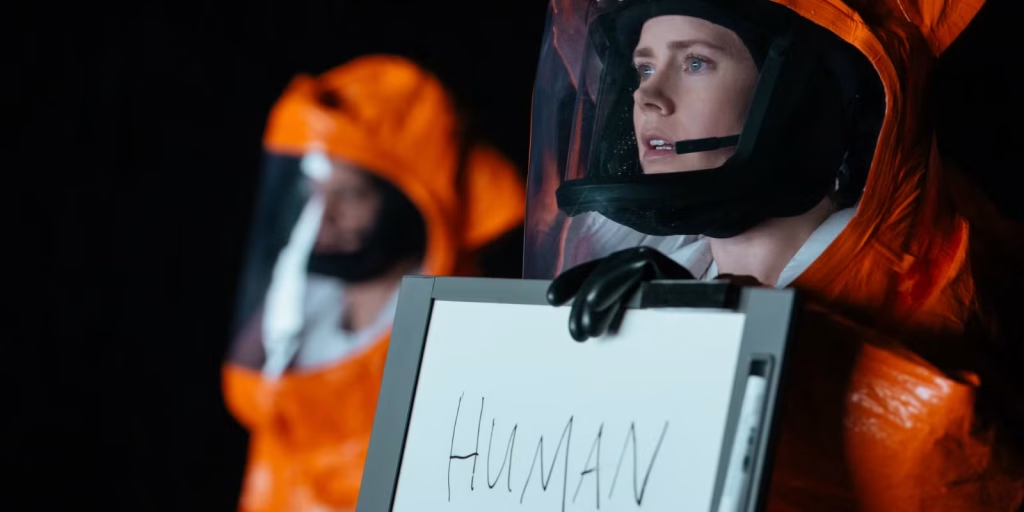
10. Amy Adams Shut Out for Arrival

Denis Villeneuve’s Arrival got eight nominations, including Best Picture and Best Director. But somehow, Amy Adams—who gave the film’s emotional core—wasn’t even nominated. It still doesn’t make sense, especially when you think about her nuanced, layered performance that drove the entire narrative. Instead, that year had Meryl Streep nominated for Florence Foster Jenkins, and people were scratching their heads.

Image Source: Bing Image. License: All Creative Commons

9. The Lego Movie Gets Left Out

“Everything is awesome”… except when the Academy doesn’t notice you. Phil Lord and Chris Miller’s clever, funny, and amazingly visual The Lego Movie was a 2014 pop culture sensation. And yet, it wasn’t even nominated for Best Animated Feature. Fans were stunned, critics were confused, and even though Big Hero 6 won the statue, the snub remains unjust.

Image Source: Bing Image. License: All Creative Commons

8. Angela Bassett & Stephanie Hsu Snubbed

Jamie Lee Curtis took home Best Supporting Actress for Everything Everywhere All at Once at the 2023 Oscars. However, a lot of people thought her co-star Stephanie Hsu, whose character was the focal point in the movie, gave the better performance. While Angela Bassett added weight and emotion to Black Panther: Wakanda Forever, she returned home without an Oscar. For some fans, this was a double disappointment that the Academy had made wrong.

Image Source: Bing Image. License: All Creative Commons

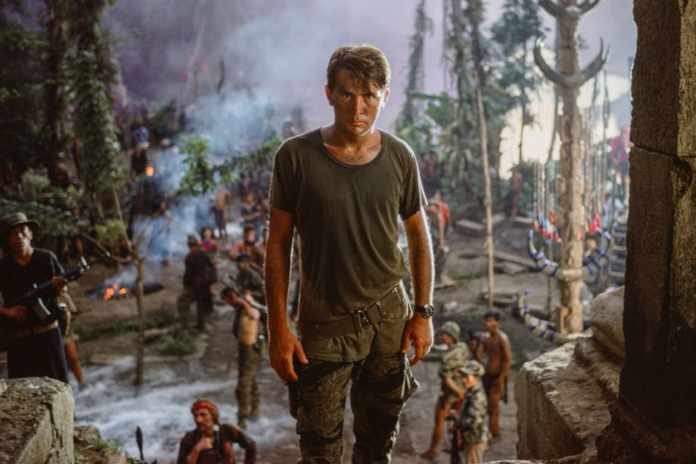
7. Apocalypse Now Loses Best Picture

Francis Ford Coppola’s Apocalypse Now has since become one of the greatest war movies ever produced. In 1980, however, the Academy chose Kramer vs. Kramer, a tender drama about divorce and child custody. Though both are solid movies, history has unequivocally anointed Apocalypse Now the more lasting classic. Coppola had to be satisfied with technical nods for cinematography and sound at the time.

Image Source: Bing Image. License: All Creative Commons

6. Do the Right Thing Ignored

In 1990, Spike Lee’s Do the Right Thing was not to be seen on the Best Picture roster. Instead, the Academy awarded Driving Miss Daisy, a conservative, feel-good film. The snub was glaring, particularly given that Lee’s movie is now regarded as a classic of American film and a scathing critique of race relations. The decision spoke volumes about what Hollywood was willing and not willing to honor at the time.

Image Source: Bing Image. License: All Creative Commons

5. Glenn Close: Forever the Bridesmaid

Glenn Close is among the greatest actresses of her generation, and also the most nominated for an Oscar without a victory (eight times). From Fatal Attraction to Dangerous Liaisons to The Wife, she’s given powerhouse performances again and again, only to see someone else take home the prize. It’s now become so routine that the joke that she’s “always a bridesmaid” isn’t humorous—it’s just heartless.

Image Source: Bing Image. License: All Creative Commons

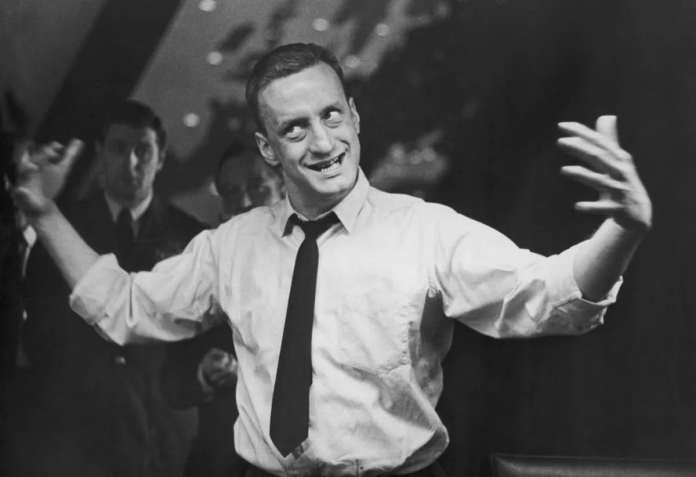
4. Stanley Kubrick Never Takes Home Best Director

Stanley Kubrick revolutionized the art of film with classics such as 2001: A Space Odyssey, Dr. Strangelove, and A Clockwork Orange. But the Academy never rewarded him with a Best Director award. His sole Oscar? Best Visual Effects for 2001. For a director whose career helped shape modern cinema, that seems like an enormous faux pas.

Image Source: Bing Image. License: All Creative Commons

3. Alfred Hitchcock Denied His Due

The “Master of Suspense” ranks among the greatest filmmakers in history. But Alfred Hitchcock never received a competitive Oscar for Best Director, even though he was nominated five times. Movies such as Psycho and Vertigo, now considered classics, were all but ignored upon release. Hitchcock did receive an honorary Oscar in later years, but the failure to give him a legitimate win is still one of the Academy’s greatest blind spots.

Image Source: Bing Image. License: All Creative Commons

2. Citizen Kane Loses Best Picture

Orson Welles’ Citizen Kane has a reputation as the greatest film of all time. Naturally, then, the Academy awarded Best Picture in 1942 to How Green Was My Valley. Welles was left with Best Original Screenplay. Although Citizen Kane has grown to be a classic in itself, the defeat is used as shorthand for one of the all-time Academy Award mistakes.

Image Source: Bing Image. License: All Creative Commons

1. Brokeback Mountain Falls to Crash

Few upsets in Oscar history have provoked as much outrage as this one. Ang Lee’s Brokeback Mountain was all but a sure thing to win Best Picture in 2006. Instead, the Academy opted for Paul Haggis’s Crash, a clumsy, heavy-handed drama now regarded as passé by critics. Losing felt like a statement—that Hollywood wasn’t yet prepared to award its highest honor to a queer love story. It remains to this day the snub that is referenced every time people mention the Academy’s most egregious errors.

Image Source: Bing Image. License: All Creative Commons

Of course, the Oscars have been snubbed, too. George C. Scott famously called the ceremony a “meat parade” and refused his award. Marlon Brando sent activist Sacheen Littlefeather to decline his statue in protest. Katharine Hepburn, despite winning four Oscars, never showed up at all. Turns out, sometimes the snubbing goes both ways.

14 Behind-the-Scenes Actor Swaps That Changed Movies

0
Image Source: Bing Image. License: All Creative Commons

Film sets are delicate environments, and even established, talented actors aren’t immune to being replaced when on-screen chemistry falters, creative differences arise, or unforeseen issues disrupt production. These behind-the-scenes shakeups can alter careers—and occasionally, the course of cinema history itself. Below are fifteen notable instances where actors were replaced mid-production, along with the stories of what unfolded afterward.

Image Source: Bing Image. License: All Creative Commons

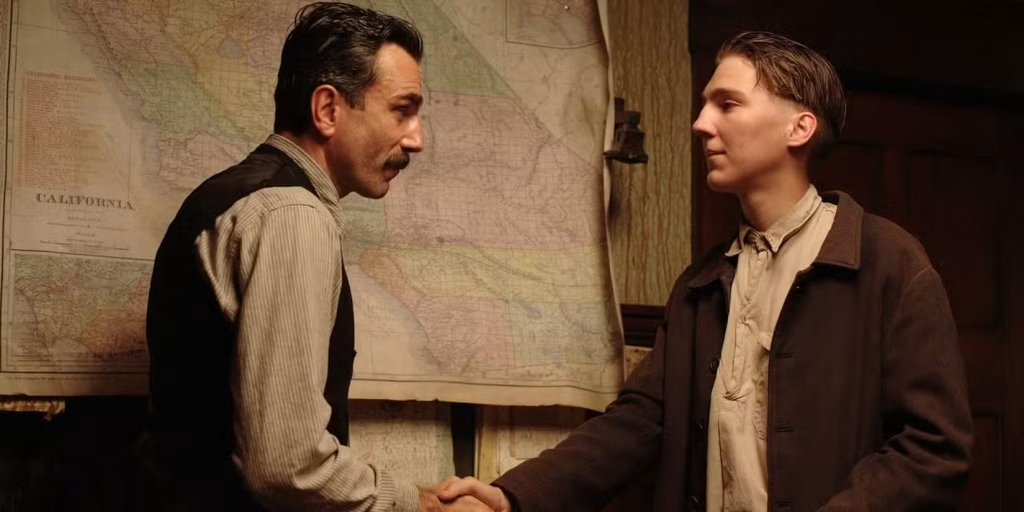
14. Kel O’Neill — There Will Be Blood

Kel O’Neill was originally cast as preacher Eli Sunday in Paul Thomas Anderson’s There Will Be Blood, opposite Daniel Day-Lewis. After several weeks of filming, however, it became clear something wasn’t clicking.

Image Source: Bing Image. License: All Creative Commons

O’Neill later said he sensed the disconnect early on. Anderson decided to replace him with Paul Dano, who was already in the film as Eli’s brother. The script was reworked so Dano played identical twins, resulting in one of the film’s most unforgettable performances. O’Neill ultimately stepped away from acting and found success directing documentaries.

Image Source: Bing Image. License: All Creative Commons

13. Colin Firth — Paddington

Colin Firth had fully recorded his dialogue as the voice of Paddington Bear, but once the animation came together, the filmmakers felt his voice sounded too grown-up for the character.

Image Source: Bing Image. License: All Creative Commons

Firth himself acknowledged the decision with grace, noting that the bear simply wasn’t meant to sound like him. Ben Whishaw was brought in to re-record the role, and his lighter tone helped turn Paddington into a modern family-film icon.

Image Source: Bing Image. License: All Creative Commons

12. James Remar — Aliens

James Remar spent nearly a month filming Aliens as Corporal Hicks before being dismissed. Officially, the explanation was “creative differences,” but Remar later admitted his firing followed a drug-related arrest during production.

Image Source: Bing Image. License: All Creative Commons

Reports also described disruptive on-set behavior, including accidentally firing a prop weapon into a neighboring soundstage. Michael Biehn stepped into the role, delivering a performance that became central to the franchise.

Image Source: Bing Image. License: All Creative Commons

11. Holly Hunter — Chicken Little

In early development, Chicken Little featured a female protagonist voiced by Holly Hunter. After recording her lines, Disney executives decided to rework the character into a boy, believing it would attract a wider audience.

Image Source: Bing Image. License: All Creative Commons

Hunter was replaced by Zach Braff, and the story was reshaped entirely. While the decision reflected industry thinking at the time, later successes of female-led animated films suggest how much perspectives have shifted.

Image Source: Bing Image. License: All Creative Commons

10. Connor Ratliff — Band of Brothers

Connor Ratliff lost his small role in Band of Brothers just one day before filming began. He was told executive producer Tom Hanks felt he had “dead eyes.”

Image Source: Bing Image. License: All Creative Commons

Years later, Ratliff transformed the experience into the podcast Dead Eyes, exploring rejection in Hollywood. Hanks eventually appeared on the show, owning the decision and offering clarity. What began as a painful dismissal became a thoughtful conversation about art and subjectivity.

Image Source: Bing Image. License: All Creative Commons

9. Dennis Hopper — The Truman Show

Dennis Hopper was originally cast as Christof, the creator of Truman’s artificial world, but struggled early on with memorization and performance consistency.

Image Source: Bing Image. License: All Creative Commons

After reviewing early footage, director Peter Weir and producer Scott Rudin decided to recast the role. Ed Harris stepped in and delivered a quietly haunting performance that earned him an Oscar nomination.

Image Source: Bing Image. License: All Creative Commons

8. Judy Garland — Valley of the Dolls

Judy Garland’s casting in Valley of the Dolls ended disastrously. Conflicts with director Mark Robson, combined with substance abuse struggles, made filming increasingly difficult.

Image Source: Bing Image. License: All Creative Commons

Accounts from co-stars describe a tense environment that worsened Garland’s condition. She was ultimately fired, replaced by Susan Hayward, and reportedly left with her costumes in protest. The episode remains one of Hollywood’s saddest behind-the-scenes stories.

Image Source: Bing Image. License: All Creative Commons

7. Eric Stoltz — Back to the Future

Eric Stoltz played Marty McFly for several weeks, but his intense, method-driven performance clashed with the film’s comedic tone.

Image Source: Bing Image. License: All Creative Commons

The filmmakers quietly continued shooting while arranging to replace him with Michael J. Fox, their original choice. Fox’s arrival reshaped the movie’s energy—and helped turn it into a timeless classic.

Image Source: Bing Image. License: All Creative Commons

6. Harvey Keitel — Apocalypse Now

Harvey Keitel was initially cast as Captain Willard but was let go shortly after production began in the Philippines. Director Francis Ford Coppola felt Keitel wasn’t connecting with the role under the harsh conditions.

Image Source: Bing Image. License: All Creative Commons

Martin Sheen took over, delivering a performance that became legendary. Though the decision was painful, it proved pivotal to the film’s final impact.

Image Source: Bing Image. License: All Creative Commons

5. Lori Petty — Demolition Man

Lori Petty was cast opposite Sylvester Stallone but exited the film after only a few days. Both sides cited creative differences, though Petty later described a personality clash between herself and Stallone.

Image Source: Bing Image. License: All Creative Commons

Sandra Bullock replaced her, launching one of the actress’s earliest breakout roles. The change became a classic example of how chemistry can redefine a movie.

Image Source: Bing Image. License: All Creative Commons

4. Jean-Claude Van Damme — Predator

Jean-Claude Van Damme was initially hired to play the Predator creature, but the role proved impractical. The restrictive suit and stilt-based design made movement nearly impossible.

Image Source: Bing Image. License: All Creative Commons

The production ultimately redesigned the alien and recast the role with Kevin Peter Hall, whose height and presence helped create one of cinema’s most iconic monsters.

Image Source: Bing Image. License: All Creative Commons

3. Lee Coleman — Friday the 13th Part VIII

Lee Coleman was cast as Sean Robertson but was dismissed after about a week. Creative concerns and an injury he sustained during off-hours complicated matters.

Image Source: Bing Image. License: All Creative Commons

Scott Reeves replaced him, and the production moved on quickly. Though minor, the recasting highlighted how unforgiving tight shooting schedules can be.

Image Source: Bing Image. License: All Creative Commons

2. The Voice Cast of The Good Dinosaur

Pixar’s The Good Dinosaur underwent a massive creative reset. Original director Bob Peterson was replaced, and much of the voice cast was let go as the story was reimagined.

Image Source: Bing Image. License: All Creative Commons

Several major roles were recast, with Frances McDormand being the lone actor to remain. The overhaul demonstrated how dramatically animated films can change, even deep into production.

Image Source: Bing Image. License: All Creative Commons

1. Samantha Morton — Her

Samantha Morton originally voiced Samantha, the AI companion in Her, and even performed scenes on set. During post-production, however, Spike Jonze realized the character needed a different emotional texture.

Image Source: Bing Image. License: All Creative Commons

Scarlett Johansson re-recorded the role, infusing it with warmth and immediacy. Though difficult, the change helped define the film’s emotional core and became one of Johansson’s most acclaimed performances.

Image Source: Bing Image. License: All Creative Commons

Being fired from a film doesn’t always reflect a lack of talent; often, it’s about timing, tone, or creative alignment. In several of these cases, the shakeups led to iconic performances and unforgettable movies. Behind every polished final cut lies a story of risk, revision, and sometimes, reinvention.

Netflix’s 10 Most Binge-Worthy Crime Dramas

0
Image Source: Bing Image. License: All Creative Commons

But let’s be real here, chancing upon a highly addictive crime series that everyone raves about and says is amazing is like getting surprise cash in your coat that hasn’t been worn in months. It’s not often that we get such surprises, but when we do, it’s a complete win! But imagine getting such surprises tenfold! Not only did these crime series win over the hearts of all and sundry, but they have also received a flawless 100% rating on Rotten Tomatoes! That’s right, no negative reviews whatsoever! Not a single episode was boring or made you crave your phone! It’s like they were all made just for you! So here’s your cue: get these series lined up and ready to devour your weekend!

Image Source: Bing Image. License: All Creative Commons

10. Rough Diamonds (2023)

If Succession ever found itself in the cutthroat world of Antwerp’s diamond trade and managed to soak up a healthy dose of brooding Belgian angst, the show would likely be very similar to this series, which is called Rough Diamonds. It’s the story of Noah Wolfson, who returns to his close-knit community after the sudden death of his brother, only to find himself drawn into the ruthless business of the diamond trade and the complex web of power struggles within his own family. It’s a drama that’s full of emotion, tension, and sharp storytelling—thoughtful, gripping, and smooth to perfection.

Image Source: Bing Image. License: All Creative Commons

9. House of Ninjas (2024)

Forget the old legends and dusty history books—these ninjas are alive and well and living in the present day in Tokyo. The Tawara family, once a feared group of elite assassins, is forced out of the shadows due to a global crisis that drops on their doorstep along with their fair share of personal baggage. The series has its fair share of stylish action and heartwarming family drama, and the cast is led by Kento Kaku, who does the job as well in the dramatic arena as in the action arena.

Image Source: Bing Image. License: All Creative Commons

8. The Snow Girl (2023 – Present)

A missing child case might sound familiar, but The Snow Girl takes a deeper, more emotional path. Based on Javier Castillo’s bestseller, it follows journalist Miren Rojo investigating a young girl’s disappearance during a parade in Málaga. Milena Smit’s performance is as gripping as the mystery itself, and season two is already on the way.

Image Source: Bing Image. License: All Creative Commons

7. The Asunta Case (2024)

This dramatization of the actual disappearance of 12-year-old Asunta Basterra in Spain doesn’t pull its punches. It’s a mix of tense courtroom drama and tear-jerking family secrets. Candela Peña and Tristán Ulloa give such true-to-life performances that you may find yourself forgetting that you’re watching a scripted series.

Image Source: Bing Image. License: All Creative Commons

6. Dear Child (2023)

Psychological thrillers don’t come much more unsettling than this. A woman is released from captivity, but her liberation triggers the reopening of a 13-year-old missing persons investigation. Adapted from Romy Hausmann’s novel, Dear Child has you on the edge of your seat until the very last reveal, with Kim Riedle and young Naila Schuberth every inch the stars.

Image Source: Bing Image. License: All Creative Commons

5. My Name (2021)

Revenge has never been so chic. Han So-hee plays a woman who goes undercover in the police department to track down the murderer of her father, toeing the line between criminal and law. Prepare for thrilling fight choreography, tear-inducing emotional punches, and a reminder of why K-dramas are global phenomena.

Image Source: Bing Image. License: All Creative Commons

4. The Innocent (2021)

Harlan Coben adaptations are almost a Netflix staple, but The Innocent raises the bar. Mario Casas stars as Mateo, a guy whose life is turned upside down by one act of violence—and the secrets that continue to come back to haunt him. It’s twisty, visceral, and richly human in all the right ways.

Image Source: Bing Image. License: All Creative Commons

3. Dark Winds (2022 – Present)

The Dark Winds is set on the expansive and bare 1970s Navajo Nation and tells the story of two police officers solving a double murder case. A series that combines the elements of mystery, western, and cultural heritage creates an extraordinary new substance, and Zahn McClarnon and Kiowa Gordon give brilliant acting to such a production.

Image Source: Bing Image. License: All Creative Commons

2. The Chestnut Man (2021)

Danish noir at its darkest. When police discover a tiny chestnut figurine at the site of a horrific crime, they stumble upon a case that has been buried for decades but won’t remain there. Dark atmosphere, razor-sharp twists, and the snowy Copenhagen setting are just right for fans of atmospheric, layered mysteries.

Image Source: Bing Image. License: All Creative Commons

1. Giri/Haji (2019)

It is a flashy and engaging British-Japanese crime drama that combines the best of both worlds. Detective Kenzo Mori, who goes to London to trace his missing brother, ends up dealing with the yakuza. The show manages to blend the three elements – action, emotion, and moral complexity – as perfectly as few can, largely due to the stellar performances of Takehiro Hira and Kelly Macdonald.

Image Source: Bing Image. License: All Creative Commons

Ten crime dramas. Ten perfection scores. If you’re a fan of dark psychological mysteries, hard-boiled global thrill rides, or detective fiction with an unexpected twist, every one of these choices is a guaranteed safe bet. Binge them together, and you may never go to sleep again.

10 Horror Films That Examine the Depths of Emotional Wounds

0
Image Source: Bing Image. License: All Creative Commons

Horror has never been just about bloody kills or cheap jump scares. Lately, however, the genre has gone deeper, peeling back layers of loss, suffering, and the hidden wounds people carry. These films don’t merely aim to frighten—they burrow under your skin and linger long after the credits roll. If recent horror has felt more intimate, emotional, and profoundly haunting, you’re not imagining it. Here’s a reverse countdown of 10 terrifying horror movies that put trauma and emotional scars front and center.

Image Source: Bing Image. License: All Creative Commons

10. Martyrs (2008)

Pascal Laugier’s French cult horror classic is notorious for its unapologetic violence, but under the intense imagery is a harrowing reflection on pain, survival, and the search for meaning in agony. Tracing Lucie and Anna, two childhood victims turned avengers, the movie takes audiences through physical and mental agony. It’s savage, unflinching, and impossible to forget, making Martyrs one of horror’s most ambitious trajectories of trauma.

Image Source: Bing Image. License: All Creative Commons

9. Titane (2021)

Julia Ducournau’s Cannes-winning fever dream combines body horror with identity, transformation, and trauma in horrifying ways. Having narrowly survived a childhood car accident, Alexia carries with her both physical blemishes and profound emotional scars. What ensues is an awkward, disturbing quest for rebirth that tests notions of love, acceptance, and self. Equally grotesque and surprisingly tender, Titane is a singular tale that persists in your head long after the credits roll.

Image Source: Bing Image. License: All Creative Commons

8. The Babadook (2014)

Jennifer Kent’s breakthrough film is not merely a monster movie, ie, it’s a raw allegory for mourning. Amelia, a grieving mother, is consumed by a malevolent presence from an eerie children’s book. But the “Babadook” is actually grief itself, insidious when disregarded and more powerful the longer it’s repressed. Supported by Essie Davis’s phenomenal performance, this movie subverted the metaphor of living with trauma into one of contemporary horror’s most lasting images.

Image Source: Bing Image. License: All Creative Commons

7. Under the Shadow (2016)

Set in Tehran during the Iran-Iraq War, Babak Anvari’s Under the Shadow fuses the horrors of conflict with the supernatural. Shideh, a mother struggling to protect her daughter during air raids, discovers a djinn feeding on her fears. The confined apartment setting, combined with political tension and supernatural dread, makes the story deeply unsettling. It’s a slow-burning horror that hits on multiple levels: personal, cultural, and psychological.

Image Source: Bing Image. License: All Creative Commons

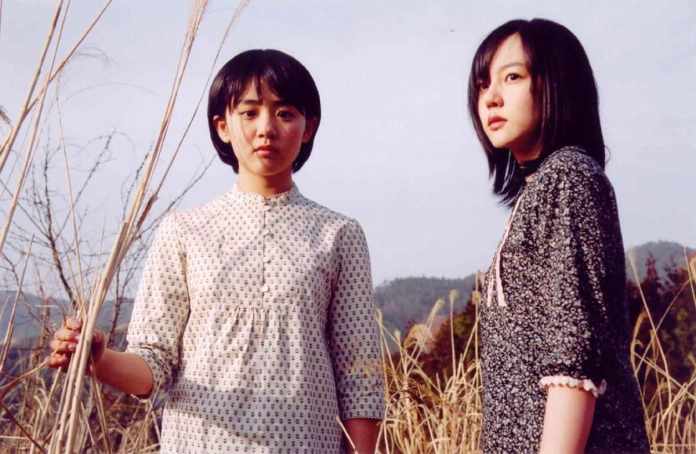
6. A Tale of Two Sisters (2003)

This South Korean gothic horror, directed by Kim Jee-woon, examines grief, shame, and broken memory via a spooky ghost story. Su-mi comes home from a psychiatric hospital following a family tragedy, only to encounter strange visions and dark apparitions within her own home. With its dreamlike texture, horrific plot turns, and affective character study, A Tale of Two Sisters is as much a visual spectacle as it is a haunting portrait of trauma.

Image Source: Bing Image. License: All Creative Commons

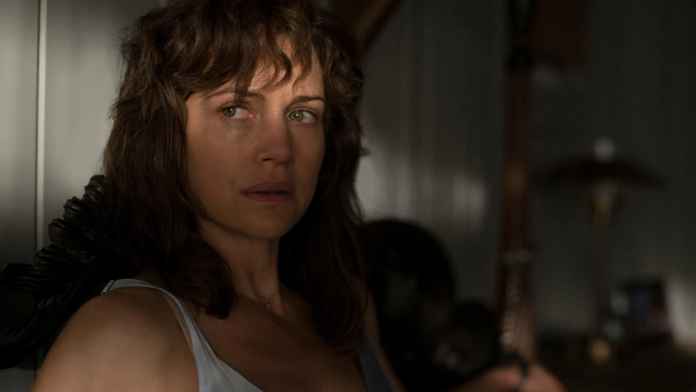
5. Hereditary (2018)

Ari Aster’s first feature is one of the most unnerving family dramas ever committed to film. In the aftermath of the death of their grandmother, the Graham family descends into madness as suppressed trauma and paranormal forces combine. It’s not so much the occult horror in Hereditary that makes it so horrifying—rather, the crushing burden of loss and dysfunction. Toni Collette’s performance, particularly her depiction of maternal suffering, has become symbolic in contemporary horror.

Image Source: Bing Image. License: All Creative Commons

4. Gerald’s Game (2017)

Mike Flanagan brings Stephen King’s novel to life as a tense chamber drama of survival and remembrance. When a bondage game turns gruesomely awry, Jessie is handcuffed to a bed alongside her deceased husband. While trying to free herself, she’s compelled to deal with submerged recollections of abuse and trauma. Claustrophobic and grim, Gerald’s Game is an unflinching examination of how words left unspoken can define, and almost destroy, a life.

Image Source: Bing Image. License: All Creative Commons

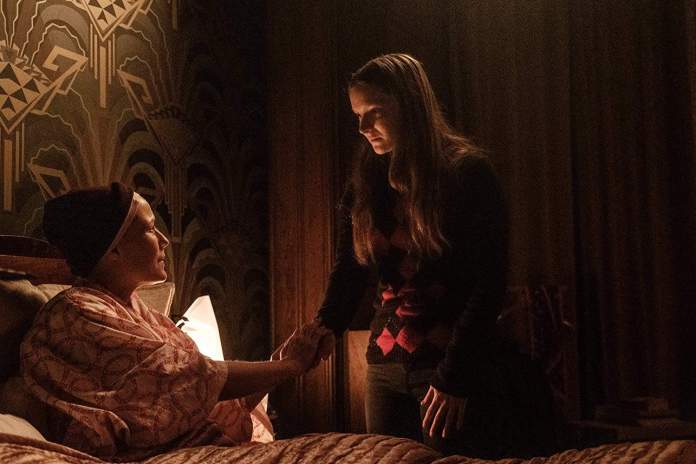
3. Saint Maud (2019)

Rose Glass’s feature debut combines psychological horror with religious fanaticism. Maud is a lonely nurse with a troubled history who becomes obsessed with saving the soul of her patient. What starts as piety spirals into madness and obsession, with trauma propelling her further down. Saint Maud is unsettling in its reserve, and its conclusion is shocking and heartbreakingly devastating. It’s a study in loneliness, in faith, and in a desperate need for significance in pain.

Image Source: Bing Image. License: All Creative Commons

2. It Follows (2014)

David Robert Mitchell’s independent horror turns trauma into a literal curse. Jay is stalked by a figure that never ceases moving towards her. Invisible to everyone else, its presence is relentless—a metaphor for how trauma haunts survivors wherever they move. The unnerving synth score, dreamlike imagery, and building terror make It Follows one of the most distinct contemporary horrors.

Image Source: Bing Image. License: All Creative Commons

1. Carrie (1976)

The pioneering queen of trauma horror, Brian De Palma’s Carrie, continues to endure. Sissy Spacek’s portrayal of the timid, battered teenager driven to the brink of madness is heart-wrenching yet frightening. Her telekinetic abilities are the ultimate manifestations of pent-up rage and humiliation and culminate in one of the most memorable finales of cinematic history. Even decades after its release, Carrie remains a potent reminder of how cruelty and abuse can unleash unfathomable consequences.

Image Source: Bing Image. License: All Creative Commons

They show that the most frightening monsters don’t have to be supernatural. Trauma itself, pain, loss, grief, and abuse, can be much more horrifying than any demon or ghost. Whether dressed up in metaphor or stripped bare in unvarnished storytelling, every one of these films makes us see the wounds we live with. Just don’t think you’re going to sleep soundly afterward.

9 Prime Video Sci-Fi Movies That Deserve a Spot on Your Watchlist

0
Image Source: Bing Image. License: All Creative Commons

If you want to question the very nature of reality, explore distant planets, or experience an alien invasion at just the right moment, Amazon Prime Video is the place to satisfy your sci-fi cravings. With so many options, though, deciding what to watch next can be overwhelming. The good news? We’ve done the hard work for you. Here’s a reverse-ordered list of the 9 best sci-fi movies currently streaming on Prime, so the surprises build as you go from least to greatest.

Image Source: Bing Image. License: All Creative Commons

9. The Vast of Night

Return with us to the creepy quiet of 1950s New Mexico with this off-the-radar indie suspense thriller. Two restless teenagers happen across an odd radio broadcast that could be from. Somewhere not on this planet. With a fabulous period style and clear affection for The Twilight Zone, this slow-burning mystery lures you in with its retro atmosphere and intense dialogue, all built on a lean budget.

Image Source: Bing Image. License: All Creative Commons

8. A Quiet Place: Day One

Ever wonder how it all started in the Quiet Place universe? This harrowing prequel whisks you directly to the first chilling day of invasion, right in the middle of New York City. Lupita Nyong’o and Joseph Quinn bring the movie honest emotional heft as two unknowns struggling to stay alive amidst the terror. There’s tension, there’s silence, and yes, you’ll jump more than once—but it’s also surprisingly sentimental.

Image Source: Bing Image. License: All Creative Commons

7. Poor Things

A strange and quirky journey, Poor Things features Emma Stone as Bella Baxter, who is resurrected with the brain of her unborn child. It sounds crazy—and it is—but Stone’s brazen, hilarious, and strangely empowering turn makes it unforgettable. With its dreamlike imagery and unsettling humor, this one’s a crazy diversion from standard sci-fi, but well worth the ride.

Image Source: Bing Image. License: All Creative Commons

6. Her

Spike Jonze’s sci-fi romance movie feels more credible than ever in our current technology-driven era. Joaquin Phoenix stars as a solitary writer who becomes romantically involved with his AI assistant (voiced with poignant brilliance by Scarlett Johansson). Additionally, it is weirdly beautiful, witheringly poignant, and hauntingly timely—a gentle cautionary tale about the fascination that technology holds and the isolation it can conceal.

Image Source: Bing Image. License: All Creative Commons

5. Gattaca

A 1997 classic that becomes more timely each year, Gattaca is a vision of a future where your genes control everything—your job, your lovers, your value. Ethan Hawke stars as a man who was born “natural” and aspires to become an astronaut. Sleek and contemplative, it’s a haunting exploration of genetic disparity, identity, and what it takes to go against the grain.

Image Source: Bing Image. License: All Creative Commons

4. The Endless

If you prefer your sci-fi more on the creepy and existential side of things, The Endless is the film for you. Two brothers go back to the UFO cult they fled all those years ago and find themselves facing time, space, and reality collapsing in upon themselves. It’s a mind-bending, low-budget gem that delves into cosmic horror, trauma, and free will—all without revealing the truth until the final moment.

Image Source: Bing Image. License: All Creative Commons

3. Donnie Darko

This cult favorite is difficult to put into words, but impossible to erase from your mind. A moody Jake Gyllenhaal, a sinister bunny called Frank, and an impending feeling of doom meet in this surreal, time-bending brain-twister. It’s about destiny, alternate realities, and suburban fear. And yes, that “Mad World” cover still gets to you.

Image Source: Bing Image. License: All Creative Commons

2. Coherence

What begins as a relaxing dinner party becomes a reality-bending nightmare when a comet flies overhead. In a flash, the guests are coping with duplicate copies of themselves, and nobody can say what’s real and what isn’t anymore. Shot on a shoestring budget and improvised, Coherence is snappy, unsettling, and full of twists you won’t anticipate. It’s puzzle-box suspense that will command your full concentration.

Image Source: Bing Image. License: All Creative Commons

1. 10 Cloverfield Lane

Number one is this gripping psychological thriller with sci-fi snap. Mary Elizabeth Winstead awakens in a subterranean bunker, where John Goodman’s creepy Howard claims the outside world is no longer habitable. What transpires is a master class in tension—claustrophobic, volatile, and supported by powerhouse acting. And when the truth is finally revealed? Let’s just say, buckle up.

Image Source: Bing Image. License: All Creative Commons

Liftoff ready?

Whether you’re after metaphysical mysteries, spooky cult atmospherics, or heart-pumping suspense, these nine sci-fi movies on Prime Video are worth watching. Just perhaps leave a light on—you never know when reality will change.

15 Debut Films That Left a Lasting Mark on the Industry

0
Image Source: Bing Image. License: All Creative Commons

A debut film is always a leap of faith, but for some directors, that first step does more than introduce a fresh voice—it shakes the very foundations of cinema. These filmmakers arrived with daring visions, limited resources, and a compelling urgency to tell their stories. The fifteen directorial debuts highlighted here didn’t just launch careers; they transformed audience expectations and redefined what studios thought was possible on screen.

Image Source: Bing Image. License: All Creative Commons

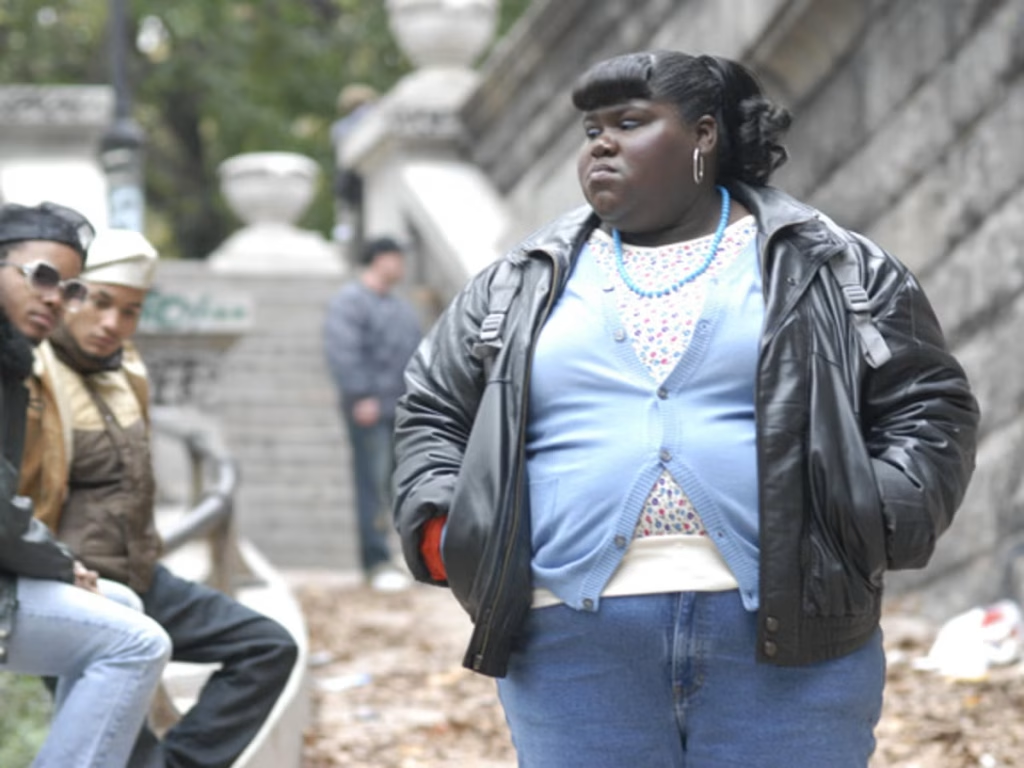
15. Lee Daniels — Precious

Lee Daniels announced himself with Precious, a fearless and emotionally bruising portrait of survival in modern Harlem. Drawing on his background as a producer, Daniels leaned into performance over polish, giving the film an immediacy that’s impossible to ignore.

Image Source: Bing Image. License: All Creative Commons

Powered by a breakout turn from Gabourey Sidibe and a devastating, Oscar-winning performance by Mo’Nique, the film confronted abuse, poverty, and self-worth without softening its edges. Its impact rippled beyond awards recognition, helping expand space in mainstream cinema for stories centered on marginalized voices.

Image Source: Bing Image. License: All Creative Commons

14. Steve McQueen — 12 Years a Slave

Steve McQueen’s transition from visual artist to filmmaker arrived with astonishing authority. 12 Years a Slave rejected sentimentality in favor of restraint, letting long takes and silence communicate the brutality of American slavery.

Image Source: Bing Image. License: All Creative Commons

Despite modest resources for a period epic, McQueen extracted staggering performances and crafted imagery that lingered long after the credits rolled. The film’s Best Picture win confirmed that confronting history head-on could resonate deeply with audiences worldwide.

Image Source: Bing Image. License: All Creative Commons

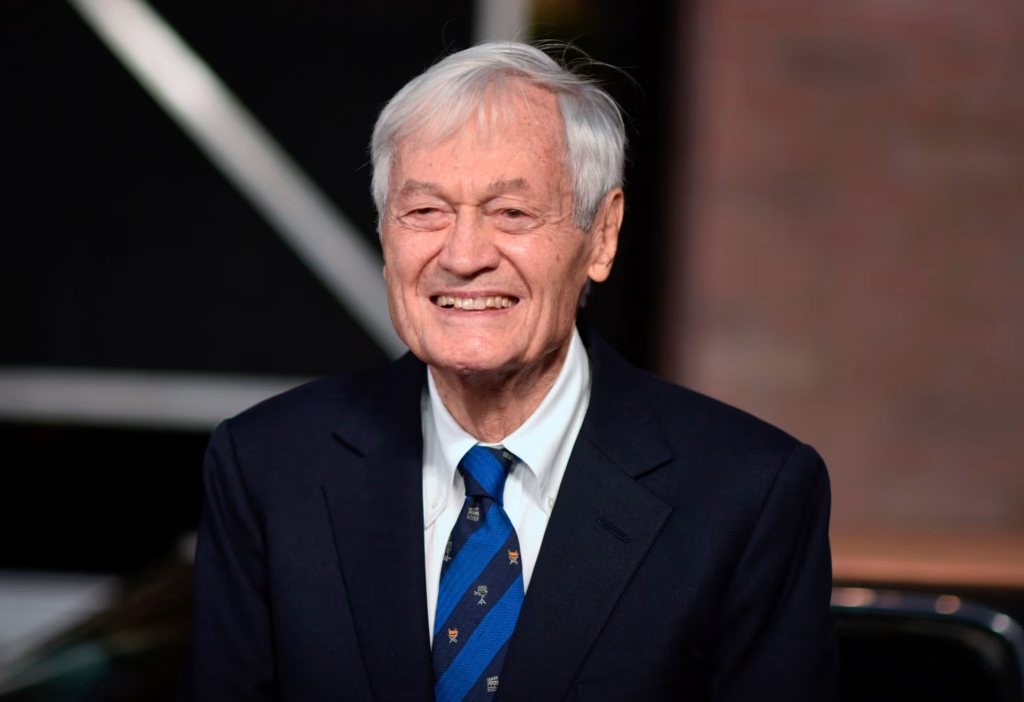
13. Roger Corman — Monster from the Ocean Floor

Roger Corman began exactly where he would continue: working fast, cheaply, and creatively. His debut creature feature may have been modest, but it showcased his uncanny ability to stretch resources to their limit.

Image Source: Bing Image. License: All Creative Commons

More importantly, it launched a career dedicated to nurturing new talent. Corman became an unofficial film school, proving that discipline, efficiency, and imagination could build an empire without studio excess.

Image Source: Bing Image. License: All Creative Commons

12. Julie Dash — Daughters of the Dust

Julie Dash’s debut was unlike anything American cinema had seen. Daughters of the Dust unfolded as a visual poem, chronicling the lives and traditions of the Gullah Geechee community with reverence and grace.

Image Source: Bing Image. License: All Creative Commons

Shot independently and structured non-traditionally, the film challenged narrative norms and aesthetic expectations. Its influence has only grown over time, shaping the visual language of contemporary Black filmmakers and artists.

Image Source: Bing Image. License: All Creative Commons

11. James Wan — Saw

James Wan turned constraint into an advantage. Shot quickly and cheaply, Saw relied on tension, pacing, and structure rather than spectacle. Its unsettling premise and sharp twist electrified audiences.

Image Source: Bing Image. License: All Creative Commons

The film’s massive success redefined modern horror economics and launched a franchise juggernaut. Wan’s debut proved that clever design and strong storytelling can outperform big budgets every time.

Image Source: Bing Image. License: All Creative Commons

10. Darren Aronofsky — Pi

Pi arrived like a fever dream. Darren Aronofsky’s stark, black-and-white debut plunged viewers into obsession, paranoia, and mathematical mysticism, all crafted on a shoestring budget.

Image Source: Bing Image. License: All Creative Commons

The film’s experimental visuals and relentless intensity announced Aronofsky as a director unafraid of discomfort or ambiguity. It set the tone for a career built on emotional extremity and formal risk.

Image Source: Bing Image. License: All Creative Commons

9. Richard Linklater — Slacker

Richard Linklater’s Slacker had no conventional plot, and that was the point. Meandering through conversations and chance encounters, the film captured a generation’s drifting anxieties with disarming honesty.

Image Source: Bing Image. License: All Creative Commons

Its loose structure and low-budget ethos helped define 1990s indie cinema. Linklater proved that observation could be just as compelling as action.

Image Source: Bing Image. License: All Creative Commons

8. Robert Rodríguez — El Mariachi

Few debut stories are as legendary as El Mariachi. Shot for the cost of a used car, Robert Rodriguez’s action film showcased relentless ingenuity, from creative camera tricks to guerrilla locations.

Image Source: Bing Image. License: All Creative Commons

The film’s success shattered assumptions about what independent filmmakers could achieve. Rodriguez didn’t wait for permission; he made his own door and kicked it open.

Image Source: Bing Image. License: All Creative Commons

7. Kevin Smith — Clerks

Kevin Smith’s Clerks felt like eavesdropping on real life. Filmed after hours in a convenience store, the movie thrived on sharp dialogue, awkward silences, and deeply relatable frustrations.

Image Source: Bing Image. License: All Creative Commons

Its Sundance success transformed Smith into an indie icon and proved that voice mattered more than gloss. Sometimes, all you need is something honest to say.

Image Source: Bing Image. License: All Creative Commons

6. The Coen Brothers — Blood Simple

With Blood Simple, the Coen brothers arrived fully formed. Their debut blended noir, dark comedy, and meticulous visual storytelling into something both familiar and strange.

Image Source: Bing Image. License: All Creative Commons

The film’s precision and tonal confidence signaled the arrival of two filmmakers obsessed with structure and subversion. Their fingerprints would soon be everywhere.

Image Source: Bing Image. License: All Creative Commons

5. Jordan Peele — Get Out

Jordan Peele’s pivot from comedy to horror caught many off guard, but Get Out landed like a thunderclap. Using genre as a Trojan horse, Peele dissected race, privilege, and performance in America.

Image Source: Bing Image. License: All Creative Commons

The film’s cultural impact extended far beyond box office success, reshaping expectations for socially conscious genre cinema. Peele’s debut didn’t just scare, it challenged.

Image Source: Bing Image. License: All Creative Commons

4. John Singleton — Boyz n the Hood

John Singleton was barely out of college when he made Boyz n the Hood, yet the film carried the weight of lived experience. His depiction of South Central Los Angeles balanced violence with tenderness and hope.

Image Source: Bing Image. License: All Creative Commons

Singleton’s historic Oscar nomination marked a turning point, proving that authenticity could thrive in mainstream cinema without compromise.

Image Source: Bing Image. License: All Creative Commons

3. Ava DuVernay — Selma

Ava DuVernay brought urgency and humanity to Selma, focusing not just on history but on the people living it. Her direction emphasized emotion, struggle, and moral courage.

Image Source: Bing Image. License: All Creative Commons

The film affirmed DuVernay as a powerful voice in American cinema and opened doors for future filmmakers to blend activism with artistry.

Image Source: Bing Image. License: All Creative Commons

2. Spike Lee — She’s Gotta Have It

Spike Lee burst onto the scene with swagger, humor, and defiance. She’s Gotta Have It was raw, stylish, and unapologetically Black, reshaping how stories about urban life were told.

Image Source: Bing Image. License: All Creative Commons

Lee’s debut wasn’t just a calling card; it was a declaration of independence from cinematic convention.

Image Source: Bing Image. License: All Creative Commons

1. Orson Welles — Citizen Kane

Few debuts come close to Citizen Kane. At 25, Orson Welles rewrote the grammar of cinema, experimenting with structure, perspective, and visual depth in ways that still feel modern.

Image Source: Bing Image. License: All Creative Commons

The film’s innovations reshaped storytelling itself. Decades later, it remains a benchmark for ambition and artistic fearlessness.

Image Source: Bing Image. License: All Creative Commons

These debut films remind us that revolution often starts small—with a first idea, a borrowed camera, or a story that refuses to stay quiet. Whether made for thousands or millions, each of these works reshaped cinema by daring to be different from the very beginning.

10 Inspiring Trans Stars Who Are Changing the Industry

0
Image Source: Bing Image. License: All Creative Commons

In recent years, trans representation in Hollywood has made remarkable strides, though the journey hasn’t been easy. For decades, trans characters were either absent or reduced to harmful stereotypes, often reinforcing misconceptions rather than telling authentic stories. Today, trans actors, directors, and writers are taking the spotlight, reshaping stardom and expanding the narratives we see on screen. These ten trans actors—mixing fresh faces with familiar names—are leading the way and are essential to watch if you’re following Hollywood’s evolving landscape.

Image Source: Bing Image. License: All Creative Commons

10. Scott Turner Schofield

Scott Turner Schofield shattered glass when he became the first openly trans male actor to appear on a daytime soap, as Nick on The Bold and the Beautiful. He proceeded to earn a historic Emmy nomination, demonstrating his impact was not merely symbolic. In addition to acting work, Schofield is also a vocal educator and champion of authentic trans storytelling. Out Magazine once referred to him as a “Hollywood trans influencer”—and they weren’t wrong.

Image Source: Bing Image. License: All Creative Commons

9. Elliot Fletcher

If you’ve watched Shameless, The Fosters, or Faking It, you’ve seen Elliot Fletcher bring grounded, multidimensional trans characters to life. What makes Fletcher’s work special is that his roles aren’t defined solely by gender—they’re people first. He also appeared in the documentary “Disclosure,” where he reflected on the challenges of trans portrayals in the media.

Image Source: Bing Image. License: All Creative Commons

8. Angelica Ross

Angelica Ross isn’t just an actress—she’s a whirlwind. She shattered hearts playing Candy on Pose and made history as the first trans actress with series-regular roles on multiple seasons of American Horror Story. Offstage, Ross founded TransTech Social Enterprises, a social enterprise that offers job access to trans people in tech. Her balance of activism and art makes her Hollywood’s most essential voice.

Image Source: Bing Image. License: All Creative Commons

7. Indya Moore

Indya Moore exploded onto television as Angel Evangelista on Pose, and their career has never slowed. So named by Time as a person of the world’s most influential people, Moore has also branched out into production and fashion, starting their own media production company to aid marginalized creatives. Their celebrity appeal appears to have no limits—Moore is not just acting, but remaking Hollywood itself.

Image Source: Bing Image. License: All Creative Commons

6. Dominique Jackson

Before Dominique Jackson played Elektra Abundance on Pose, she was already a legend of the ballroom scene. Playing Elektra, she delivered TV’s most memorable performance: unflinching, unapologetic, and richly detailed. Offscreen, Jackson has thrived as a model, walking for big designers and gracing the cover of Vogue España. She is an unapologetic trans excellence.

Image Source: Bing Image. License: All Creative Commons

5. Hunter Schafer

Hunter Schafer’s first major acting gig—Jules Vaughn on HBO’s Euphoria—launched her to stardom. Schafer’s performance struck a chord with teenagers worldwide, providing a trans teen character rarely seen in a way that was joyful, multifaceted, and authentic. She had been an activist against anti-trans bills before acting, and she now juggles her emerging acting career with a thriving modeling career with clients like Prada and Gucci.

Image Source: Bing Image. License: All Creative Commons

4. MJ Rodriguez

MJ Rodriguez was made a household name playing the role of Blanca in Pose, where she gave a performance that earned her great criticism—and history. In 2022, she was the first trans actress to win a Golden Globe, making her an icon and trailblazer. Rodriguez has since continued to work on projects such as Tick, Tick… Boom! and continues to open doors for trans actors in leading roles.

Image Source: Bing Image. License: All Creative Commons

3. Laverne Cox

Laverne Cox revolutionized TV with her portrayal of Sophia in Orange Is the New Black. Being nominated for an Emmy made her the first openly trans actor ever recognized in that category, and her subsequent career has been just as pioneering. Not only a producer, activist, and speaker, Cox has utilized her visibility to advocate for trans rights across the globe. She’s not only a Hollywood legend—she’s a cultural landmark.

Image Source: Bing Image. License: All Creative Commons

2. Lana and Lilly Wachowski

The Wachowski sisters, who have been the creators of The Matrix, Cloud Atlas, and Sense8, are the two most influential trans figures in the entertainment world. Initially, after making their first film, The Matrix, they became noted for embedding themes of identity, change, and freedom in their movies, and their work began to attract deep cultural attention. Lana publicly came out in 2010, followed by Lilly in 2016, and both of them together have opened the way for the trans community to become storytellers in any part of the world.

Image Source: Bing Image. License: All Creative Commons

1. Elliot Page

Elliot Page is one of the most famous trans actors in the world. Page has been a part of Hollywood for a very long time, with successful careers in Juno, X-Men, and Netflix’s The Umbrella Academy. However. However, his coming out in 2020 marked a turning point in the visibility of the trans community. His truthfulness, communicativeness, and fight for the cause have not only made him a superstar in Hollywood but also a beacon for trans youth everywhere.

Image Source: Bing Image. License: All Creative Commons

Moreover, these actors are more than just the stars—they are the pioneers of culture. Thanks to their on-screen glory, many stereotypes crumbled, and a door for representation and a new generation of trans talent was opened. Although several challenges remain—indeed, the number of trans characters on television has dropped over the past decade or so—these people are committed to standing firm on the fact that Hollywood needs not only trans voices for today but also for the future of storytelling.

15 Visual Effects Milestones That Transformed Fantasy and Historical Cinema

0
Image Source: Bing Image. License: All Creative Commons

From hand-crafted monsters to state-of-the-art digital realms, special effects have always been cinema’s secret ingredient. Long before CGI dominated the screen, filmmakers relied on ingenuity, hard work, and sheer creativity to make the impossible believable. This list highlights fifteen landmark films that not only wowed audiences but also transformed the art of moviemaking, leaving a lasting impact on fantasy, sci-fi, and spectacle-driven storytelling.

Image Source: Bing Image. License: All Creative Commons

15. Mad Max: Fury Road (2015)

Mad Max: Fury Road feels less like a movie and more like a controlled explosion. George Miller returned to his wasteland with a singular mission: put as much chaos on screen as physically possible. Real vehicles crashed, flipped, and collided at full speed, while performers swung between them on massive poles. Yes, that flamethrower guitar was real, and yes, it was glorious.

Image Source: Bing Image. License: All Creative Commons

What elevates the film is how subtly digital effects are used. CGI enhances skies, environments, and motion rather than replacing them, giving the film its hyper-stylized, almost mythic look. Miller even adjusted frame rates and backgrounds shot-by-shot to guide the viewer’s eye. The result is a relentless visual symphony that proves practical effects were far from obsolete.

Image Source: Bing Image. License: All Creative Commons

14. Avatar (2009)

James Cameron didn’t just make a hit with Avatar; he built an entire ecosystem. Pandora felt alive in a way audiences had never experienced, so much so that some viewers famously struggled to return to reality after leaving the theater.

Image Source: Bing Image. License: All Creative Commons

The film’s biggest leap was emotional motion capture on an unprecedented scale. Instead of one digital character stealing the show, Cameron filled his world with expressive, fully realized beings. The technology allowed subtle performances to shine through layers of CGI skin, forever changing expectations for digital characters. Nearly every modern effects-heavy blockbuster owes something to Avatar’s blueprint.

Image Source: Bing Image. License: All Creative Commons

13. The Curious Case of Benjamin Button (2008)

David Fincher’s Benjamin Button didn’t shout about its technical achievements, and that’s exactly why they worked. The film required Brad Pitt to convincingly age backward over decades, a task no amount of makeup alone could handle.

Image Source: Bing Image. License: All Creative Commons

Through a seamless blend of digital face replacement, subtle CGI adjustments, and practical techniques, the transformation unfolds naturally. Nothing feels flashy or artificial. This understated approach became the foundation for today’s de-aging technology, proving that visual effects don’t need to be loud to be revolutionary.

Image Source: Bing Image. License: All Creative Commons

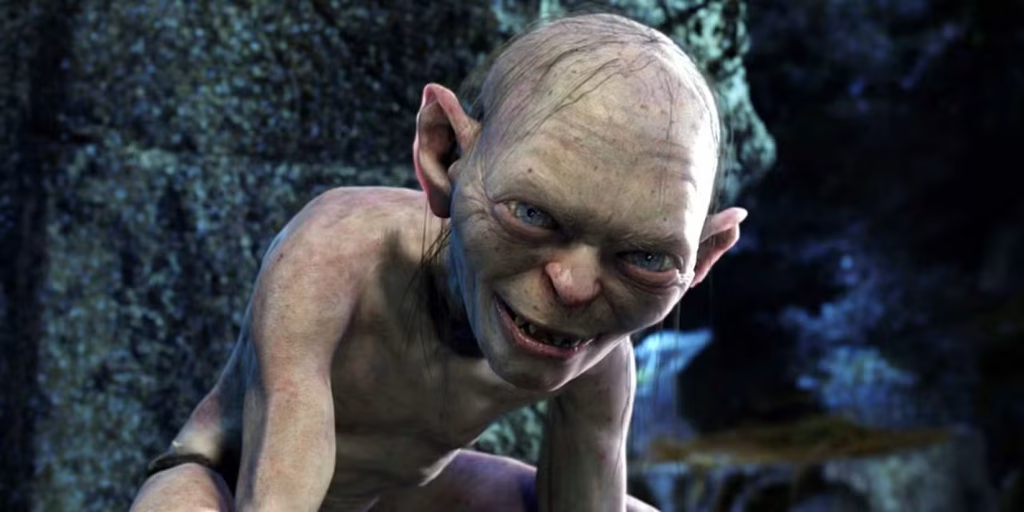
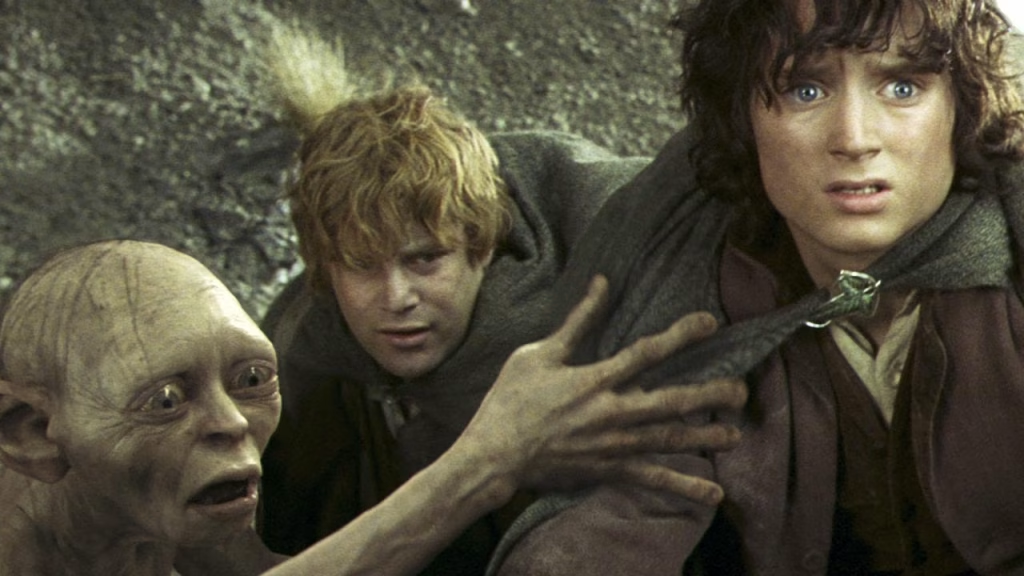
12. The Lord of the Rings: The Two Towers (2002)

Middle-earth truly found its digital soul with Gollum. Andy Serkis’ motion-capture performance brought depth, vulnerability, and menace to a fully CGI character in a way audiences had never seen before. He wasn’t just a visual effect; he was a tragic presence.

Image Source: Bing Image. License: All Creative Commons

Beyond Gollum, the Battle of Helm’s Deep redefined large-scale warfare on screen. Weta Digital’s crowd simulation software allowed thousands of fighters to move independently, creating chaos that felt authentic. The Two Towers showed how technology could serve emotion, scale, and storytelling all at once.

Image Source: Bing Image. License: All Creative Commons

11. The Matrix (1999)

Few films have left fingerprints on pop culture like The Matrix. Its most famous innovation, “bullet time,” froze action mid-movement while the camera seemed to glide impossibly around it. Achieved through precise still photography and virtual camera mapping, the effect instantly became iconic.

Image Source: Bing Image. License: All Creative Commons

The Wachowskis also used color grading as storytelling, bathing the simulated world in sickly greens to subtly reinforce the idea of artificial reality. The Matrix didn’t just introduce new tricks; it changed how filmmakers thought about visuals as philosophy.

Image Source: Bing Image. License: All Creative Commons

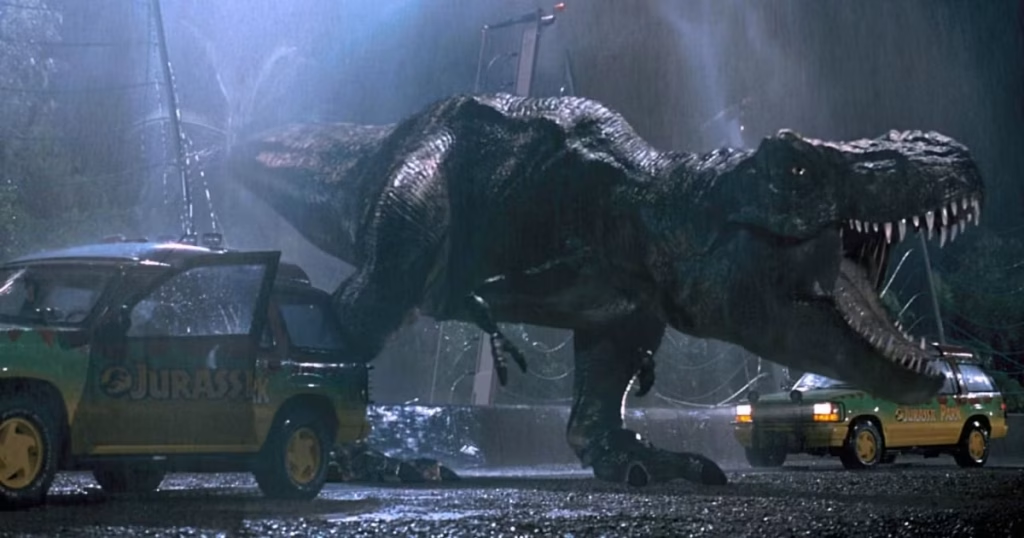
10. Jurassic Park (1993)

When dinosaurs first roared onto the screen in Jurassic Park, audiences genuinely wondered how filmmakers had done it. Steven Spielberg’s genius was knowing when to use animatronics and when to lean on CGI.

Image Source: Bing Image. License: All Creative Commons

The physical dinosaurs gave weight and presence, while digital effects filled in motion and scale that mechanical models couldn’t achieve. This careful balance made the creatures feel alive. Nearly every modern creature feature traces its lineage back to this film.

Image Source: Bing Image. License: All Creative Commons

9. Dead Alive (Braindead) (1992)

Long before epic battles and Oscar wins, Peter Jackson was gleefully drowning audiences in fake blood. Dead Alive is a low-budget splatter comedy that pushed practical gore to absurd extremes.

Image Source: Bing Image. License: All Creative Commons

Using puppets, prosthetics, and outrageous quantities of stage blood, Jackson created unforgettable scenes of chaos, most famously a lawnmower massacre that remains legendary. The film proved imagination could outweigh budget, and it cemented Jackson as a fearless effects experimenter.

Image Source: Bing Image. License: All Creative Commons

8. Terminator 2: Judgment Day (1991)

Terminator 2 arrived like a warning shot from the future. The liquid-metal T-1000 was unlike anything audiences had seen, morphing seamlessly between human and machine.

Image Source: Bing Image. License: All Creative Commons

Industrial Light & Magic pushed early CGI to its limits, spending days rendering seconds of footage. Combined with practical stunts and explosive action, the effects still hold up decades later. T2 redefined what a blockbuster villain could look like and how real CGI could feel.

Image Source: Bing Image. License: All Creative Commons

7. Who Framed Roger Rabbit? (1988)

Blending live action and animation had been attempted before, but never at this level. Who Framed Roger Rabbit? required obsessive precision, from camera movement to lighting, to sell the illusion that humans and cartoons shared the same space.

Image Source: Bing Image. License: All Creative Commons

Bob Hoskins’ committed performance anchored the fantasy, while inventive tricks solved problems no one had faced before. The result remains one of the most convincing hybrid films ever made.

Image Source: Bing Image. License: All Creative Commons

6. Tron (1982)

Tron was a gamble that paid off in influence, if not initially at the box office. At a time when computers were barely household items, the film dared to visualize life inside a digital world.

Image Source: Bing Image. License: All Creative Commons

Using early CGI, backlit animation, and experimental compositing, the filmmakers worked with laughably small memory limits by today’s standards. The bold visual language they created laid the groundwork for how cinema imagines cyberspace even now.
Image Source: Bing Image. License: All Creative Commons

5. The Thing (1982)

Rob Bottin’s work on The Thing remains the gold standard for practical horror effects. The film’s alien transformations are grotesque, shocking, and deeply unsettling because they’re real.

Image Source: Bing Image. License: All Creative Commons

Using puppetry, animatronics, and mechanical effects, Bottin crafted scenes that feel unpredictable and alive. Decades later, they’re still studied, celebrated, and rarely matched.

Image Source: Bing Image. License: All Creative Commons

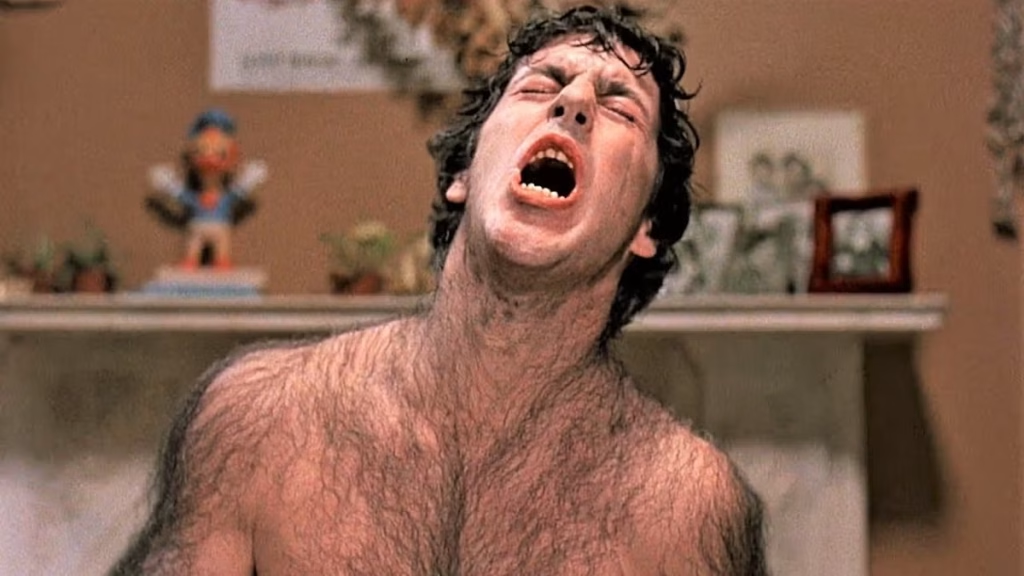
4. An American Werewolf in London (1981)

Rick Baker’s transformation sequence didn’t cut away or hide in shadows; it lingered. Bones stretched, muscles shifted, and the horror unfolded in full view.

Image Source: Bing Image. License: All Creative Commons

This commitment to realism earned Baker an Academy Award and permanently raised expectations for creature effects. The scene remains one of the most influential transformations in film history.

Image Source: Bing Image. License: All Creative Commons

3. Alien (1979)

Alien didn’t rely on spectacle; it relied on atmosphere. H.R. Giger’s biomechanical creature design was deeply unsettling, and the film’s grimy, industrial sets made the future feel claustrophobic and hostile.

Image Source: Bing Image. License: All Creative Commons

By keeping the alien partially hidden and grounding effects in physical reality, Ridley Scott created terror through suggestion. The film’s aesthetic still echoes through sci-fi and horror today.

Image Source: Bing Image. License: All Creative Commons

2. Star Wars: A New Hope (1977)

Before Star Wars, science fiction looked clean and distant. George Lucas made it dirty, lived-in, and thrilling. Miniatures, matte paintings, and practical sets created a universe that felt real and expansive.

Image Source: Bing Image. License: All Creative Commons

ILM’s groundbreaking work reshaped the industry overnight, and the opening Star Destroyer shot remains one of cinema’s most unforgettable images.

Image Source: Bing Image. License: All Creative Commons

1. Jason and the Argonauts (1963)

At the top stands Ray Harryhausen’s masterpiece. Jason and the Argonauts showcased stop-motion animation at its absolute peak, especially during the legendary skeleton battle.

Image Source: Bing Image. License: All Creative Commons

Harryhausen animated each frame by hand, perfectly matching movement, lighting, and choreography with live-action footage. The result is still magical, proof that patience, artistry, and imagination can outlast any technology.

Image Source: Bing Image. License: All Creative Commons

From stop-motion skeletons to liquid-metal assassins, these films represent turning points where creativity and technology collided. While tools have evolved, the heart of great visual effects hasn’t changed: it’s about making audiences believe, even just for a moment, that the impossible is real.