


Few things in television are as powerful or as polarizing as a series finale. After years of investment in characters, plots, and twists, viewers expect a payoff that honors their emotional commitment. Some finales deliver perfectly, leaving fans satisfied and reflective, while others frustrate, confuse, or even anger audiences. From heartbreak to bewilderment, these 15 TV show endings have left their mark on pop culture, proving just how much a finale can define a show’s legacy.

15. Anne with an E
Anne with an E captured hearts with its imaginative retelling of the classic Anne of Green Gables story, exploring themes of identity, belonging, and social justice. Its portrayal of friendships, especially with Anne’s Indigenous friend, brought depth and modern relevance to the series.

Despite its charm, the finale felt incomplete. Key storylines were left unresolved, and fans were disappointed that some characters didn’t receive the arcs they deserved. The ending left audiences wanting more, making the show’s bittersweet legacy as much about what could have been as what was shown.

14. Killing Eve
Killing Eve stood out for its dark humor, espionage thrills, and the magnetic tension between Eve and Villanelle. Early seasons were widely praised for their sharp writing and unpredictable storytelling.

The final season, however, fell short for many. Changes in showrunning and rushed plot decisions created an ending that felt disconnected from the series’ established tone. Fans felt the conclusion betrayed the careful development of complex characters, leaving disappointment where suspense and cleverness once reigned.

13. The Umbrella Academy
The dysfunctional siblings of The Umbrella Academy kept audiences engaged with their supernatural abilities, emotional baggage, and quirky humor. Themes of trauma, redemption, and family dynamics drove much of the show’s appeal.

The finale, featuring the family erasing itself from existence, struck many as bleak and inconsistent with the show’s earlier optimism. The conclusion left fans debating whether it undermined the series’ central messages about growth and resilience, making it a controversial capstone to a beloved show.

12. The Vampire Diaries
The Vampire Diaries evolved from a supernatural teen drama into a complex saga of love, betrayal, and supernatural intrigue. Early seasons were lauded for memorable characters and tight plotting.
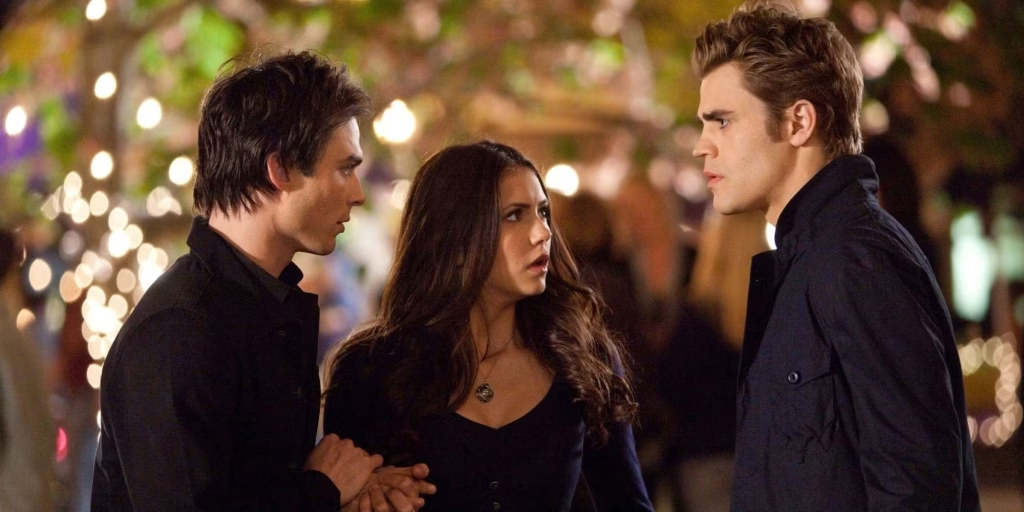
By the eighth season, the magic had faded. Convoluted storylines and questionable character choices made the finale feel disconnected from the show’s roots. While fans still celebrate the series’ high points, the ending dampened the overall impact and left some viewers with mixed feelings.

11. Younger
Younger drew viewers in with its witty, romantic premise: a woman in her 40s pretending to be in her 20s to reboot her career. The slow-building romance between Liza and Charles kept audiences invested over multiple seasons.

The finale, however, abruptly split the couple, frustrating fans who had anticipated a satisfying resolution. The rushed conclusion undermined the emotional payoff, reminding viewers that pacing and narrative closure are essential when wrapping up long-running story arcs.

10. The Big Bang Theory
The Big Bang Theory entertained audiences for over a decade with its nerdy humor, lovable characters, and clever writing. Its ensemble cast became a staple of primetime television.

The finale sparked debate when Penny, previously uninterested in having children, suddenly became pregnant. While intended as a happy ending, some fans felt it contradicted her character development. Despite this, the series remains one of the most successful sitcoms of all time.

9. Pretty Little Liars
Pretty Little Liars enthralled audiences with its intricate mysteries, suspense, and the identity of “A.” The twists and turns kept fans guessing for years.

By the finale, however, the story had become overly complicated. Key revelations felt confusing or illogical, leaving viewers unsatisfied with the resolution. The show’s legacy is a mix of nostalgic thrill and frustration over a conclusion that failed to match the intrigue of earlier seasons.

8. Westworld
Westworld launched as a mind-bending exploration of artificial intelligence, free will, and morality. Its first season was celebrated for philosophical depth and meticulous storytelling.

Later seasons struggled to maintain that momentum, and the finale left many viewers feeling the story had overstayed its welcome. The ending, lacking the cohesion and impact of the first season, became an example of how extending a narrative beyond its natural arc can dilute its effect.

7. House of Cards
House of Cards set a high bar for political drama with its ruthless plotting and morally complex characters. Early seasons were compelling and audacious, keeping viewers hooked.

By the final season, however, engagement had waned. Without the original momentum, the conclusion lacked punch, fading quietly rather than ending with impact. The series illustrates how even landmark shows can falter when narrative tension loses its spark.

6. St. Elsewhere
St. Elsewhere pioneered ensemble medical dramas, blending complex storytelling with emotional depth. Its realistic portrayal of hospital life made it a fan favorite.

The finale, revealing that the entire series existed in a child’s imagination, shocked audiences and left many feeling cheated. This audacious twist sparked debate about narrative experimentation and remains one of television’s most infamous and divisive endings.

5. Sherlock
Sherlock modernized the classic detective story with clever writing, stylish visuals, and brilliant performances. Its intricate mysteries captivated viewers worldwide.
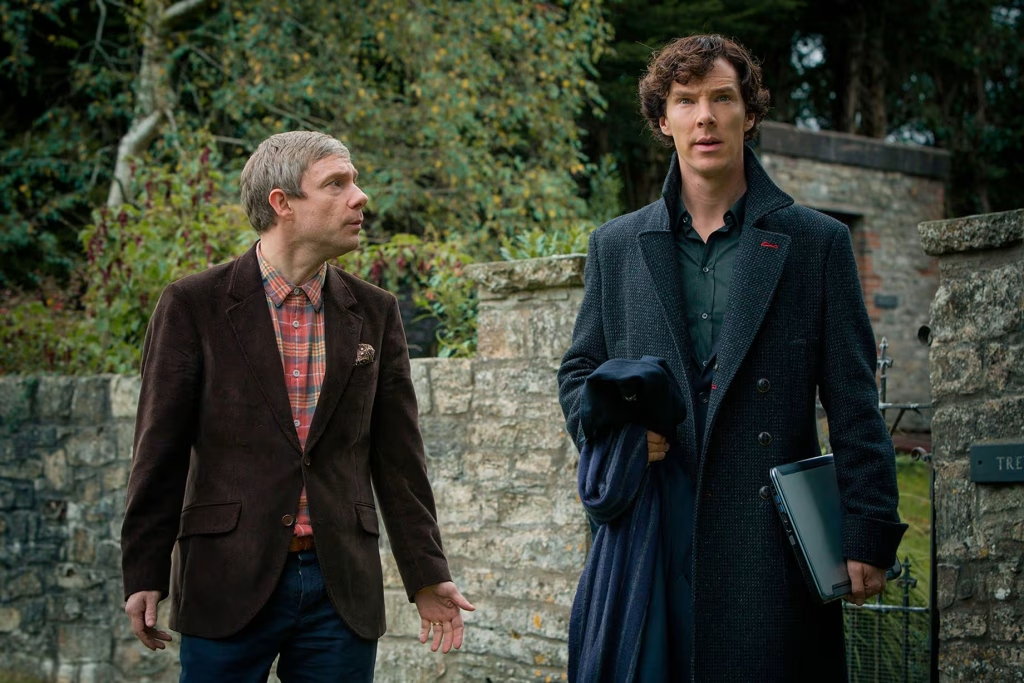
The final episode, however, left fans frustrated and confused. Many believed there must be a missing explanation, as the resolution seemed inconsistent with the show’s prior brilliance. The finale demonstrates how unmet expectations can overshadow even a successful series.

4. Veronica Mars
Veronica Mars combined noir storytelling with witty dialogue and a loyal fanbase. The revival season, crowdfunded by supporters, reflected the show’s enduring appeal.

Yet the finale disappointed by abruptly killing a beloved character soon after the reunion. Fans felt the ending disrespected their dedication and investment, illustrating the risks of alienating even the most loyal audiences when concluding a series.

3. How I Met Your Mother
How I Met Your Mother centered on Ted’s search for his future wife, blending humor, heart, and mystery over nine seasons. Fans invested heavily in the buildup to meeting “the mother.”

The finale’s pacing undermined that investment, quickly resolving the mother’s death and Ted’s reunion with Robin. Many viewers felt the decade-long journey was undone in moments, creating one of the most debated and emotionally jarring conclusions in sitcom history.

2. LOST
LOST became a cultural phenomenon with its mysterious island, sprawling ensemble, and endless cliffhangers. Fans theorized obsessively about its secrets for years.

The finale, revealing the characters’ ultimate fate in a spiritual afterlife rather than concrete answers, left numerous mysteries unresolved. While emotionally moving for some, the ending disappointed many, exemplifying the pitfalls of leaving too many narrative threads hanging.

1. Game of Thrones
Game of Thrones dominated pop culture with its epic scope, unpredictable twists, and morally complex characters. Anticipation for the final season reached unparalleled levels.

The finale, however, alienated much of the fanbase with rushed storytelling and unsatisfying resolutions. Characters’ arcs were left incomplete, and the payoff felt inconsistent with the buildup of years of narrative. The ending remains a cautionary tale about how a conclusion can redefine or tarnish a series’ legacy.

These 15 finales prove that the ending of a show can be just as important as its journey. A great conclusion can honor the story, reward fans, and leave a lasting impression, while a mismanaged finale can overshadow years of quality storytelling. Whether leaving questions unanswered, shocking audiences, or providing emotional closure, these TV finales remind us that the last chapter matters. A series’ ending is the final word on its legacy—and it can linger in the minds of viewers long after the screen goes dark.