


Television and film have long been powerful cultural forces, but some productions provoke more debate than enjoyment. From controversial storylines to shocking reboots, these shows and movies pushed boundaries, sparked outrage, and ignited conversations about art, taste, and social responsibility. Whether due to sensitive subject matter, radical reinterpretations, or questionable execution, these projects show that bold ideas don’t always resonate with audiences. Some went on to become cult classics, while others were widely panned—but all left an undeniable mark on pop culture.
14. Velma
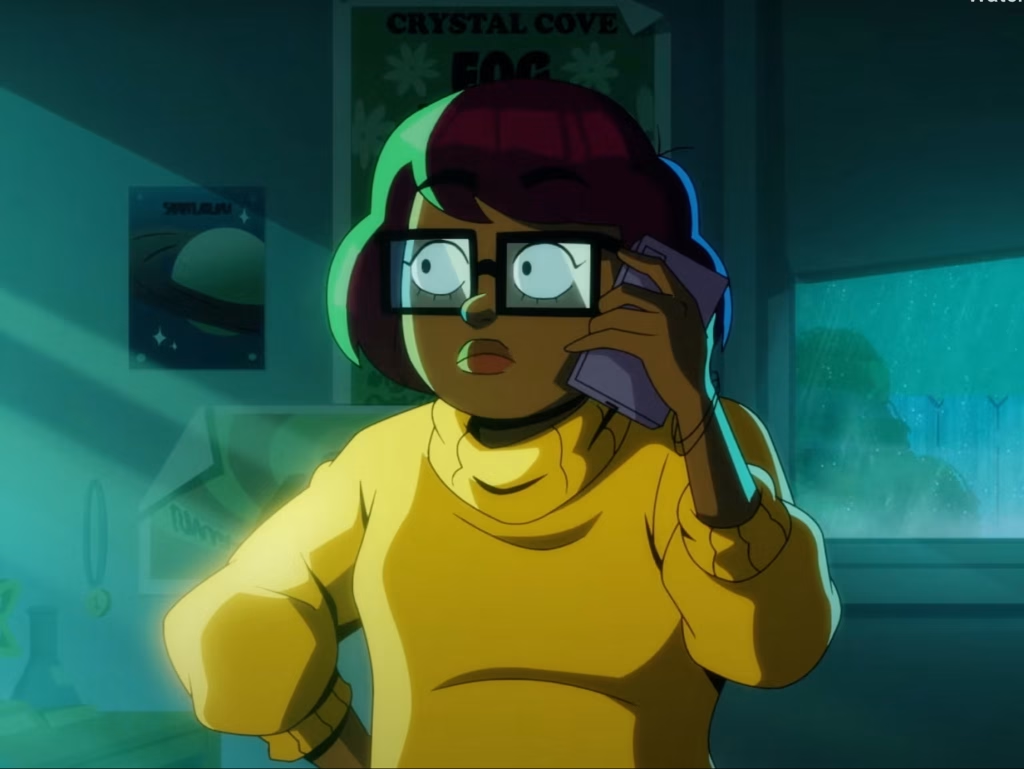
HBO Max’s Velma attempted to give a modern, edgy twist to the Scooby-Doo universe. Voiced by Mindy Kaling, who also served as executive producer, Velma was reimagined as a cynical, self-absorbed character far removed from the beloved original.

The show sparked immediate backlash for its adult humor, radical character changes, and attempts to “modernize” a nostalgic franchise. Critics argued that the new backstory and Velma’s South Asian identity alienated longtime fans, leaving the series widely criticized and labeled as one of the most divisive reboots in recent memory.

13. Girls
When Lena Dunham’s Girls premiered in 2012, it was celebrated for its candid, sometimes uncomfortable portrayal of young women navigating life in New York. The show was praised for addressing feminism, body image, and millennial anxieties in a relatable way.

Yet it was also polarizing. Critics questioned its lack of diversity and accused it of over-focusing on privileged, white characters. Despite this, Girls earned awards and left a lasting cultural footprint, proving that television can provoke conversation as much as entertain.

12. The Waterfront
Netflix’s The Waterfront begins slowly, but develops into a tense family drama full of morally gray characters. Holt McCallany and Topher Grace deliver compelling performances, balancing charm with frustration-inducing flaws.

While some critics found the show derivative of Yellowstone and Ozark, many viewers were drawn in by its suspenseful storytelling. The series demonstrates that even familiar formulas can spark debate if executed with style.
11. Yellowstone
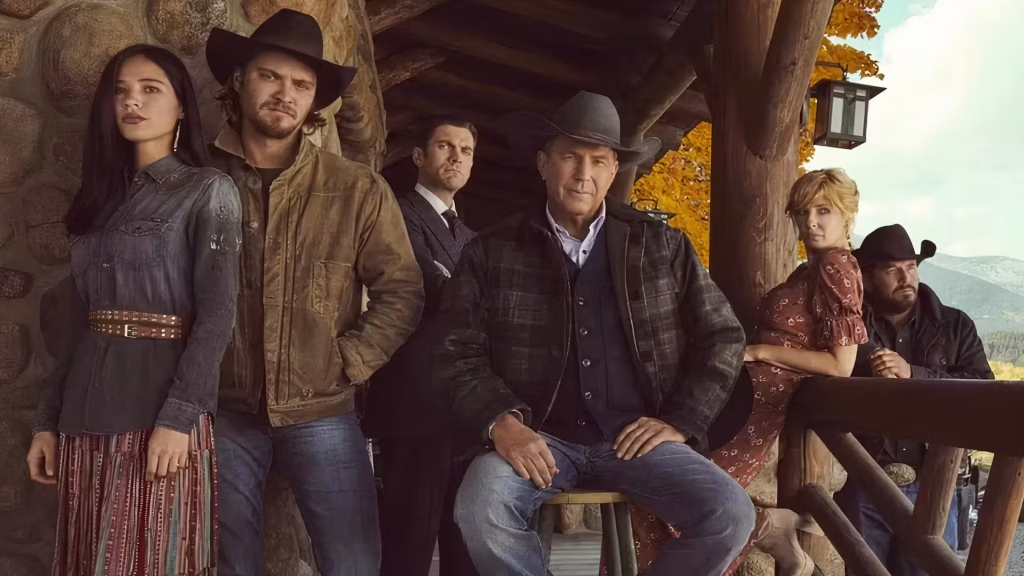
Yellowstone captured the imagination of millions with its tale of the Dutton family defending their Montana ranch. Beyond entertainment, it sparked real-world consequences, influencing tourism, real estate, and perceptions of the American West.

While the show highlighted issues such as land ownership and conservation, critics noted its glorification of the Duttons and its lack of moral clarity. Still, it became a cultural phenomenon, inspiring spin-offs and cementing its place in contemporary television discussion.

10. The Jerry Springer Show
Running from 1991 to 2018, The Jerry Springer Show became infamous for public confrontations, shocking topics, and on-air fights. It blurred the line between entertainment and exploitation, prompting debates about morality and taste in daytime television.

Despite or because of its controversy, the show maintained high ratings and influenced a generation of reality programming. Its legacy is complicated: it broke taboos while simultaneously lowering expectations for public discourse on TV.

9. Euphoria
HBO’s Euphoria explores teen life with unflinching realism, tackling drugs and mental health. Zendaya’s acclaimed performance anchors a show that’s both praised for its honesty and criticized for its graphic content.

Some organizations worry the series glamorizes risky behavior, yet many fans and critics hail it as a bold depiction of issues often ignored in mainstream media. Its polarizing nature has cemented its role as a touchstone in conversations about youth and culture.

8. Skins
The UK teen drama Skins set a new standard for adolescent storytelling, covering underage drinking, drug use, and mental health struggles. Each episode focused on a different character, offering a raw and personal perspective on youth culture.

While celebrated for authenticity, the show drew criticism for glamorizing dangerous behavior. Its willingness to confront controversial issues has left a lasting influence on teen dramas worldwide.

7. The Boys
Amazon’s The Boys reimagines superheroes as corrupt, violent, and morally bankrupt. Graphic violence, explicit content, and satire of corporate culture sparked debate among viewers about taste and limits in the genre.
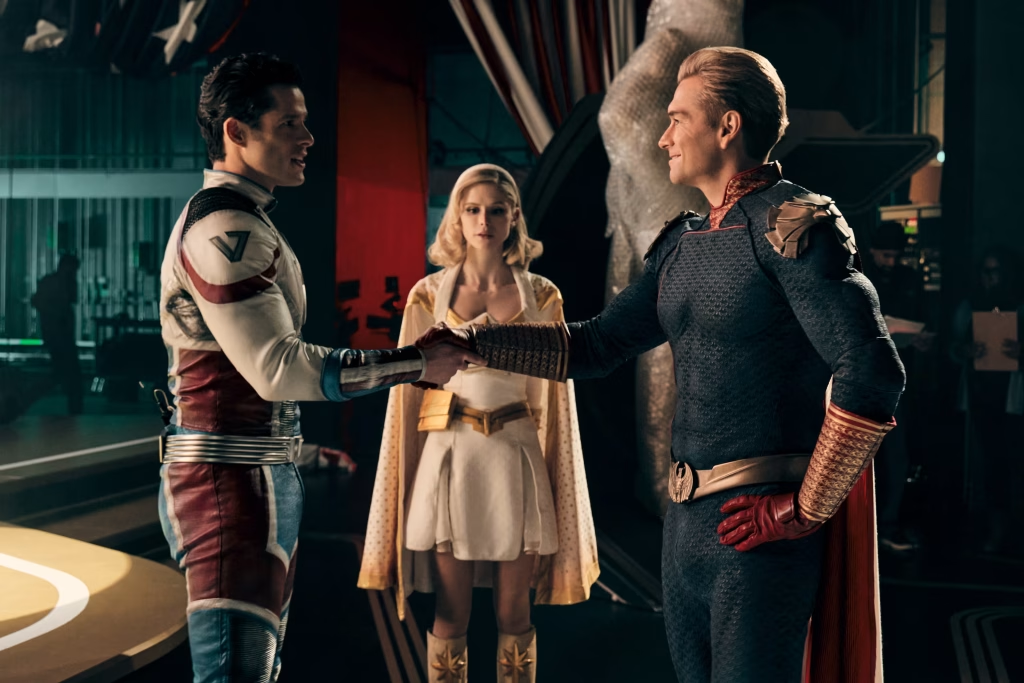
Some applaud its fearless storytelling, while others find it excessive. Regardless, the series redefined what superhero stories could look like, keeping audiences engaged and divided with every shocking twist.

6. The Sopranos
The Sopranos redefined television with its morally complex portrayal of mob life. Tony Soprano’s struggles with family and crime drew praise for nuance, yet the show was also criticized for perpetuating stereotypes and depicting violence.

Despite controversy, it paved the way for modern prestige dramas, proving that morally ambiguous characters and challenging storytelling could attract both acclaim and debate.

5. The Swan
Reality TV hit new lows with The Swan, a show that gave extreme plastic surgery makeovers before a final beauty competition. Critics slammed it for promoting unrealistic body ideals and linking self-worth to appearance.

While controversial, the show’s notoriety ensured it would be remembered. It serves as a stark reminder of reality television’s willingness to push moral and ethical boundaries for ratings.

4. The Ren & Stimpy Show
The Ren & Stimpy Show revolutionized children’s television with dark humor, surreal visuals, and edgy content. Parents and advocacy groups often condemned it as inappropriate for kids.

Yet its influence is undeniable: the show opened doors for adult-oriented animation and demonstrated that cartoons could be provocative, thought-provoking, and culturally significant.

3. Chappelle’s Show
Dave Chappelle’s Chappelle’s Show tackled race, politics, and pop culture with fearless satire. Some sketches were criticized for crossing lines, prompting debates about humor, social responsibility, and free speech.

Chappelle’s abrupt exit further fueled controversy, leaving a lasting discussion about comedy’s role in challenging norms. The show remains a cultural touchstone for both humor and societal critique.

2. Saturday Night Live
Since 1975, Saturday Night Live has consistently courted controversy, parodying politicians and social issues. Certain sketches have sparked backlash, yet the show has endured as a cultural institution.

Its longevity is a testament to the power of satire to provoke, entertain, and challenge audiences, demonstrating that comedy can thrive even amid public debate.

1. The Birth of a Nation
D.W. Griffith’s 1915 film, The Birth of a Nation, revolutionized filmmaking with groundbreaking techniques, but its glorification of the Ku Klux Klan and racist portrayal of Black Americans sparked outrage.

The film’s legacy is deeply controversial: it advanced cinematic storytelling while perpetuating harmful myths about Reconstruction and racism. It remains a key case study in the tension between artistic innovation and moral responsibility.

From edgy teen dramas to historically controversial films, these shows and movies demonstrate how entertainment can provoke, divide, and inspire discussion. Some alienated audiences, others became cultural landmarks, but all challenged viewers’ expectations. Controversy in the media often reveals more about society than the content itself. These productions remind us that art is not always comfortable, but it is always influential.