

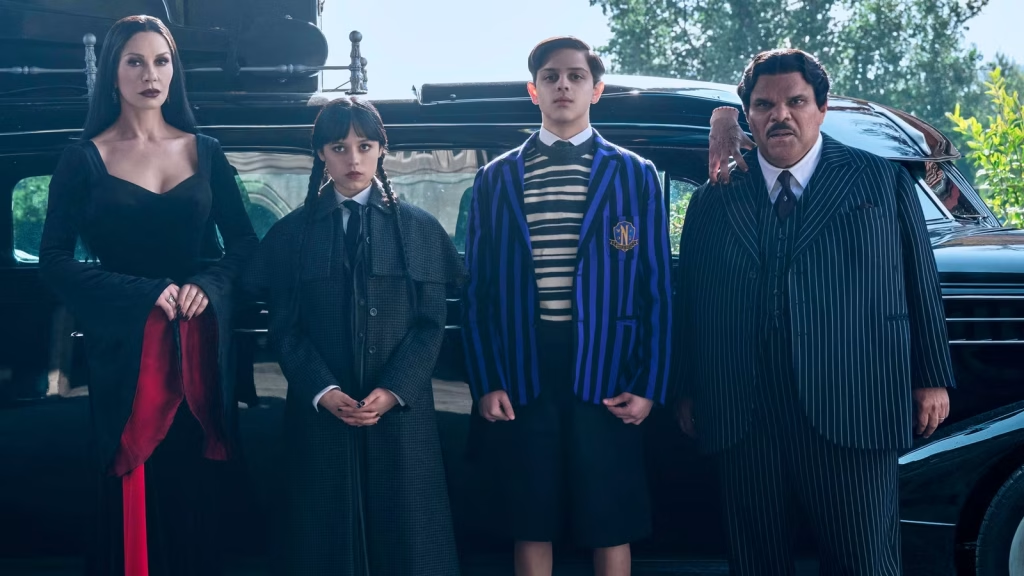
Wednesday has grown far beyond a simple reboot—it has become a defining pop culture moment. Backed by Netflix and shaped by the unmistakable style of Tim Burton, the series introduces a new generation to the eerie charm of the Addams Family. With Jenna Ortega stepping into the spotlight, the show blends mystery, humor, and coming-of-age storytelling in a way that feels both nostalgic and refreshingly modern.

“Wednesday” didn’t just perform well—it exploded in popularity. It broke streaming records, dominated social media, and quickly became a global obsession. From viral dance trends to endless fan theories, the show proved it could capture attention far beyond its core audience. It redefined what a teen supernatural drama could look like, raising expectations for storytelling, tone, and visual identity.

Wednesday Addams has always stood out for her dark humor and emotionless delivery, but this version pushes her further. No longer just a child with a fascination for the macabre, she’s now a teenager dealing with independence, identity, and the complications of growing up. Her transfer to Nevermore Academy sets the stage for a deeper, more personal journey.

Jenna Ortega’s take on Wednesday is one of the show’s strongest elements. She maintains the character’s signature coldness while adding small, humanizing details—subtle expressions, controlled reactions, and rare glimpses of emotion. These choices make Wednesday feel more layered, turning her into someone audiences can connect with while still preserving her unique personality.

A major turning point in the story is Wednesday’s friendship with Enid, her bright and optimistic werewolf roommate. Their dynamic highlights contrast—dark versus colorful, reserved versus expressive. Through this relationship, Wednesday slowly begins to understand trust, teamwork, and emotional connection, even if she resists it at every step.
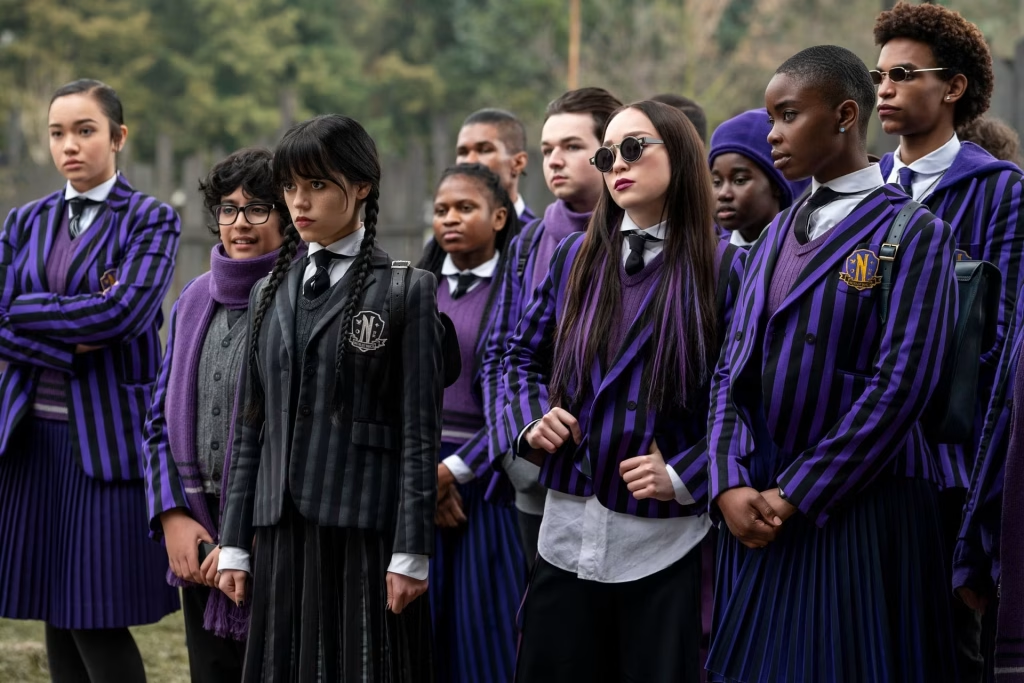
At its heart, the show explores what it means to be an outsider. Nevermore Academy is filled with students who don’t fit into normal society, creating a space where differences are both celebrated and misunderstood. This environment allows the series to explore themes of belonging, identity, and acceptance in a way that feels relevant to younger audiences.

While the show touches on deeper topics—like social division, prejudice, and institutional power—it doesn’t always fully commit to them. The ideas are there, but they sometimes feel underdeveloped. Instead of diving deeply into these issues, the series occasionally leans more on style and surface-level storytelling.

The influence of Tim Burton is impossible to miss. Every frame feels carefully designed, from the moody lighting to the gothic architecture. The show embraces a dark yet whimsical aesthetic that perfectly complements the Addams Family legacy while still feeling fresh and visually engaging.

Costumes play a huge role in defining the characters. Wednesday’s black-and-white wardrobe reflects her controlled, minimalist personality, while Enid’s colorful outfits showcase her vibrant energy. These visual choices do more than look good—they help tell the story and highlight character development throughout the series.

Critics and audiences alike have had mixed reactions. The performances—especially Ortega’s—have been widely praised, along with the show’s humor and energy. However, the storyline can feel uneven, with a mystery that sometimes loses focus and romantic subplots that don’t always hit the mark. It’s entertaining, but not without its flaws.

Beyond the show itself, Wednesday Addams has become a modern style icon. Her look—braided hair, pale complexion, and classic black dress—has taken over Halloween and cosplay communities. Fans continue to reinterpret her style, blending tradition with creativity and keeping the character relevant across generations.
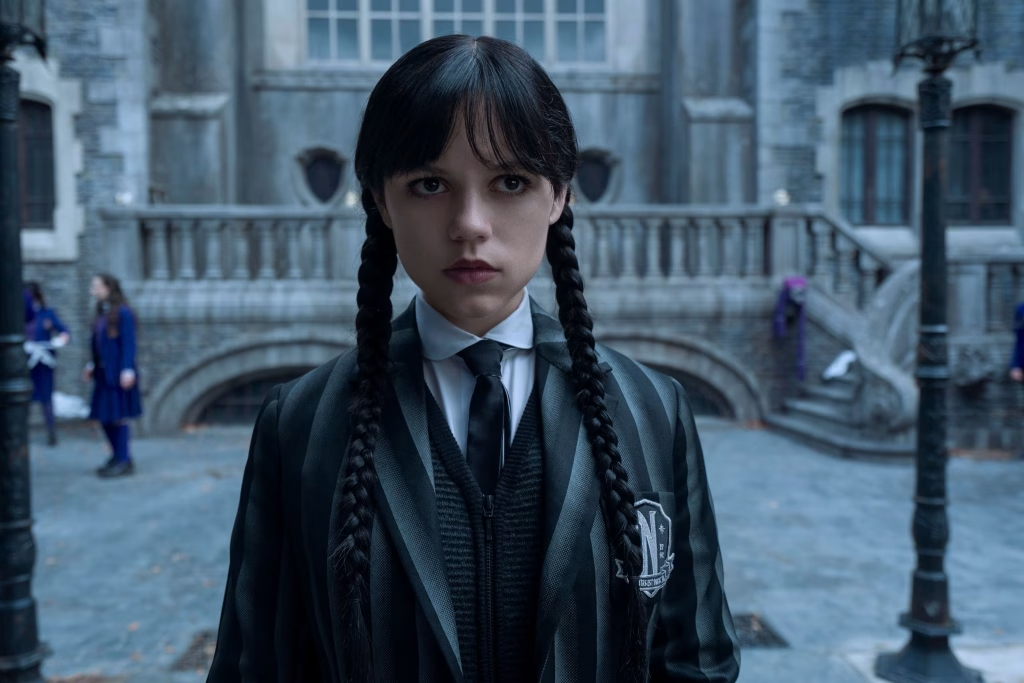
In many ways, “Wednesday” succeeds because it embraces contradiction—it’s polished yet messy, familiar yet new. While it may not fully deliver on all its deeper themes, it excels in creating a memorable world and a compelling central character. By reimagining Wednesday Addams for today’s audience, the series proves that even the darkest stories can evolve, connect, and leave a lasting impression.