


A great TV finale can elevate an entire series, but a bad one? That’s how shows end up haunting fan forums for years. After seasons of character growth, cliffhangers, and emotional investment, viewers expect conclusions that feel earned, thoughtful, and true to the story they’ve been following.

Unfortunately, not every show sticks the landing. Whether due to rushed storytelling, shocking twists that miss the mark, or creative choices that undo years of development, these finales left audiences feeling frustrated, confused, or outright betrayed. Here are 15 TV show endings that disappointed fans the most.

15. How I Met Your Mother
For nearly a decade, How I Met Your Mother asked viewers to trust the journey. Ted Mosby’s long-winded tale about friendship, timing, and true love promised a meaningful payoff, with the mystery of the Mother serving as the emotional backbone of the series. Fans patiently followed Ted through countless relationships, convinced that the destination would justify the ride.

Instead, the finale pulled the rug out from under its own premise by killing off the Mother and circling back to Ted’s romance with Robin. For many viewers, this decision made the entire story feel misleading, even pointless. Rather than feeling bittersweet or profound, the ending sparked anger and disbelief, cementing the show’s finale as one of the most hotly debated in sitcom history.

14. True Blood
True Blood built its identity on excess—bloody thrills, outrageous twists, and unapologetic supernatural drama. Over seven seasons, the series created a passionate fanbase drawn to its wild storytelling and eccentric characters, all wrapped in a Southern Gothic atmosphere that felt distinct and daring.

By the time the finale arrived, however, much of that energy had fizzled out. The conclusion lacked focus, sidelined key characters, and wrapped things up in a way that felt rushed and emotionally hollow. Instead of a bold send-off, fans were left with a sense that the show had simply run out of steam before crossing the finish line.

13. Crash Landing On You
Crash Landing On You captured hearts worldwide with its mix of romance, suspense, and political tension. The love story between Yoon Se-ri and Ri Jeong-hyeok felt sweeping and deeply emotional, made all the more compelling by the barriers keeping them apart.

When the series ended, however, many viewers felt shortchanged. Rather than offering a clear and satisfying resolution, the finale opted for ambiguity that diluted the emotional payoff. After enduring so much longing and sacrifice alongside the characters, fans hoped for a more definitive ending—and the lack of one left a bittersweet aftertaste.

12. Killing Eve
Killing Eve stood out thanks to its stylish tone and morally complex characters. The relationship between Eve and Villanelle crackled with tension, blurring the line between obsession, attraction, and rivalry in a way few shows had ever attempted.

The finale shattered that dynamic in its final moments by killing Villanelle abruptly, giving viewers no time to process or find meaning in the loss. What could have been a tragic yet resonant ending instead felt rushed and needlessly cruel. For many fans, the show lost its identity at the very moment it needed to define it most.

11. Line of Duty
Line of Duty thrived on suspense, carefully layered storytelling, and endless speculation about the true mastermind behind its corruption plot. Each season raised the stakes, encouraging fans to dissect every clue in search of “H.”

When the reveal finally came, it landed with a thud. Naming Ian Buckells—a relatively minor figure—as the long-teased villain felt deeply anticlimactic. Instead of a jaw-dropping revelation, the finale left viewers questioning whether the mystery had ever been worth the buildup at all.
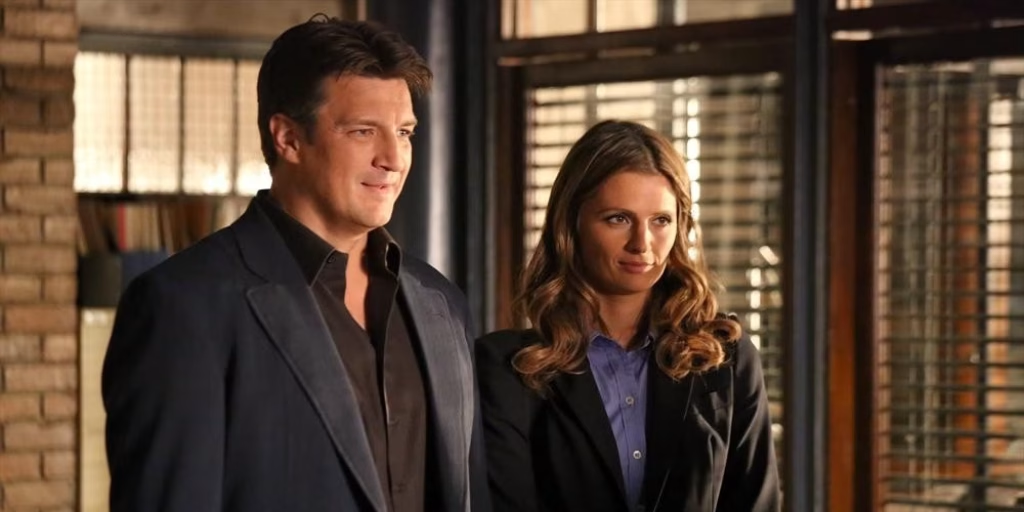
10. Castle
Castle succeeded largely because of chemistry. The playful dynamic between Castle and Beckett, combined with a steady build toward romance, kept audiences invested far beyond the procedural elements of the show.
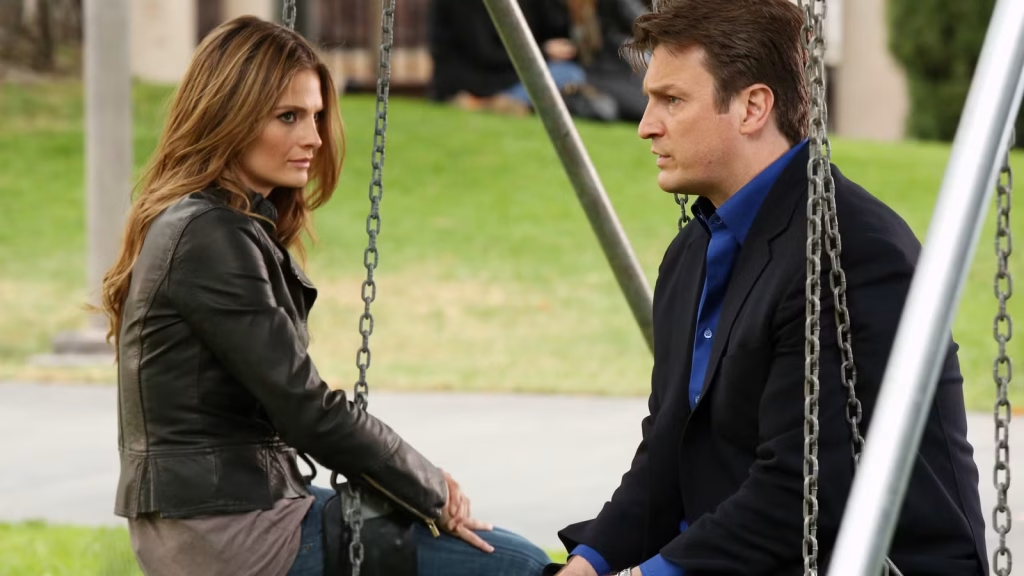
The finale, however, rushed through major plot points and relied on a last-minute flash-forward to provide closure. The result felt sloppy and emotionally unearned, leaving fans disappointed that a show so focused on character relationships failed to give them a meaningful goodbye.
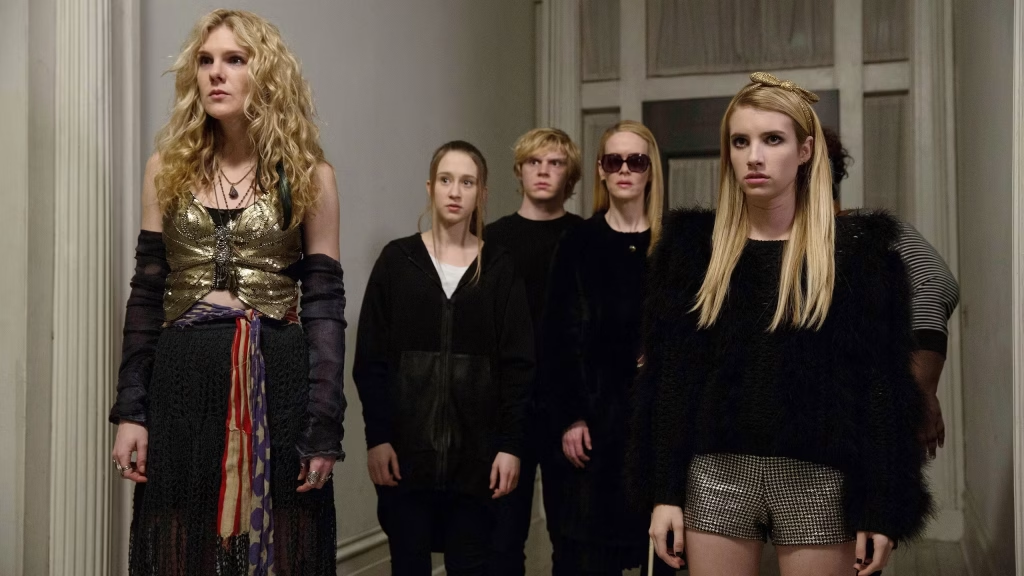
9. American Horror Story
American Horror Story reinvented itself season after season, delivering strong openings filled with promise, atmosphere, and unsettling ideas. Each new chapter felt like a bold, creative gamble that could go anywhere.

The problem was that the endings rarely lived up to those beginnings. Over time, fans noticed a recurring pattern of finales that felt hurried, disjointed, or tonally inconsistent. While the show remained visually striking, its inability to conclude stories effectively became one of its biggest weaknesses.

8. Lucifer
Lucifer built its emotional core around redemption and love. Watching Lucifer Morningstar evolve from a selfish ruler of Hell into someone capable of deep empathy was the heart of the series, especially through his relationship with Chloe.
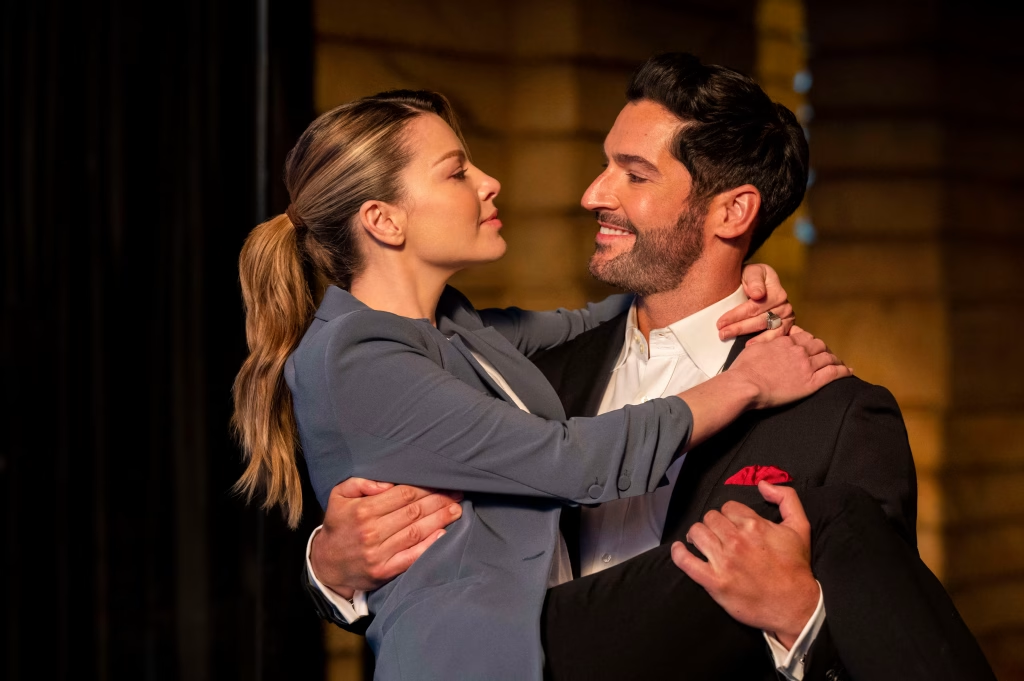
The finale reversed much of that growth by separating the couple and sending Lucifer back to Hell permanently. For many fans, this choice felt like a betrayal of the show’s message, turning years of character development into a cruel twist rather than a meaningful conclusion.

7. Pretty Little Liars
Pretty Little Liars thrived on mystery and paranoia, encouraging viewers to theorize endlessly about the identity of “A.” The show built anticipation through twists, red herrings, and long-running secrets.

The final reveal—introducing Spencer’s previously unknown twin as the ultimate villain—felt like a narrative shortcut rather than a clever twist. By relying on a last-minute addition instead of long-term clues, the finale undermined years of speculation and left fans feeling tricked instead of rewarded.

6. Veronica Mars
Veronica Mars earned its devoted following through sharp writing, emotional depth, and a strong sense of loyalty to its characters. The revival raised hopes that the series would finally get the ending fans felt it deserved.

Instead, the finale shocked viewers by killing off Logan, a decision that erased years of growth and stability for Veronica. The move was widely criticized as unnecessarily bleak, leaving longtime fans feeling that their emotional investment had been dismissed rather than respected.

5. Chuck
Chuck balanced humor, action, and romance in a way that made its central love story deeply compelling. Viewers stuck around not just for the spy antics, but to see Chuck and Sarah finally earn their happy ending.

The series finale chose ambiguity over closure, leaving Sarah’s memory—and their future—uncertain. While some appreciated the open-ended approach, many felt cheated after years of emotional buildup, wanting clarity instead of another question mark.

4. Supernatural
With fifteen seasons under its belt, Supernatural had an enormous legacy to uphold. The bond between the Winchester brothers was the emotional anchor of the series, driving its monster-of-the-week structure and larger mythos alike.

The finale’s low-key death and restrained ending left many fans dissatisfied. Rather than feeling epic or cathartic, the conclusion seemed oddly small, failing to reflect the scope and emotional weight the show had built over a decade and a half.

3. The Umbrella Academy
The Umbrella Academy earned praise for tackling trauma, abuse, and family dysfunction with surprising sensitivity beneath its superhero trappings. The siblings’ struggle to define themselves outside their father’s shadow gave the show its emotional power.

The finale undercut those themes by rewarding Reginald Hargreeves and erasing much of the family’s journey. This reversal felt thematically tone-deaf, leaving viewers confused about the show’s ultimate message and disappointed by how neatly everything was undone.

2. Stranger Things
Stranger Things became a pop culture juggernaut by blending nostalgia with genuine emotional storytelling. Expectations for its final season were enormous, built on years of fan devotion and anticipation.

Production challenges and ongoing script changes reportedly affected the ending, resulting in uneven pacing and underdeveloped resolutions. While some moments landed emotionally, others felt rushed, leaving fans divided over whether the series truly lived up to its legacy.

1. Game of Thrones
Game of Thrones once represented the gold standard of television storytelling. Its complex politics, layered characters, and shocking twists reshaped what audiences expected from epic TV.

The final season—and especially the finale—fell spectacularly short. Abrupt character shifts, unresolved plotlines, and controversial decisions like Bran’s ascension left fans furious. The backlash was so intense that it permanently altered how the show is remembered, turning what could have been a timeless classic into a cautionary tale.

TV finales carry an enormous burden. They don’t just end a story—they define how everything that came before is remembered. When an ending misses the mark, it can undo years of goodwill in a single episode.

These shows remain influential, beloved, and worth revisiting—but their finales serve as reminders that even great series aren’t guaranteed great conclusions. Sometimes, it’s not the journey fans remember most—it’s how it all ends.