


Hollywood has always been captivated by its stars, but when those stars pass away unexpectedly, the industry often feels the impact for decades. From legal battles over estates to the rise of digital recreations, celebrity deaths have reshaped everything from contracts to technology, and even the way stories are told on screen. This list explores 15 cases where the deaths of iconic figures not only shocked fans but also left lasting ripples throughout Hollywood. These stories are a mix of tragedy, controversy, innovation, and legacy, showing that even in death, a star can change the rules of the industry.

15. Tupac Shakur
Tupac Shakur’s 1996 death left a gaping hole in music, but it also sparked years of legal drama. With no will, his $200,000 estate went to his mother, Afeni Shakur, who turned it into a $40 million legacy by the time of her own death.

Legal disputes continued long after, with lawsuits from his father and later his sister over mismanagement. Meanwhile, Tupac’s influence lives on through posthumous albums, hologram performances, and enduring cultural relevance, proving some stars never truly fade.
14. Kurt Cobain
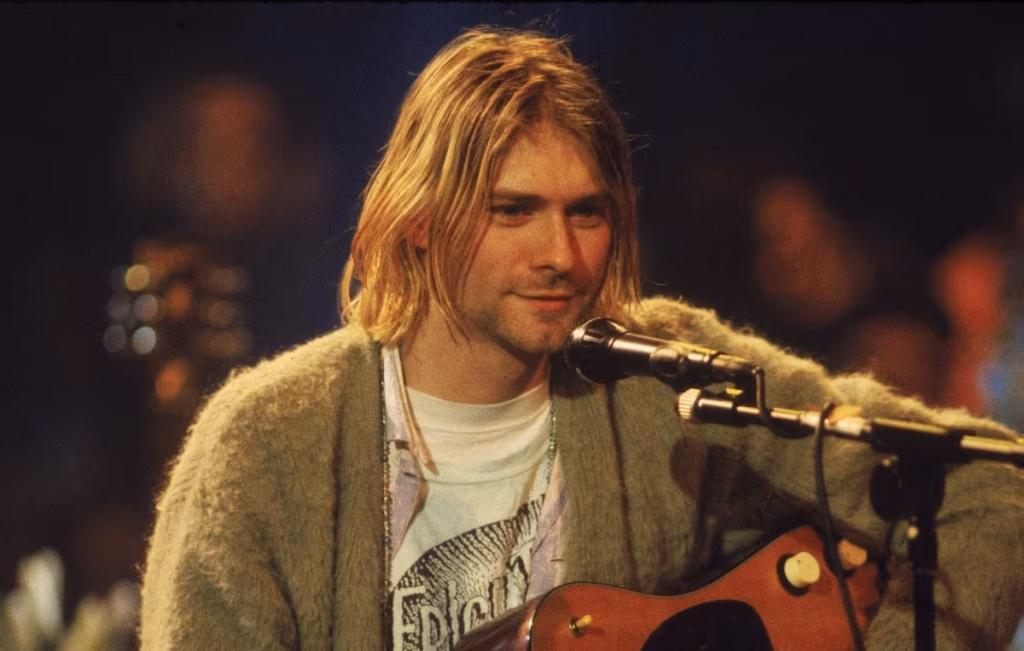
Kurt Cobain’s suicide in 1994 stunned the world, leaving his estate tangled in legal issues. With no will, his publishing rights went to his wife, Courtney Love, while their daughter Frances Bean faced challenges in managing the family’s legacy.

Cobain’s mythos has only grown with time. Between his music, the ongoing drama over his estate, and the stories of what could have been, his influence on grunge and youth culture remains indelible.

13. James Dean
James Dean’s 1955 death in a car crash cemented his status as a Hollywood legend, but nearly 70 years later, technology is bringing him back. Using AI, Dean is set to appear in new films like Back to Eden, creating a photorealistic digital avatar.

This resurrection has sparked debates over ethics and legacy. While some see it as a chance to honor Dean’s iconic presence, others worry about the exploitation of deceased performers, forcing Hollywood to confront the future of acting and digital immortality.

12. Chadwick Boseman
Chadwick Boseman’s death in 2020 shocked fans and the industry alike. He privately battled colon cancer while delivering unforgettable performances, including T’Challa in Black Panther. Without a will, his $3.5 million estate became a legal puzzle for his widow and parents.
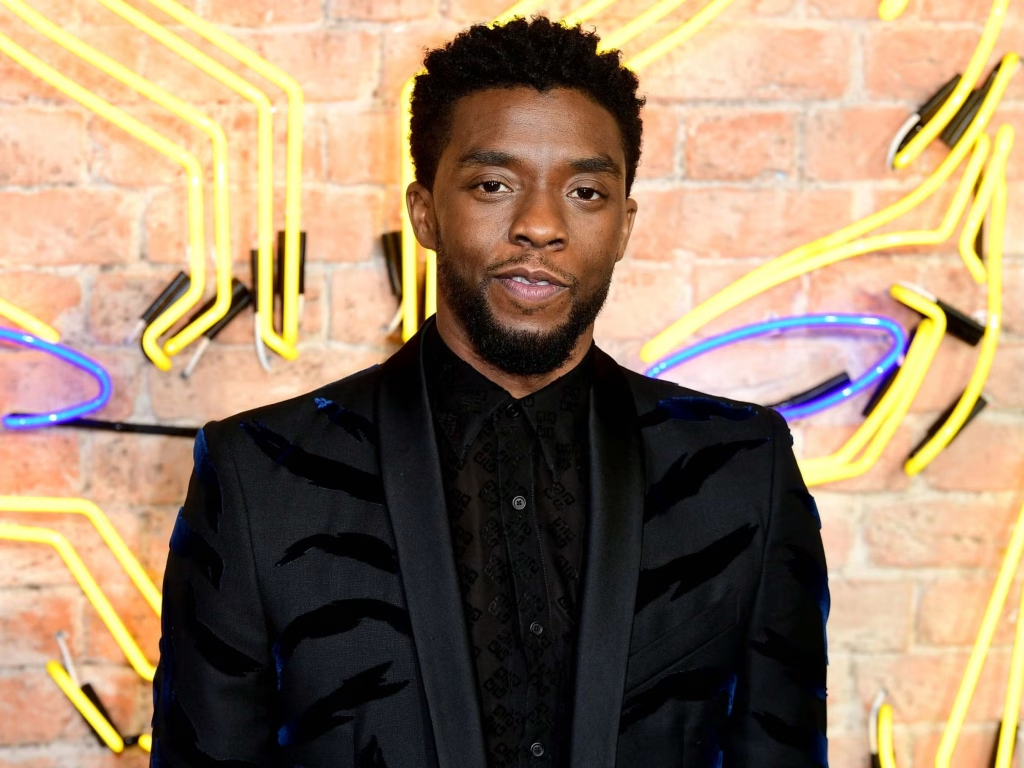
Beyond the paperwork, Boseman’s legacy is monumental. Posthumous nominations, including an Oscar for Ma Rainey’s Black Bottom, cemented his place as a hero on and off screen, inspiring generations of Black actors and fans.
11. Amy Winehouse
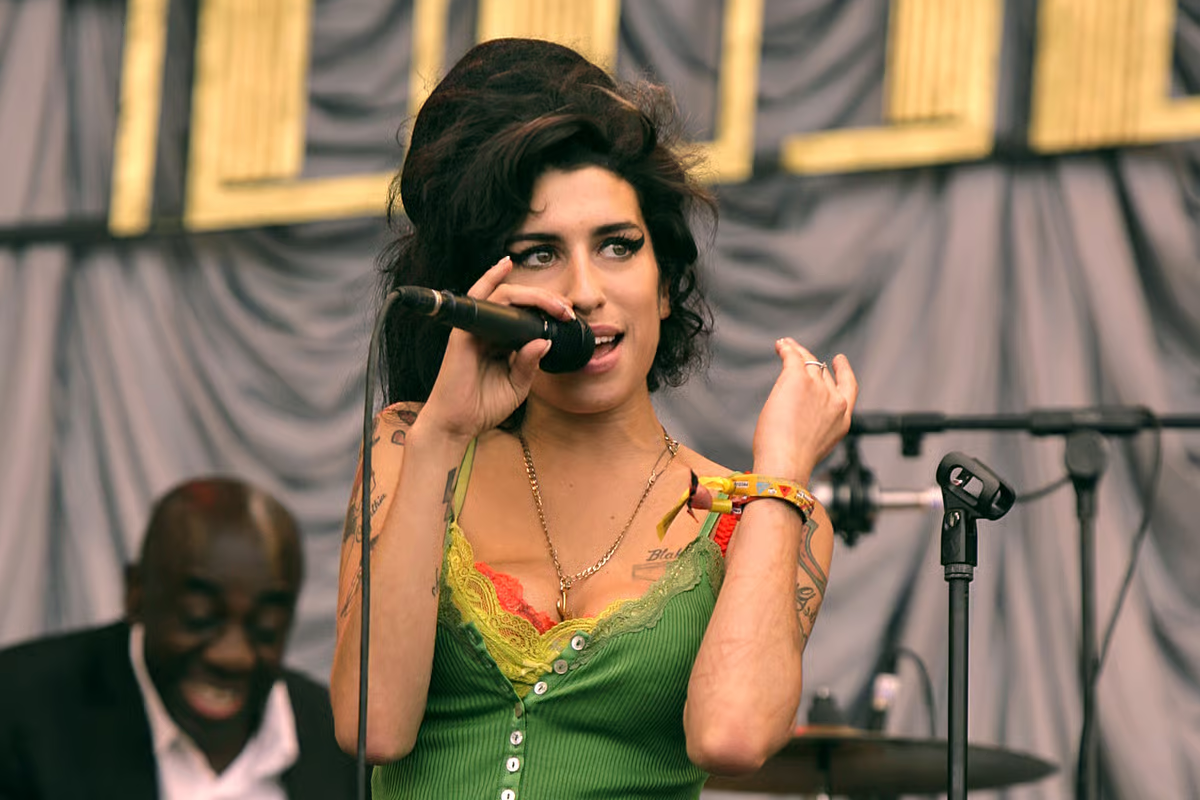
Amy Winehouse’s 2011 death at 27 ended a brilliant but turbulent career. Her $4.66 million estate went to her parents, though disputes, including claims from her ex-husband, continued years later.
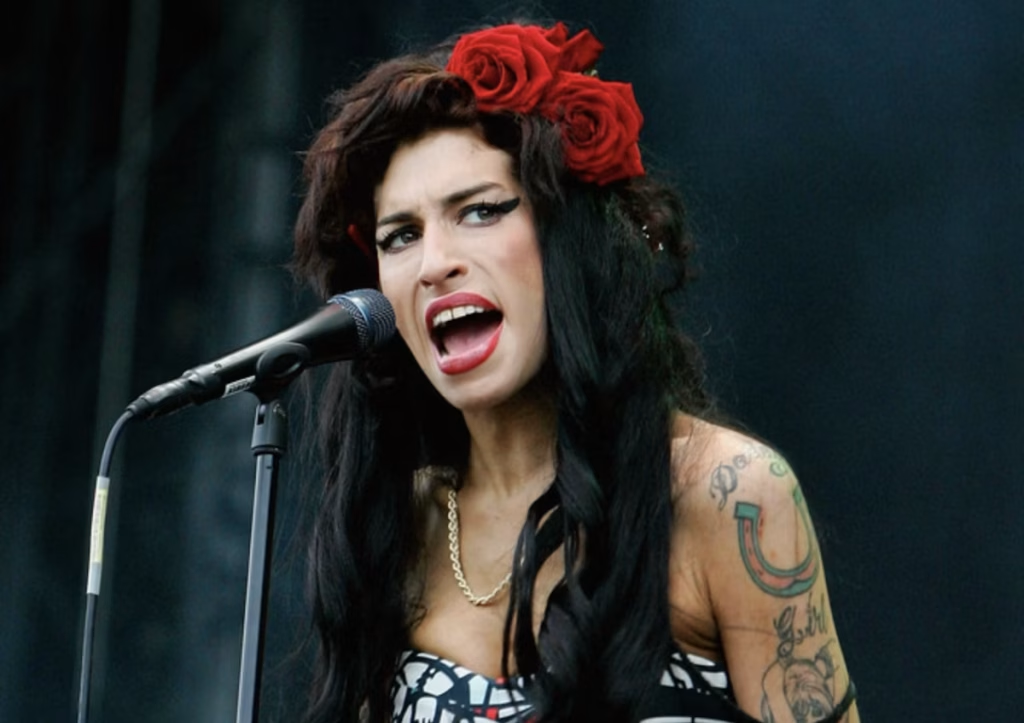
Winehouse’s voice and style remain iconic. Her story is both a celebration of talent and a cautionary tale about planning for the unexpected, illustrating the complexities of legacy in the music world.

10. Heath Ledger
Heath Ledger died in 2008 at the height of his career. While he had a will, it hadn’t been updated, leaving his $16.3 million estate to his parents and siblings instead of his daughter or her mother.

Ledger’s posthumous Oscar-winning performance as the Joker highlighted the bittersweet reality that a star’s greatest work can sometimes come after their death. His legacy underscores the importance of legal foresight for artists.

9. Prince
Prince’s 2016 death left a $156 million estate and no will, triggering six years of legal wrangling with more than 45 people claiming to be heirs. Lawsuits and financial disputes dominated headlines for years.

Despite the chaos, Prince’s music and influence remain untouchable. His story serves as a lesson on the importance of planning, even for the most brilliant and creative individuals.

8. Aretha Franklin
Aretha Franklin, the Queen of Soul, died in 2018 without a will, leaving $80 million in assets and numerous family members, plus the IRS, involved in disputes.

The lengthy probate process underscored the pitfalls of neglecting estate planning, but Franklin’s voice, artistry, and cultural impact continue to shine, proving that talent transcends legal complications.

7. Bob Marley
Bob Marley’s 1981 death without a will triggered decades of legal battles among family members, bandmates, and others, surrounding his $11.5 million estate.

The disputes often overshadowed Marley’s legacy, but his music and message of unity have grown stronger over time. His estate saga highlights how legal ambiguity can complicate a star’s enduring influence.

6. Jimi Hendrix
Jimi Hendrix passed away in 1970 with an estate of just $20,000, which eventually ballooned to $175 million amid decades of family and royalty disputes.

Hendrix’s musical influence remains unparalleled, but the estate battles show that even legends can leave complicated legacies behind. His story serves as a lesson for artists and their families alike.

5. Carrie Fisher
Carrie Fisher’s 2016 death stunned fans of Star Wars. Using CGI, filmmakers brought her back to complete The Rise of Skywalker, sparking debates about the ethics of digital resurrection.

Her daughter, Billie Lourd, helped ensure her mother’s legacy was respected. Fisher’s story demonstrates how technology is transforming the way Hollywood handles posthumous performances.

4. Robin Williams
Robin Williams left instructions to control his image after death, including a 25-year limitation on the use of his likeness. Yet, after restrictions expire, his image could still be used by estates or studios.

Williams’ case highlights both the possibilities and limitations of legal protections for celebrity legacies, raising broader questions as AI and CGI make digital resurrection increasingly common.

3. Tony Todd
Tony Todd, known for his horror icon roles, scripted a poignant farewell for Final Destinations: Bloodlines (2025), aware of his limited time.

His carefully crafted final performance illustrates how actors can shape their legacies even in death, showing the emotional weight and power of art to connect with audiences beyond life.

2. Johnny Wactor
Johnny Wactor’s death during a 2024 robbery threatened to halt the film Ciao, Mama. His brother, Lance, stepped in to help complete his lines, ensuring the movie’s release.
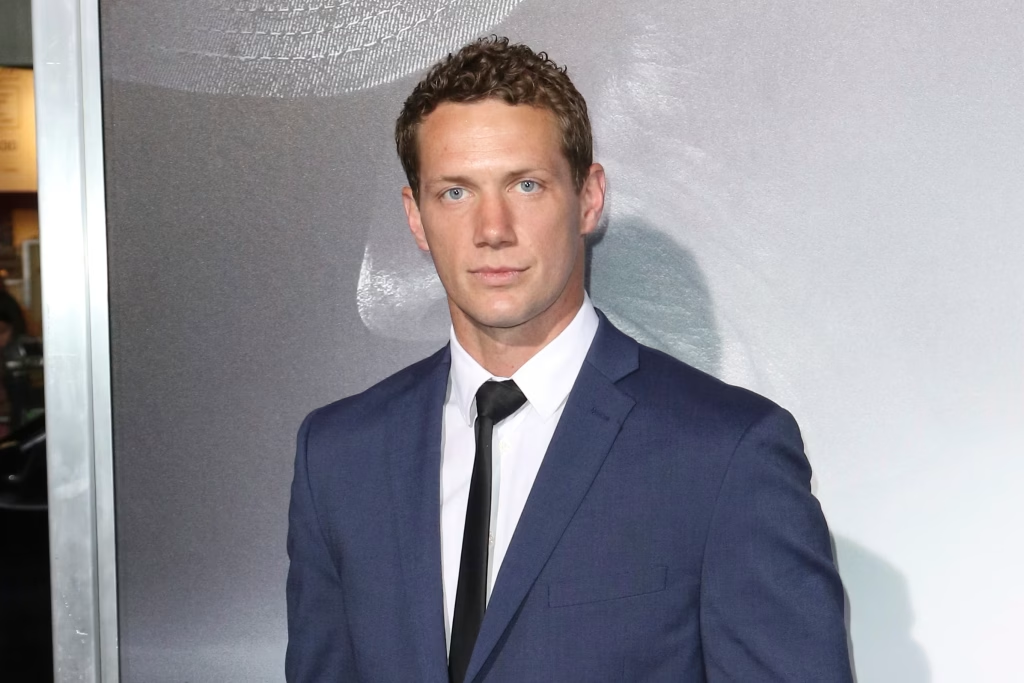
This collaboration between family and industry highlights the deep personal connections that shape a star’s final work, allowing fans to say goodbye while honoring the artist’s memory.

1. The Rise of AI and Digital Immortality
Hollywood is entering a new era where AI allows deceased actors to “return” to the screen. From James Dean to Carrie Fisher and Paul Walker, technology offers digital immortality.

But this innovation comes with legal and ethical challenges. Questions about rights, consent, and the potential displacement of living actors blur the line between tribute and exploitation, making the future of legacy in Hollywood both fascinating and uncertain.

The deaths of these stars have reverberated far beyond the initial shock. From legal battles and family disputes to digital resurrection and AI-generated performances, each loss reshaped Hollywood’s approach to legacy, intellectual property, and the ethics of storytelling. Their lives, and the ways the industry has responded to their deaths, remind us that in Hollywood, even in death, some stars never truly fade.