


15. Elizabeth Taylor: A Hollywood Icon Who Faced Addiction Head-On
Elizabeth Taylor’s fight with alcoholism and prescription drug dependence became one of the most talked-about struggles in Hollywood history. At her lowest points, she reportedly spent entire filming days too intoxicated to deliver her lines, with her career and personal life hanging by a thread.
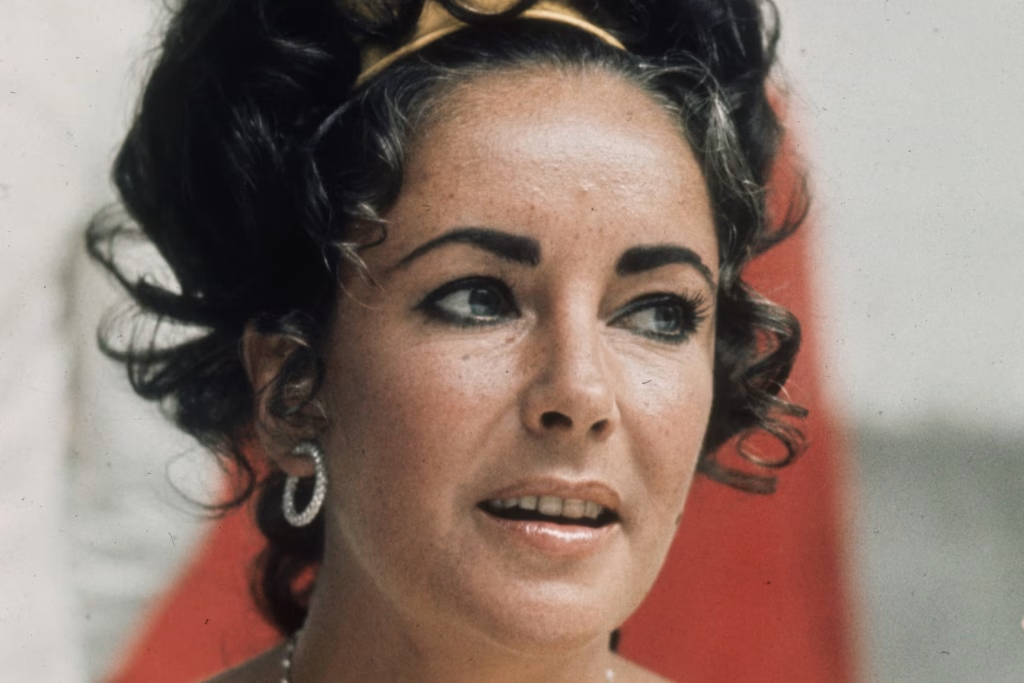
In 1983, Taylor made a bold and historic decision by checking herself into the Betty Ford Center, becoming the first major celebrity to do so. Her choice helped normalize seeking treatment and encouraged others to step forward without fear of public shame.

Personal writings from her time in rehab paint a harrowing picture—racing heartbeats, crushing fatigue, and the brutal reality of withdrawal. Though her health declined later in life and contributed to her passing at 79, Taylor’s openness transformed conversations around addiction and left behind a lasting legacy of resilience and advocacy.

14. Johnny Depp: When Addiction Took Everything
Johnny Depp’s struggle with alcohol intensified during the aftermath of his divorce from Amber Heard. He has spoken openly about starting his mornings with vodka, writing through tears, and spending tens of thousands of dollars each month on wine alone.
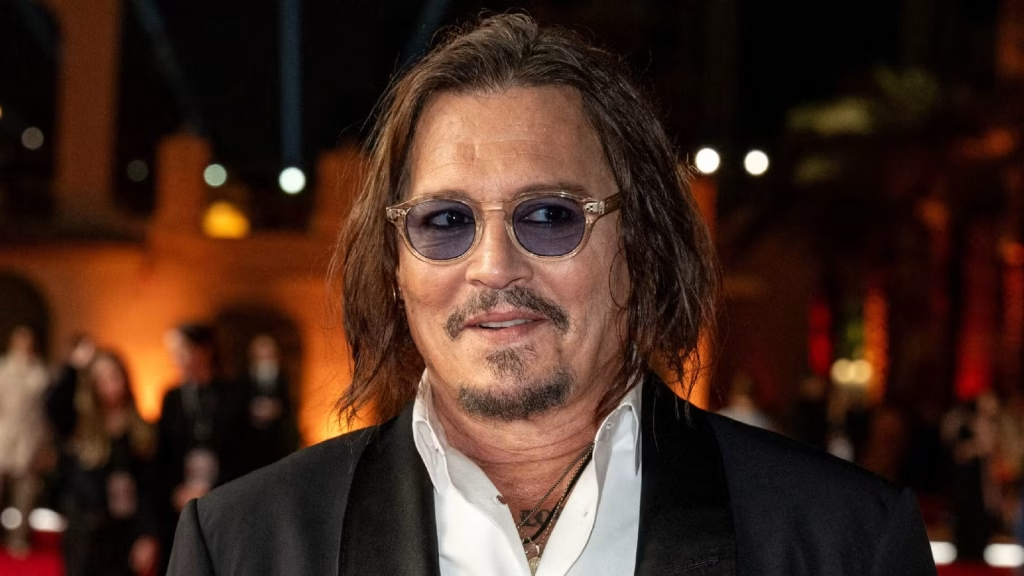
The excess eventually spiraled into emotional turmoil and financial chaos, forcing Depp to confront the roots of his self-destructive habits. Stepping away from alcohol, he turned to music and writing as healthier forms of expression.

His brutally honest reflections serve as a reminder that fame, wealth, and success offer no immunity from addiction—and that recovery often begins with painful self-awareness.

13. Michael Phelps: Beneath the Gold Medal
Despite being the most decorated Olympian in history, Michael Phelps found himself battling alcohol abuse following his second DUI arrest. Initially unsure whether drinking was truly his problem, Phelps later recognized how closely it was tied to untreated depression and emotional burnout.

By speaking publicly about his struggles, he helped shatter myths surrounding athletes and addiction. His willingness to seek treatment and prioritize mental health has inspired countless others to acknowledge their own challenges and pursue recovery.

12. Tim McGraw: Breaking Free From “Liquid Courage”
For years, Tim McGraw relied on alcohol to calm his nerves before performances—a habit deeply influenced by the binge-drinking culture of his Louisiana roots. Over time, what began as confidence-boosting behavior grew into something far more destructive.

Recognizing the toll it was taking on his family and career, McGraw chose sobriety just before a major tour, calling it one of the hardest decisions he’s ever made. By confronting emotional wounds and dismantling the excuses behind his drinking, he rebuilt his life from a place of honesty and vulnerability.

11. Kat Von D: Choosing Sobriety—and Sharing It
Kat Von D has turned her sobriety into a public message of hope, marking each year alcohol-free with her followers online. She’s described her former lifestyle as an “addiction to chaos,” one that was glamorized within creative circles.

Art became her anchor during recovery, helping her regain clarity and stability. By openly discussing both her destructive past and her joy in sobriety, Von D has become a source of encouragement for those navigating recovery themselves.

10. Colin Farrell: Recovery Without Illusions
Colin Farrell has referred to his addiction as a familiar story—messy, painful, and deeply human. After finishing Miami Vice, he found himself emotionally adrift, prompting another return to rehab in hopes of repairing relationships and regaining control.
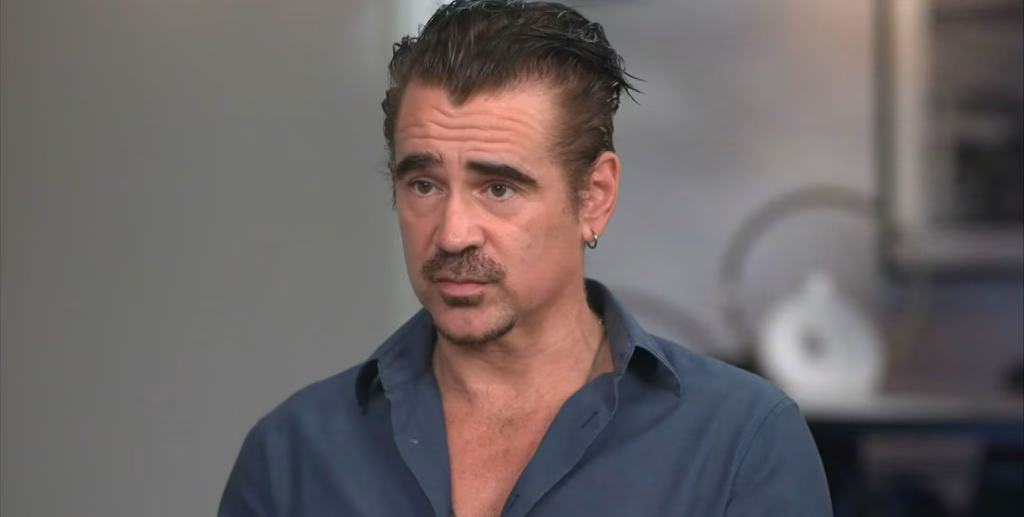
Farrell emphasizes that recovery isn’t a one-time victory but an ongoing commitment. He’s particularly vocal about dismantling the stigma surrounding addiction, especially in cultures that equate masculinity with emotional suppression.

9. Zac Efron: Fame Came First—Addiction Followed
Zac Efron’s rapid rise to stardom brought intense pressure, and alcohol soon became a coping mechanism. Working on party-heavy films like Neighbors blurred boundaries, leading to repeated rehab visits within a short span of time.

Efron has described addiction as a lifelong challenge, one he continues to manage through therapy and Alcoholics Anonymous. His willingness to discuss embarrassment, setbacks, and growth offers reassurance to others trying to recover under constant scrutiny.

8. Edie Falco: Turning Personal Pain Into Powerful Art
Edie Falco’s own history with addiction deeply informed her performance as Nurse Jackie. With more than 25 years of sobriety, she found the role both affirming and emotionally difficult—especially when her character relapsed.

Falco has praised the show for portraying addiction honestly, without neat resolutions or glamorization. Her work demonstrates how lived experience can elevate storytelling and foster deeper understanding.

7. Daniel Radcliffe: Escaping Fame Through Alcohol
After becoming world-famous as a teenager, Daniel Radcliffe used alcohol to cope with constant public attention. He has described himself as having an inherently addictive personality and admitted to drinking daily during that period.

Support from close friends helped him find healthier ways to manage pressure and seek help. By speaking candidly about his struggles, Radcliffe challenges the myth that success shields people from inner turmoil.

6. Ben Affleck: Recovery as a Lifelong Practice
Ben Affleck has never hidden the fact that sobriety is an ongoing journey for him. After multiple rehab stays, including a 40-day inpatient program followed by outpatient care, he’s emphasized that addiction requires constant vigilance.

Affleck hopes his transparency encourages others to seek treatment without shame. His story reflects persistence, accountability, and the courage it takes to keep starting again.

5. The Outrun: From Memoir to Screen
Amy Liptrot’s memoir about recovering from alcoholism while returning to Scotland’s Orkney Islands was later adapted into a film starring Saoirse Ronan. Watching her life reimagined on screen felt surreal—like confronting a distorted reflection of herself.

Liptrot remained involved in the adaptation process, helping preserve the emotional truth while maintaining personal distance. The film stands as a quiet, moving exploration of healing through place, solitude, and connection.
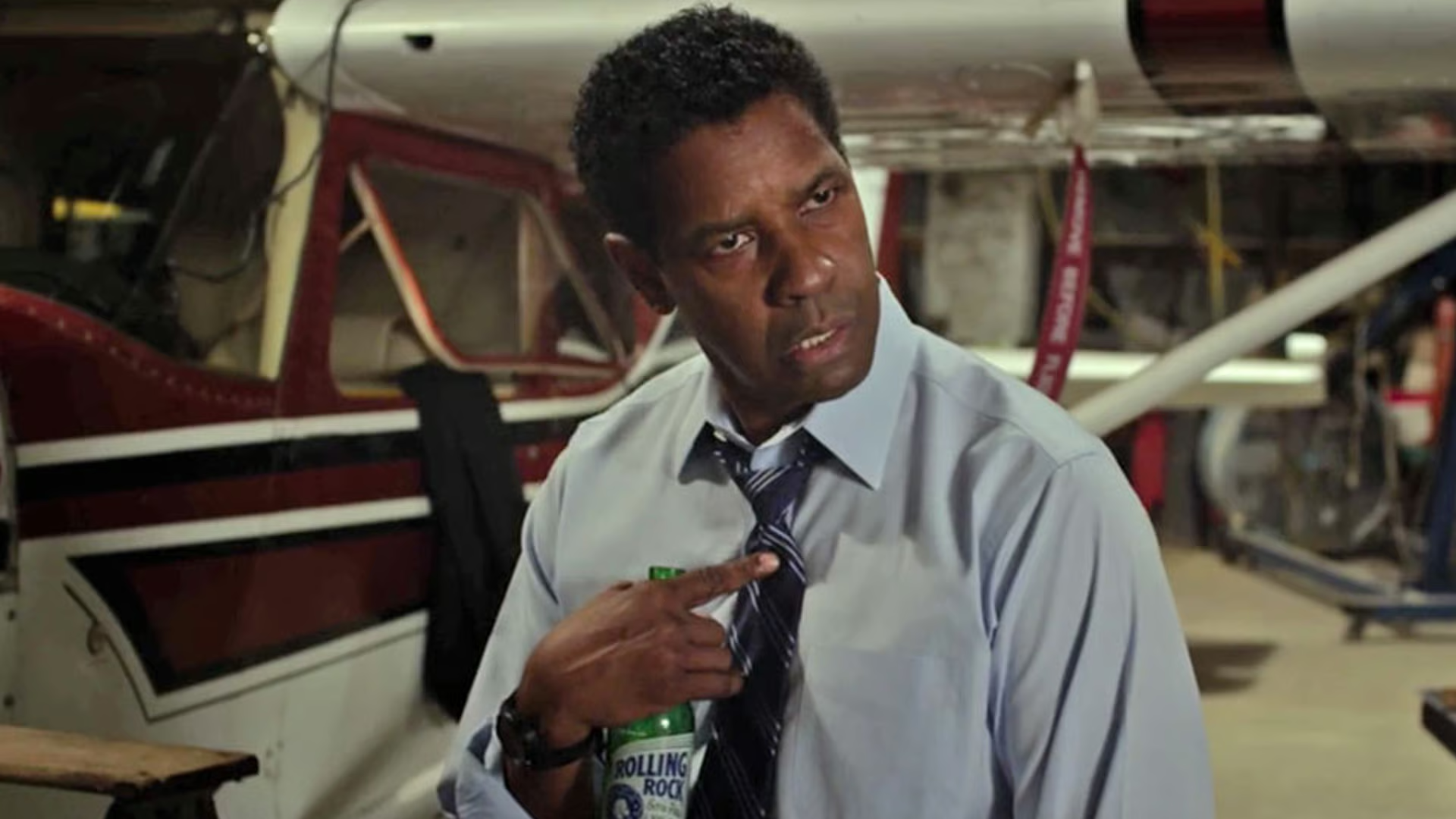
4. Flight (2012): A Stark Portrait of Functional Addiction
Denzel Washington’s portrayal of pilot Whip Whitaker offers one of cinema’s most honest depictions of “functional” alcoholism. Though outwardly competent, Whitaker’s addiction slowly unravels his life until catastrophe forces him to face the truth.

The film avoids sensationalism, instead focusing on denial, consequences, and accountability. It remains one of the rare movies that captures addiction’s complexity without romanticizing it.
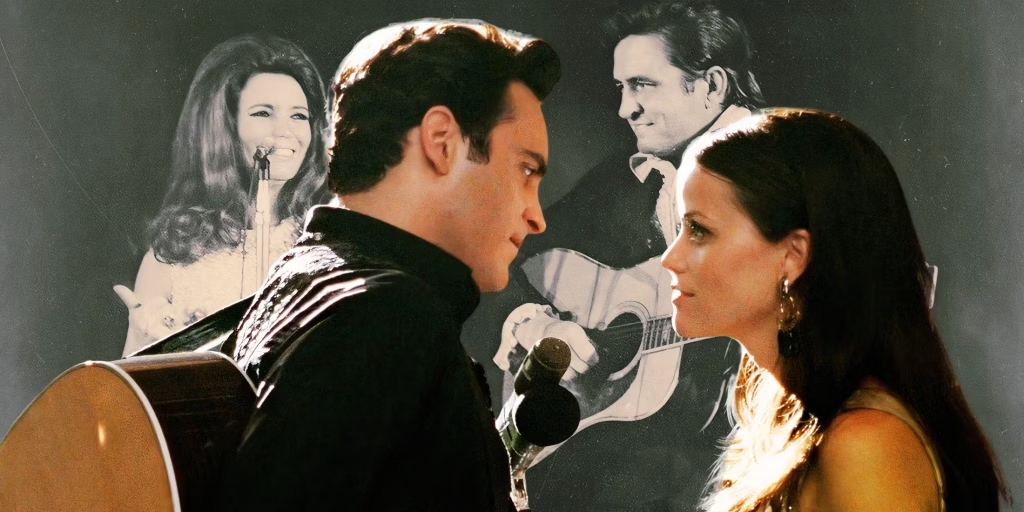
3. Walk the Line (2005): Johnny Cash’s Demons
Walk the Line traces Johnny Cash’s rise to fame alongside his destructive dependence on alcohol and pills. The film presents addiction as both fuel and threat—deeply intertwined with creativity yet capable of destroying everything it touches.
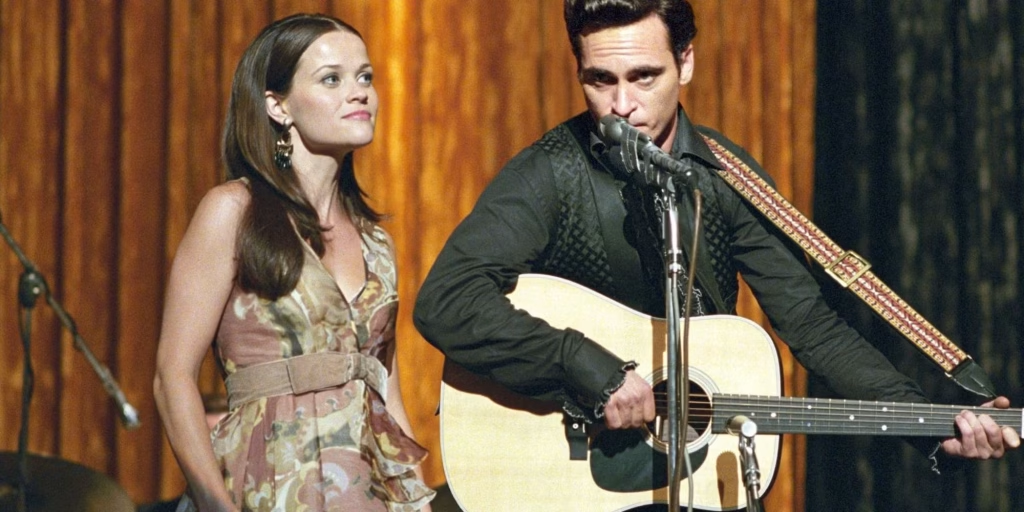
By refusing to soften Cash’s struggles, the movie resonates with audiences who recognize the chaos of substance abuse in their own lives.

2. The Marvelous Mrs. Maisel: Letting Go of the Crutch
Early seasons of The Marvelous Mrs. Maisel show Midge using alcohol as emotional armor during her stand-up routines. Over time, she realizes her confidence and talent don’t actually depend on drinking.

The show’s subtle shift away from alcohol reflects personal growth rather than dramatic intervention, offering a relatable portrayal of outgrowing unhealthy coping mechanisms.

1. How Hollywood Really Portrays Drinking
On screen, alcohol is an illusion. Actors rarely consume real liquor during filming—iced tea, juices, and non-alcoholic substitutes stand in for spirits and wine. Fake ice cubes ensure visual consistency, while performers rely on acting techniques to convey intoxication authentically.

Actors are often coached to play the attempt to seem sober rather than exaggerated drunkenness, creating more realistic scenes. While movies can sometimes glamorize drinking, behind the camera, the focus ison safety, professionalism, and telling these stories responsibly.