


Anime has been exploring queerness for far longer than many people realize, sometimes openly, sometimes through metaphor, symbolism, and subtext. Whether it’s characters who challenge gender norms, same-gender romances that broke barriers, or series that quietly spoke to queer audiences long before representation was mainstream, these stories have left a lasting impact. Here are 15 LGBTQ+ anime characters and series that helped shape queer visibility in animation, and continue to resonate today.
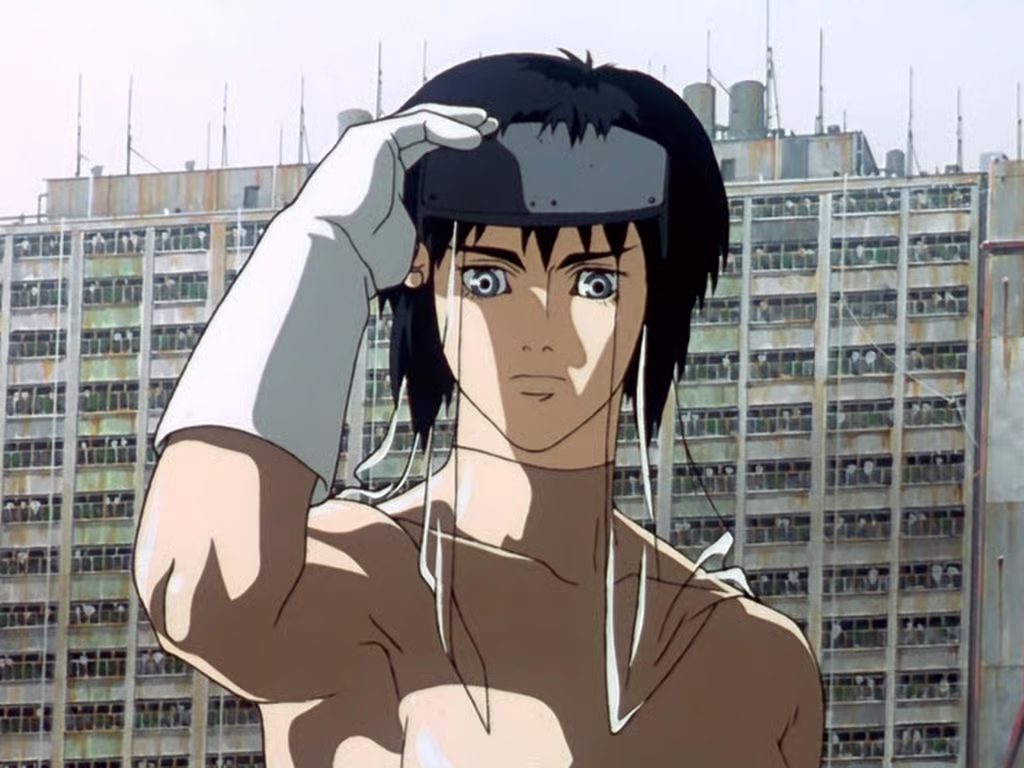
15. Motoko Kusanagi (Ghost in the Shell)
Major Motoko Kusanagi has been questioning identity long before those conversations became mainstream. As a fully cybernetic being, her relationship with her body, gender, and sense of self exists outside traditional binaries, making her endlessly compelling for queer audiences.

Her presentation is fluid, her relationships resist easy labels, and her story constantly asks what it means to be human, or yourself, in a technological world. Some of her queerness is explicit, much of it is implied, but all of it invites interpretation. Motoko’s influence stretches far beyond anime, shaping Western sci-fi and queer speculative fiction alike. She remains a symbol of possibility, ambiguity, and self-definition.

14. Sailor Neptune & Sailor Uranus (Sailor Moon)
Few anime couples are as legendary as Sailor Neptune and Sailor Uranus. Confident, stylish, and deeply devoted to each other, they were many viewers’ first exposure to a same-gender romance, whether the censors liked it or not.

In Japan, their relationship was clearly romantic. Western localization famously attempted to rewrite them as cousins, a move that only made their love more obvious. Despite those edits, their bond endured. Their presence in a mainstream magical girl series was revolutionary, and they remain cherished icons within the LGBTQ+ anime community.

13. Utena Tenjou (Revolutionary Girl Utena)
Utena Tenjou isn’t interested in becoming a princess; she wants to be a prince. That simple rejection of gender expectations powers one of anime’s most surreal and deeply queer series.

Revolutionary Girl Utena is drenched in symbolism, from roses and duels to power dynamics and desire. At its core is Utena’s relationship with Anthy, a romance that’s as tender as it is unsettling. Utena helped redefine what yuri and queer storytelling could look like, influencing countless creators and viewers along the way.

12. Haruhi Fujioka (Ouran High School Host Club)
Haruhi Fujioka’s gender indifference made her quietly revolutionary. She doesn’t define herself by labels, doesn’t correct people who misgender her, and doesn’t see gender as central to her identity at all.

That calm confidence has made Haruhi a favorite among non-binary, gender-fluid, and pan-romantic fans. While the series often plays with queerness for humor, Haruhi herself is always treated with sincerity. Years later, she remains a touchstone for conversations about evolving queer representation in shoujo anime.

11. Ryouji “Ranka” Fujioka (Ouran High School Host Club)
Ranka Fujioka stands out as one of anime’s rare queer parents. A flamboyant drag performer who deeply loves and supports Haruhi, Ranka is treated with affection by the main cast—even if some outdated language hasn’t aged well.

While terms used in the series are now recognized as harmful, Ranka’s characterization was progressive for its time. Their queerness is never the punchline, and their love for Haruhi is unwavering. Many fans now view Ranka as a transfeminine or non-binary figure, imagining how the character could be handled with more care in a modern adaptation.

10. Sayaka Miki (Puella Magi Madoka Magica)
Sayaka Miki’s story is one of devotion, heartbreak, and self-destruction, elements that resonated deeply with queer viewers. Her intense emotions, especially toward Kyoko, have made her a lasting queer-coded icon.
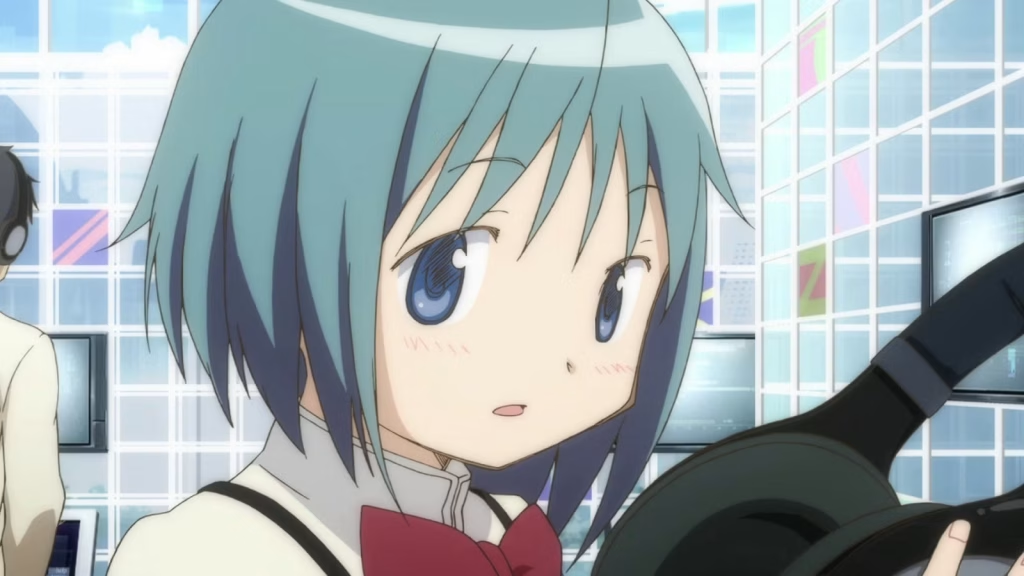
Her arc captures the pain of unreturned love and the cost of sacrificing yourself for others. Even without explicit confirmation, Sayaka’s struggles mirror many real-life queer experiences. She remains one of the most emotionally impactful characters in the magical girl genre.

9. Grell Sutcliff (Black Butler)
Grell Sutcliff is impossible to ignore. Loud, dramatic, stylish, and openly identifying as a woman, she broke ground for trans visibility in anime, even while embodying problematic tropes.

As a villain, Grell fits into the “evil queer” archetype, which has sparked ongoing debate. Still, her confidence, fashion, and refusal to apologize for who she is have earned her a devoted following. Grell represents both progress and imperfection, a reminder of how far representation has come, and how far it still has to go.

8. Yoruichi Shihōin & Suì-Fēng (Bleach)
Bleach never confirms it outright, but the emotional intensity between Yoruichi and Suì-Fēng speaks volumes. Their shared past, unresolved feelings, and charged reunions drip with subtext.

Yoruichi’s confidence contrasts beautifully with Suì-Fēng’s rigid devotion, creating a dynamic that fans have embraced for years. Their relationship is one of shonen anime’s most beloved wlw ships. Sometimes, subtext is enough, and this pairing proves it.
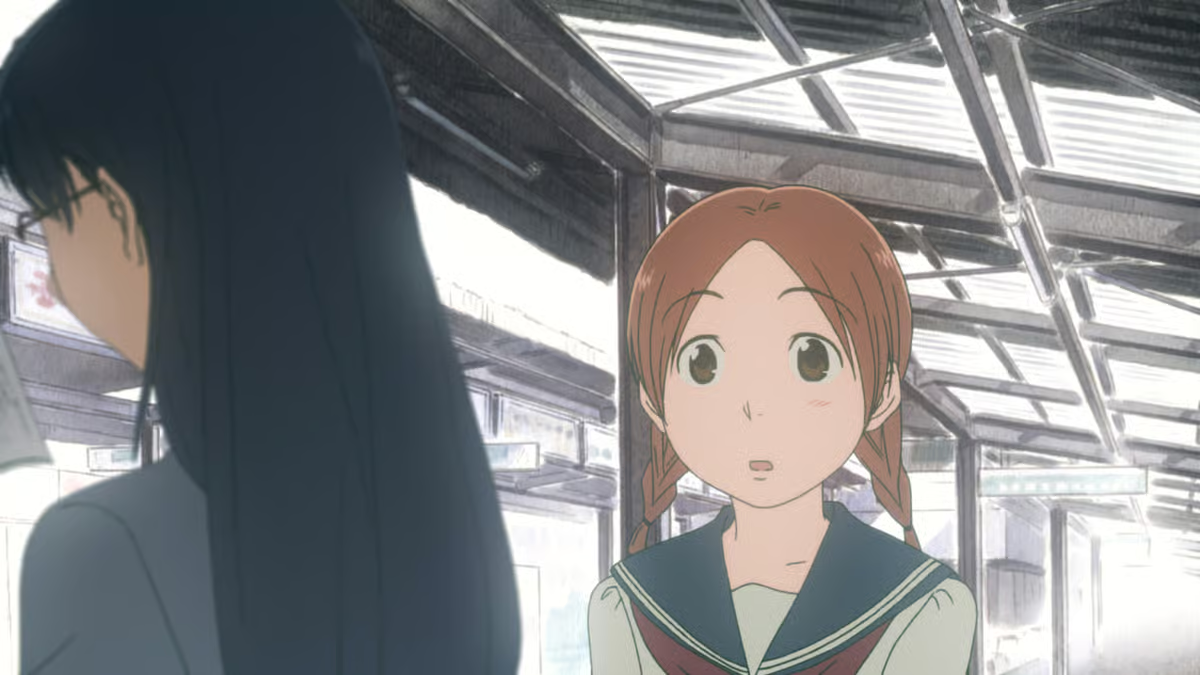
7. Sweet Blue Flowers (Aoi Hana)
Quiet, tender, and deeply human, Sweet Blue Flowers tells a coming-of-age story about two girls rediscovering their feelings for each other.

Rather than relying on melodrama, the series focuses on small moments, glances, conversations, and uncertainty. It treats lesbian love as normal, gentle, and sincere. It’s often recommended as essential viewing for anyone seeking authentic yuri storytelling.
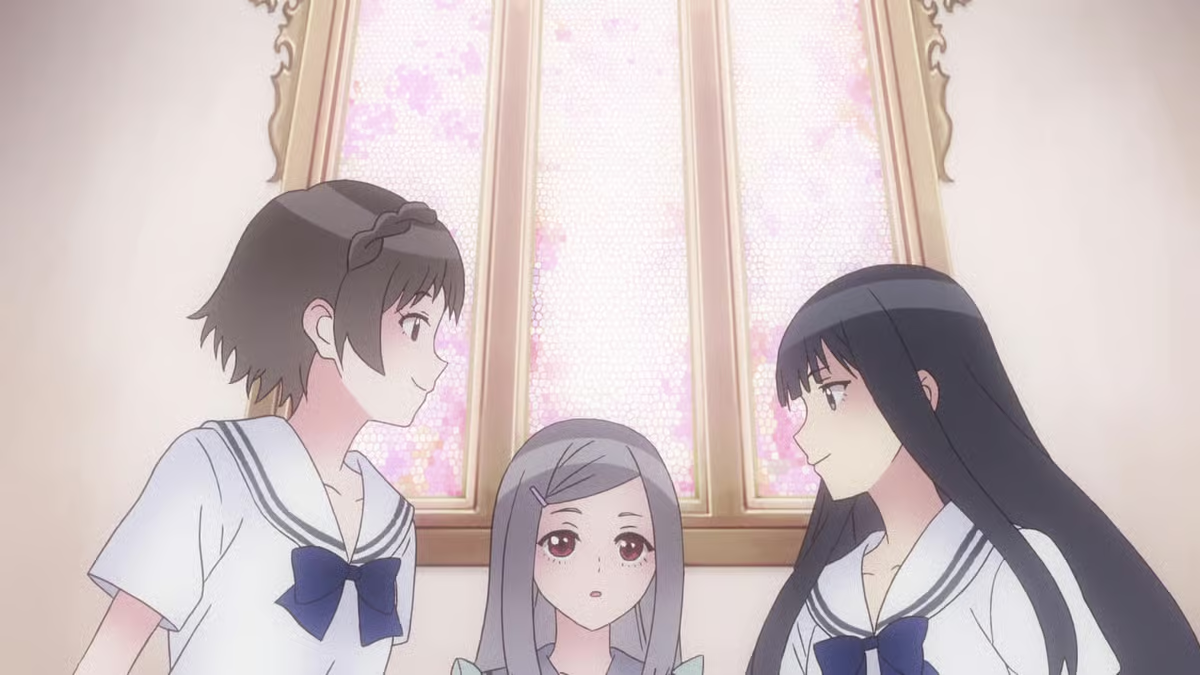
6. Blue Reflection: Second Light
This yuri-forward JRPG doesn’t hide what it is. Blue Reflection: Second Light centers emotional intimacy, vulnerability, and romantic bonds between girls without sensationalizing them.

Relationships grow through shared trauma and support, making the connections feel earned and heartfelt. There’s no shock value, just warmth and honesty. It’s a standout example of queer storytelling done with care in gaming and anime-adjacent media.
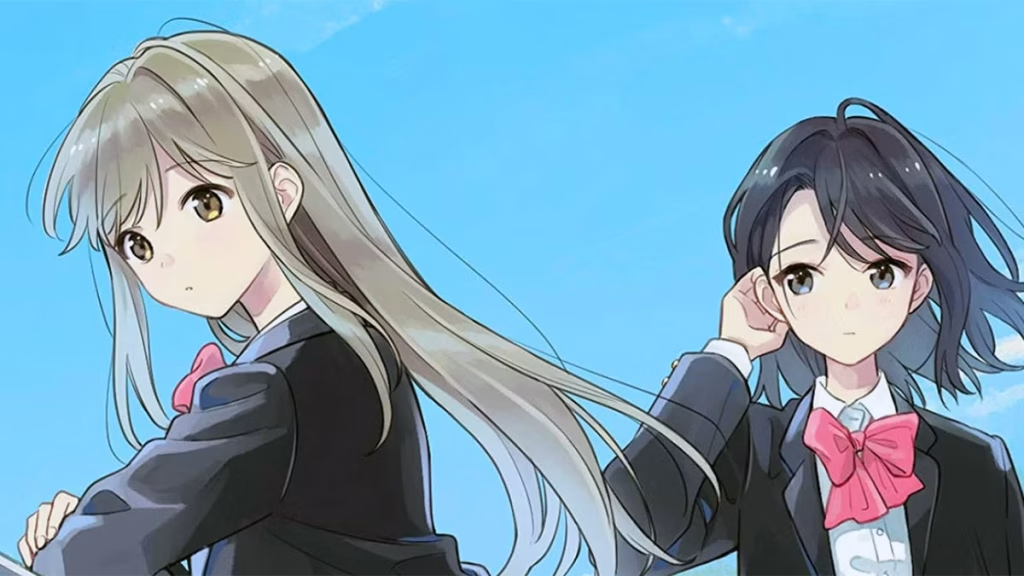
5. Adachi and Shimamura
This slow-burn romance captures the awkward, uncertain process of falling in love with your best friend. It’s tender, introspective, and painfully relatable.

The series focuses on emotional honesty rather than grand gestures, letting feelings evolve naturally. For many fans, that realism is what makes it special. It’s a quiet but powerful addition to modern yuri anime.

4. Canaan
Canaan blends high-octane action with an intense emotional bond between its female leads. Amid gunfights and espionage, the connection between Canaan and Maria grounds the story.

Their relationship isn’t sidelined; it’s essential. The show dares to center women-loving-women dynamics in a genre that rarely does. Stylish and unapologetic, Canaan remains a standout.

3. Sakura Trick
Playful, sweet, and openly affectionate, Sakura Trick embraces the joy of discovering queer feelings. While heavy on fan service, it’s also sincere in its celebration of young love.

The series focuses on two friends navigating what it means to want more and not knowing what to do with that realization. It’s a beloved classic for fans who enjoy lighthearted yuri with heart.

2. Jakotsu (Inuyasha)
Jakotsu made waves as a flamboyant, gender-nonconforming villain in a mainstream shonen anime. Confident and openly flirtatious, he challenged norms in early-2000s television.

Though his role as a villain raises questions about trope usage, his unapologetic queerness left a strong impression on fans. Jakotsu remains one of Inuyasha’s most memorable characters, and a reminder of queer presence even in unexpected places.

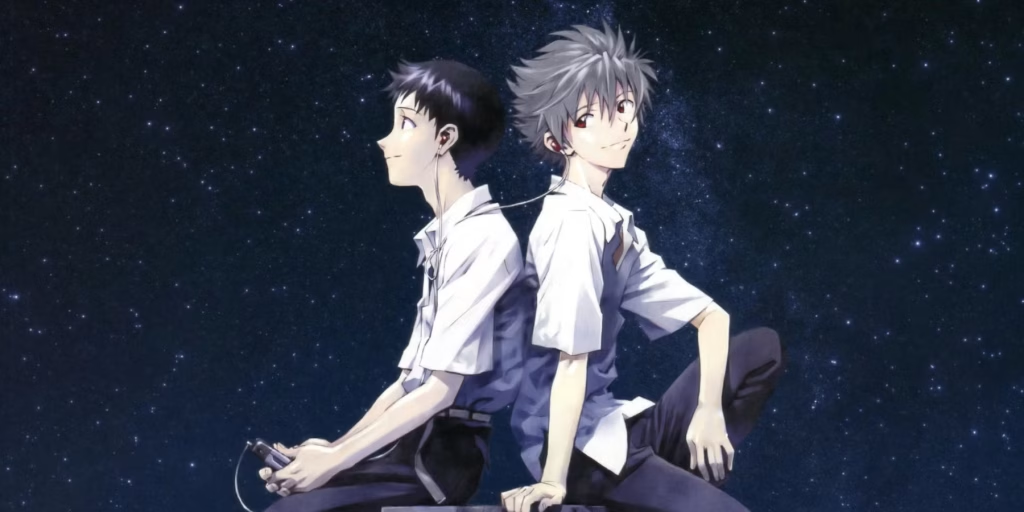
1. Kaworu Nagisa (Neon Genesis Evangelion)
Kaworu Nagisa’s brief appearance reshaped queer coding in anime forever. His gentle affection toward Shinji, including an explicit declaration of love, was groundbreaking.

In just one episode, Kaworu embodied tenderness, understanding, and tragic inevitability. His impact far outweighs his screen time. Decades later, he remains a symbol of queer longing, connection, and emotional honesty.
Queer representation in anime hasn’t always been perfect, but it’s always been present. From explicit romances to layered subtext and metaphor, these characters and series helped LGBTQ+ fans see themselves reflected on screen. They opened doors, sparked conversations, and proved that anime has always been a space for stories that challenge norms and celebrate identity.