

The representation of LGBTQ+ in animation has progressed from the subtle coding of subtext to stories that celebrate the characters without apology. These series not only include the LGBTQ+ experience but also allow it to be a part of the adventures, friendships, romances, and growth that happen in the story. The following anime and animated series are special in their own way as they have normalized, celebrated, and explored the LGBTQ+ experience. Whether it is explicit or a subtle affirmation, each of these series has made a difference in the lives of the viewers.

15. Dead End: Paranormal Park
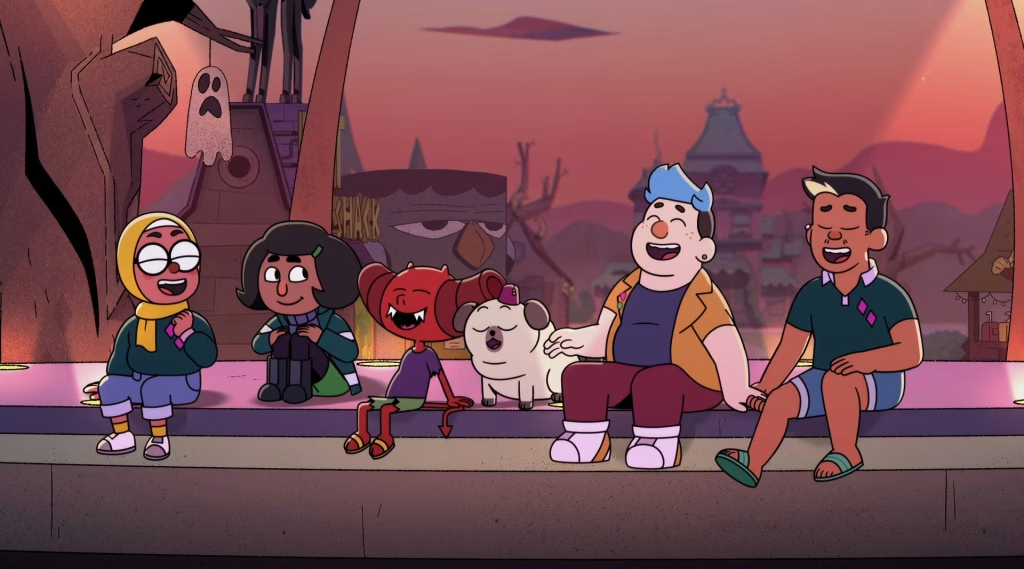
Dead End: Paranormal Park is a trailblazer in terms of LGBTQ+ representation in Western animation. The show takes place in a haunted theme park where demons and mayhem reign. The story revolves around Barney and Norma as they navigate supernatural dangers and typical teenage problems. The blend of horror, comedy, and truth makes the show both entertaining and very personal.
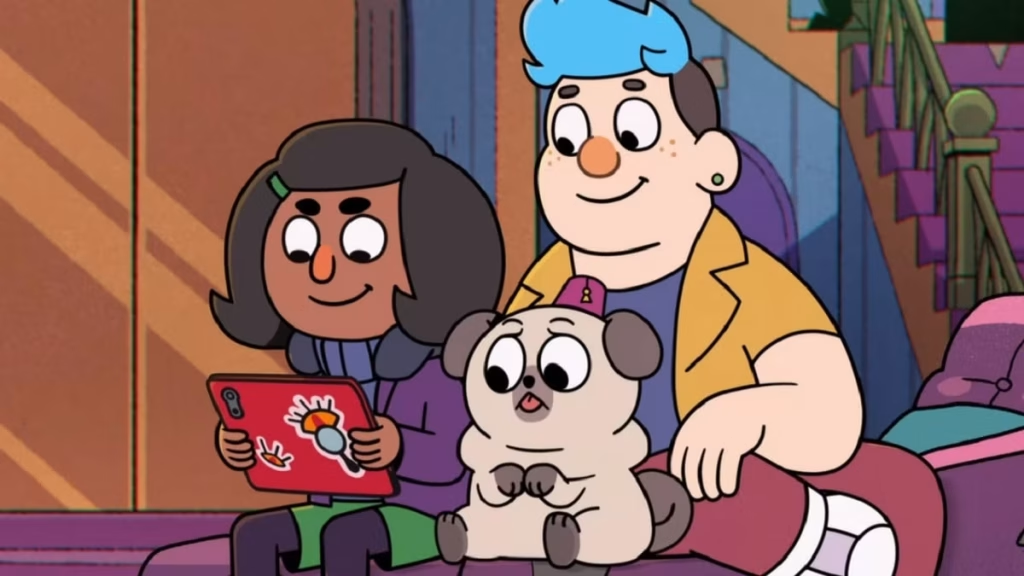
Barney’s trans, gay, and Jewish identity is explicitly stated and not hinted at. The series takes representation for granted and focuses on letting characters like Norma and Badyah simply be. Dead End is special because it allows marginalized kids to be heroes in a world that is strange, scary, and magical, just like life.
14. Steven Universe
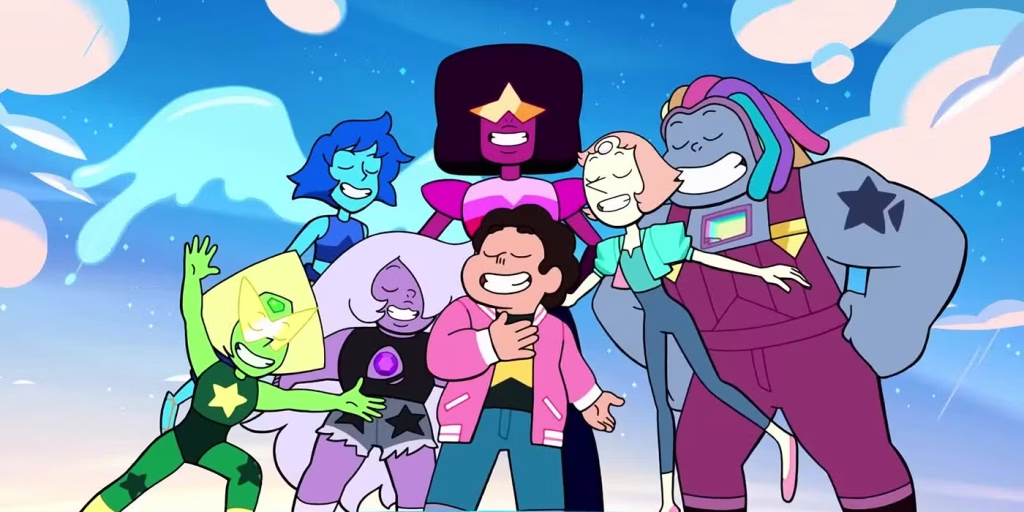
Steven Universe brought a new face to children’s animation with its storytelling complexity and deep inclusivity. The show explores the world of Steven and the Crystal Gems in a way that examines love, identity, trauma, and healing that goes far beyond the colorful surface level.

The LGBTQ+ aspects of the show are seamlessly woven throughout the narrative, from same-gender relationships to non-traditional family structures. Steven Universe not only shattered barriers but obliterated them, proving that animation for all ages could be deeply queer and extremely influential.
13. She-Ra and the Princesses of Power
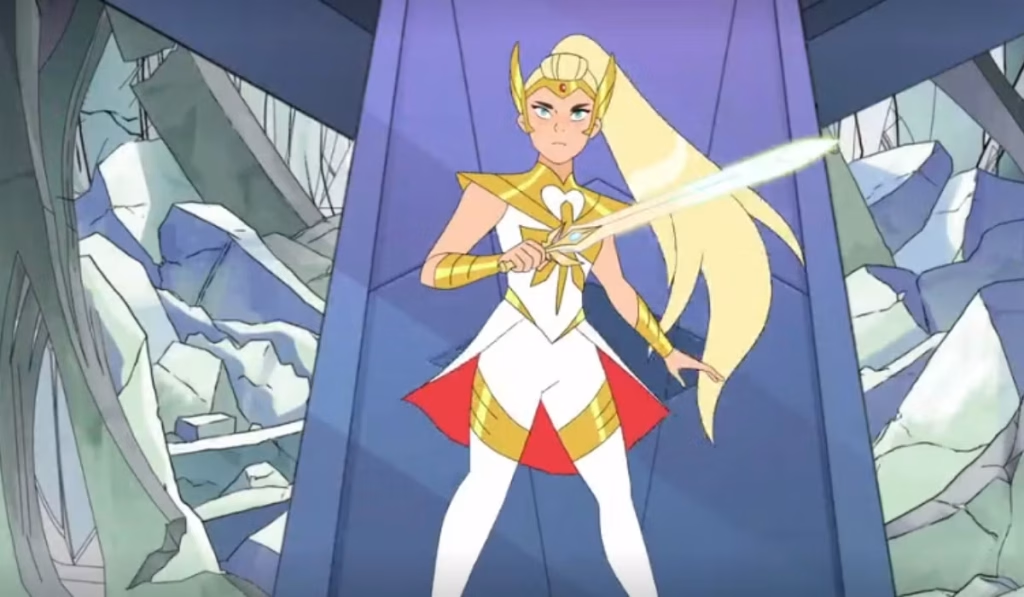
She-Ra and the Princesses of Power is a reinvention of a classic franchise with a modern and inclusive twist. At its heart is Adora’s transformation from a soldier to a heroine, with a supporting cast of princesses and warriors who are fighting against oppression.
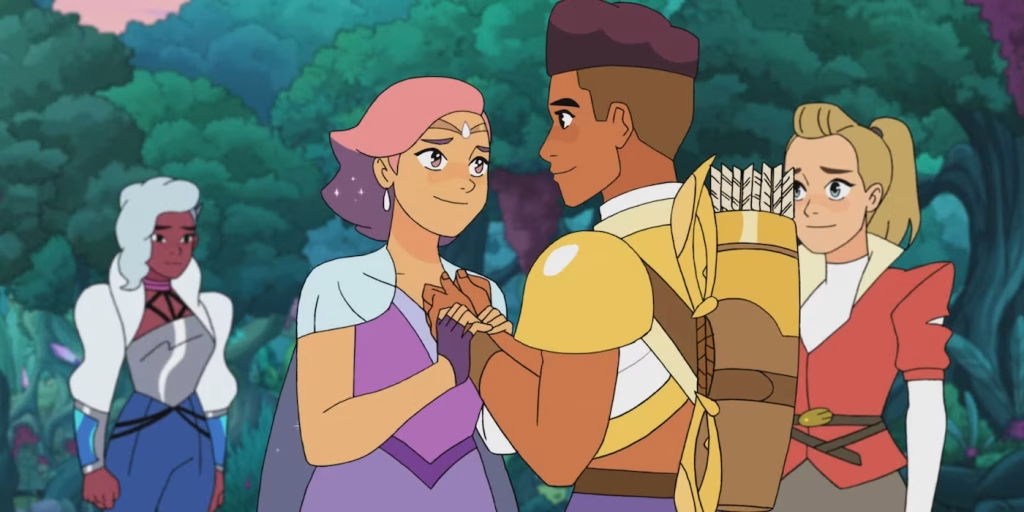
The series’ dedication to diversity is unparalleled, with queer couples, non-binary characters, and a broad spectrum of body types and identities. Its emotional resonance and character-driven narrative made She-Ra a groundbreaking series for LGBTQ+ animation.

12. This Monster Wants to Eat Me
This Monster Wants to Eat Me is a Girls Love horror series that defies conventions. The series revolves around Hinako, a girl with depression, and Shiori, a mermaid monster who insists that she will devour her someday.

At its core is a narrative about survival, connection, and finding reasons to live. Its queer undertones are impossible to ignore, and its willingness to delve into dark emotions makes it a refreshing entry in a genre that is often risk-averse.

11. Sasaki and Miyano
Sasaki and Miyano is a sweet Boys Love series that focuses on emotional truth rather than plot development. A friendship based on shared interests blossoms into something more as the series progresses.

The series’s sweetness is what makes it so effective, conveying the awkwardness and thrill of developing feelings for someone else. Its success has shown that BL anime doesn’t necessarily need to be dramatic to be interesting; it just needs to be true.

10. Bloom Into You
Bloom Into You is a contemplative exploration of queer identity and emotional ambiguity. Yuu’s confusion about her feelings for Touko is the emotional foundation of the series.

Instead of focusing on romance, the series takes its time exploring identity, desire, and vulnerability. Its deliberate pacing and emotional authenticity have made it one of the most popular Girls Love anime of all time.

9. Moyashimon
Moyashimon might be an unexpected inclusion, but its portrayal of a transgender character was a subtle landmark in its own right. This show combines humor with science and character development in a way that is both entertaining and educational, as it takes place at an agricultural university.

Kei’s trans status is handled with care and sensitivity, particularly in the context of when the anime was released. It’s a good reminder that positive representation doesn’t have to be loud to be effective.

8. Revolutionary Girl Utena
Revolutionary Girl Utena is a complex, layered, and endlessly fascinating show that is well worth the analysis it receives. It takes apart and rebuilds the concepts of gender, power, and control in a way that is both beautiful and disturbing, using surreal duels and fairy tale imagery.

At its core is the relationship between Utena and Anthy, which subverts every traditional concept of rescue and romance. Utena’s impact on the representation of queerness in anime cannot be overstated.

7. Flip Flappers
Flip Flappers is a visually explosive anime that is emotion-driven rather than logic-driven. The relationship between Cocona and Papika propels the story, which demands emotional resonance that can sometimes be interpreted as extremely intimate.

Although the anime series never comes out and says who its characters are, the themes of acceptance, fluid identity, and unconditional love are extremely queer-friendly. Flip Flappers is a series that operates in the gray areas and finds strength in them.

6. Given (and the Given Movies)
Given pushed the boundaries of the Boys Love genre with its gritty depiction of grief, love, and emotional healing. The anime series revolves around music and the way relationships develop in the wake of grief.

The movie sequels delve deeper into the side characters, providing complex portrayals of queer relationships at different points in their development. Given is a very heavy anime series, but it is also an extremely validating one, proving that queer stories can be painful and healing at the same time.

5. Princess Jellyfish
Princess Jellyfish is a touching tale of outsiders coming together. The series centers around a group of socially awkward women whose lives are turned upside down by Kuranosuke, a confident and flamboyant cross-dresser.

The series pushes back against beauty standards, gender roles, and women’s expectations. The series’s humor and charm have allowed it to remain a queer-friendly favorite years after its initial release.

4. Tiger & Bunny
Tiger & Bunny offers a superhero setting that is fueled by capitalism and media. One of the most interesting characters in the series is Fire Emblem, a flamboyant and openly trans superhero who subverts initial expectations.
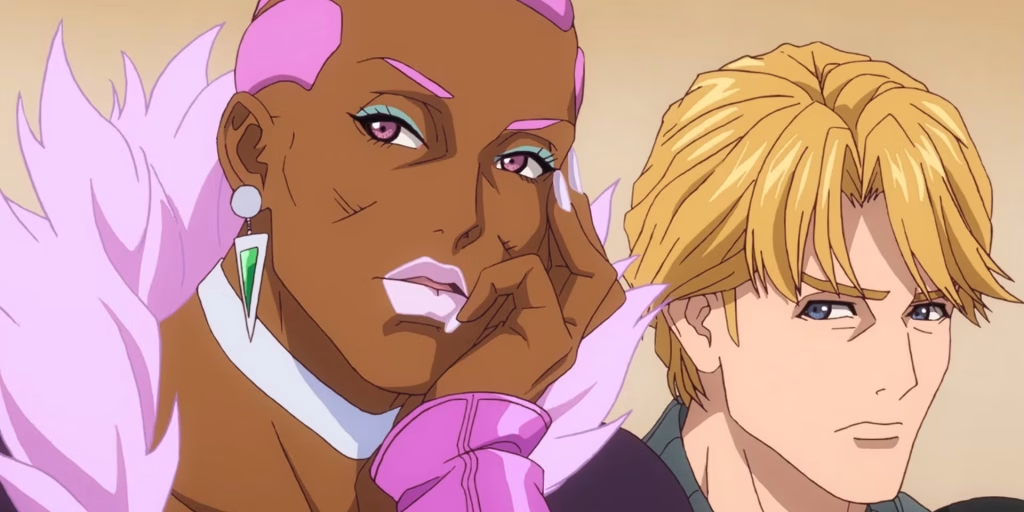
As the series develops, Fire Emblem is given depth and respect, making it one of the most positive trans characters in anime. Tiger & Bunny shows that representation can grow and change over time.

3. Dear Brother
Dear Brother is a highly emotional shojo anime series that deals with jealousy, obsession, and same-gender love straightforwardly. The series is set in an elite girls’ school and deals with relationships that are complicated, painful, and very human.

Dear Brother is one of the few yuri-adjacent anime series that does not idealize suffering. The series’s honesty and emotional impact make it one of the boldest and most adult queer anime of its time.
2. Sailor Moon & Cardcaptor Sakura
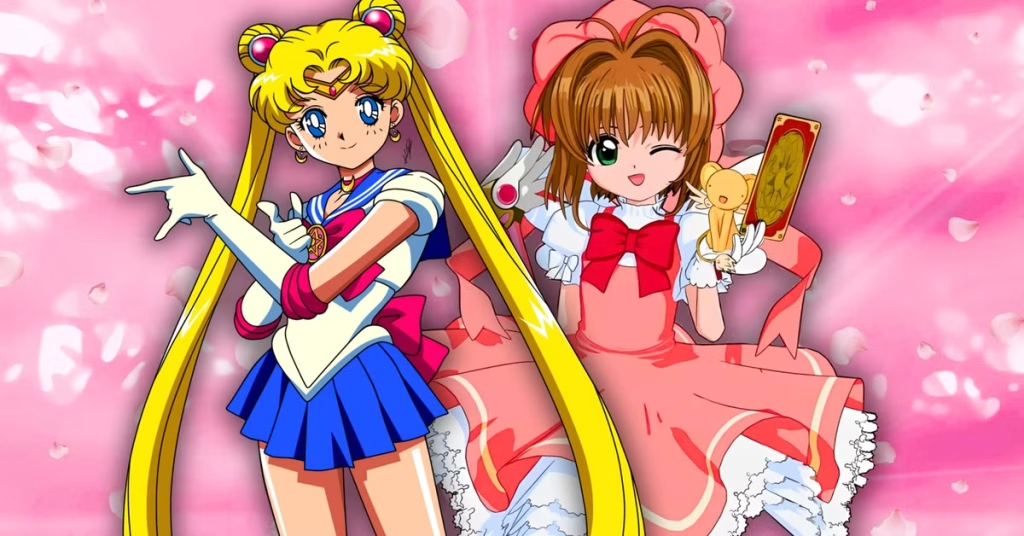
Sailor Moon and Cardcaptor Sakura paved the way for LGBTQ+ representation in mainstream anime. Characters such as Sailor Uranus and Sailor Neptune brought same-gender love to children at a time when it was a rare occurrence in anime and other media.
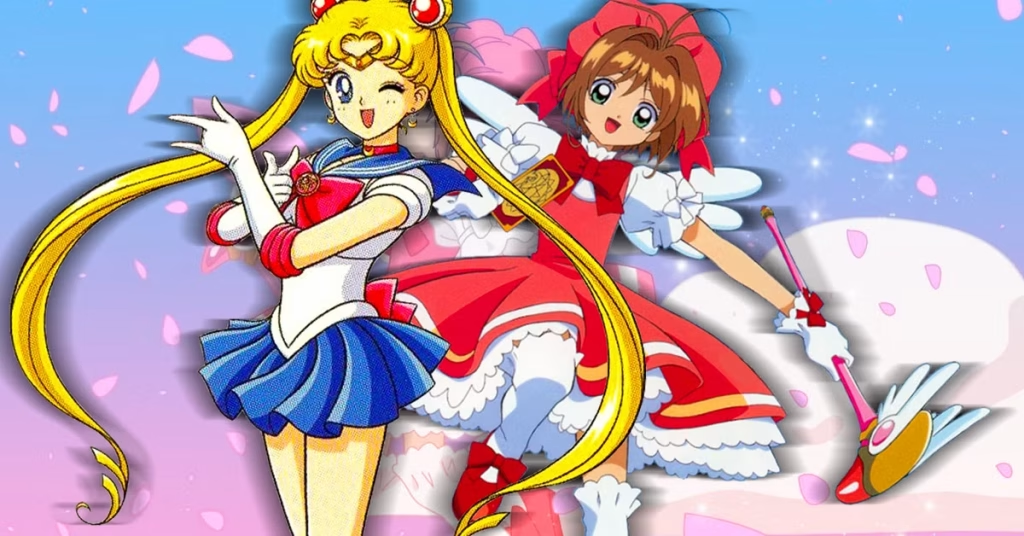
Although often censored abroad, their influence cannot be overstated. These shows showed that queer characters could be included in magical worlds intended for children, and that these stories were important.

1. Queer-Coded Icons in Anime
Motoko Kusanagi and Hange Zoë are characters who occupy the realm between text and subtext. Although they have never been explicitly queer, their disregard for gender and their expected roles has been a huge appeal to the queer community.
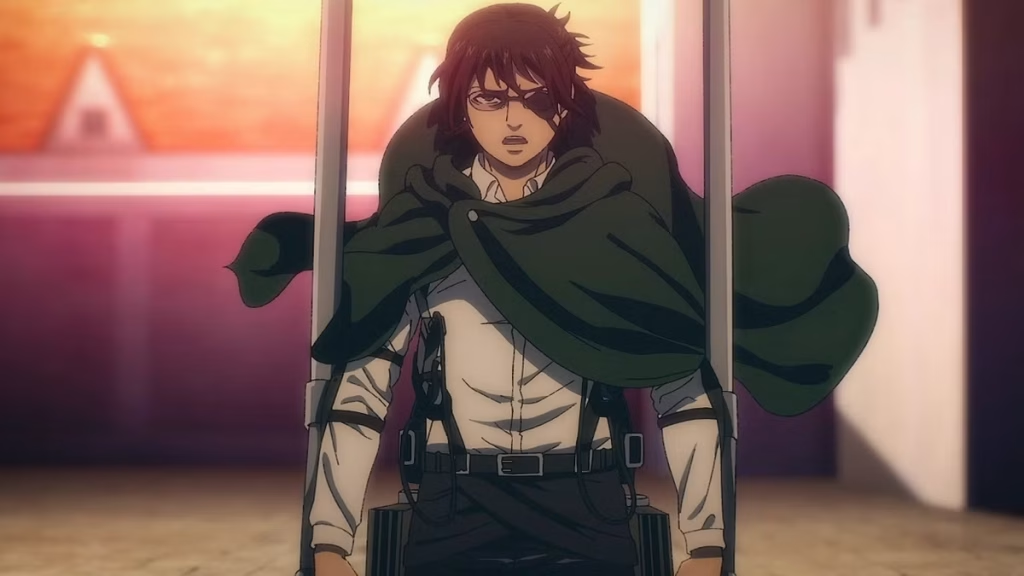
Queer coding can be a complex issue, but it has been instrumental in providing representation for fans when it was least expected. These characters serve as a reminder that the queer presence in anime has always been there, even when it had to be hidden in plain sight.

The representation of the LGBTQ+ community in anime and animation is not just about representation; it is about authenticity, empowerment, and emotional resonance. These shows are a testament to the fact that queer stories can be hilarious, terrifying, touching, and life-changing. As the medium continues to grow and evolve, these shows are a milestone on the journey, a reminder that everyone should be able to see themselves as the hero of the story.