


Disney fans know that Lilo & Stitch isn’t just another animated movie; it’s a cultural landmark. Released in 2002, the film combined heart, humor, and chaos into a story that celebrated Hawaiian culture, family, and the beauty of being an outsider. Stitch, the mischievous blue alien, quickly became an icon for his mix of destructiveness and adorableness, while Lilo and Nani captured the struggles and joys of a family bound by love, not blood.

The announcement of a live-action remake immediately generated excitement and skepticism. For many, the 2002 film wasn’t just entertainment; it was a touchstone of childhood, identity, and representation. Expectations were high, and for good reason.

On the business side, Disney’s new Lilo & Stitch has been a box office powerhouse. The film helped push Disney back to the top of the global market, nearly reaching $1 billion in revenue alongside other major releases like Mission: Impossible 8. Financially, it’s a win.

But beyond the numbers, the reaction has been more complicated. Among die-hard fans and critics, a storm of controversy has erupted over creative choices, casting, and cultural representation. Many feel that the film sacrifices nuance and authenticity for spectacle.
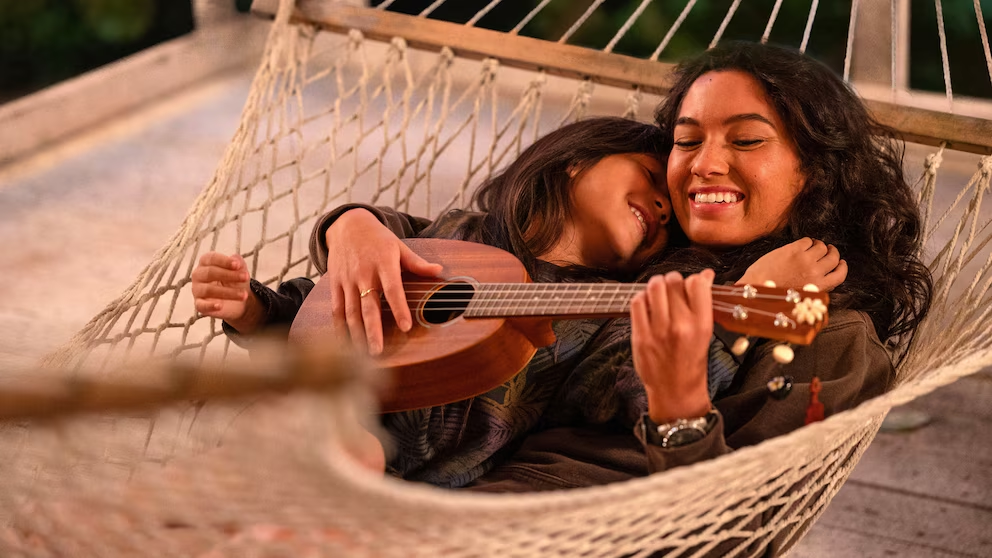
The most prominent debates center on the story itself. In the 2002 version, Nani is a fiercely protective older sister who refuses to let Lilo be taken from her, despite intervention from social services. The film’s emotional core is the Hawaiian concept of ‘ohana, family, where no one is left behind.

In the live-action version, Nani’s character has undergone a significant change. She’s depicted as a former competitive surfer who dreams of studying marine biology in California. After a series of mishaps, she agrees to give custody of Lilo to the state, which places her with their neighbor, Tūtū. This shift moves Nani away from Hawaii and into a more conventional coming-of-age arc.

To facilitate the transition, the film uses a sci-fi portal device to maintain the sisters’ connection. While creative, this element feels more like Marvel-style spectacle than the grounded, emotional storytelling of the original. Many fans argue it distracts from the heart of the narrative.
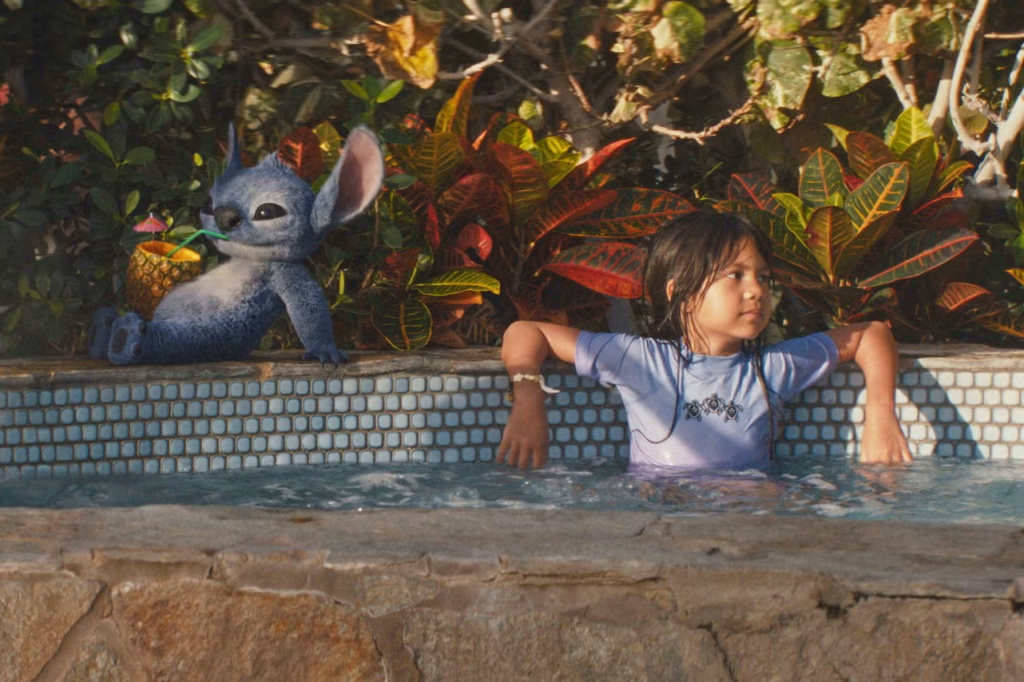
Critics have pointed out that this change undermines the ‘ohana theme. Instead of exploring the struggles of family bonds under pressure, the story now emphasizes adventure and technology. The subtle commentary on colonialism and Indigenous family separation present in the original is largely absent.

This alteration has ignited debate about cultural authenticity. While Hawaii’s landscapes, beaches, and surfing are showcased beautifully, the deeper complexities of identity, community, and history are downplayed. Some fans see this as Disney prioritizing visuals over substance.
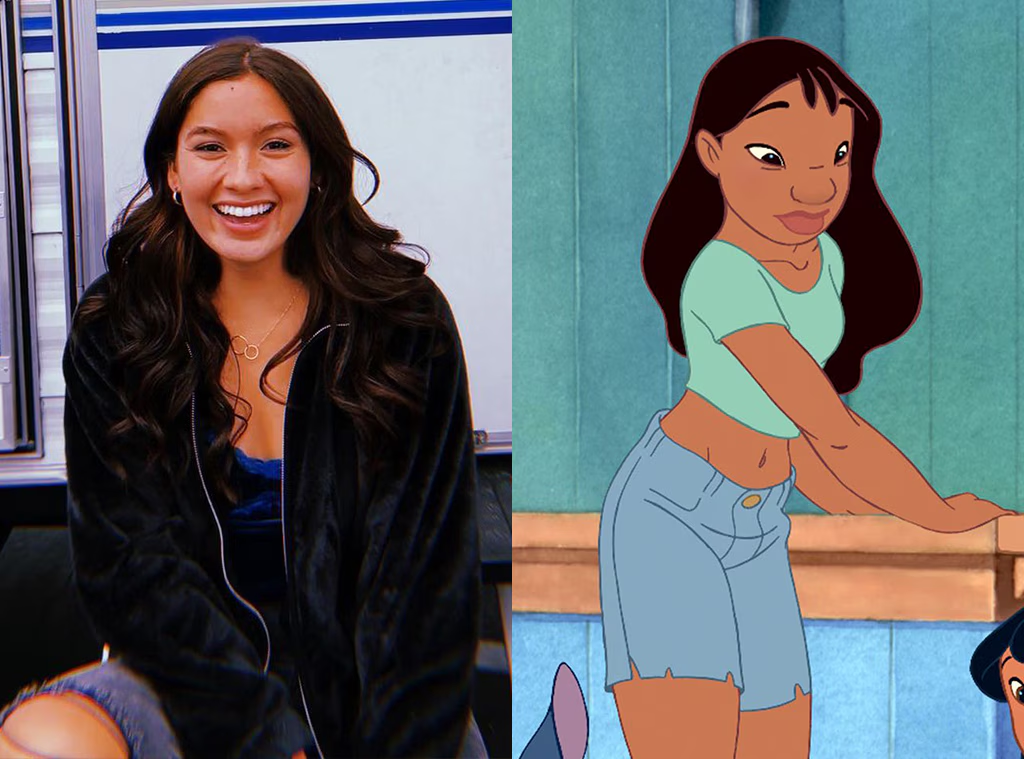
Casting has also been a major point of contention. Sydney Agudong, who plays Nani, is lighter-skinned than the animated character. This choice sparked discussions about colorism and the importance of representing Native Hawaiian identities authentically.

Scholars and critics have weighed in. University of Chicago professor Uahikea Maile has argued that the narrative, where Nani leaves, and the state assumes custody of Lilo, reinforces harmful stereotypes about Native Hawaiians abandoning their families, while outsiders step in. The storyline, she suggests, sanitizes a much more complicated reality.
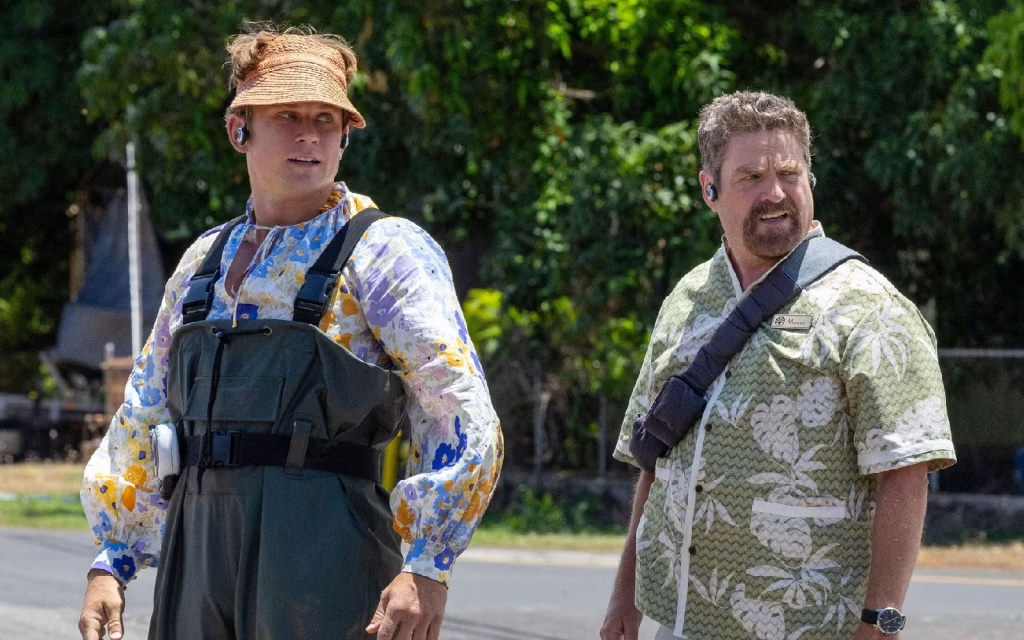
The alien characters also faced revisions. Pleakley, beloved for his cross-dressing humor and campy charm, is toned down. In the live-action, Pleakley and Jumba use holographic devices to take human form, removing the playful drag elements that gave the original its queer undertones.

Meanwhile, Captain Gantu, the original’s main antagonist, is absent. His role is merged into Jumba’s, who now takes on villainy in a way that many argue lacks the original’s charm and nuance. Fans feel the dynamic between the aliens and humans is less engaging without these iconic personalities intact.

Director Dean Fleischer Camp acknowledged the backlash, stating, “I tried,” but many attribute the changes to Disney’s desire to avoid controversy. Critics suggest that the studio prioritized a politically safe, widely marketable version over the quirkiness and depth that made the original memorable.

Despite these criticisms, some aspects of the remake have been praised. The CGI Stitch is expressive and true to character, while Chris Sanders returns as the voice of Stitch, preserving continuity with the original.

Younger audiences, unfamiliar with the 2002 version, are enjoying the remake. Its bright visuals, fast pace, and adventurous tone appeal to a new generation, creating a new fan base that may not notice the omitted cultural details.

Yet older fans remain vocal. Many describe the film as “sterilized” or “commercialized,” arguing that it sacrifices emotional depth for mass appeal. The ending, in particular, where Lilo is adopted by a neighbor and Nani leaves, has been criticized as undermining the central theme of ‘ohana.

Some go further, calling the remake “pro-colonial propaganda” for glossing over Hawaii’s history and the impact of tourism and outside influence on local communities. For these viewers, the changes aren’t minor; they fundamentally alter the story’s cultural resonance.

Disney’s choices highlight the tension between commercial imperatives and cultural responsibility. The company’s goal is to create films that appeal to a global audience, but the remake’s reception shows that authenticity still matters deeply to audiences.

The debate over Lilo & Stitch is part of a larger conversation about Disney’s live-action strategy. Recent remakes, including Snow White and The Little Mermaid, have also sparked discussions about casting, narrative changes, and cultural representation.

In response to backlash, Disney has reportedly paused some live-action projects, though Moana continues to move forward. Whether this is a temporary retreat or a longer-term strategy adjustment remains uncertain.

The discussions around Lilo & Stitch underscore the challenge of adapting beloved stories. Fans expect reverence for the original, cultural sensitivity, and engaging storytelling, all while delivering a commercially successful product. Balancing these priorities is no easy task.
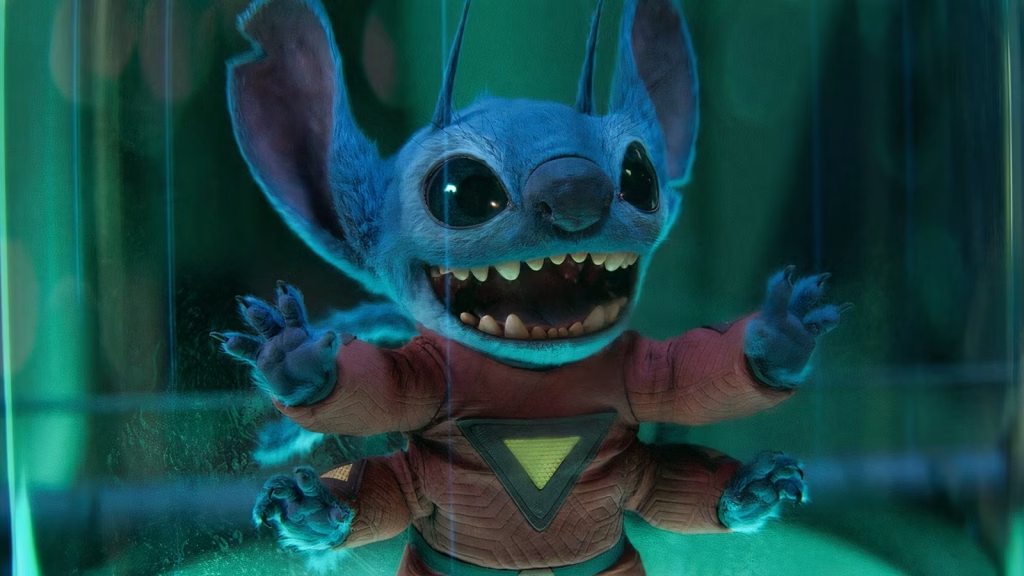
Interestingly, some argue that the remake’s approach makes sense from a financial perspective. By broadening appeal with spectacle, sci-fi elements, and visually stunning sequences, Disney maximizes box office potential and merchandise sales.
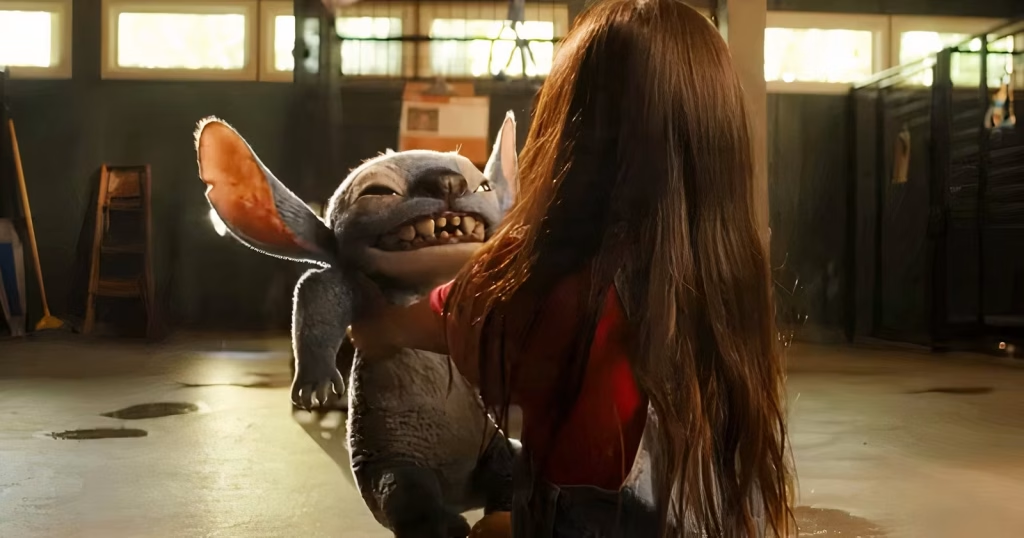
At the same time, the backlash shows that a purely commercial approach can alienate core fans. Many viewers want more than aesthetics; they want stories that honor the people, places, and cultures being represented.

The remake also raises questions about representation in Hollywood more broadly. Authentic storytelling matters, particularly when depicting Indigenous communities. Fans and scholars alike are scrutinizing whether Disney is taking this responsibility seriously.

For many, the missing elements, Nani’s struggle to keep her family intact, the original’s commentary on societal pressures, and the quirks that made the characters unique, feel like a betrayal of the source material.

Yet the conversation isn’t entirely negative. Some viewers celebrate the updates, seeing them as a fresh take that introduces Hawaii’s beauty and culture to a wider audience. The film’s entertainment value and visual flair are undeniable.

Ultimately, Lilo & Stitch’s live-action remake is both a success and a cautionary tale. It shows Disney’s ability to create blockbuster spectacles, but also the risk of alienating fans by straying from what made the original meaningful.

The debate over the film will likely continue, shaping how Disney approaches future remakes. Audiences are more vocal than ever about the importance of representation, cultural integrity, and narrative fidelity.
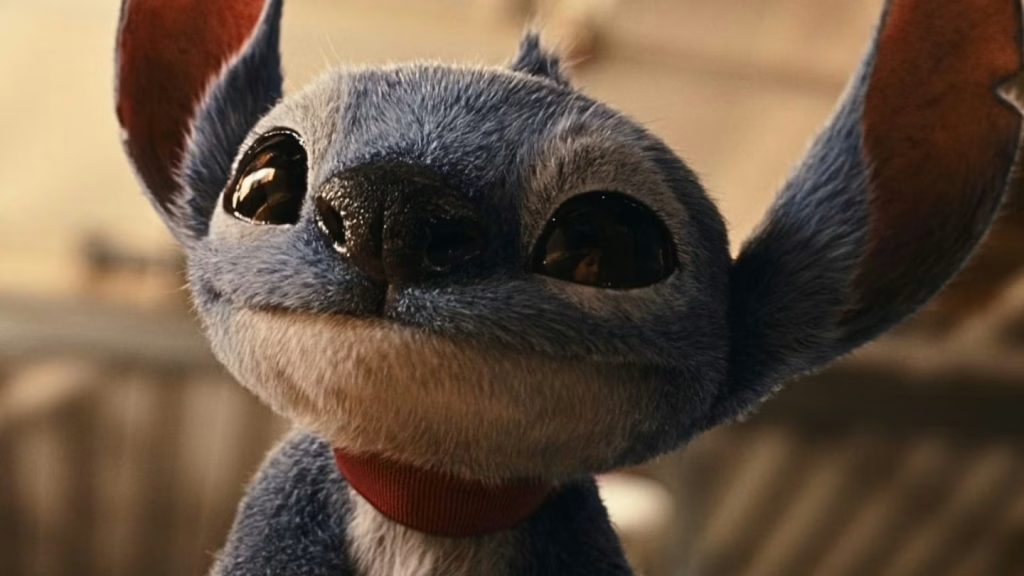
As the dust settles, one thing is clear: remaking beloved animated classics is no simple task. Balancing nostalgia, authenticity, and broad appeal requires care, sensitivity, and a deep understanding of what made the original resonate.
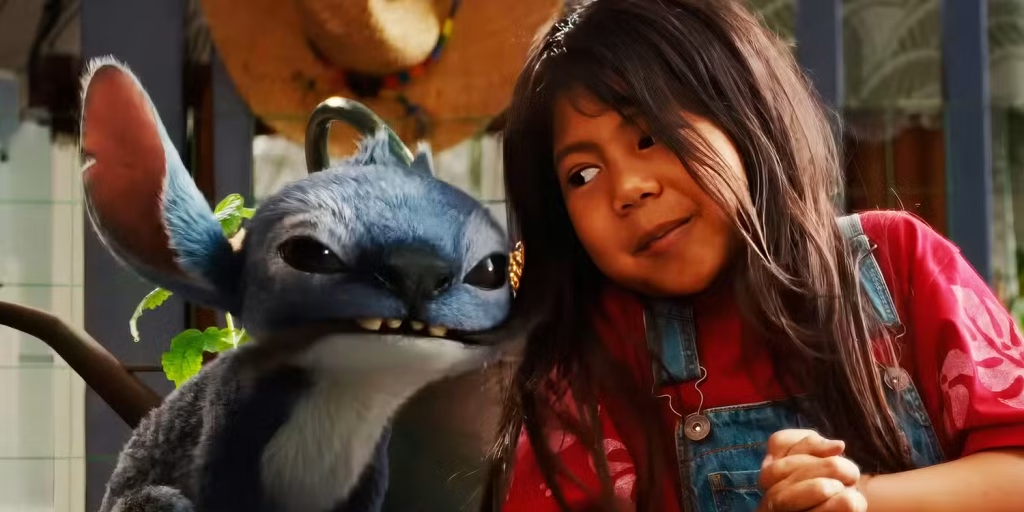
Whether fans ultimately embrace the live-action Lilo & Stitch or not, the conversation it sparks is valuable. It highlights the evolving expectations audiences have for remakes and the growing importance of representation in Hollywood storytelling.

At the end of the day, Disney faces a choice: continue prioritizing spectacle and marketability, or commit fully to honoring the stories, cultures, and communities that made these films classics in the first place. The answer will likely shape the future of animation and live-action adaptations for years to come.