


Science fiction and fantasy have long been a place to imagine worlds beyond our own—but they also serve as a space for marginalized voices to be seen and celebrated. Queer and lesbian characters have often been underrepresented in genre television, but recent years have brought a wave of series that put LGBTQ+ stories front and center. From magic schools to dystopian futures, these shows offer thrilling narratives while embracing complex, authentic queer representation. Here’s a look at 15 sci-fi and fantasy shows that excel at giving LGBTQ+ characters meaningful stories and unforgettable moments.
15. The Magicians
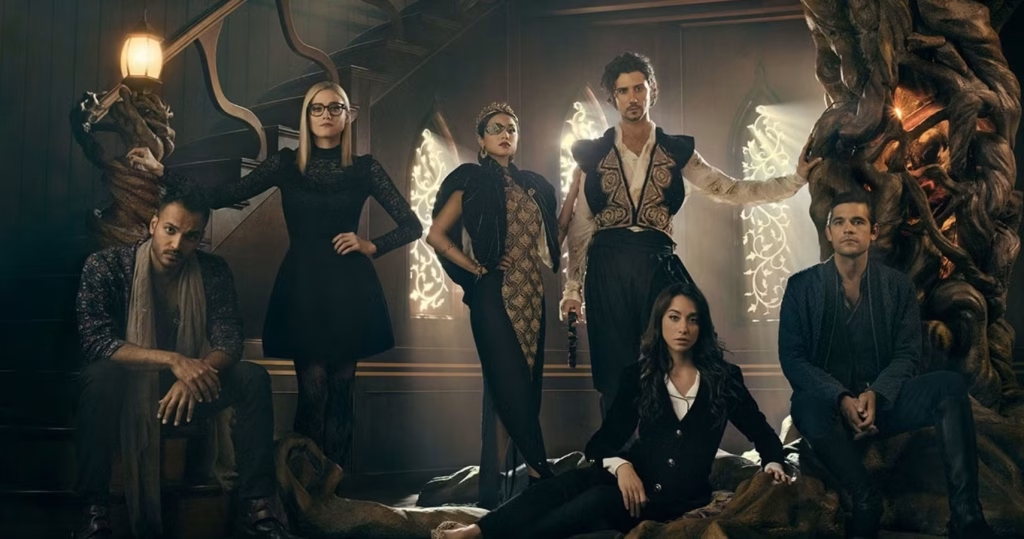
The Magicians redefines the “magic school” concept by presenting a group of deeply flawed students navigating both magic and real-life struggles. The series balances dark humor with emotional depth, taking viewers on a journey that is equal parts thrilling and heartfelt. Themes of trauma, addiction, and love are woven seamlessly into the story, proving that fantasy can tackle real-world issues while still offering escapism.

One of the show’s biggest accomplishments is its inclusive depiction of queer characters. Margo, the High King of Fillory, identifies as sensual fluid, and other characters, like Marina and a female Pirate King, explore their romantic identities openly. The show treats these relationships with care and depth, not as side plots, making it a standout for LGBTQ+ viewers seeking representation in a magical, adventurous setting.

14. Doctor Who
Few sci-fi franchises have had the longevity and cultural impact of Doctor Who, and over time, the series has quietly championed LGBTQ+ representation. Its time-traveling premise allows characters to explore a vast array of identities and relationships across different worlds and timelines. This flexibility has helped normalize queerness within the series.

Iconic characters like River Song, Bill Potts, and Yaz show queer love in everyday, relatable ways, while Madame Vastra and her wife, Jenny, provide a historical queer perspective. The Thirteenth Doctor herself embodies progressive change, with the show casually exploring romantic and platonic connections without sensationalism. Doctor Who demonstrates that queer representation can be organic, matter-of-fact, and just part of the fabric of storytelling.

13. Gen V
A spin-off of The Boys, Gen V blends the chaos of young superheroes with sharp, irreverent humor and unapologetic queer storytelling. Set in a college for superpowered individuals, the show explores identity, power, and relationships in ways both humorous and heart-wrenching.

Central characters like Marie, a blood-bender, and Jordan, a dual-gender shapeshifter, navigate romance and self-discovery in complex, realistic ways. Queerness is not a side note here; it drives the narrative and shapes the characters’ journeys. Gen V thrives on youthful energy, messy lives, and a commitment to representing the full spectrum of queer experiences in a superhero world.

12. Quantum Leap (2022–2024)
The modern Quantum Leap reboot revisits the beloved time-travel premise, with Dr. Ben Song inhabiting the lives of people from all walks of life. The show explores the nuances of identity, including trans and non-binary experiences, through thoughtful storytelling and careful attention to detail.

Episodes tackle issues such as coming out, gender identity in sports, and familial acceptance, with actor Mason Alexander Park lending authenticity to the narrative. The reboot treats these stories as integral to the plot rather than isolated “special episodes,” setting a standard for representation in modern sci-fi. By centering marginalized experiences, Quantum Leap proves that genre television can be both entertaining and socially conscious.

11. The Originals
Set in the supernatural heart of New Orleans, The Originals expands the universe of The Vampire Diaries with complex characters and gothic drama. The show excels at giving queer relationships narrative weight, moving beyond tokenism to explore real love and conflict.

Keelin, a werewolf, and Freya, a witch, share a romance that develops organically and culminates in a meaningful marriage. Unlike many genre series, The Originals ensures that queer characters experience joy, growth, and triumph, not just tragedy. Their love story is celebrated alongside epic battles and family drama, making the series a model for inclusive storytelling.

10. The 100
The 100 tells a gripping post-apocalyptic story where survival and morality collide. Amid the chaos, the romance between Clarke and Lexa stands out as a milestone in queer television. Their slow-burning relationship offered complexity, leadership, and emotional depth rarely afforded to queer characters in sci-fi.

Lexa’s untimely death sparked widespread backlash and discussions about the “Bury Your Gays” trope, leading showrunners and networks to reconsider how LGBTQ+ characters are treated. The series became both a warning and a guidepost for queer representation, showing the importance of care and visibility for LGBTQ+ love stories in high-stakes storytelling.

9. For All Mankind
This alternate-history drama envisions a world where the space race never ended, providing a lens to explore diversity in high-stakes environments like NASA. Queer characters, such as Ellen, a closeted lesbian astronaut, navigate systemic barriers, discrimination, and personal growth with nuance and emotional honesty.

For All Mankind integrates queer representation seamlessly into its historical and speculative storytelling. These characters are vital to the plot, with their struggles, successes, and relationships shaping the alternate timeline. The series proves that inclusion enriches narrative possibilities, highlighting how marginalized voices can reshape history—even in fiction.

8. Game of Thrones
While Game of Thrones has been criticized for its depiction of women and LGBTQ+ characters, it still made notable strides with queer women like Yara Greyjoy and Ellaria Sand. Their relationships, though occasionally tragic, offer layers of authenticity and power within a male-dominated world.

The series also includes lesser-known queer characters, showing that desire and agency can exist even in the darkest, most political settings. Game of Thrones opened doors for more complex queer storytelling in fantasy, ensuring that representation reached a global audience in a genre where it had been sparse.

7. The Imperfects
The Imperfects follows three young adults who gain superhuman abilities through experimentation. Its commitment to queer and lesbian representation is central to its identity, with characters like Abbi navigating romance with care and authenticity.

By showing LGBTQ+ characters as multidimensional individuals, not stereotypes, the series normalizes queerness within a genre that has historically overlooked it. Though short-lived, The Imperfects made a lasting impression by combining thrilling sci-fi action with honest explorations of identity, belonging, and love.
6. The Way Home
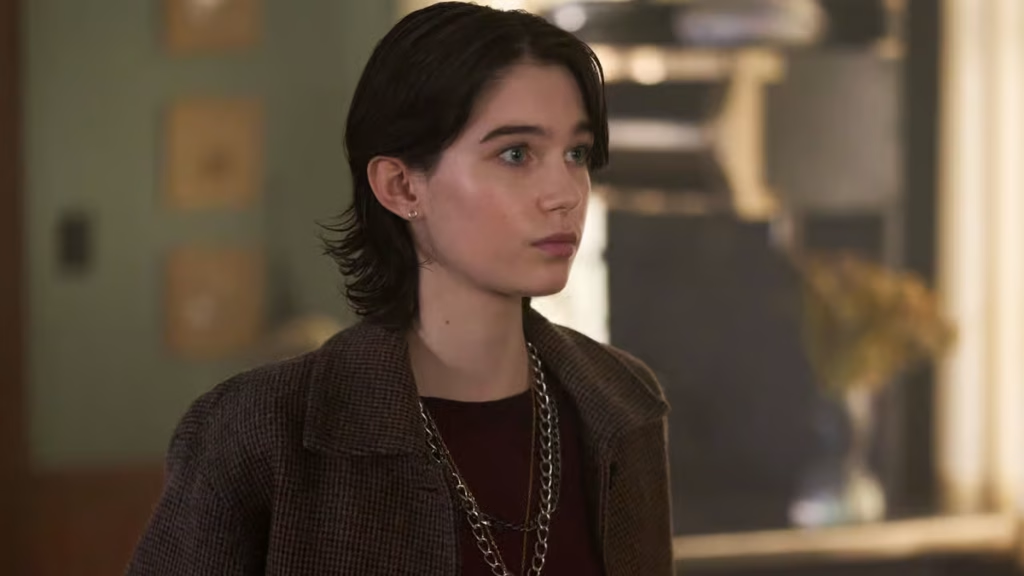
The Way Home blends time travel, family drama, and magical realism, introducing queer and non-binary representation in a traditionally wholesome setting. Characters like Casey, a non-binary teen, and families with same-gender parents are portrayed naturally, integrated into the story without fanfare.

By embracing diversity in a family-focused narrative, the series shows that inclusive storytelling is possible in all genres. The Way Home highlights the importance of representation for viewers of all ages, offering a gentle yet meaningful approach to queer visibility.

5. The Vampire Diaries
The Vampire Diaries weaves complex queer relationships into its supernatural narrative. Characters such as Rebekah, Nadia, and Mary Louise explore love, loss, and identity, sometimes facing heartbreak but always living fully within their world.

Despite the series’s notorious “Lesbian Massacre,” it remains influential for its commitment to queer storytelling in a genre dominated by heteronormative arcs. The show gave its LGBTQ+ characters agency and emotional depth, inspiring future supernatural series to follow suit.

4. Andor
Andor emphasizes political intrigue and personal storytelling within the Star Wars universe. Characters Cinta and Vel exemplify quiet, meaningful queer love, demonstrating that representation does not need to be flashy to matter.

By embedding their romance into a larger narrative about rebellion and courage, Andor validates queer characters as central to epic storytelling. Their relationship reflects the historic presence of LGBTQ+ people in real-world struggles, adding depth and authenticity to the galaxy far, far away.
3. Into the Badlands
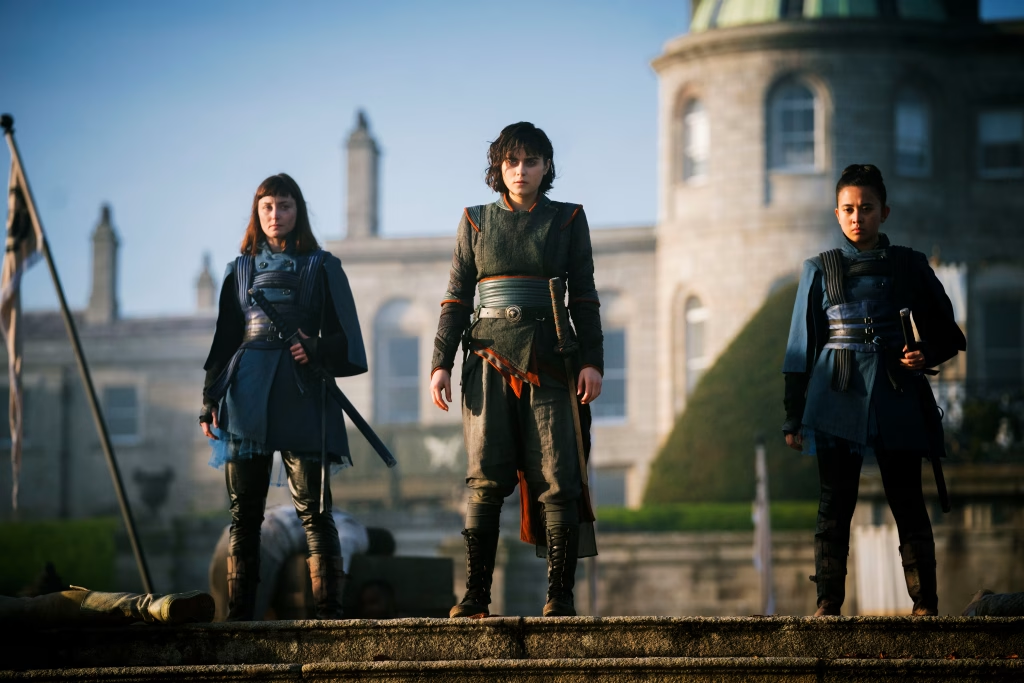
Into the Badlands combines martial arts, post-apocalyptic adventure, and intricate world-building. Queer romance between Tilda and Odessa is treated with care, avoiding tragic tropes and instead celebrating their connection and growth.
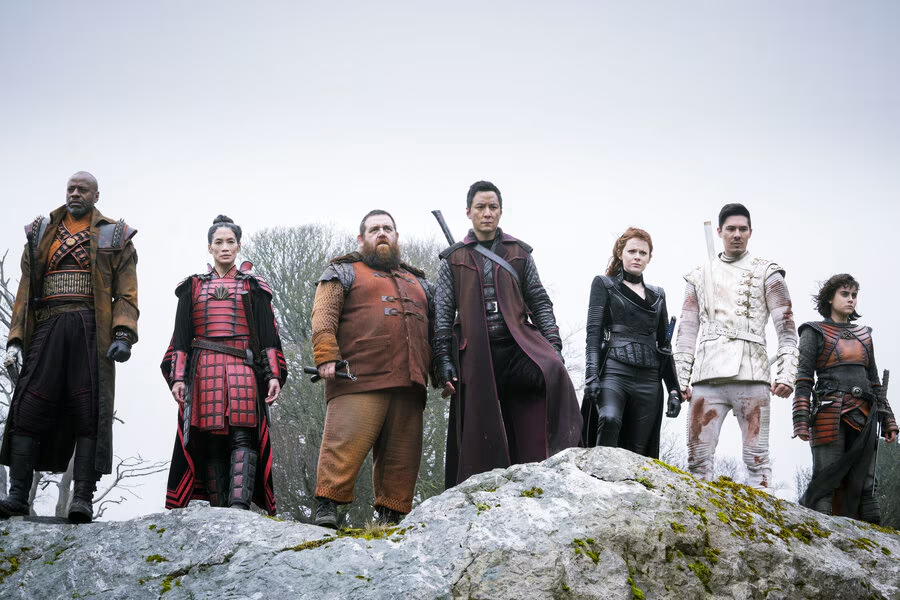
The show’s attention to queer representation within a high-stakes action setting is rare, making it a standout for fans seeking meaningful stories alongside thrilling combat. Into the Badlands proves that genre television can balance spectacle with heartfelt character arcs.

2. Siren
Siren explores mermaid mythology while portraying a polyamorous, queer relationship at its core. The dynamic between a man, a woman, and a mermaid challenges conventions and broadens the scope of representation in fantasy.

The series treats their love with respect and nuance, normalizing polyamory and queerness in a genre that rarely does so. Siren reminds audiences that love can be diverse, inclusive, and central to engaging storytelling.

1. Stitchers
Stitchers combines procedural mystery with sci-fi intrigue, focusing on Camille, who can “stitch” into the memories of the deceased. The show’s queer representation is central, with Camille’s roommate and coworker forming a realistic, meaningful LGBTQ+ relationship.

By giving queer characters agency and narrative weight, Stitchers demonstrates that representation can enhance character development and plot. The series proves that genre television can be both thrilling and inclusive, paving the way for more authentic LGBTQ+ stories.

These 15 shows demonstrate that queer and lesbian stories can thrive in sci-fi and fantasy worlds. Whether through magical adventures, futuristic dystopias, or time-traveling escapades, these series highlight characters with depth, agency, and love stories that matter. Representation in genre television is no longer a bonus—it’s essential, and these shows prove that inclusivity makes worlds richer, narratives stronger, and audiences more connected.