

In cinema, hype is a tricky thing. A clever trailer, a famous cast, or a viral marketing campaign can create enormous anticipation, but sometimes the final film simply doesn’t live up to the promise. When expectations are sky-high, even small flaws feel magnified, leaving audiences frustrated. Here’s a look at 19 films that, despite heavy promotion and buzz, failed to deliver on what they promised.

19. Drive
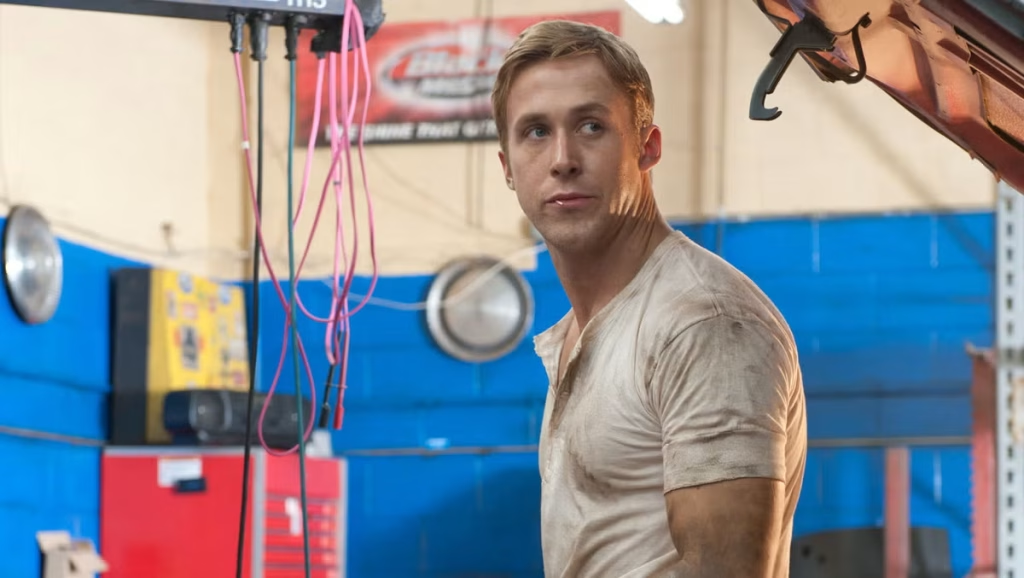
Drive was promoted as a sleek, neon-drenched thrill ride, with Ryan Gosling at the center as a brooding, mysterious getaway driver. Trailers suggested relentless car chases, high-stakes action, and an edge-of-your-seat adrenaline rush reminiscent of a stylish indie version of Fast and Furious. Fans expected nonstop excitement wrapped in a cool, retro aesthetic. Instead, viewers encountered a slow, meditative story that focused on character over action.

The film emphasized mood, silence, and introspective moments rather than the non-stop thrills promised in marketing. The pacing left some audiences confused or even disappointed, particularly those who expected a full-on action spectacle. Even so, Drive eventually found its audience. Critics and cinephiles praised its artistry, the careful cinematography, and the subtle emotional beats. The film’s legacy proves that while hype can mislead, quality filmmaking can still earn appreciation, even if it’s on a delayed schedule.
18. Scream VI
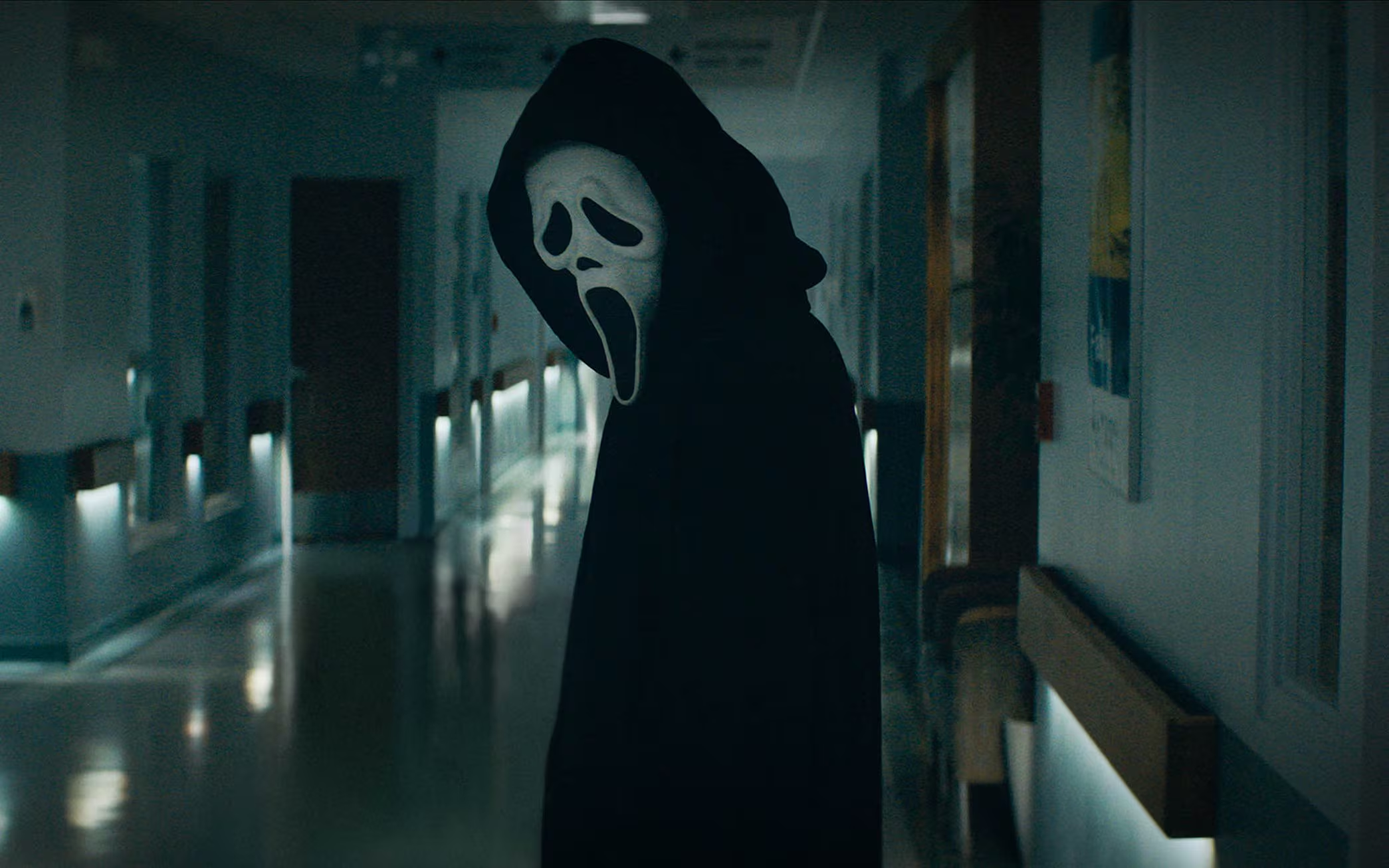
Scream VI was billed as the most intense installment in the iconic slasher franchise, with Ghostface stalking the streets of New York City for a grittier, urban spin on the formula. Fans anticipated inventive kills, heightened suspense, and a revitalized franchise that would push the series to new heights. However, the movie failed to match its marketing. Much of the supposedly New York setting was filmed in Canada, and the tension felt surprisingly flat.

Few major characters faced meaningful peril, and the story struggled to create suspense, leaving many viewers feeling that the promised thrills were nowhere to be found. While Scream VI attempted to innovate the series, it shows that a change of location or a gimmick is no substitute for compelling storytelling. True horror relies on tension, stakes, and pacing, all of which felt uneven in this installment.

17. Freddy vs. Jason
For horror enthusiasts, Freddy vs. Jason was a dream come true: two legendary killers finally facing off on the big screen. Years of anticipation built the expectation of a thrilling, high-stakes showdown, with fans imagining epic battles and clever, spine-tingling sequences. Unfortunately, the film was a disappointment for many. The story struggled to balance both killers, and the narrative often felt like a gimmick rather than a compelling horror experience.

The characters were underdeveloped, and the pacing was uneven, leading some viewers to leave halfway through the film, frustrated that the crossover didn’t live up to its legendary potential. Freddy vs. Jason serves as a cautionary tale: even beloved characters and nostalgic premises can’t guarantee audience satisfaction if the story and execution aren’t strong.

16. Wonder Woman 1984
After the breakout success of the first Wonder Woman, the sequel carried enormous expectations. Marketing promised a vibrant 1980s aesthetic, an epic showdown with Cheetah, and thrilling blockbuster action that would rival the original film. Fans expected a perfect mix of nostalgia, humor, and heroics.

In practice, Wonder Woman 1984 fell short. The story became convoluted, the villains were underdeveloped, and the climactic battle lacked excitement. Many viewers felt that the film failed to capture the emotional resonance of its predecessor, leaving a sense of unfulfilled promise. The movie highlights a key lesson in filmmaking: sequels must deliver fresh stakes and strong storytelling. Simply leaning on nostalgia and past success is rarely enough to satisfy audiences or maintain momentum.

15. Battle: Los Angeles
Battle: Los Angeles was promoted as an intense, realistic alien invasion thriller. Trailers emphasized relentless action, gritty military tactics, and the suspense of humanity fighting for survival against an otherworldly threat. Fans anticipated a cinematic adrenaline rush with immersive, edge-of-your-seat sequences.

The reality, however, was a largely generic action film. The characters were flat, the action sequences uninspired, and the narrative offered little emotional engagement. Despite its ambitious premise, the movie failed to stand out in a crowded genre, leaving many viewers underwhelmed. Battle: Los Angeles serves as a clear reminder that flashy marketing and hype alone cannot make a film memorable. Substance and storytelling are key, even in high-concept action spectacles.

14. Thor: Love and Thunder
With Taika Waititi back in the director’s chair and a star-studded cast, Thor: Love and Thunder promised a humorous, action-packed adventure full of spectacle and heart. Audiences expected a combination of laughs, epic action, and the emotional beats that made Thor: Ragnarok such a hit.

Unfortunately, the balance between humor and story fell apart. The comedic elements often overshadowed the emotional narrative, and the absence of key characters left notable gaps in engagement. While the film was visually entertaining, it lacked the cohesion and depth fans hoped for. Thor: Love and Thunder demonstrates how tricky it can be to replicate past successes. Comedy and heroics must work in harmony, or even a visually dazzling film can feel hollow.

13. Don’t Look Up
Don’t Look Up arrived with a buzzworthy cast and a satirical premise, promising sharp social commentary and humor aimed squarely at current global crises. Audiences expected biting satire, clever dialogue, and a film that would spark conversation and reflection. However, the film struggled to deliver on its promises.

Much of the humor felt forced, the pacing meandered, and the social commentary often seemed heavy-handed rather than insightful. Many viewers found themselves disengaged, leaving the theater feeling that the film’s ambition outpaced its execution. Despite its intentions, Don’t Look Up is a reminder that even star-studded casts and timely premises cannot guarantee audience engagement. Execution matters as much as concept.

12. The Huntsman: Winter’s War
With a cast that included Charlize Theron, Emily Blunt, Chris Hemsworth, and Jessica Chastain, The Huntsman: Winter’s War seemed poised to deliver a captivating fantasy epic. Marketing emphasized lavish battles, magical creatures, and a rich narrative that promised to expand the universe of its predecessor.

Yet, the movie felt uninspired. The story lacked intrigue, the fantasy elements appeared recycled, and even the talented cast could not elevate the thin material. The magical spectacle failed to leave a lasting impression, and audiences were left wishing for more substance. The film highlights that even a star-studded ensemble and stunning visuals can’t rescue weak storytelling. Strong writing and imaginative world-building are essential, especially in fantasy epics.

11. Leave The World Behind
Leave the World Behind was promoted as a gripping thriller with ties to the acclaimed series Mr. Robot. The marketing suggested suspense, intrigue, and a tense, shared universe connection that would engage both fans of the series and newcomers. In practice, the connection to Mr. Robot felt forced, confusing, and ultimately unnecessary.

The story became convoluted, and the tension was diluted by overcomplicated plot points, leaving audiences frustrated and unsatisfied. This film serves as a lesson in how overcomplicated narratives and forced franchise connections can backfire. Simplicity and clarity often create stronger engagement than convoluted ambition.

10. Frozen 2
Frozen 2 had the monumental task of following Disney’s breakout hit, promising magical adventures, new songs, and character growth. Fans of all ages anticipated a continuation that would recapture the charm and heart of the original. Unfortunately, the sequel stumbled.

Its plot was confusing, the music less memorable, and many felt that the emotional depth and charm of the first film were missing. While visually stunning, the movie didn’t fully satisfy long-time fans. Frozen 2 is a reminder that nostalgia and beloved characters can only go so far. To succeed, sequels must offer both a coherent story and fresh emotional stakes.

9. The Artist
The Artist generated excitement as a black-and-white silent film paying homage to early cinema. Marketing promised a charming, innovative experience for audiences curious about this unusual format.

Some viewers, however, were unprepared for the silent narrative, leading to confusion, disengagement, and even walkouts. While the film was celebrated critically, many mainstream viewers felt alienated by its unconventional style. The Artist highlights that hype can sometimes backfire if the audience isn’t ready for experimental storytelling, even when the film is groundbreaking.

8. Bridesmaids
Bridesmaids arrived with immense buzz as a comedy that would break new ground in the genre. Trailers promised outrageous humor, bold performances, and scenes that would live on in pop culture, including the infamous bathroom gag. Yet, humor is subjective, and some viewers found the film underwhelming.
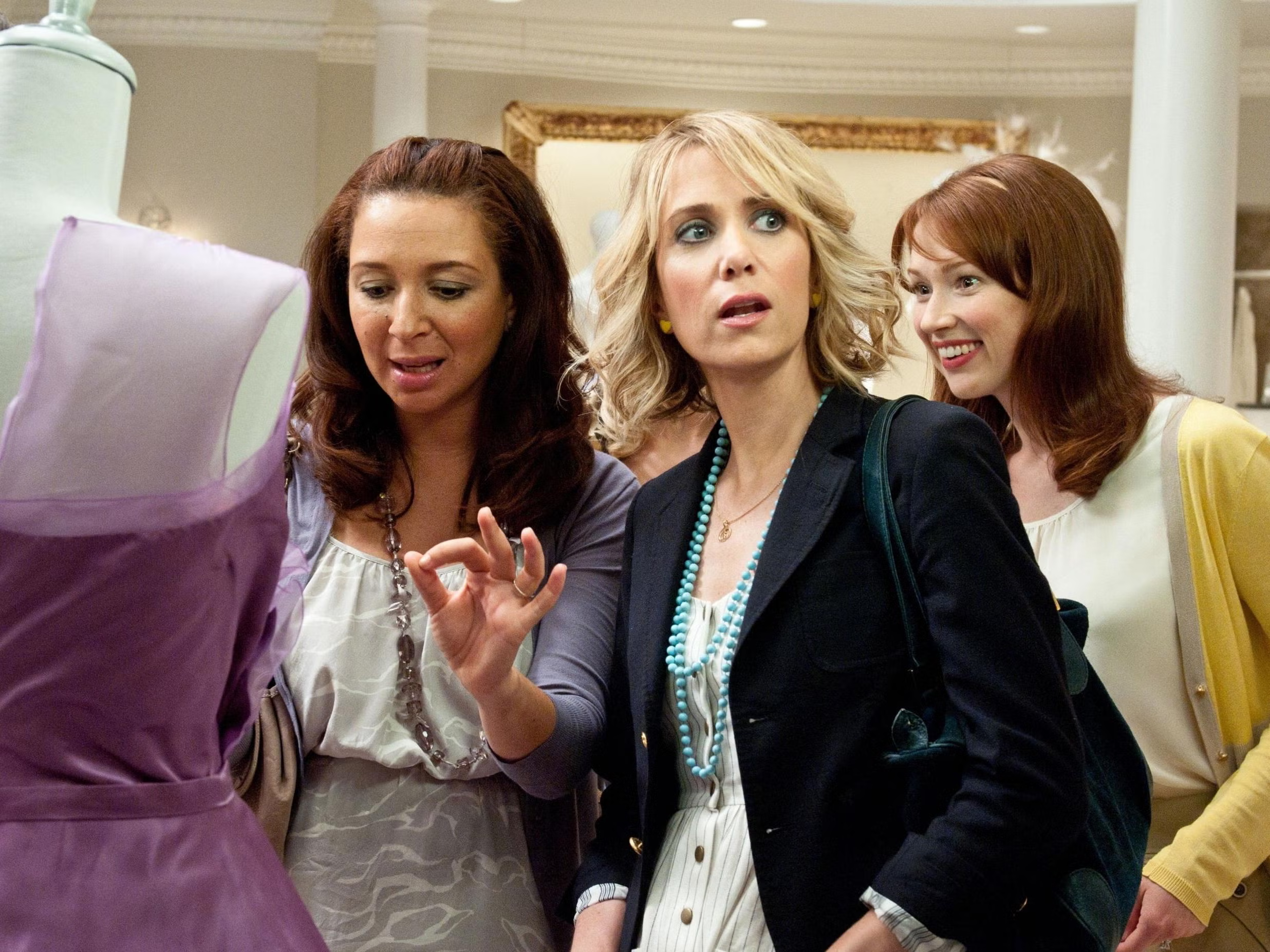
Jokes that were heavily advertised fell flat for certain audiences, demonstrating that even well-marketed comedies can disappoint when expectations are sky-high. Bridesmaids illustrates the double-edged nature of hype: the more you promise laughs, the higher the risk of disappointment if they don’t land.
7. Joker
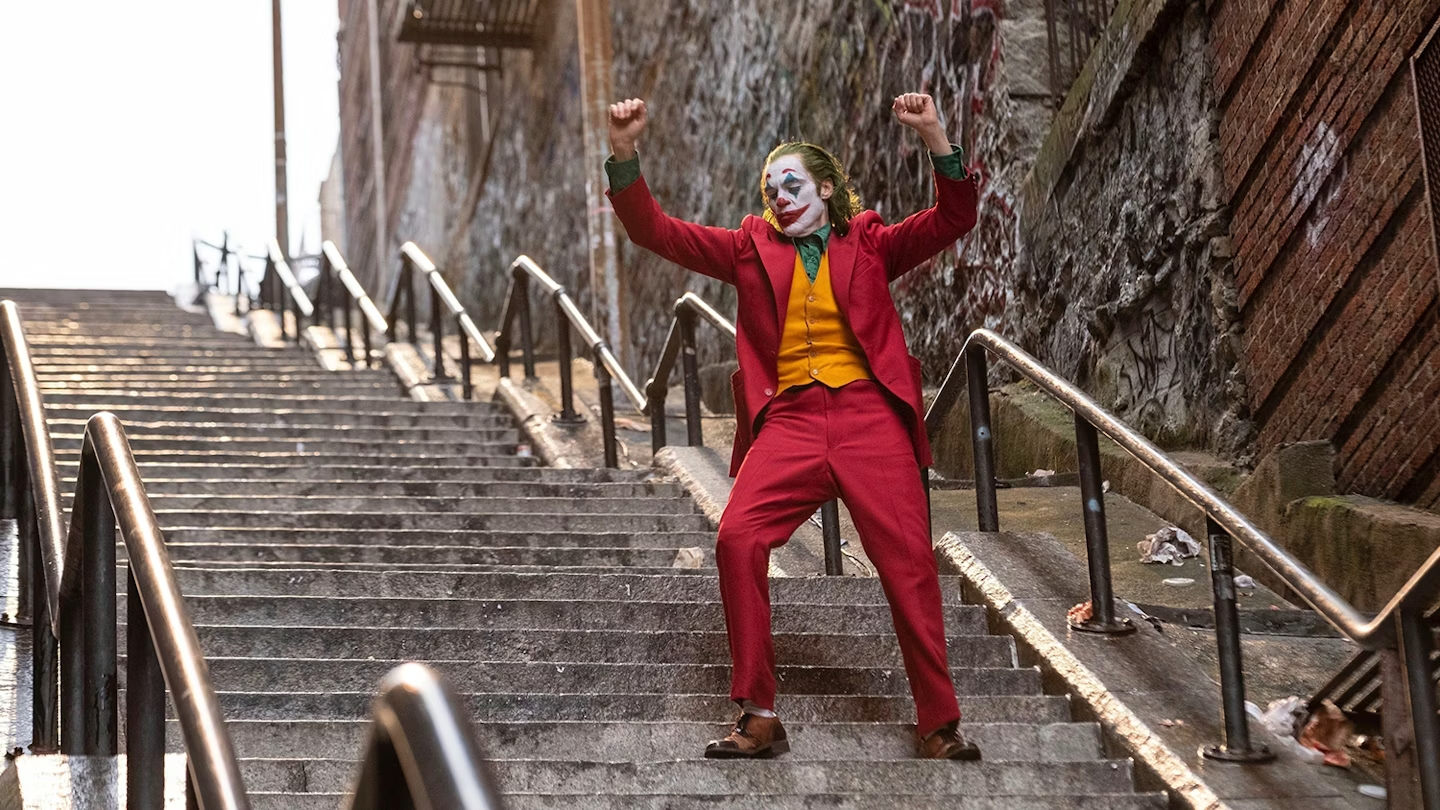
Joker was promoted as a daring, dark reinvention of an iconic character, with Joaquin Phoenix delivering a performance many expected would redefine the modern villain. Marketing leaned heavily into a gritty, mature tone reminiscent of classic psychological thrillers.
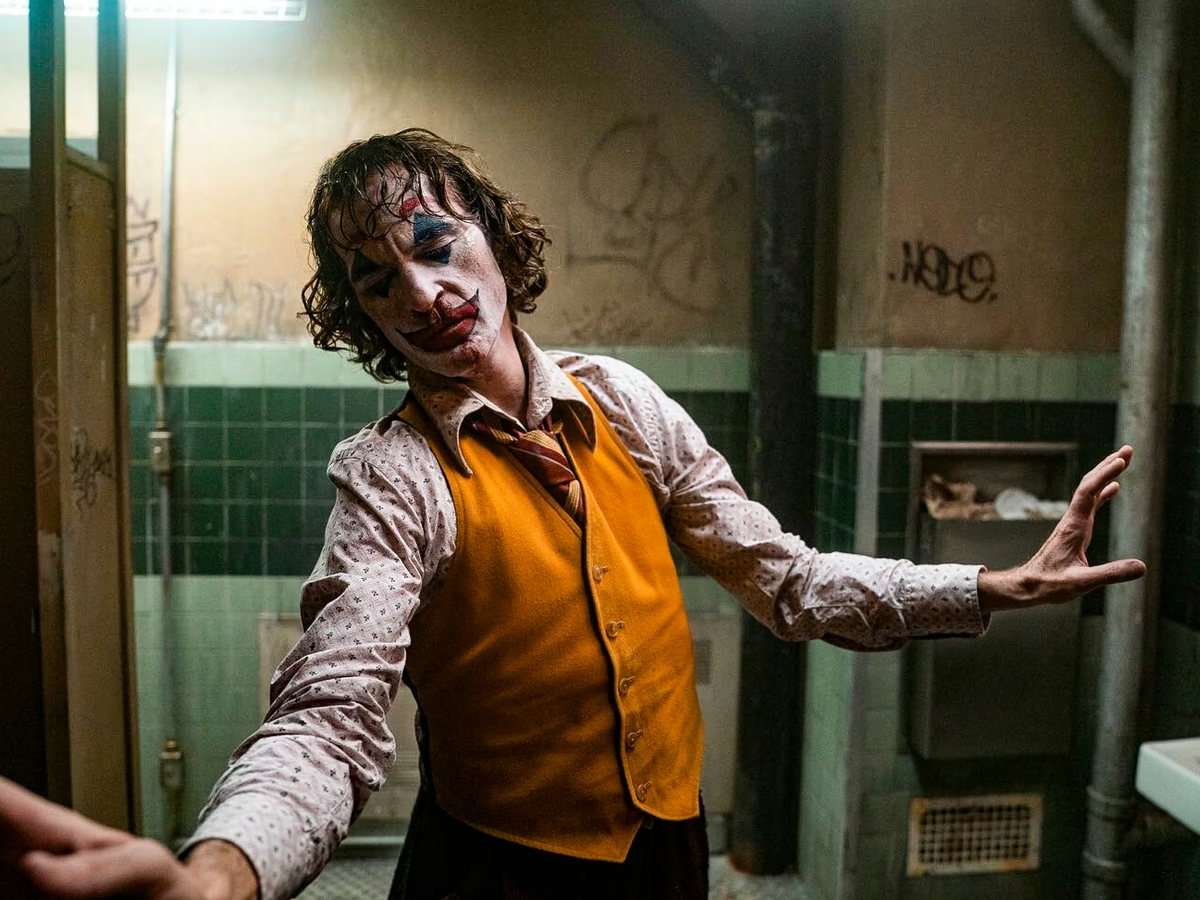
While the film received critical acclaim, many casual viewers found it slow, repetitive, or overly derivative of other films. The messaging and moral ambiguity were polarizing, resulting in a split between critics and mainstream audiences. Joker demonstrates that even a celebrated performance and provocative concept can feel overhyped if it doesn’t resonate with a wide audience.

6. Birds of Prey
Birds of Prey was positioned as DC’s bold comeback after the mixed reception of Suicide Squad. Marketing highlighted a fun, female-driven story, a vibrant visual style, and a quirky, playful energy with Margot Robbie at the helm.

However, critics and fans noted that the story was thin, the villain underdeveloped, and character arcs lacked emotional resonance. The flashy style of the marketing could not make up for the story’s weaknesses, leaving some viewers disappointed. The film underscores that visual flair and star power cannot fully replace coherent storytelling and strong character development.

5. Suicide Squad
Suicide Squad’s marketing campaign was intense, featuring highly stylized trailers, a top-tier cast, and a killer soundtrack. Expectations were enormous, with fans anticipating an irreverent, action-packed, character-driven adventure. The final product, however, was disjointed.

Studio interference led to uneven pacing, a fractured narrative, and a film that often felt more like a music video than a coherent story. Audience disappointment was swift and widespread. Suicide Squad is a prime example of how even massive hype cannot guarantee satisfaction if the creative vision is compromised.

4. Barbie
Barbie’s marketing promised a clever, self-aware take on the iconic toy, blending humor, nostalgia, and social commentary. Buzz was everywhere, from billboards to viral campaigns, making the film one of the most anticipated releases of its season. Despite its hype, the movie left some audiences feeling underwhelmed.

Older viewers found the story lacking in substance, and some critics argued that the commentary didn’t land universally. While it resonated with younger audiences, the film didn’t fully satisfy broader expectations. Barbie demonstrates that even brilliant marketing cannot replace storytelling depth and emotional resonance.

3. Mean Girls (2024)
The 2024 musical adaptation of Mean Girls aimed to modernize a beloved classic for a new generation. With anticipation fueled by the Broadway success and the original film’s cult following, expectations were sky-high. Unfortunately, the remake faltered.

Musical numbers felt weak, the story updates seemed forced, and cultural references often missed the mark. Audiences felt that the charm and wit of the original had been diluted, leaving a sense of disappointment. Mean Girls illustrates the risks of remaking classics: nostalgia can draw interest, but without meaningful innovation or execution, the legacy of the original can suffer.

2. Saltburn
Saltburn arrived with hype for its provocative, shocking premise and the star power of Rosamund Pike and Barry Keoghan. Marketing suggested a thrilling, unforgettable cinematic experience.

The film, however, relied too heavily on shock value, with little substance to back it up. The narrative meandered, and the moments designed to surprise often fell flat, leaving viewers confused or unimpressed. Saltburn shows that sensationalism alone can’t sustain a film; audiences ultimately crave story, depth, and engagement.

1. Madame Web
Madame Web was hyped as a mysterious, thrilling addition to the Spider-Man universe, with promises of action, intrigue, and exciting ties to the larger franchise. Instead, the film struggled to deliver a compelling narrative or memorable characters.

Many viewers found it boring or uninspired, leaving theaters frustrated and disappointed. Madame Web is a stark reminder that even high-concept properties with franchise connections cannot succeed without substance, strong storytelling, and engaging characters.

Hype can spark anticipation and fill theaters on opening weekend, but it is no substitute for quality storytelling. These 19 films highlight how easily expectations can clash with reality, leaving audiences frustrated or disappointed. Star power, viral marketing, and flashy trailers can only carry a film so far. At the end of the day, viewers crave substance, emotion, and engaging narratives—the elements that truly make a movie worth remembering.