


Hollywood is full of iconic performances, but not every role lands the way actors—or audiences—hope. From miscast characters to culturally insensitive portrayals, many stars have looked back on certain roles with regret. These 16 actors’ experiences highlight the importance of thoughtful casting, representation, and accountability in entertainment.

16. Halle Berry – Considering a Trans Man Role
Halle Berry faced backlash when she considered playing a trans man in an upcoming film. Critics from the trans community and allies argued the role should be given to a trans actor, prompting Berry to step away and issue a public apology.

She acknowledged the importance of authentic representation and recognized that her withdrawal was the right move. The incident highlighted Hollywood’s ongoing conversation about who gets to tell marginalized stories and marked a positive step toward inclusive casting.

15. Ed Skrein – Hellboy Whitewashing Controversy
Ed Skrein was initially cast as Major Ben Daimio in the Hellboy reboot, a character who is Japanese American in the comics. The casting sparked criticism for whitewashing, and Skrein chose to step down, emphasizing that the character deserved to be portrayed accurately.

His decision was widely praised as an example of an actor using his platform responsibly. The controversy became a reference point in Hollywood’s struggle with whitewashing, encouraging studios to reconsider casting practices for characters of color.

14. Jimmy Kimmel – Blackface Sketches
Jimmy Kimmel’s past comedy sketches included blackface, which resurfaced and drew significant backlash. Kimmel publicly apologized, acknowledging that the performances were offensive and inappropriate.

The incident reignited discussions about the legacy of blackface in American comedy. His apology was part of a broader reckoning in entertainment, highlighting the responsibility of comedians to avoid perpetuating harmful stereotypes.

13. Julianne Moore – Playing a Lesbian in The Kids Are All Right
Julianne Moore starred as a lesbian mother in The Kids Are All Right, a performance that earned critical acclaim. However, she later expressed uncertainty about taking similar roles in the future, reflecting on the importance of LGBTQ actors portraying LGBTQ characters.

Her comments demonstrate Hollywood’s growing awareness of authentic representation. The conversation around this continues, balancing the opportunity for talented actors with the need for lived experience in storytelling.

12. Alison Brie – Voicing Diane Nguyen in BoJack Horseman
Alison Brie voiced Diane Nguyen, a Vietnamese American character, on BoJack Horseman. Years later, she admitted regret, recognizing that the role should have been cast with an actor of Vietnamese descent.
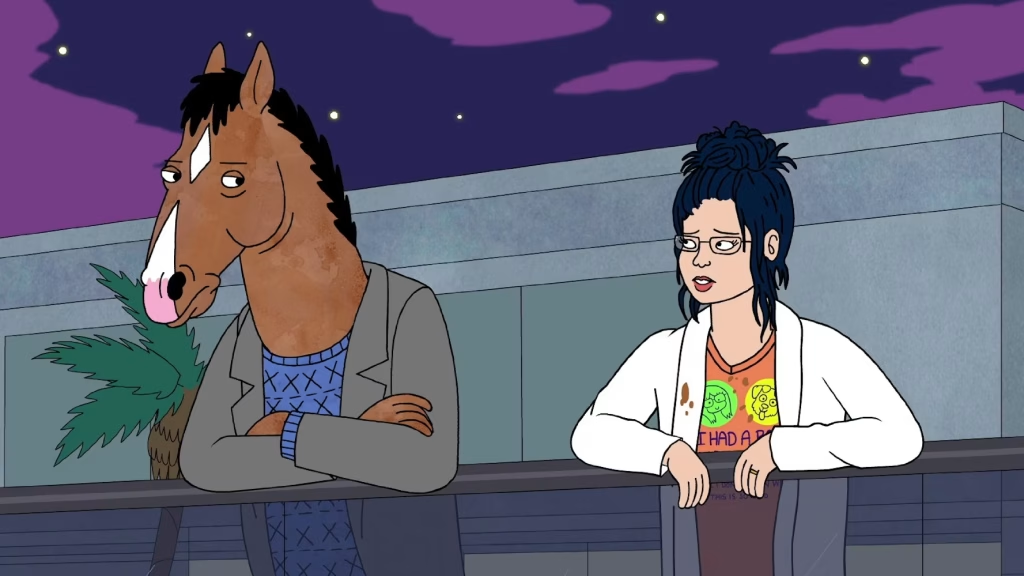
Her acknowledgment came amid a wider push in the animation industry for authentic representation. Brie’s reflection emphasizes that inclusion matters not just on screen but behind the microphone as well.

11. Kristen Bell – Voicing Molly in Central Park
Kristen Bell originally voiced Molly, a biracial character in Central Park. Following criticism, she stepped down, stating that the character should be voiced by someone who shares her racial background.

The role was recast with Emmy Raver-Lampman, a Black actress, and the move was widely praised. Bell’s decision reflected the growing expectation that characters of color should be voiced by actors of color, promoting both authenticity and equity.

10. Jenny Slate – Voicing Missy in Big Mouth
Jenny Slate voiced Missy, a biracial character in Big Mouth. Like Bell, Slate eventually stepped down, acknowledging that her casting contributed to the erasure of Black voices in animation.

The role was recast with Ayo Edebiri, and the change was celebrated as a step forward for representation. Slate’s decision illustrates how actors can course-correct and support more inclusive storytelling.

9. Anne Hathaway – The Witches and Disability Representation
Anne Hathaway starred as the Grand High Witch in the 2020 adaptation of The Witches. Critics argued that the character’s physical differences reinforced negative stereotypes about limb differences.

Hathaway issued a public apology, expressing regret and committing to do better in the future. The controversy sparked broader discussions about disability representation in Hollywood and the need for more thoughtful portrayals.

8. Hank Azaria – Voicing Apu on The Simpsons
Hank Azaria voiced Apu Nahasapeemapetilon for decades, but the character became controversial for perpetuating South Asian stereotypes. Azaria eventually stepped down and apologized publicly for his portrayal.

He recognized that his performance contributed to harmful representation, prompting The Simpsons to commit to casting actors of color for characters of color. The Apu controversy remains a key moment in conversations about diversity and inclusion in animation.

7. Jimmy Fallon – Blackface on SNL
Jimmy Fallon faced criticism for a past SNL sketch in which he impersonated Chris Rock in blackface. When the clip resurfaced, Fallon apologized, admitting it was offensive and wrong.

The incident reignited debates about the use of blackface in comedy. Fallon’s apology contributed to a broader industry-wide reckoning over past content that relied on racial stereotypes.

6. Rooney Mara – Playing Tiger Lily in Pan
Rooney Mara was cast as Tiger Lily in Pan, a role that drew criticism for whitewashing a Native American character. Mara later expressed regret, acknowledging that casting an Indigenous actor would have been more appropriate.

The controversy fueled discussions about Indigenous representation in Hollywood and highlighted the industry’s responsibility to cast authentically.
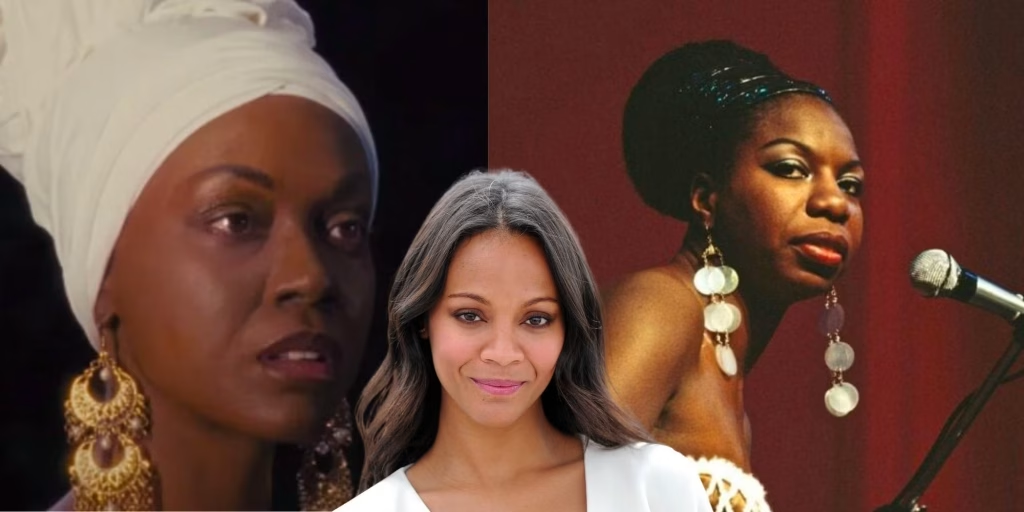
5. Zoe Saldana – Portraying Nina Simone
Zoe Saldana’s role as Nina Simone in a biopic sparked criticism over skin-darkening makeup and prosthetics. Many argued that a darker-skinned actress should have played Simone

Saldana apologized to Simone’s family and fans, acknowledging that taking the role was a mistake. The controversy highlighted issues of colorism and authenticity in biographical storytelling.

4. Scarlett Johansson – Trans Role in Rub and Tug
Scarlett Johansson was cast to play a trans man in Rub and Tug. Critics argued the role should have gone to a trans actor, sparking immediate backlash

Johansson eventually withdrew from the project, acknowledging the importance of authentic representation. The incident became a turning point in Hollywood’s approach to trans casting.

3. Jake Gyllenhaal – Prince of Persia Whitewashing
Jake Gyllenhaal starred as the Persian hero in Prince of Persia: The Sands of Time, a choice widely criticized as whitewashing.

He later admitted that it was a mistake, recognizing the importance of culturally accurate casting. The film remains a cautionary tale about Hollywood’s ongoing whitewashing problem.

2. Gwyneth Paltrow – Fat Suit in Shallow Hal
Gwyneth Paltrow wore a fat suit for Shallow Hal, a movie now criticized for fat-shaming and insensitive portrayals of body image.

Paltrow has publicly expressed embarrassment over the role, calling it a misstep. Her reflection reflects changing Hollywood attitudes toward body diversity and authentic casting.

1. Emma Stone – Playing Allison Ng in Aloha
Emma Stone was cast as Allison Ng, a part-Asian, part-Hawaiian character, in Aloha. Her casting drew immediate backlash, as she did not share the character’s heritage.

Stone later apologized, admitting it was a mistake and reflecting on what she learned. The controversy reignited debates about mixed-race and Asian representation, highlighting the need for authenticity in casting decisions.

Hollywood is evolving, and so are the conversations around representation and authenticity. These actors’ reflections show that even mistakes can lead to growth—both for performers and the industry. By acknowledging past missteps, they’re helping pave the way for more inclusive, respectful, and thoughtful storytelling on screen.