


For decades, addiction in Hollywood was whispered about, glamorized, or hidden behind polished PR statements. In recent years, however, more celebrities have chosen honesty over image, openly discussing sobriety, recovery, and the decision to step away from substances—whether after hitting rock bottom or simply realizing alcohol no longer served them. What makes these stories so compelling isn’t perfection, but vulnerability. These stars demonstrate that sobriety is not weakness—it’s strength, clarity, and self-respect. By speaking out, they’ve helped reshape the conversation around addiction and recovery, proving that change is possible at any stage of life.

15. Doechii
Doechii hasn’t hesitated to discuss how partying and substance use once clouded her sense of self. She channels those experiences directly into her music, reflecting on a period when constant intoxication felt normal—until it didn’t. Ultimately, she reached a point where she no longer recognized or liked the person staring back at her in the mirror.

Choosing sobriety marked a turning point for Doechii, not just personally, but creatively. With a clearer mind, she has spoken about rediscovering her true self and producing work that feels more intentional and authentic. Her openness resonates deeply with fans, many of whom see their own struggles mirrored in her journey.

14. Lewis Hamilton
Lewis Hamilton embraced a sober-curious lifestyle after realizing that even occasional drinking impacted his body and performance. In a sport demanding peak focus and discipline, lingering hangovers were simply unsustainable.
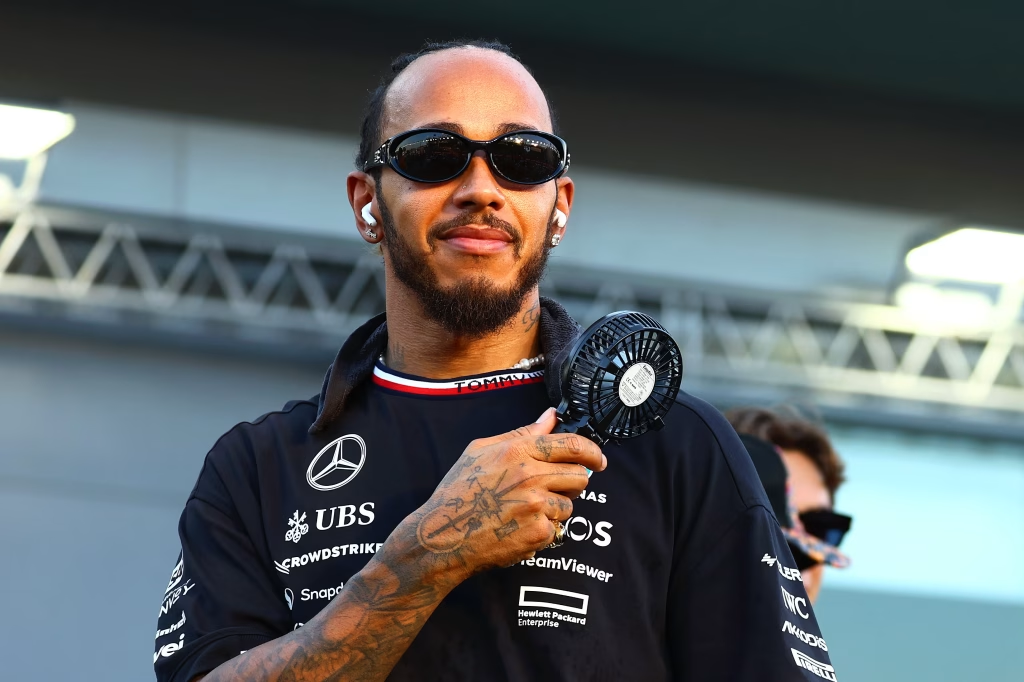
Since stepping away from alcohol, Lewis Hamilton has reported feeling sharper, sleeping better, and sustaining more consistent energy. His experience underscores that sobriety isn’t just about overcoming addiction—it can also be a tool for enhancing mental clarity and physical performance, especially in high-pressure environments.

13. Anne Hathaway
Anne Hathaway has described giving up alcohol as an act of self-awareness. Rather than framing it dramatically, she’s explained it simply: drinking just wasn’t working for her anymore. Once she stopped fighting that realization, life felt lighter.

She’s been candid about how alcohol sometimes amplified negative emotions instead of easing them. By sharing that sobriety was a personal choice, not a public crisis, Hathaway has helped normalize the idea that you don’t need a headline-making reason to quit.
12. Zendaya
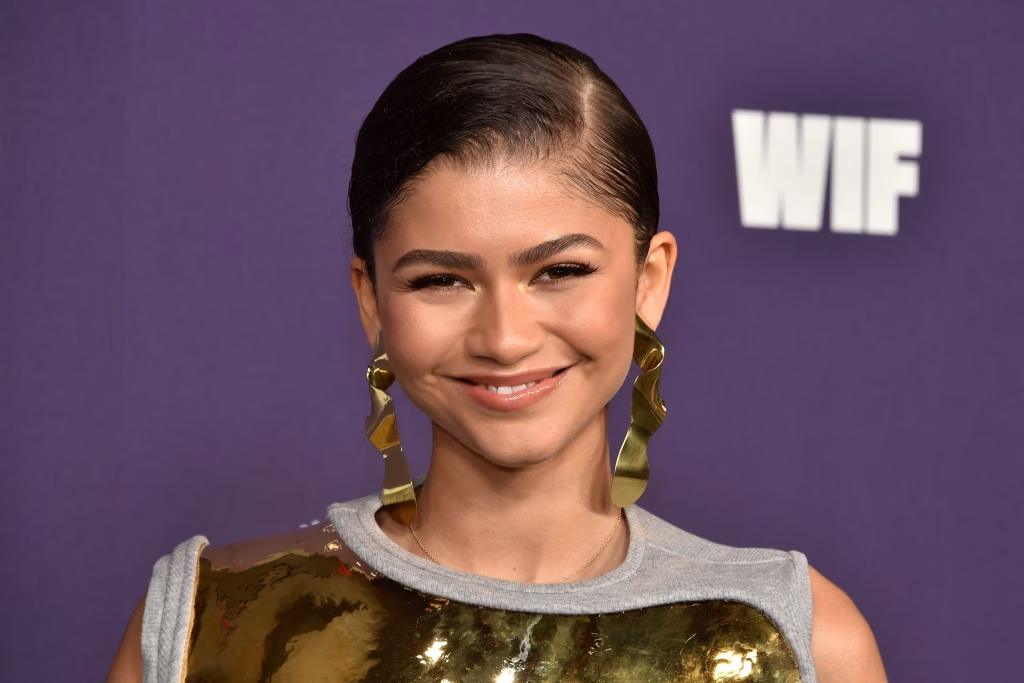
Despite starring in a show that explores addiction, Zendaya has made it clear she chooses not to drink. When she turned 21, she openly shared that reaching legal age didn’t mean she felt compelled to start.

Her reasoning is grounded in control and clarity. In an industry filled with temptation and pressure, she prefers to stay fully present and in charge of her decisions. For young fans especially, her stance sends a powerful message: you don’t need substances to thrive or have fun.

11. Tom Holland
Tom Holland’s sobriety began as a casual challenge, Dry January, but quickly turned into a deeper realization. He noticed how much mental space alcohol occupied in his life, even when he wasn’t drinking.

After extending his break month after month, he found himself feeling happier and more balanced. His openness about that internal struggle makes his story relatable, particularly for people who may not identify as having a “serious problem” but recognize unhealthy patterns.

10. Miley Cyrus
Miley Cyrus has spoken about both family history and personal reasons for choosing sobriety at different points in her life. After vocal surgery and lifestyle changes, she began prioritizing her health more intentionally.

She’s also addressed the stigma that sober people are somehow “less fun.” Miley pushes back against that idea, showing through her personality and performances that creativity and excitement don’t depend on substances. Her journey reframes sobriety as empowerment rather than restriction.

9. Zac Efron
Zac Efron has credited sobriety with bringing structure and balance back into his world. Letting go of alcohol allowed him to reconnect with hobbies like surfing and skateboarding, activities that ground him outside of fame.

He’s also reflected on how living for public approval can distort your sense of self. Sobriety helped him step away from that noise and focus on what genuinely fulfills him, not what trends online.

8. Drew Barrymore
Drew Barrymore’s relationship with substances began early in life, making her eventual decision to get sober deeply personal. Interestingly, she kept her sobriety private for years before speaking about it publicly.

She’s described the process as breaking long-standing patterns and rebuilding confidence quietly. Her story shows that recovery doesn’t have to be performative; sometimes the most meaningful transformations happen behind the scenes.

7. Josh Peck
Josh Peck has been open about how a 12-step program became the foundation of his adult life. After early struggles, he found stability through consistent recovery work and community support.

He’s often credited sobriety with allowing everything else in his life, career, relationships, and fatherhood to flourish. His long-term commitment proves that recovery isn’t a temporary fix; it’s an ongoing practice that can anchor a fulfilling life.

6. Demi Lovato
Demi Lovato’s near-fatal overdose marked a pivotal chapter in her recovery story. Since then, she’s emphasized therapy, supportive relationships, and prioritizing her health above everything else.

Her willingness to speak openly about setbacks, healing, and growth has helped reduce stigma around relapse and mental health. Lovato’s journey reminds people that recovery isn’t linear, but it is possible.

5. Cara Delevingne
Cara Delevingne has shared that sobriety followed a period of public struggles and personal reflection. She eventually realized that partying had become a form of escape rather than enjoyment.

Since then, she’s focused heavily on therapy and consistent self-work. By acknowledging that healing requires ongoing effort, not just a one-time decision, she’s offered a refreshingly realistic look at recovery.

4. Tyler, the Creator
Tyler, the Creator, has long expressed that drinking simply doesn’t appeal to him. Rather than framing sobriety as a struggle, he presents it as a conscious lifestyle choice that aligns with his creativity.

He’s questioned the cultural glorification of intoxication, pointing out that he’s never looked at someone drunk and thought, “I want that.” His perspective has helped redefine what’s considered “cool” in music culture.

3. Jack Harlow
As his fame grew, Jack Harlow found alcohol increasingly present in his social and professional life. Eventually, he decided he was tired of feeling sluggish and making decisions he didn’t fully stand by.

Quitting drinking helped him feel more present and intentional. His story is especially relatable because it shows you don’t have to hit a dramatic low point to decide something isn’t working anymore.

2. Kendrick Lamar
Kendrick Lamar has been vocal about avoiding drugs and alcohol throughout his life. Growing up surrounded by substance use influenced his decision to break that cycle.

His music often tackles addiction and its consequences, challenging the normalization of drug culture in certain spaces. By leading through example, he’s reshaped conversations within hip-hop and beyond.

1. Jennifer Hudson
Jennifer Hudson has consistently shared that she’s never been drawn to alcohol or drugs. Despite skepticism from some, she’s maintained that substances simply never interested her.

Her example is powerful because it shows sobriety doesn’t always follow struggle; it can also stem from self-assurance and contentment. Hudson proves that you can build an extraordinary career while staying completely true to yourself.

These celebrities come from different industries, backgrounds, and experiences. Some reached breaking points. Others made quiet, proactive choices. But what connects them is courage, the willingness to be honest about sobriety in a culture that often glamorizes excess. By speaking up, they’ve helped shift the narrative around addiction and recovery. Sobriety isn’t about shame. It’s about clarity, growth, and choosing a life that feels authentic. And in doing so, they’ve inspired millions to believe that change is not only possible, it’s powerful.