


Psychiatric hospitals and insane asylums have long been a staple of horror films, offering a unique blend of isolation, mystery, and psychological tension. From real-world critiques to supernatural scares, these movies explore how fear and trauma can fester behind the locked doors of institutions meant to heal.

15. Smile (2022)
Smile places supernatural horror inside a psychiatric setting, following therapist Dr. Rose Cotter after she witnesses a patient’s disturbing suicide. Soon, she’s stalked by an entity that spreads trauma through horrifying, unnatural smiles.

As Rose’s sanity begins to fracture, the hospital becomes a space where healing and horror collide. While effective and creepy, the film also leans heavily on familiar tropes, portraying psychiatric spaces as environments where evil easily takes root.

14. Unsane (2018)
Shot entirely on an iPhone, Unsane follows Sawyer Valentini, a woman involuntarily committed after seeking help for a stalker. The hospital quickly reveals itself as cold, corporate, and indifferent to patient welfare.

As Sawyer suspects her stalker is among the staff, the film explores gaslighting, power imbalance, and institutional exploitation. Its claustrophobic style makes the paranoia feel disturbingly real.

13. Gonjiam: Haunted Asylum (2018)
This found-footage hit follows YouTubers who livestream an overnight exploration of an abandoned psychiatric hospital. What begins as staged scares quickly turns into genuine terror.

The immersive camerawork heightens every moment, transforming the asylum into a suffocating maze. The film taps into fears of forgotten institutions and the dangers of turning trauma into entertainment.

12. A Cure for Wellness (2016)
A young executive travels to a remote Alpine wellness center to retrieve his boss, only to become trapped himself. The serene facility hides disturbing medical practices beneath its polished surface.

The film blends gothic horror with modern health anxieties, portraying treatment as both seductive and dangerous. Its asylum-like setting turns wellness into something deeply unsettling.

11. Stonehearst Asylum (2014)
Set in a Victorian psychiatric hospital, Stonehearst Asylum follows a doctor who slowly realizes the institution’s staff and patients aren’t what they seem. Strange treatments and shifting power dynamics fuel suspicion.

Inspired by Edgar Allan Poe, the film critiques early psychiatric practices while playing with the idea that sanity is often defined by authority, not truth.

10. Grave Encounters (2011)
A ghost-hunting TV crew locks itself inside an abandoned psychiatric hospital, expecting fake scares. Instead, they uncover a very real and hostile supernatural presence.

Shot in found-footage style, the film turns the asylum into a living nightmare where space, time, and reality collapse. It’s both a satire and a genuinely frightening cult favorite.

9. Shutter Island (2010)
U.S. Marshal Teddy Daniels investigates a disappearance at a hospital for the criminally insane, only to find himself questioning everything he believes. The institution’s isolation heightens the psychological tension.

As reality and delusion blur, the hospital becomes a labyrinth of memory and trauma. The film’s twist cements its legacy as a haunting meditation on sanity and denial.

8. The Ward (2010)
A young woman wakes up in a mental institution with no memory of how she got there. Soon, patients begin disappearing under mysterious circumstances.

The film blends supernatural horror with themes of trauma and repression, using the asylum to explore vulnerability and identity. Its ending reframes the entire experience.

7. Halloween (2007 / 2018)
Michael Myers’ origins are tied to psychiatric confinement, particularly in Rob Zombie’s reboot, which explores his childhood institutionalization. Treatment fails, and violence escalates.

Later entries revisit the asylum as a holding space rather than a solution, reinforcing its role as a symbol of containment and systemic failure in horror.
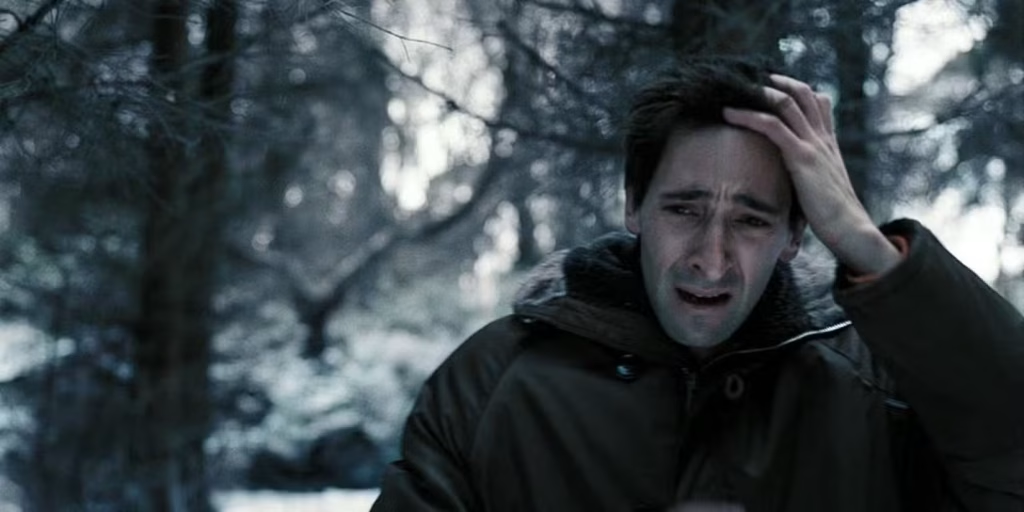
6. The Jacket (2005)
A war veteran is committed to a mental hospital and subjected to experimental treatments involving sensory deprivation. These sessions trigger disturbing visions and fractured memories.

The asylum becomes a metaphor for unresolved trauma and institutional cruelty. The film blends sci-fi and psychological horror into a deeply disorienting experience.

5. Gothika (2003)
A psychiatrist wakes up as a patient in her own hospital, accused of murder. Haunted by ghosts and memory gaps, she must uncover the truth.

The film thrives on paranoia and role reversal, turning the hospital into a place where authority, reality, and sanity constantly shift.

4. Session 9 (2001)
An asbestos crew working inside an abandoned mental hospital uncovers disturbing therapy tapes. As the job continues, their mental states begin to unravel.

Using a real asylum location, the film relies on atmosphere and sound rather than shocks. Trauma and guilt slowly surface, making the horror deeply psychological.

3. One Flew Over the Cuckoo’s Nest (1975)
This classic pits a rebellious patient against the rigid authority of Nurse Ratched. The psychiatric ward becomes a battleground for autonomy and control.

Its portrayal of institutional abuse reshaped public perceptions of mental health care. The film remains influential—and controversial—decades later.

2. The Snake Pit (1948)
One of the first films to openly depict psychiatric institutions, The Snake Pit follows a woman navigating dehumanizing treatment and confinement.

The film sparked real-world reform and remains historically significant for exposing the cruelty of early mental health systems.

1. Spellbound (1945)
Alfred Hitchcock’s psychological thriller centers on a doctor with a mysterious past and a psychoanalyst determined to unlock his mind. The hospital setting becomes a gateway to the subconscious. With dream sequences and themes of repression, Spellbound helped establish psychiatric institutions as enduring spaces of suspense and psychological horror.

Whether it’s slow-burning dread, unsettling experiments, or haunted corridors, the films on this list turn mental health facilities into settings of terror, making audiences question what’s real—and what’s lurking just out of sight.